A Deep Dive into VR Headset Technologies: Which One Suits You Best?
6 May 2026
Virtual Reality (VR) has come a long way since it was just something out of science fiction. No longer trapped in the pages of a cyberpunk novel, VR headsets are sitting on our desks, hanging from our walls, and even packed inside our backpacks. Whether you're a gamer, a creative professional, or someone just curious about stepping into another dimension, there’s a VR headset out there waiting for you. But with so many options and so much tech jargon flying around, how do you even begin to pick one?
Sit tight—this guide is about to unpack VR headset technologies in a way that actually makes sense. We're diving deep but keeping it casual.
What Exactly Is a VR Headset?
Let's keep it simple. A VR headset is a device you wear over your eyes like a pair of ski goggles. But instead of snow, you're surrounded by immersive 3D worlds that can be anything from alien planets to virtual operating rooms. The headset uses screens, lenses, sensors, and sometimes external hardware to track your movements and manipulate the virtual environment in real time.The goal? To trick your brain into thinking you’re somewhere you’re not. Pretty wild, right?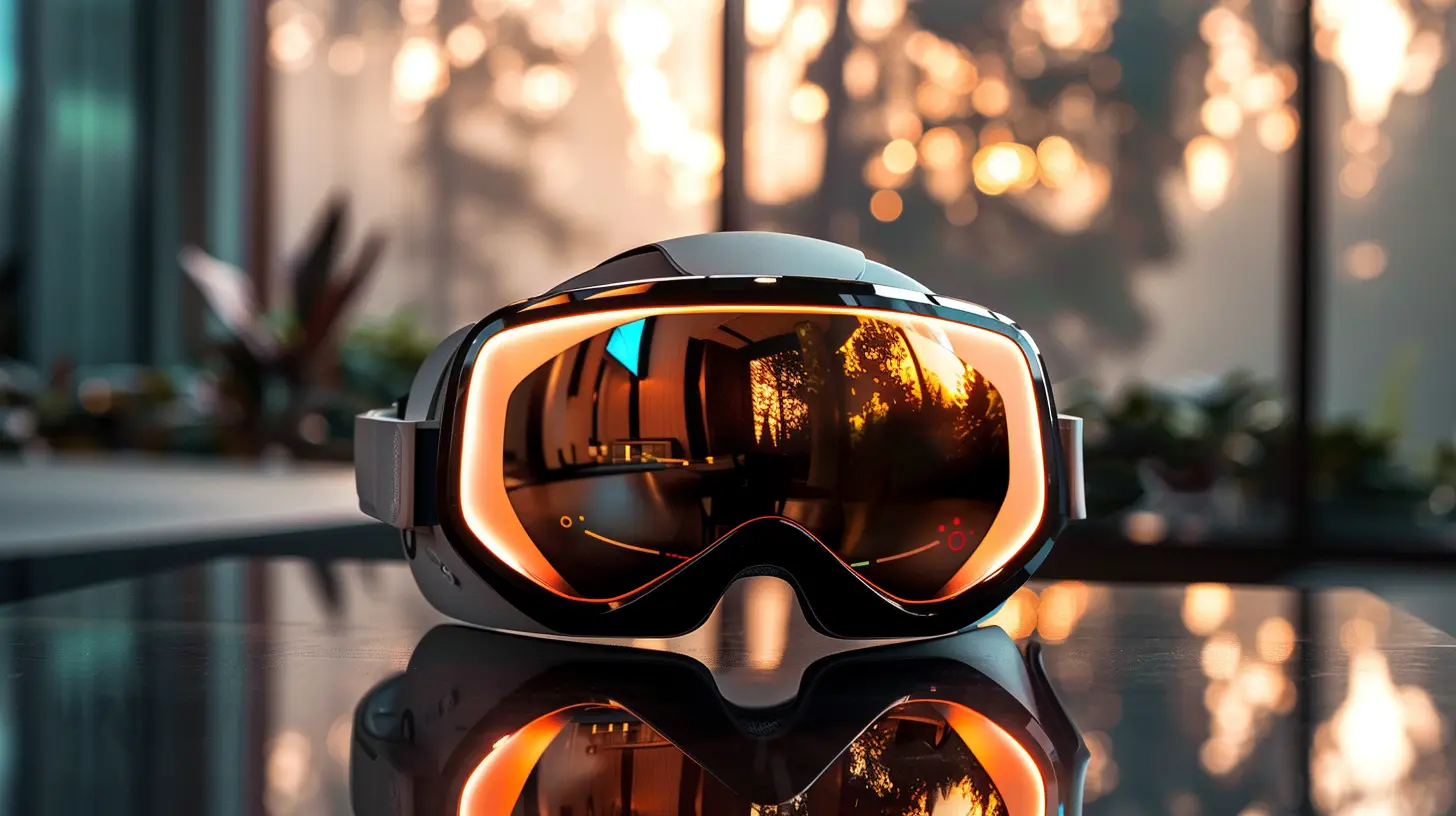
The Main Types of VR Headsets
Before you start comparing specs and prices, you’ve got to know what category of VR headset suits your lifestyle. Generally, they fall into three categories:1. Tethered VR Headsets
These babies plug directly into your PC or gaming console. They offer the highest quality graphics and performance because they rely on the power of external hardware.- Examples: Oculus Rift S, HTC Vive Pro, Valve Index
- Pros: Best visuals, more powerful tracking, high-end experiences
- Cons: Requires a strong PC or console, not very portable
Perfect for hardcore gamers, professional developers, and anyone who wants to get THE most out of VR.
2. Standalone VR Headsets
Think of these like the smartphones of the VR world. No wires, no cables, just pick up and play. Everything is built-in.- Examples: Meta (Oculus) Quest 2, Meta Quest 3, Pico 4
- Pros: Totally wireless, super convenient, good performance
- Cons: Limited by internal hardware, shorter battery life
Great for casual gamers, newcomers, and folks who hate dealing with cords.
3. Smartphone VR Headsets
These are pretty much dead in the water now, but they had their moment. You slap your smartphone into a plastic or cardboard viewer, and voila—basic VR.- Examples: Google Cardboard, Samsung Gear VR
- Pros: Dirt cheap, good for demos or education
- Cons: Poor tracking, weak visuals, outdated tech
Not really recommended anymore unless you’re just curious or on a super tight budget.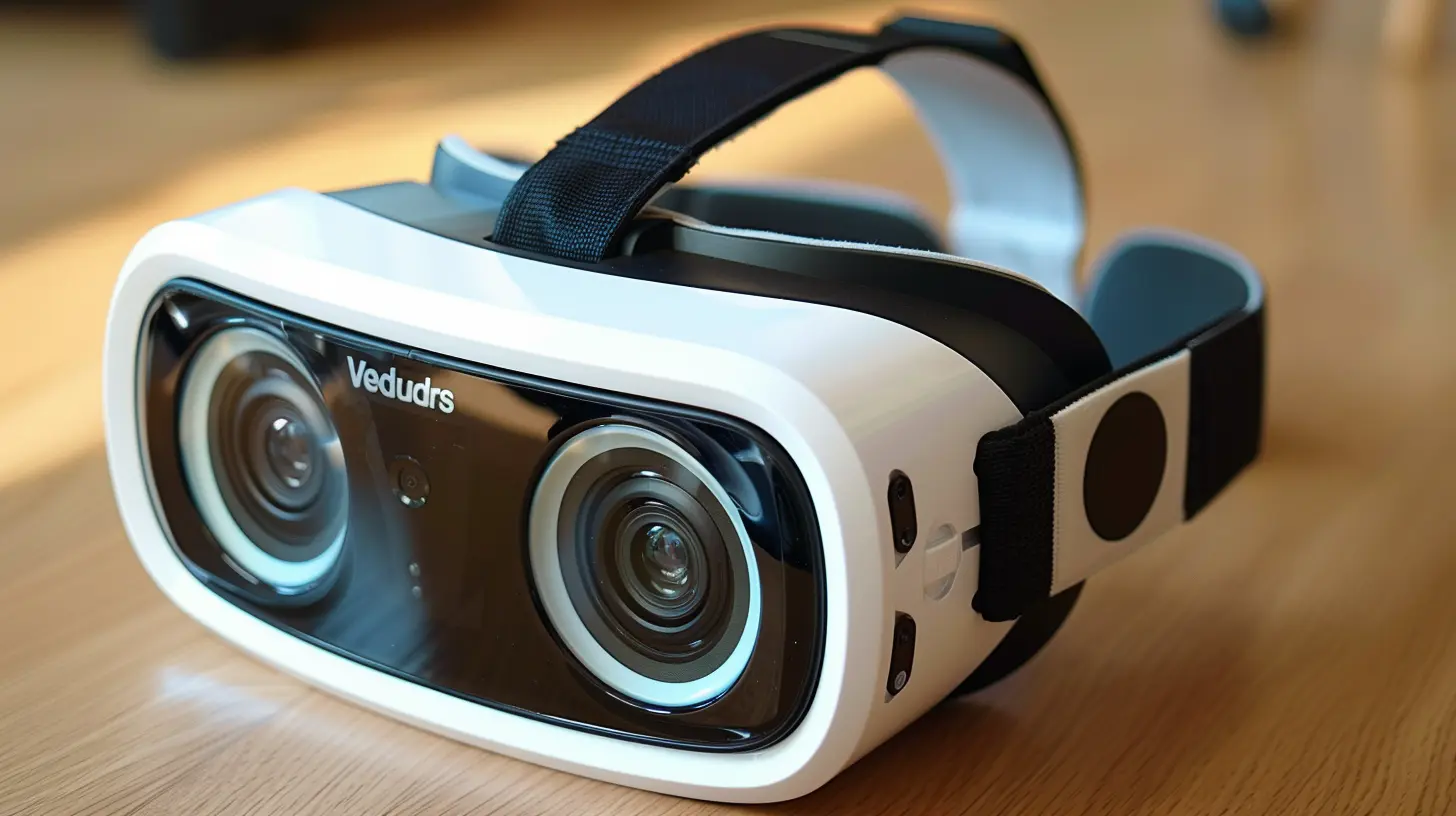
Key VR Technologies You Should Know About
Alright, so you've got the basic categories down. Now let’s decode the tech terms you’ll run into while shopping for your VR soulmate.Display Resolution
Resolution matters—a LOT. It determines how crisp the visuals look. A low-res headset can make you feel like you're watching the world through a screen door (hence, the dreaded “screen-door effect”).- 720p to 4K per eye is the current range
- Look for 2160 x 2160 per eye or higher if you're picky about graphics
Higher resolution = clearer world = more immersive experience.
Refresh Rate
Refresh rate is how many frames per second the display can show. Faster is better because it reduces lag and motion sickness.- Minimum: 60Hz
- Ideal: 90Hz or 120Hz
If you’re prone to nausea, go for the highest refresh rate you can afford.
Field of View (FOV)
This is how wide your visual range feels inside the headset. Bigger FOV = more immersion.- Average: 90° to 110°
- High-end: 120°+
Imagine looking through a window vs. a fishbowl. That’s FOV in a nutshell.
Tracking Systems
Tracking is how the headset follows your movements. There are two main types:- Outside-In Tracking: Uses external cameras or sensors (like with Valve Index and Vive)
- Inside-Out Tracking: Built-in cameras track your movement (like Quest 2 & 3)
Inside-out tracking is more user-friendly and portable, but outside-in tracking is often more precise.
Controllers and Hand Tracking
Most headsets come with controllers that track hand movement. Some, like Meta Quest, now support hand tracking with just cameras—no controllers needed.This opens up new possibilities for apps like fitness, training, or even virtual painting. It's like having magic gloves straight out of a sci-fi flick.
Comparing the Top VR Headsets (2024 Edition)
Okay, let's break down some of the top contenders on the market now so you can start seeing which one matches your vibe.? Meta Quest 3
- Type: Standalone- Price: ~$499
- Display: 2064 x 2208 per eye
- Refresh Rate: 120Hz
- FOV: ~110°
- Best For: Everyday users, casual gamers, mixed reality fans
With its sleek form and upgraded passthrough capabilities, the Quest 3 punches way above its weight. Plus, it’s got access to both Meta’s store AND PC VR via Air Link.
? Valve Index
- Type: Tethered- Price: ~$999 (with full kit)
- Display: 1440 x 1600 per eye
- Refresh Rate: 120Hz (adjustable up to 144Hz)
- FOV: 130°
- Best For: Hardcore gamers, simulation fans, VR developers
This is the Ferrari of VR headsets. Not budget-friendly, but you get insane tracking precision and one of the best visual and audio experiences available.
? PlayStation VR2
- Type: Tethered (PS5)- Price: ~$549
- Display: OLED, 2000 x 2040 per eye
- Refresh Rate: 90Hz – 120Hz
- FOV: ~110°
- Best For: Console gamers, Sony loyalists
If you already own a PS5, this headset gives you top-tier visuals with minimal setup. It’s plug-and-play VR done right.
So, Which VR Headset Suits You Best?
Picking a VR headset is like choosing a car—or a pizza topping. It depends on your taste, budget, and what you plan to do with it. Let’s break it down:?️ For Gamers
Go with:- Valve Index (hardcore)
- Meta Quest 3 (casual to mid-tier)
- PSVR2 (console-exclusive titles)
? For Creatives and Developers
Best picks:- Valve Index or HTC Vive Pro 2 for accurate controller tracking and high resolution
- Meta Quest 3 with PC Link for flexibility
?️ For Fitness and Casual Experiences
Consider:- Meta Quest 2 or 3 (great for fitness apps like Supernatural or Beat Saber)
???? For Family and Social Use
Top options:- Meta Quest 2/3 thanks to ease of use and standalone nature
Don't want to be tied down? Go wireless.
Want cinematic, ultra-crisp VR? Plug in and go tethered.
Future of VR Headsets: What’s Coming Next?
We’re already hearing whispers about Apple’s Vision Pro and other AR/VR hybrid devices. The line between Virtual Reality, Augmented Reality, and Mixed Reality is blurring fast.Expect to see:
- Lighter designs
- More realistic graphics
- Eye tracking as a standard feature
- Better social integration (like VR Zoom meetings, but less awkward)
Before you know it, slapping on a headset might be as common as checking your phone.
Final Thoughts
Choosing the right VR headset isn’t just about specs and numbers—it’s about how you want to interact with digital worlds. Whether you’re looking to explore alien planets, sculpt in 3D, battle zombies, or just chill in a virtual Zen garden, there’s a perfect headset out there for you.Hopefully, this deep dive helped remove the mystery cloak from VR tech. Now the ball’s in your court. So, what’s your next reality going to look like?
all images in this post were generated using AI tools
Category:
Virtual RealityAuthor:

Jerry Graham
Discussion
rate this article
2 comments
Kira Hall
This article highlights the unique features of various VR headsets, helping users find the right fit for their preferences and needs.
June 17, 2026 at 10:56 AM
Jerry Graham
Thanks for your feedback! I'm glad you found the article helpful in exploring VR headset options.
Juliana Tucker
This article offers a thorough overview of VR headsets, highlighting the strengths and weaknesses of various options. The comparisons are practical, making it easier for readers to determine which headset aligns with their needs. It's a valuable resource for anyone considering making an investment in virtual reality technology.
May 12, 2026 at 10:23 AM
Jerry Graham
I'm glad you found the article helpful! Choosing the right VR headset can be a game changer, and I'm happy to provide insights for making that decision.