AI-Driven Personal Assistants: Your Digital Butler
14 July 2026
In today's fast-paced world, staying organized and managing daily tasks can feel like a juggling act. We’ve all experienced that moment when we think, “If only I had an extra pair of hands.” Well, you do—but this pair of hands is digital. Enter AI-driven personal assistants, an advanced form of technology that’s revolutionizing how we manage our lives. Think of them as your friendly, efficient digital butler, always ready to assist with anything you need—whether it’s scheduling meetings, sending reminders, or even controlling your smart home devices.
So, what exactly are AI-driven personal assistants, how do they work, and what makes them so essential in today’s digital age? Let’s dive in!
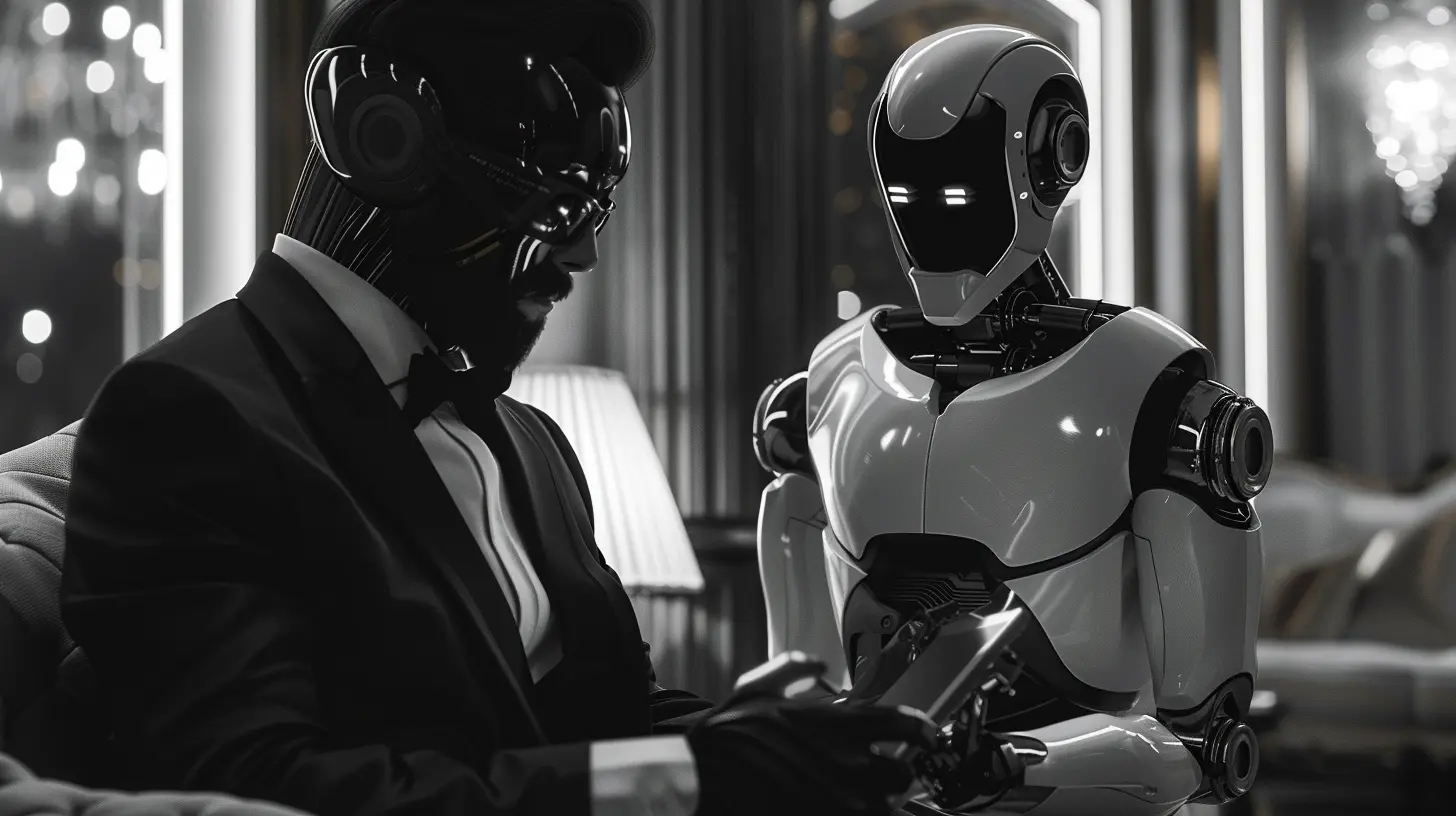
What Are AI-Driven Personal Assistants?
AI-driven personal assistants are software programs powered by artificial intelligence (AI) that are designed to assist users with a variety of tasks. These tasks range from simple ones, like setting a timer or sending a text, to more complex functions such as managing calendars, controlling smart home devices, or even answering specific queries using natural language processing (NLP).You might already be familiar with some of the more popular AI personal assistants like Siri (Apple), Alexa (Amazon), Google Assistant, and Cortana (Microsoft). But the technology is advancing rapidly, and these assistants are now smarter, more intuitive, and more capable than ever before.
Imagine having a personal butler who knows your preferences, anticipates your needs, and is available 24/7. That’s essentially what an AI-driven personal assistant is—except it's a lot cheaper and doesn't need time off!
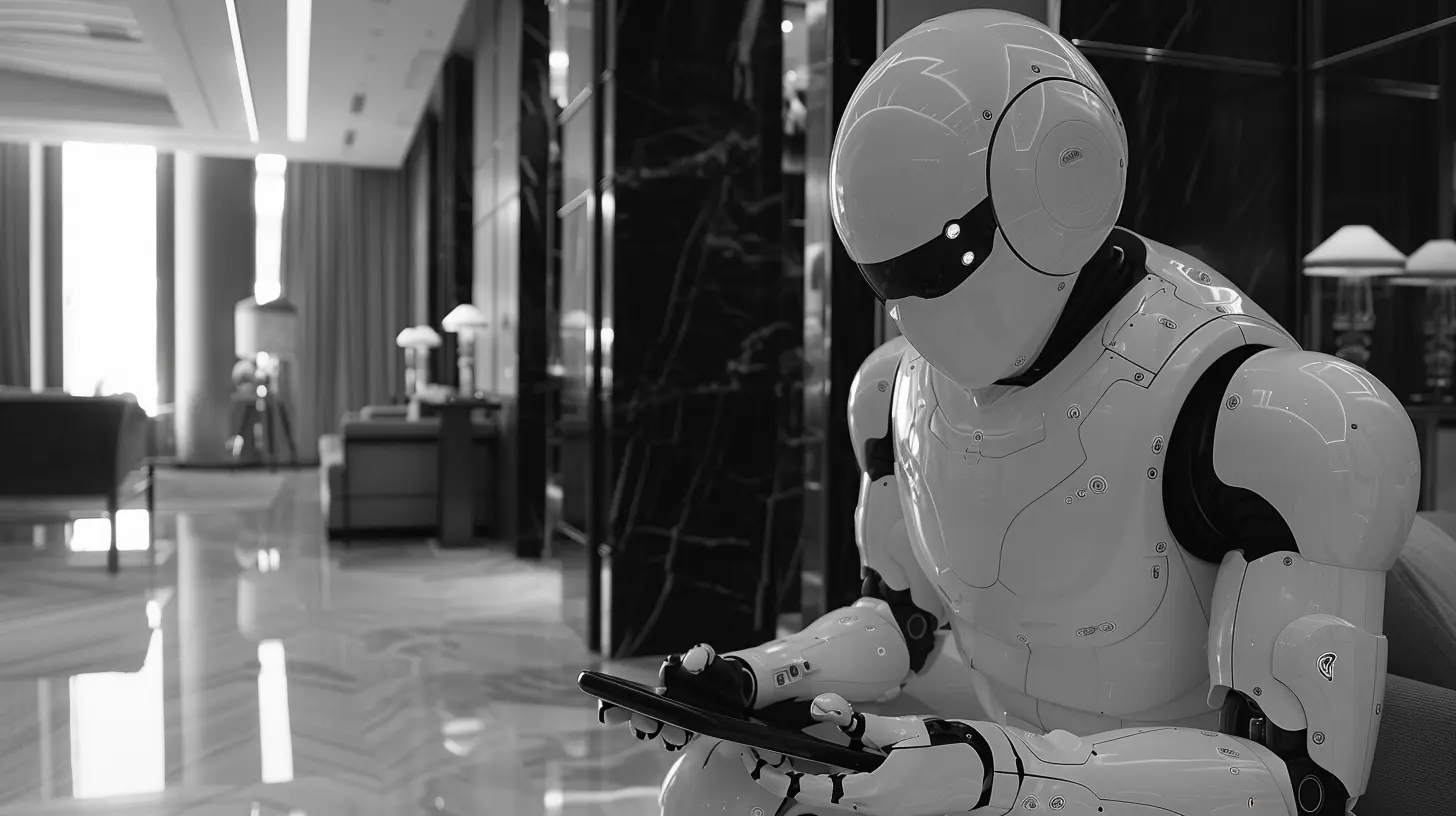
How Do AI-Driven Personal Assistants Work?
At the heart of AI-driven personal assistants lies machine learning and natural language processing. These technologies allow the system to understand what you're asking, even if you phrase it differently each time.Here’s a simplified breakdown of how it works:
1. Input: You speak or type a command or query to the assistant. For example, you might say, "Remind me to buy groceries tomorrow at 5 PM."
2. Processing: The AI then processes your command using NLP. It interprets your words and extracts the key details (in this case, “remind,” “buy groceries,” and “5 PM tomorrow”).
3. Action: Once the command is understood, the assistant performs the action—setting a reminder in your calendar.
4. Learning: Over time, the assistant learns your habits, preferences, and routines. If it notices you always buy groceries on Fridays, it might start suggesting reminders without you even asking. This is where the magic of machine learning comes into play.
The more you use your AI assistant, the better it gets. It learns from your behavior and tailors its responses and suggestions to better suit your needs.
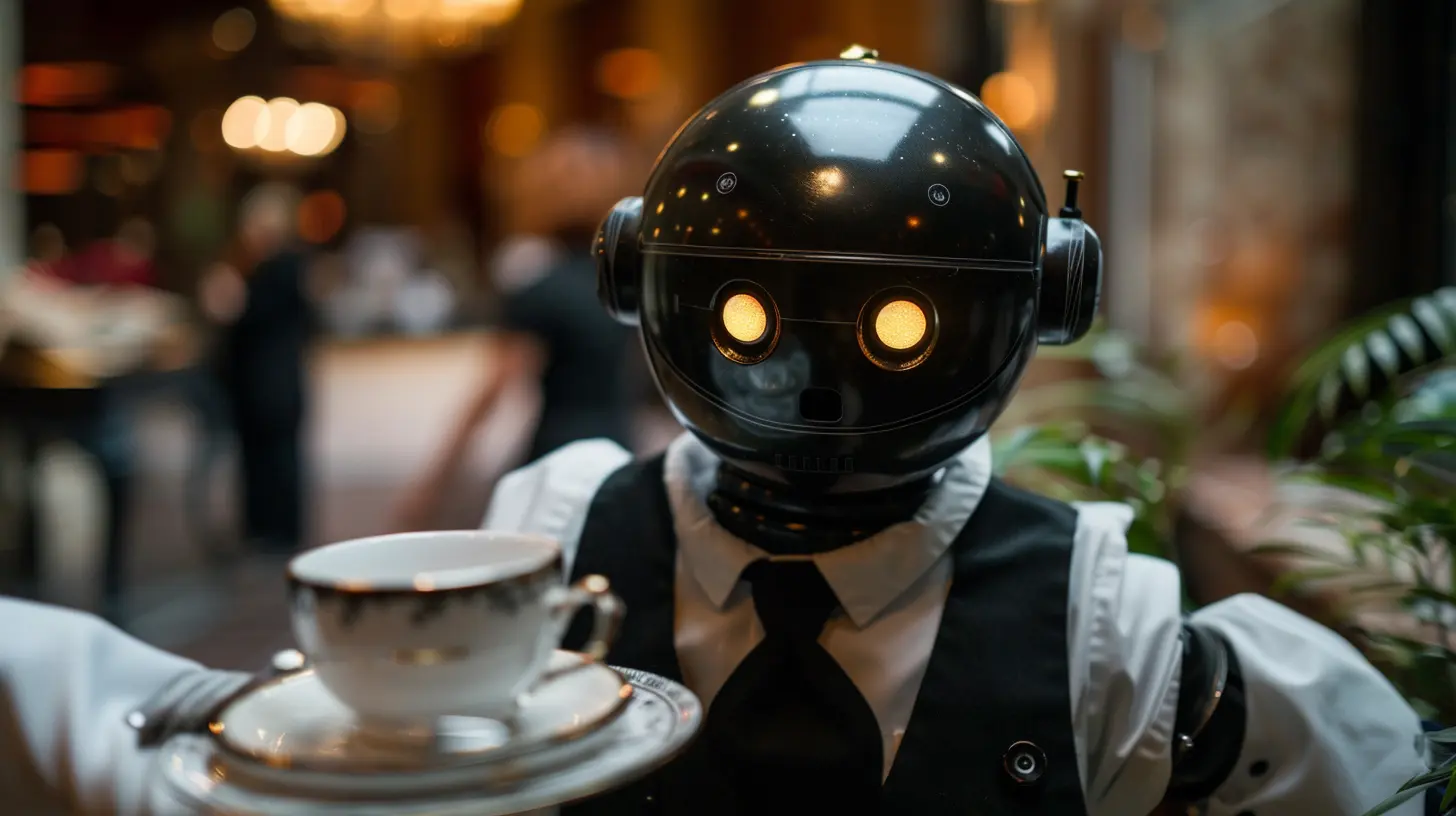
Features of AI-Driven Personal Assistants
So, what can these digital butlers actually do for you? Let’s break down some of the key features that make AI-driven personal assistants indispensable in our modern lives.1. Task Management
One of the most basic, yet highly useful, features of AI-driven assistants is their ability to manage daily tasks. You can ask them to set reminders, create to-do lists, send emails, or schedule meetings. Have you ever forgotten an important appointment? With an AI assistant, that’s a thing of the past.Think of it as having a secretary in your pocket. Need to book a meeting for next Tuesday at 2 PM? Just ask, and your assistant will take care of it.
2. Smart Home Integration
AI-driven personal assistants aren’t just limited to your smartphone or computer—they can also control your smart home devices. Imagine walking through your front door and saying, “Turn on the lights” or “Set the thermostat to 72 degrees.” Your digital butler handles it all, making your home smarter and more convenient.With integrations from platforms like Amazon Alexa or Google Home, you can control everything from your lights to your TV or even your coffee maker—all with a simple voice command.
3. Natural Language Processing
One of the most impressive features of AI assistants is their ability to understand human language. You don’t have to speak like a robot to get a response. These assistants are designed to pick up on natural language, so you can ask questions in the same way you’d ask a human.For instance, instead of saying, “Set an alarm for 7 AM,” you could say, “Hey, wake me up at 7 tomorrow,” and the assistant will understand. It’s like having a conversation with a real person—except this person is powered by AI!
4. Personalization
The more you use your AI assistant, the more it personalizes its behavior to suit your preferences. It learns from your habits, suggesting things like reminders or calendar events based on your past behavior.For example, if you always ask for the weather at 7 AM, your assistant might start offering up the weather forecast automatically when you wake up. Or, if it knows you commute to work every morning, it might alert you of traffic conditions—without you having to ask.
5. Entertainment Control
Who doesn’t love a good playlist when they’re cooking or a movie to wind down after a long day? AI-driven assistants can also double as your entertainment hub. With a simple voice command, you can play your favorite music, turn on the TV, or even ask for movie recommendations.“Hey, what’s a good movie to watch tonight?” Your digital butler is on it!

The Benefits of Using AI-Driven Personal Assistants
The real question is: Why should you use one? What’s in it for you? Let’s explore some of the biggest benefits of having a digital butler in your life.1. Increased Productivity
AI assistants help you stay organized, manage your time, and handle repetitive tasks, leaving you to focus on more important things—like finally tackling that passion project or spending quality time with loved ones.Imagine how much more productive you could be if you didn’t have to manually schedule meetings, set alarms, or send reminder emails. It adds up, and before you know it, you’ve saved hours each week.
2. Convenience
Convenience is the name of the game. Whether you're controlling your smart home from your couch or asking your assistant to add items to your grocery list while you're driving, AI-driven personal assistants make life easier.Why waste time manually adjusting your thermostat or looking up traffic conditions when your digital butler can do it for you, hands-free?
3. Hands-Free Assistance
Speaking of hands-free, one of the biggest perks of AI-driven personal assistants is that they work with voice commands. This is especially useful when you're multitasking—like cooking, driving, or even working out. Just say what you need, and your assistant handles the rest.4. Personalization and Anticipation
The more you use your AI-driven assistant, the better it gets at predicting your needs. It’s almost like it can read your mind! Need an umbrella tomorrow? Your assistant might remind you of the weather forecast before you even ask.Over time, the assistant will start offering suggestions or completing tasks without you having to lift a finger. It’s almost like having a personal concierge who knows you better than you know yourself.
The Future of AI-Driven Personal Assistants
AI technology is advancing rapidly, and personal assistants are getting smarter by the day. So, what does the future hold? Well, the possibilities are nearly endless.Imagine a world where your AI assistant not only manages your daily tasks but also helps you make decisions. It could analyze your spending habits and suggest ways to save money. Or, it could monitor your health and recommend lifestyle changes to improve your well-being.
We’re already seeing AI assistants integrate with more and more aspects of our lives, from healthcare to education to entertainment. The future digital butler might even become a lifelong companion, evolving with you and adapting to your changing needs.
Are AI-Driven Personal Assistants Safe?
Of course, with all this convenience comes some concerns about privacy and security. After all, your AI assistant has access to a lot of personal information. It's important to note that companies like Apple, Amazon, and Google take privacy seriously, and most AI-driven assistants are designed with security features to protect your data.That said, it’s always a good idea to stay informed and take precautions. For instance, you can review the privacy settings on your device, limit the amount of data you share, and disable features like permanent recording or storing conversations if you feel uncomfortable.
Conclusion
AI-driven personal assistants are no longer a thing of the future—they’re here, and they’re changing the way we live and work. Whether you need help managing your schedule, controlling your smart home, or simply finding that perfect playlist, your digital butler has got you covered.As AI technology continues to evolve, these assistants will only get smarter, more intuitive, and more integrated into our daily lives. So why not let your digital butler take some of the load off? It’s like having a personal assistant, a secretary, and a concierge all rolled into one—except this one never sleeps and is always ready to help!
all images in this post were generated using AI tools
Category:
Artificial IntelligenceAuthor:

Jerry Graham
Discussion
rate this article
1 comments
Ian McMillen
AI-driven personal assistants enhance efficiency, but they also raise privacy and dependency concerns.
July 18, 2026 at 12:28 PM
Jerry Graham
You make a great point. Balancing efficiency with privacy is crucial as we rely more on these tools.