AR Glasses and the Future of Social Media Interaction
25 February 2026
In recent years, Augmented Reality (AR) has transitioned from a fascinating novelty to a technology with real-world applications, and it’s found its way into various industries. But one area that’s particularly intriguing? Social media. AR glasses, a wearable tech that blends the digital world with our physical reality, have the potential to revolutionize how we interact online.
Imagine a world where your Facebook feed isn't confined to your smartphone. Or where TikTok videos appear in 3D, right in front of your eyes, as if they were happening in real-time in your own living room. Sounds futuristic, right? Well, the future might be closer than we think.
In this article, we’ll dive deep into the exciting possibilities of AR glasses and how they could reshape social media interaction. We’ll explore the current state of AR, discuss the future of social media with this tech, and look at the challenges and concerns that come with it.
So, buckle up! It’s going to be a fun ride into the not-so-distant future.
What Are AR Glasses?
Before we get too far ahead, let's start with the basics. AR glasses are essentially wearable devices that overlay digital elements—such as images, videos, and animations—onto the real world. They differ from Virtual Reality (VR), which immerses users in a completely simulated environment. With AR, you're still in the real world, but with a digital twist.Think of it like getting a heads-up display (HUD) in a video game. You still see everything around you, but now you’ve got extra information or visuals that enhance your experience or understanding of your environment.
A Quick History of AR Glasses
Believe it or not, AR has been in the works for decades. The concept of "heads-up" displays was first used in military aviation, allowing pilots to get critical flight information without looking down at instruments. Fast forward to the early 2010s, and we had Google Glass—the first mainstream attempt at AR glasses. While it didn't take off as expected (pun intended), it planted the seeds for future developments.Today, companies like Apple, Microsoft (HoloLens), Facebook (Meta), and Snap Inc. (Spectacles) are all investing billions into AR glasses. Why? Because they believe it will be the next big leap in how we interact with digital content.
How AR Glasses Can Transform Social Media
Now that we’ve got the basics of AR glasses down, let’s dive into their potential in social media. Social platforms are already a massive part of our daily lives, but AR could very well take them to the next level. Here’s how:1. Enhanced Content Creation
Social media is all about content—photos, videos, emojis, and memes. Now imagine creating 3D, interactive content that blends seamlessly into the real world. Instead of posting a picture of your new sneakers, you could create an AR version of them that people can see 'sitting' on their desks when they view your post.TikTok dances could be brought to life in your living room as holograms. You could invite your friends to see your vacation photos on Instagram, but instead of swiping through them, they could walk around and explore a virtual gallery you’ve created using AR.
By making content more immersive, AR glasses can take social media engagement to a whole new level.
2. Real-Time Social Experiences
We all crave real-time engagement on social media. Whether it’s a live stream on Instagram or a group video chat on WhatsApp, we want to feel connected in the moment. AR glasses could amplify this experience by allowing users to interact with each other in the real world—virtually.Picture this: You’re walking down the street with your AR glasses on, and suddenly, a notification pops up showing that your friend is "virtually" nearby. Using AR, you could see an avatar of your friend and interact with them as if they were standing right next to you, even though they’re miles away. You could explore a city together, share experiences, and react to things in real-time, all in an AR-enhanced environment.
3. Social Media Shopping in AR
Social media shopping is already a massive trend, but with AR glasses, it could become even more engaging. Imagine scrolling through an Instagram influencer’s feed, and instead of just seeing a product photo, you could “try on” the clothes or accessories in AR right in front of you.AR glasses could allow users to see how a piece of furniture looks in their home before buying it, or check out a sneaker drop that’s being “projected” onto the sidewalk outside a store. The possibilities for immersive shopping experiences are endless, and it could make social media platforms even more of a go-to for product discovery and purchase.
4. Virtual Meetups and Events
The global pandemic taught us the importance of virtual social interactions. Zoom parties, virtual concerts, and online conferences became the norm. But with AR glasses, these experiences could become far more immersive.Instead of watching a live-streamed concert on YouTube, users could attend the concert in AR, with virtual avatars of their friends dancing alongside them. Social media platforms like Facebook could host virtual meetups where you could walk around and interact with people just like you would at a physical event—but all through the power of Augmented Reality.
The Future of Social Media with AR Glasses
So, what does the future hold for AR glasses and social media? While it’s impossible to predict exactly how things will unfold, we can take an educated guess based on current trends.1. Increased Personalization
Social media platforms are already heavily personalized, but AR could take it to another level. Imagine having an AR feed that’s tailored specifically to your preferences, with content appearing in the physical world exactly where and when you want it. You could adjust your AR glasses to show you posts only from your closest friends when you're at home, or trending news stories when you're out for a walk.The combination of AR and AI could create social media experiences that feel even more personal and engaging.
2. New Forms of Advertising
With AR glasses, advertising could become more immersive and less intrusive. Instead of banner ads or pop-ups, brands could create interactive AR experiences that people actually enjoy. For example, you might see a virtual billboard while walking down the street, or try out a new product in AR before deciding to purchase it.Brands could also sponsor virtual events or pop-up AR experiences in public spaces, creating a more seamless integration of advertising into daily life.
3. Privacy Concerns and Ethical Implications
Of course, no discussion of AR and social media would be complete without addressing the elephant in the room: privacy and ethics. AR glasses could potentially capture everything the wearer sees and hears, raising serious concerns about data collection and surveillance.Social media platforms already gather tons of data, but AR could open up even more ways for companies to track users’ behaviors and interactions in the physical world. This could lead to issues of consent, privacy violations, and the potential misuse of personal data.
As AR becomes more integrated with social media, it will be crucial for companies to address these concerns and create transparent policies that protect users’ privacy.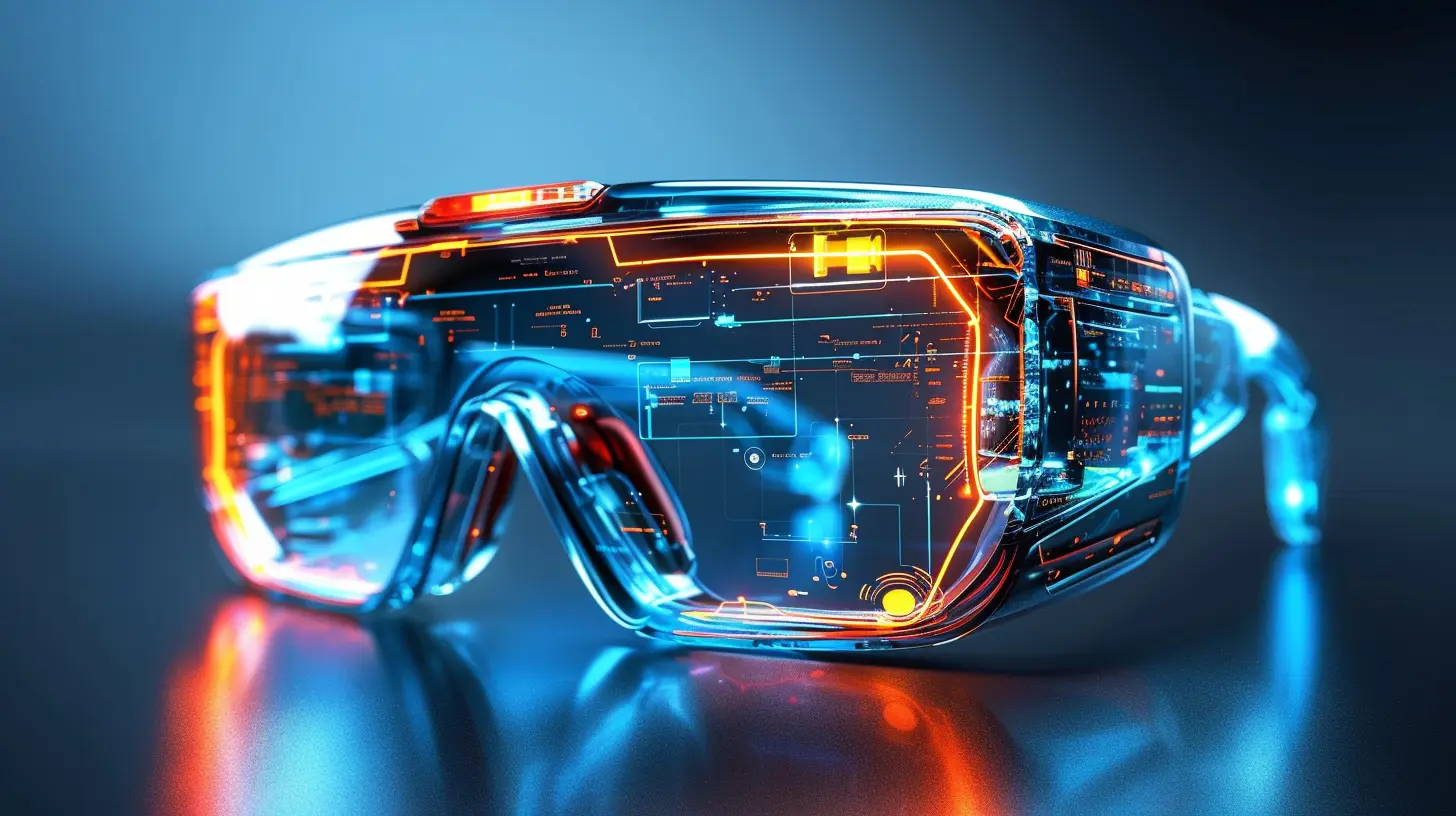
Challenges Ahead
While the potential for AR glasses in the social media space is enormous, there are also significant challenges that need to be overcome.1. Hardware Limitations
Current AR glasses are still bulky, expensive, and have limited battery life. For widespread adoption, the devices need to become more affordable, comfortable, and user-friendly. This is something tech companies are actively working on, but it may take some time before AR glasses are as ubiquitous as smartphones.2. Software Development
Creating seamless AR experiences requires sophisticated software and a ton of computational power. Social media platforms will need to invest heavily in developing new tools and algorithms to ensure that AR content is smooth, engaging, and easy to create.3. User Adoption
As with any new technology, user adoption is always a challenge. AR glasses need to offer enough value to justify their cost and convince people to use them regularly. While early adopters will likely be tech enthusiasts, mainstream adoption could be slower, especially if the technology is seen as a novelty rather than a necessity.Conclusion: The New Frontier of Social Media
AR glasses are poised to change the way we interact with social media in profound ways. From creating immersive content to fostering real-time virtual interactions, AR offers endless possibilities for enhancing our digital lives. However, there are also significant hurdles to overcome, including hardware limitations, privacy concerns, and software development.While we’re still in the early stages of this technological shift, one thing is clear: AR glasses could be the next evolution in social media interaction, making our online experiences more immersive, personalized, and engaging than ever before.
The future is bright—and it’s wearing AR glasses.
all images in this post were generated using AI tools
Category:
Ar GlassesAuthor:

Jerry Graham
Discussion
rate this article
2 comments
Sara Mullen
Exciting times ahead! Can't wait to see AR in action!
March 9, 2026 at 2:00 PM
Jerry Graham
Absolutely! The potential for AR to enhance social media interaction is truly thrilling. Stay tuned!
Dakota Luna
Great insights on AR glasses and their potential impact on social media! It's fascinating to consider how this technology could enhance connections and interactions in our digital lives. Looking forward to seeing how these innovations shape our social experiences in the future. Keep up the excellent work!
March 2, 2026 at 4:39 AM
Jerry Graham
Thank you so much for your thoughtful comment! I'm excited about the potential of AR glasses to transform social media interactions as well. Stay tuned for more insights!