Are Budget VR Headsets Worth It? The Pros and Cons
13 July 2026
Virtual Reality (VR) sounds like some space-age tech from a sci-fi movie, right? Suddenly, you're not just playing a game—you’re inside it. But if you’ve been peeking at the price tags on some of these high-end VR headsets, your wallet might’ve already started sweating. With premium headsets easily crossing the $500 mark (and that's before you even get to the powerful PC you may need), it’s no surprise that budget VR headsets are catching eyes.
But here's the million-dollar—or should we say hundred-dollar—question: Are budget VR headsets worth it? Let’s break it down and find out if these affordable gadgets are a steal or if they’re just cheap knockoffs trying to ride the VR wave.
What Exactly Is a Budget VR Headset?
Let’s start with the basics. A budget VR headset typically costs under $300. Some are as low as $50 (yep, really). We're talking about devices like the Meta Quest 2 (arguably the king of affordable VR), standalone options like Pico 4, smartphone-based headsets like Google Cardboard, and low-cost PC-tethered headsets like the older Oculus Rift S or Windows Mixed Reality headsets.They’re designed to be entry-level. Think of them like the VR equivalent of a starter guitar—good enough to get your feet wet, but probably not something you’d use to record a platinum album.
The Pros of Budget VR Headsets
Okay, let’s give credit where credit is due. Budget VR headsets might not be dripping with top-tier features, but that doesn’t mean they’re not worth a second look. Here’s why they might deserve a spot on your tech shelf:1. Wallet-Friendly Prices
Obvious? Yes. Worth mentioning? Also yes.If you've ever dreamt of diving into the VR world but your bank account politely declined, budget VR headsets are your ticket in. They're significantly cheaper than high-end models like the Valve Index or Meta Quest Pro, which can cost as much as a new laptop.
For casual gamers, curious techies, or folks just wanting to see what the VR fuss is about, these headsets can provide a solid experience without maxing out your credit card.
2. Accessible for Beginners
Not everyone needs (or wants) all the bells and whistles. If you're not looking to develop VR games or engage in hyper-realistic simulations, a budget option might be perfect. These headsets offer a taste of VR without needing an advanced degree—or a beastly gaming PC to run them.Some, like the Meta Quest 2, are even standalone, meaning you don’t need to connect to a console or PC. It’s as close to plug-and-play as VR gets.
3. Portability and Convenience
Many budget VR headsets are surprisingly lightweight and easy to set up. Smartphone-based models like the Samsung Gear VR or Google Cardboard might be primitive by today’s standards, but they’re ultra-portable. Just pop your phone in and you’re off to the races (or flying through space, or exploring alien worlds—whatever floats your boat).Standalone headsets also shine here. They’re wireless, self-contained, and don’t require external sensors. You can take them anywhere and use them without turning your room into a futuristic tech lab.
4. Casual Fun and Entertainment
Let’s be honest—most of us aren’t buying a VR headset to simulate neurosurgery. We're in it for the games, the wacky experiences, and the pure novelty of looking around in a 360-degree digital world. Budget VR delivers just enough to have fun.You can watch movies in a virtual theater, explore Google Earth in 3D, or play light VR games without breaking a sweat (or the bank).
The Cons of Budget VR Headsets
Now, here's where things get a bit sticky. Cheap isn’t always cheerful. And while budget VR headsets have their upsides, they definitely come with some trade-offs. Let’s talk red flags.1. Lower Visual Fidelity
If crystal-clear visuals and buttery-smooth frame rates are what you’re after, a budget VR headset might disappoint. Many cheaper headsets offer lower resolution displays, meaning you might deal with the "screen-door effect" (where the spaces between pixels become annoyingly visible).It’s like watching a movie through a mesh window—still fun, just not immersive.
2. Limited Tracking and Motion Controls
High-end VR systems offer full 6DoF (six degrees of freedom) with super-precise motion tracking. You can duck, dodge, jump, and spin like a caffeinated ninja, and the system keeps up flawlessly.Budget versions? Not so much. Some only offer 3DoF, meaning they track where you look but not where you move. Others lack external sensors, which can result in laggy or inaccurate movement tracking—especially in action games.
3. Weaker Processing Power
Standalone headsets run on mobile processors. Think of them as powerful phones strapped to your face, rather than full-fledged gaming rigs. As a result, the games and apps they run are usually less graphically intense and may not support advanced features like dynamic lighting or complex physics.PC-tethered budget options can be a bit better, but you're still limited by the specs of both the headset and your computer.
4. Smaller Game Libraries or Ecosystem Limitations
Cheap VR headsets often come with strings attached—namely, limitations on what you can play. Smartphone VR options are mostly dead (RIP Google Daydream), and other budget headsets might only support specific platforms.While something like the Quest 2 gives you decent access to a variety of games, older or lesser-known headsets can leave you stuck with a shallow or outdated content library.
5. Comfort Issues During Long Use
Cheaper headsets might be light on your wallet, but they can also be light on comfort. Let's face it, wearing a chunk of plastic on your head for 30+ minutes isn't exactly a spa treatment. Budget headsets may lack proper padding, adjustability, and weight distribution.If you're planning on using VR for workout games or extended play sessions, your face might not thank you.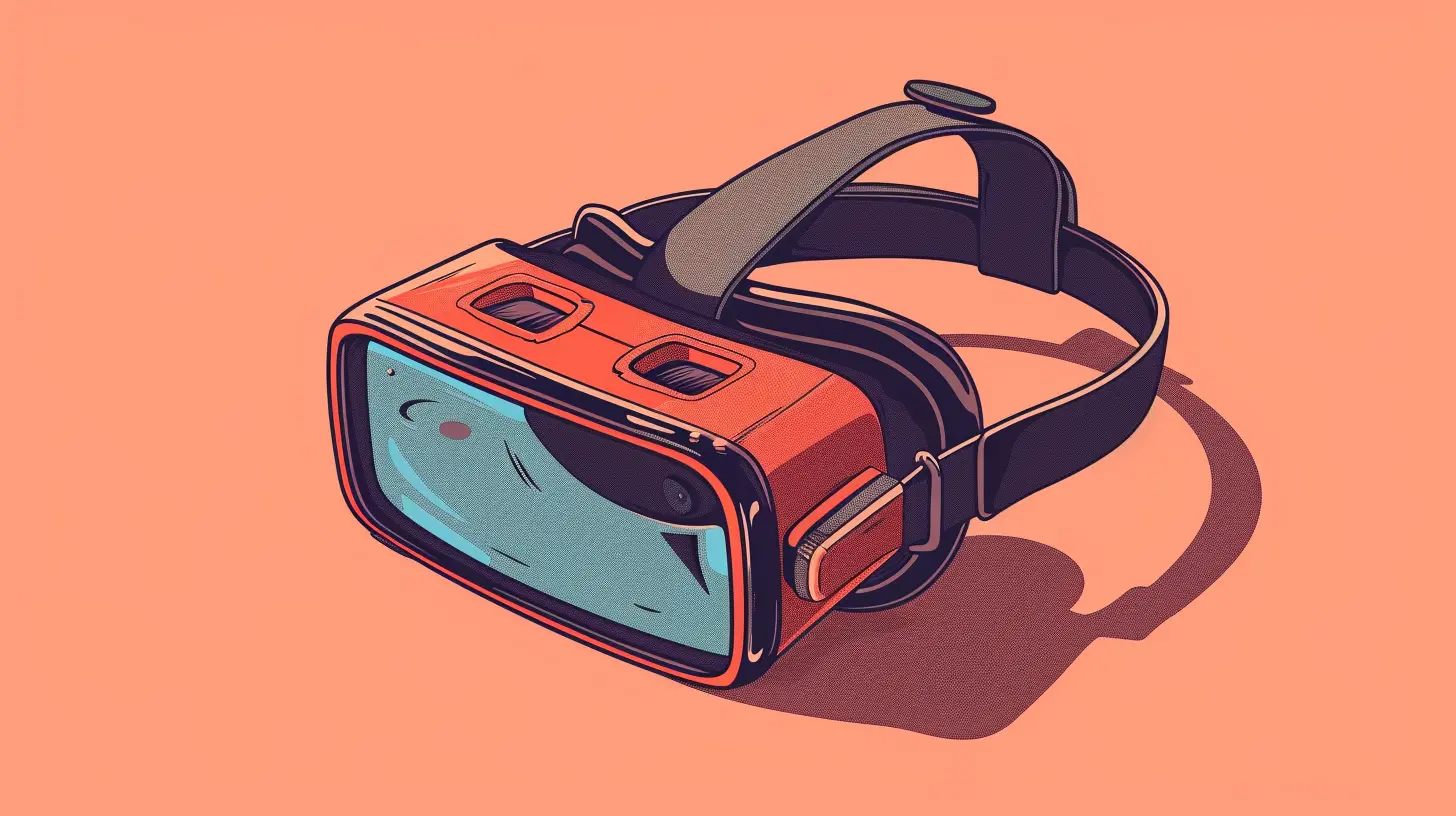
So… Are Budget VR Headsets Worth It?
Here’s where we stop dancing around and give you the real talk. Yes, budget VR headsets can absolutely be worth it—depending on your expectations.If you're a casual gamer, a tech-curious beginner, or someone looking for affordable entertainment options, budget VR offers a nicely balanced starting point. You’ll get a taste of what VR can do without needing to sell a kidney.
On the other hand, if you’re craving AAA-level immersion, ultra-high resolutions, and top-tier tracking, then a budget headset is probably not your final destination. As the saying goes: you get what you pay for.
Think of it like buying a bike: if you’re just learning to ride or going on casual weekend rides, a simple one-speed cruiser gets the job done. But if you're training for the Tour de France, you’re gonna want carbon fiber and high-performance everything.
Who Should Consider Buying a Budget VR Headset?
Let’s break it down by user types:- First-time VR users: Perfect for testing the waters.
- Families and kids: Affordable fun without big investment.
- Travelers and on-the-go types: Lightweight and portable.
- Casual gamers: Great for titles like Beat Saber, Superhot, or VR Chat.
- Fitness enthusiasts: Some budget headsets are awesome for home workouts!
Tips for Choosing a Budget VR Headset
Thinking of diving in? Here are some pointers to help you make the right choice:1. Go Standalone if Possible – Meta Quest 2 is the current champ in this space.
2. Check the Display Resolution – Aim for 1832×1920 per eye or higher, if possible.
3. Look at Controller Quality – Poor tracking can ruin immersion.
4. Check App Store and Game Support – What can you actually do with it?
5. Comfort Matters – Try one on if you can, or read reviews about fit and feel.
The Verdict: Experience Over Perfection
VR is one of those technologies that’s hard to explain—it really has to be felt. And for that reason alone, budget VR headsets have tons of value. They invite more people to experience the virtual world, even if it’s through slightly foggy goggles.They’re not perfect, sure. But they're fun, they're accessible, and they’re constantly improving. The boundary between budget and premium VR is getting thinner every year.
So if your expectations are in check, and you're not trying to pilot a spaceship in 4K with motion blur and ray tracing, then yes—budget VR headsets can totally be worth it.
Final Thoughts
It all comes down to what you want out of VR. Dreaming of hyper-realistic battle simulations that’ll make your jaw drop? You might need to save up for a high-end system. Want to slice through some beats, watch movies on a virtual beach, or explore 3D worlds for fun? A budget headset can take you pretty far.Whatever your choice, just remember this—VR is about experience, not specs. And sometimes, the best experiences come from the simplest setups.
all images in this post were generated using AI tools
Category:
Vr HeadsetsAuthor:

Jerry Graham
Discussion
rate this article
1 comments
Pandora Summers
Great article! It's refreshing to see a balanced view on budget VR headsets. They offer incredible value, but it's important to weigh the pros and cons before diving in.
July 14, 2026 at 4:41 AM
Jerry Graham
Thanks for your thoughtful comment! I'm glad you found the article helpful. Balancing value and considerations is key when choosing budget VR headsets.