Augmented Reality: Enhancing E-Commerce Experiences
17 May 2026
Let’s face it—online shopping is super convenient, but at times, it can feel like a gamble. Ever ordered something that looked perfect on a website but turned out completely different in real life? Maybe that couch didn’t fit your living room, or those sunglasses were just… not it. You're not alone.
This disconnect between the virtual and physical world is exactly where Augmented Reality (AR) steps in and saves the day. AR isn't just some futuristic tech from sci-fi movies anymore. It's becoming a major game-changer in the world of e-commerce—reshaping how we browse, try, and buy products online.
Whether you're a business owner, a tech enthusiast, or just someone who loves online shopping, keep reading. We’re diving deep into how AR is transforming e-commerce experiences—for the better.
What is Augmented Reality (AR), Really?
Alright, before we get into the juicy stuff, let’s clear up what AR actually is.Augmented Reality overlays digital content—like images, sounds, or other data—onto the real world using smartphones, tablets, AR glasses, or other devices. Unlike Virtual Reality (VR), which totally immerses you in a computer-generated environment, AR enhances your real-world surroundings with digital elements.
Think of Pokémon GO—or Snapchat filters. That’s AR in action. But nowadays, it’s doing a lot more than just putting bunny ears on your selfies.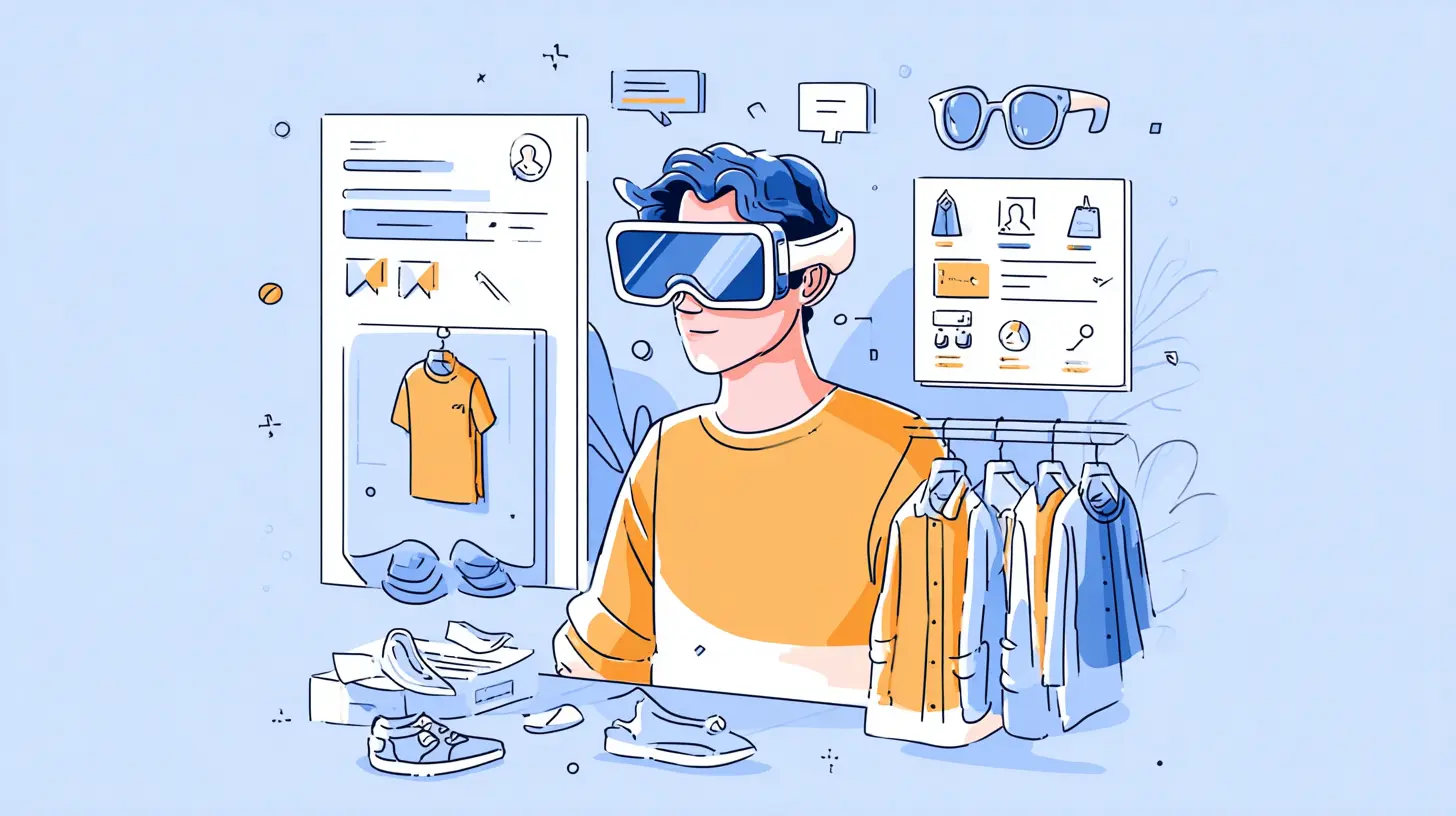
Why E-Commerce Needs AR
Online shopping has exploded in the past decade. It’s convenient, fast, and often cheaper. But one major limitation has always been the inability to physically interact with products.Let’s be real—customers love to see, touch, and try things before buying. But when that’s not possible, doubts creep in. And doubts? They kill conversion rates.
Here’s where AR comes in as the superhero.
With AR, shoppers can:
- Visualize furniture in their homes before buying.
- Try on makeup or glasses virtually.
- Check how a pair of shoes looks on their feet—without visiting a store.
And brands? They get happier customers, fewer returns, and higher engagement. It’s a win-win.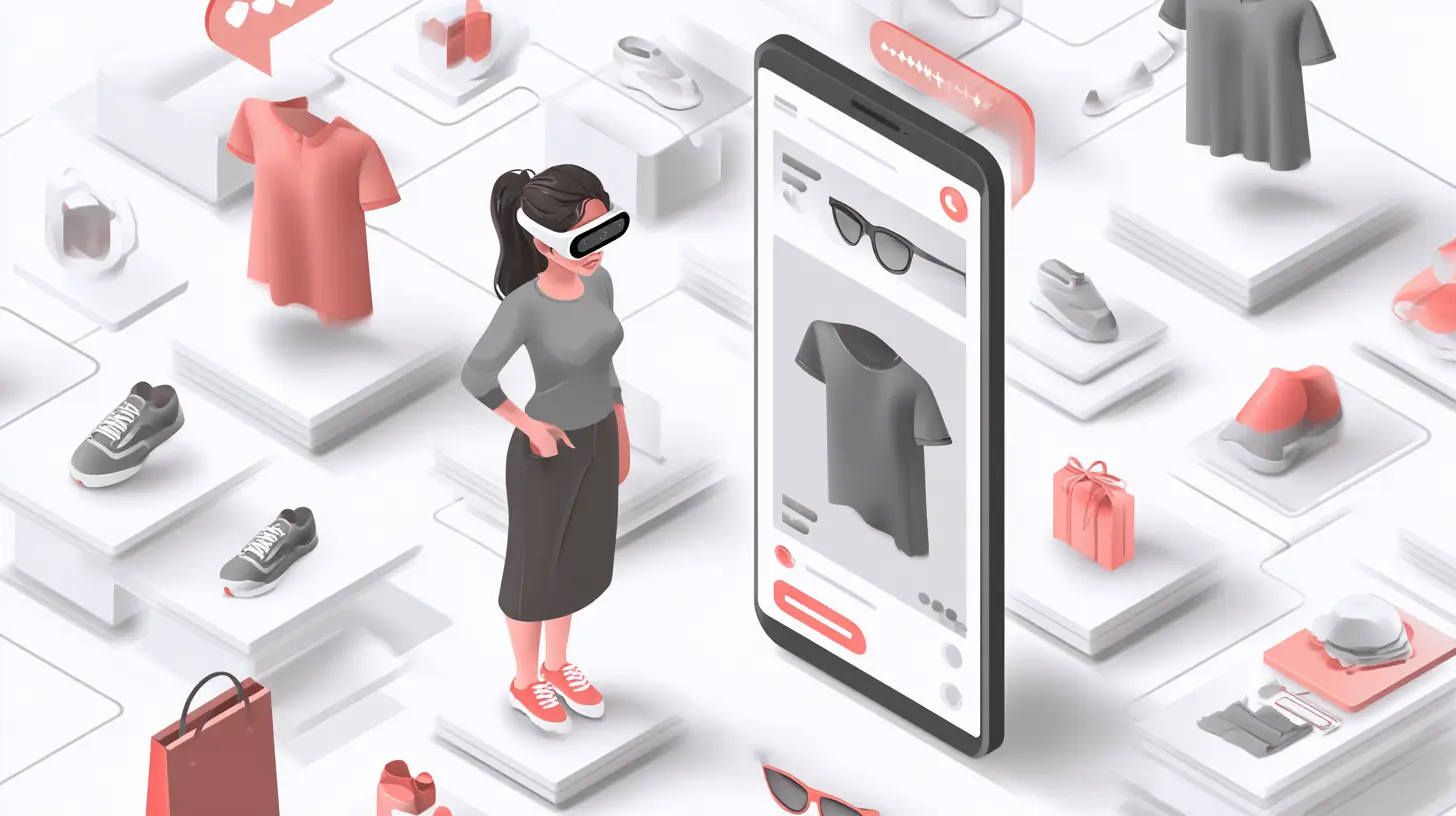
How AR is Transforming the E-Commerce Landscape
1. Try Before You Buy — Virtually
Remember the last time you wished you could see how a jacket or lipstick would look on you? Now you can.AR-powered virtual try-on tools are gaining traction across fashion, beauty, and accessories. Think of it like a digital dressing room, right on your phone.
- Sephora’s Virtual Artist lets you test different makeup shades.
- Warby Parker’s app shows how glasses look on your face.
- Nike uses AR for foot scanning to help customers find the perfect fit.
This kind of interactivity builds trust—and who doesn’t feel more confident in a purchase when they've seen it on themselves?
2. Visualizing Products in Real Environments
Furniture, home décor, appliances—these aren’t impulse buys. Shoppers want to make sure they fit both in size and style.Enter AR product visualization tools.
IKEA Place is a classic example. You scan your room, select a piece of furniture, and boom—see how that armchair looks in your living room in real time. It’s like interior design without the heavy lifting.
Amazon, Home Depot, and even Wayfair have followed suit. This AR magic helps eliminate the guesswork—and the hassle of returns.
3. Bridging the Touch-and-Feel Gap
One of the biggest cons of online shopping? You can’t touch the product. You can’t feel the texture, check the quality, or see how the color looks in natural light.AR doesn’t solve this completely—but it narrows the gap.
By offering 3D, interactive models of products, customers get a clearer, more immersive view. Zoom in, rotate it, check every angle—it’s the next closest thing to actually holding it.
This builds confidence, especially for big-ticket items or tech gadgets where specs alone don’t tell the whole story.
4. Personalized Shopping Experiences
When you walk into a boutique, a salesperson might guide you, suggest items, or help with sizes. AR is now bringing that personalized touch to the digital realm.Some e-commerce stores offer tailored AR experiences based on customer data. Think recommendations, size adjustments, or interactive guides—all happening in real time.
It’s like having your own digital shopping assistant, available 24/7.
The Business Side: Benefits of AR for E-Commerce Brands
Now, let’s flip the script. How does AR benefit businesses?Reduced Return Rates
A huge chunk of online orders end up being returned—mainly because the product didn't meet customer expectations.With AR, customers get a much better idea of what they’re buying. That means fewer surprises, fewer regrets, and yup—fewer returns.
Higher Engagement & Time on Site
AR features are engaging AF. They’re fun, interactive, and keep users on your site longer.And guess what? The longer they stick around, the more likely they are to make a purchase.
Boost in Conversion Rates
When customers can virtually try before they buy or see products in their space, they're way more likely to hit that "add to cart" button.According to some studies, AR can increase conversion rates by up to 40%. Not too shabby, right?
Competitive Advantage
Let’s be honest—the online retail space is crowded. AR gives brands a tech-savvy edge, making them stand out from the competition.Early adopters are already reaping the benefits, while others are playing catch-up.
Challenges to Keep in Mind
As amazing as it sounds, AR in e-commerce isn’t all sunshine and roses. There are a few bumps in the road.Tech Barriers
Not everyone has access to the latest devices or fast internet speeds. For AR to work smoothly, users need compatible hardware and software.Development Costs
Creating AR experiences isn’t cheap. It takes time, money, and expertise. For small businesses, this could be a roadblock.User Adoption
Let’s face it—some users aren’t tech-savvy. If the AR experience isn’t intuitive, they might skip it altogether.The key? Keep it simple, user-friendly, and mobile-optimized.
The Future of AR in E-Commerce
So, where is this all heading?Good news: AR is only going to get better.
- 5G and faster internet will make AR experiences seamless and real-time.
- AI and machine learning will personalize AR interactions like never before.
- Wearables like AR glasses could take the experience off the screen and into your field of view.
Imagine walking down the street, looking at a store's window, and seeing AR-generated reviews, prices, and deals float above the products. That future? It’s not so far off.
Real Talk: Is AR Worth It for Your E-Commerce Store?
In one word? Absolutely.Whether you're a solo entrepreneur with an online boutique or a large retail brand, AR can supercharge your customer experience. Yes, it requires investment—but the ROI is real.
By merging the benefits of physical shopping with online convenience, AR offers the best of both worlds—and customers love it.
So, if you're looking to stand out in a crowded marketplace, build trust, and boost sales, it might just be time to embrace the AR wave.
Final Thoughts
AR isn’t just a flashy add-on. It's a powerful tool that’s shaping the future of how we shop online. It bridges the gap between browsing and buying, adding a touch of reality to the virtual world.And let’s be honest—who wouldn’t want to try on a new outfit, place a couch in their living room, or test a lipstick shade, all with just a few taps on their screen?
The e-commerce space is evolving fast. If you’re not thinking about AR yet, you might already be a step behind.
all images in this post were generated using AI tools
Category:
E CommerceAuthor:

Jerry Graham
Discussion
rate this article
2 comments
Simone McCray
What if the items we buy aren't just seen but truly experienced before purchase? Augmented reality could unlock a new reality for online shopping... Are we ready?
July 13, 2026 at 3:15 AM
Jerry Graham
That's an intriguing thought! If we can truly experience products through augmented reality, it could revolutionize online shopping and make decisions much easier for consumers. We're getting there, but the technology still needs refinement.
Orionyx Huffman
Augmented reality is reshaping shopping! Can't wait to see how it makes online buying even more fun...
May 20, 2026 at 3:53 AM
Jerry Graham
I completely agree! Augmented reality is set to transform online shopping into an immersive experience, making it both fun and practical. Exciting times ahead!