Can Virtual Influencers Drive E-Commerce Sales by 2027?
5 May 2026
Let's be real for a second. You've probably scrolled past a perfectly airbrushed face on Instagram, only to realize two things: first, that person doesn't exist, and second, they're selling you a $300 skincare serum. Welcome to the world of virtual influencers. They're not real, but their bank accounts are. And by 2027, these digital darlings might just be the secret weapon that e-commerce brands have been waiting for. But can they actually drive sales, or are they just a flashy gimmick? Let's break it down without the fluff.

The Rise of the Unreal: Why Brands Are Betting Big on Pixels
Think of virtual influencers as the ultimate shape-shifters. They don't age. They don't get tired. They don't scandalize you with a late-night tweet. And they definitely don't demand a trailer full of organic snacks. For e-commerce, that's gold. Brands like Puma, Balenciaga, and even Samsung have already dipped their toes into this pixelated pool. The reason? Control. You can script a virtual influencer's every move, ensuring they never accidentally endorse a competitor or post something cringe.But here's the kicker: by 2027, the technology will be cheaper and more accessible. Right now, creating a hyper-realistic virtual influencer like Lil Miquela costs a fortune in CGI and animation. But as AI tools like Unreal Engine's MetaHuman and generative AI platforms evolve, even small e-commerce stores will be able to whip up a digital brand ambassador for a fraction of the cost. Imagine a boutique shoe brand creating a virtual "spokesperson" that can model 50 different sneakers in 50 different settings, all without a single photoshoot. That's not sci-fi. That's next year's Q4 strategy.
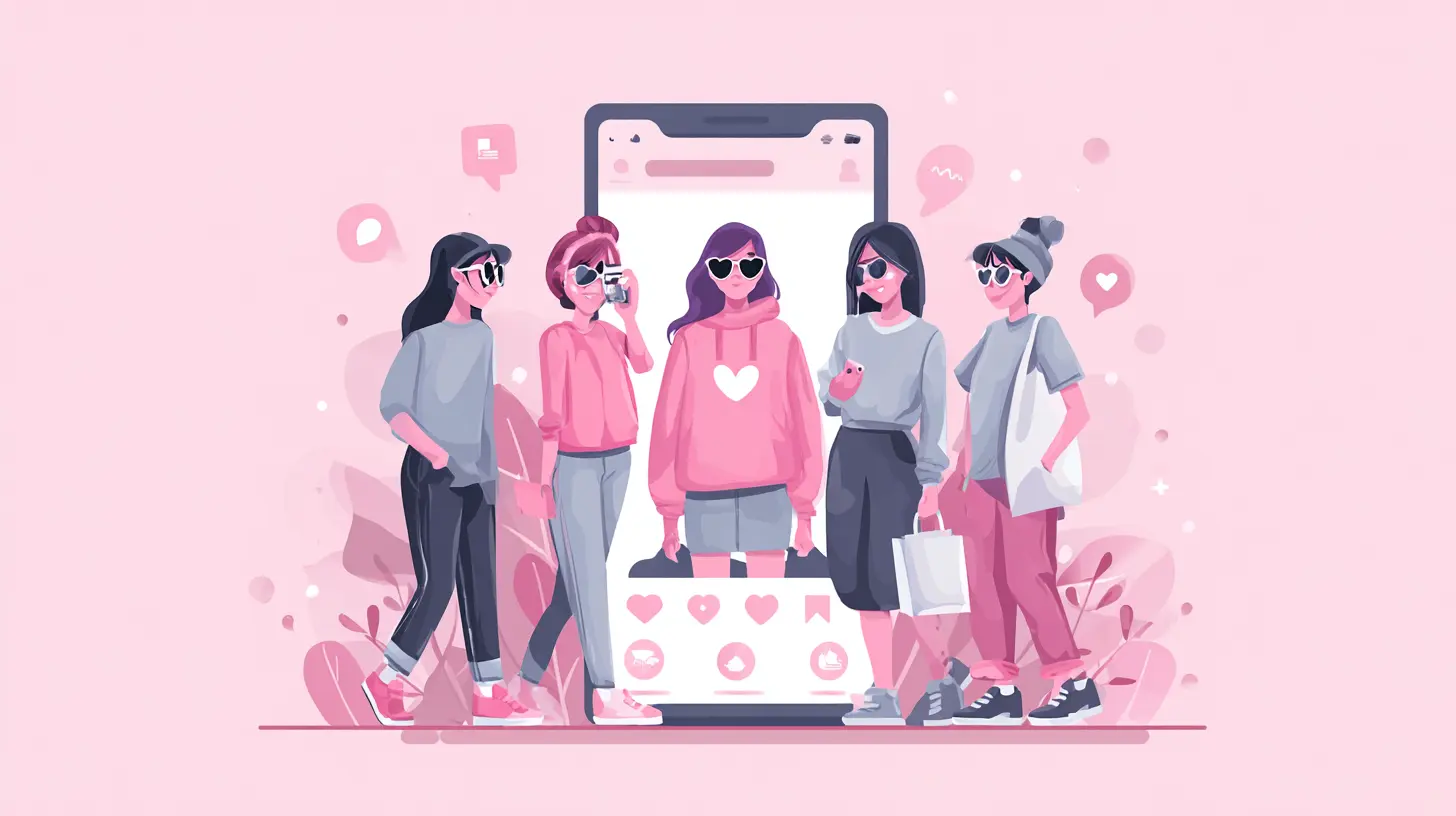
The Trust Problem: Can We Buy From Someone Who Isn't Real?
Here's where it gets sticky. Humans are wired to trust other humans. We buy from people we like, relate to, or aspire to be. A virtual influencer is, by definition, a fabrication. So how do you get someone to hand over their credit card to a digital puppet?The answer lies in the uncanny valley-and how you bridge it. Virtual influencers that look too perfect often feel creepy. But those with a bit of grit, like the slightly flawed, relatable avatars, actually perform better. Take Barbie, for example. She's been a plastic icon for decades, and kids (and adults) buy her stuff without question. Virtual influencers work the same way: they're aspirational characters, not real people. By 2027, the audience will be even more accustomed to interacting with AI-driven personalities, from Snapchat's AI to customer service bots. Trust won't come from authenticity-it will come from consistency and entertainment value.
Think of it like this: you don't trust Mickey Mouse to give you financial advice, but you'll buy a Mickey Mouse T-shirt without hesitation. Virtual influencers are the same. They're mascots with a credit card reader. The trick is to make them feel like an old friend, not a walking billboard.

The Data-Driven Sales Machine: How Virtual Influencers Outperform Humans
Here's where the real magic happens. Virtual influencers are basically walking, talking data collectors. Every interaction they have with a user-every comment, like, or share-can be fed back into an e-commerce engine to optimize sales. By 2027, this will be seamless.Imagine a virtual influencer named "Ava" who promotes a line of sustainable sneakers. She posts a video, and the AI behind her tracks which colorway gets the most engagement. Within minutes, the e-commerce site adjusts its homepage to feature that exact sneaker. She can even answer questions in real-time, like "Are these true to size?" without needing a human CSR. That's not just efficient-it's a conversion machine.
Compare that to a human influencer. They might take days to reply to comments, and they can't be in two places at once. A virtual influencer can host a live stream on TikTok, chat with 10,000 viewers simultaneously, and drop links to a checkout page, all while maintaining a perfect smile. No bathroom breaks. No bad angles. No off days.
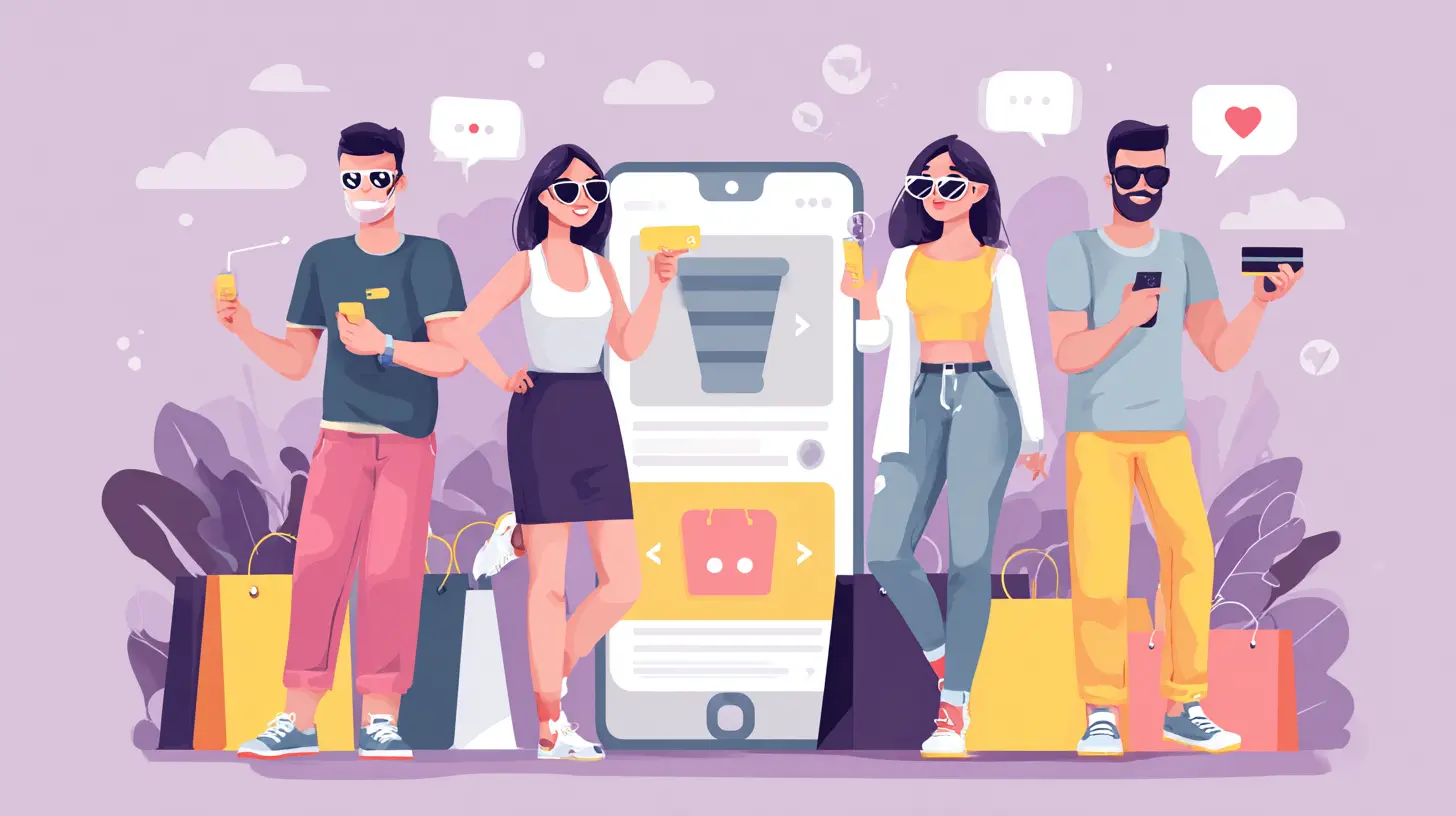
The Cost Equation: Cheaper Than a Kardashian, More Effective Than a Billboard
Let's talk money. A single post from a top-tier human influencer can cost anywhere from $10,000 to $500,000. And you're never sure if the ROI will materialize. Virtual influencers, once created, cost almost nothing to maintain. By 2027, the upfront cost of designing a high-quality avatar will drop significantly, thanks to AI-generated models and motion capture tech.But here's the real kicker: virtual influencers don't have to play by the same rules as humans. They can be in 20 different campaigns simultaneously, across 20 different platforms, without breaking a sweat. They can also be updated instantly. If a product changes color, the virtual influencer's outfit changes in seconds. No reshoot. No delay. For e-commerce, that speed is a superpower.
The Psychological Angle: Why We Buy From Avatars
You might be thinking, "But I'm not going to buy a couch from a computer-generated person." And you're right-at least not yet. But the psychology of virtual influencers is already shifting. Studies show that younger generations (Gen Z and Gen Alpha) are more comfortable with digital relationships. They've grown up with video game avatars, social media filters, and AI chatbots. To them, interacting with a virtual influencer feels as natural as texting a friend.By 2027, this comfort level will be the norm. The average shopper will have already bought something from a virtual try-on tool (like Warby Parker's glasses) or a digital avatar in a game (like Fortnite skins). The leap from "I bought a digital outfit for my character" to "I bought a real jacket from a virtual influencer" is tiny. It's just a matter of bridging the gap between the digital and physical worlds.
The Dark Side: Can Virtual Influencers Kill Trust?
Let's not sugarcoat it. There are risks. If a virtual influencer promotes a product that fails, the backlash can be brutal. But unlike a human influencer, you can't fire a virtual one. You'd have to delete the character entirely, which could be costly and confusing to the audience.There's also the issue of disclosure. In many countries, virtual influencers must be labeled as "AI-generated" or "fictional." If a consumer feels deceived, they'll click away faster than you can say "influencer marketing." By 2027, regulations will likely be stricter. Brands that try to pass off a virtual influencer as human will face fines and PR disasters. The smart play? Be transparent. Own the fact that your spokesperson is a digital creation. It can even become a selling point-a badge of innovation.
Real-World Examples: Who's Already Winning?
Let's look at a few case studies that hint at what 2027 will look like.- Lil Miquela: She's the OG, with over 2.5 million followers. She's modeled for Prada, Calvin Klein, and even released music. Her secret? She's not just a sales tool-she's a character with a backstory. People follow her for the drama, not just the products. That engagement translates to sales.
- Imma (Japan): A virtual influencer who looks so real she's been featured in Japanese TV ads for KFC and Amazon. Her success shows that cultural context matters. In Japan, virtual idols have been accepted for decades (think Hatsune Miku). By 2027, this acceptance will spread globally.
- Aitana Lopez: Created by a Spanish agency, she's a fitness influencer who posts workout tips and promotes supplements. Her audience is highly targeted, and her conversion rates are reportedly higher than human influencers in the same niche. Why? Because she never gets injured, never skips a workout, and always looks camera-ready.
The Tech Stack: What Makes Virtual Influencers Tick by 2027?
By 2027, the technology will be almost invisible. Here's what the stack looks like:- Generative AI: Tools like Midjourney or DALL-E will create hyper-realistic faces and outfits in seconds.
- Real-time Rendering: Engines like Unreal Engine 5 will allow virtual influencers to interact in live video feeds, not just pre-rendered clips.
- Natural Language Processing: Chatbots like GPT-4 (or its successor) will let virtual influencers hold genuine conversations, answer product questions, and even tell jokes.
- Augmented Reality: Virtual influencers will pop up in your living room via AR glasses, showing you how a couch looks in your space.
This stack means that by 2027, a small e-commerce brand could have a virtual influencer that chats with customers, models products, and even handles returns-all without a single human employee.
The E-Commerce Integration: From Post to Purchase in One Click
The real game-changer will be how virtual influencers integrate directly with e-commerce platforms. By 2027, expect to see "shoppable" virtual influencers. Imagine watching a video of a virtual influencer wearing a jacket, and with a tap, you're on a product page. No link in bio. No browser redirect. Just pure frictionless commerce.This is already happening on platforms like Instagram and TikTok, where "shoppable" posts are common. Virtual influencers will take it a step further: they'll be able to show you 360-degree views, suggest complementary items, and even upsell based on your browsing history. It's like having a personal shopper who never sleeps.
The Human Element: Why We Still Need Real People
Before you fire your entire marketing team and replace them with CGI, remember this: virtual influencers can't replace genuine human connection. They can't laugh at a customer's joke or empathize with a bad day. They're tools, not replacements.By 2027, the most successful e-commerce brands will use a hybrid model. Virtual influencers handle the heavy lifting-24/7 engagement, product showcases, and data collection. Human influencers provide the emotional depth, the storytelling, and the trust-building. Think of it as a tag team. The virtual influencer sets the stage, and the human influencer closes the sale.
The Verdict: Will Virtual Influencers Drive E-Commerce Sales by 2027?
Short answer? Yes. But not in the way you think. They won't replace all human influencers overnight. Instead, they'll become a standard tool in the e-commerce toolkit-like email marketing or SEO. By 2027, most brands will have at least one virtual influencer in their roster, especially for product launches, seasonal campaigns, or niche audiences.The key is to start small. Don't try to create the next Lil Miquela overnight. Instead, test the waters with a simple virtual character for a single product line. Track the data. See if it converts. By 2027, the brands that experiment now will be the ones laughing all the way to the bank.
all images in this post were generated using AI tools
Category:
E Commerce TechnologyAuthor:

Jerry Graham
Discussion
rate this article
2 comments
Paris Blevins
Virtual influencers are reshaping e-commerce, blending entertainment with marketing. As technology advances, their ability to engage consumers and build trust could significantly boost sales by 2027. It's a trend worth monitoring closely.
June 12, 2026 at 2:24 AM
Jerry Graham
Absolutely, the rise of virtual influencers is a game changer. Their unique blend of entertainment and marketing has the potential to redefine consumer engagement and drive significant sales growth in e-commerce by 2027.
Caelestis McQuaid
It's fascinating to consider how virtual influencers might reshape e-commerce in the coming years. The blend of technology and connection could create new avenues for both brands and consumers. It's essential to approach this evolution with an open mind while being mindful of the human touch that builds genuine relationships.
May 11, 2026 at 2:55 AM
Jerry Graham
You're right. The potential for virtual influencers to transform e-commerce is exciting. Balancing innovation with authentic connections will be key to success.