Exploring the Ethical Dilemmas of Artificial Intelligence
24 June 2026
Artificial Intelligence (AI) has been transforming our world at lightning speed. From self-driving cars to smart assistants like Alexa and Siri, it’s no longer something out of science fiction. But as AI becomes more woven into the fabric of our lives, it brings a basketful of ethical questions we can't afford to ignore.
You might be thinking, “Isn’t AI supposed to make life easier?” Absolutely. But with great power comes even greater responsibility. As AI continues to evolve, so too must our understanding of the moral implications surrounding it.
Let’s dive into the complex, sometimes uncomfortable, world of AI ethics and see where we stand. Buckle up—it’s going to be a thought-provoking ride.
What Are Ethical Dilemmas in AI?
Before we get ahead of ourselves, let’s break down what we mean by “ethical dilemmas” in AI.In simple terms, it’s about the moral grey areas that pop up when machines start making decisions that affect human lives—yes, actual people, like you and me.
Think of it like raising a super-intelligent child. If that child starts to decide who gets a loan, who gets hired, or even who gets flagged by law enforcement—shouldn’t we pause and ask, “Is this the right thing to do?”
AI isn’t inherently good or bad. It reflects the intentions, biases, and data of the humans who create it. And therein lies the rub.
Bias in the Machine: The Unseen Villain
Let’s talk about bias. And no, not the kind where your friend always picks their favorite football team to win. We're talking about algorithmic bias that can lead to discrimination.How does that even happen?
Well, AI algorithms are trained on data—and that data usually comes from the real world, which is messy and full of prejudice. If a hiring algorithm is trained on past hiring decisions that favored one gender over another, guess what? That bias gets baked into the code. It's like teaching a parrot to repeat only the biased things it hears.
Unfortunately, the impact of this isn't just academic. People can be denied jobs, healthcare, or justice, all because an AI system was "just following the data."
So, who’s responsible here? The data scientists? The developers? The company using the AI?
This is why ethical oversight is so essential.
The Question of Accountability: Who’s to Blame?
“One of our AI systems made a mistake.” Ever heard a company say that? It sounds suspiciously like when a child says, “The dog ate my homework.”Here’s the thing—when an AI makes a bad decision, pinning down responsibility gets tricky. Machines don’t have morals. They don’t feel guilt. They don’t even know they’ve messed up.
So, what happens when an autonomous vehicle causes an accident? Or a facial recognition system misidentifies someone?
Right now, there’s a global debate about how to create legal frameworks for AI accountability. Should developers carry the weight? Or should companies step up and ensure full transparency and fairness?
At the end of the day, someone’s got to be answerable. We can’t just let AI be the scapegoat.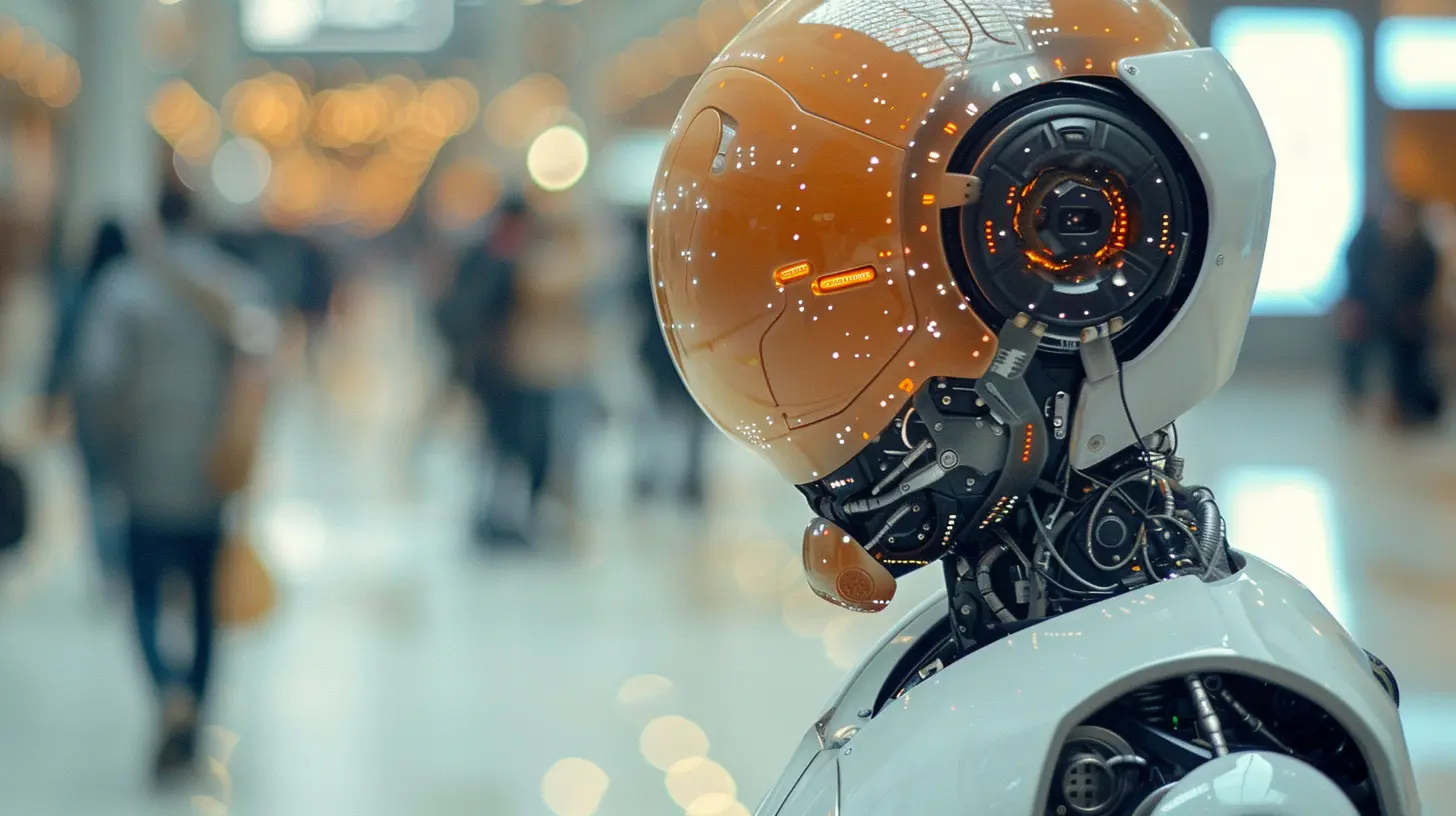
Privacy in the Age of Smart Everything
Let’s face it—we live in a world where our phones know more about us than our closest friends. AI plays a huge role in collecting, analyzing, and predicting personal data.From recommending what to watch next on Netflix to recognizing your face to unlock your phone, AI is constantly watching, learning, and adapting.
Sounds cool, until you realize how much of your personal life you’ve handed over to machines.
Where do we draw the line between convenience and intrusion? Is it okay for your virtual assistant to listen to everything you say—just so it can better serve you?
The ethical concern here is clear: How do we protect user privacy while still enjoying the benefits of AI-powered tools?
Job Displacement: Helping or Hurting the Workforce?
You’ve probably heard this one before: “AI is coming for your job.”And guess what? For some people, that fear is not unfounded. From manufacturing to customer service, automation is changing the employment landscape faster than most of us can keep up.
Yes, AI can increase efficiency and lower costs. But what about the people whose jobs become obsolete? Are we creating a smarter world at the expense of real human livelihoods?
The ethical question is whether society—and companies—have a responsibility to retrain and support workers who are displaced. Should we focus more on creating “human-AI collaboration” models instead of full-on replacement?
Because let’s be honest, a world where machines do everything sounds a little dystopian, doesn’t it?
Autonomy vs. Control: How Much Should We Let AI Decide?
Let’s talk about control.AI is often designed to make decisions without human intervention. That’s the whole point, right? Efficiency, speed, and accuracy.
But as these systems get more advanced, there’s a growing concern: Are we giving up too much control?
Do we really want AI making life-and-death decisions, like in military drones or medical diagnostics, without a human in the loop?
It’s the classic clash between autonomy and responsibility. Just because AI can make a decision, doesn’t mean it should. We need to ensure that humans can always step in, especially when the stakes are high.
Otherwise, we risk creating systems so powerful and independent that they become, quite literally, out of our hands.
Deepfakes and Misinformation: Truth or Trickery?
In a world where seeing is believing, deepfakes are a game-changer—and not in a good way.AI-generated videos that mimic real people saying or doing things they never actually said or did? That’s not just creepy—it’s dangerous.
These tools can be used to spread misinformation, manipulate politics, or even ruin reputations in seconds.
So what do we do? Should we ban the technology outright? Develop counter-tools to detect fakes? Or should we focus on educating the public?
This is a textbook ethical dilemma: balancing freedom of expression with the need to preserve truth.
The Black Box Problem: When AI Doesn’t Explain Itself
Imagine asking your GPS why it took you through an alley then just getting a shrug in return. That’s the “black box” issue in AI.Many AI models, especially deep learning ones, are so complex that even their creators can’t fully explain how they’ve arrived at a decision.
This raises a monstrous ethical challenge: If we can’t understand or verify an AI’s reasoning, how can we trust it?
Whether it’s diagnosing diseases or approving loans, people deserve explanations. Transparency isn’t just good practice—it’s a basic human right.
We need to push for explainable AI, systems that can show their work like a good student in math class.
Should AI Have Rights?
This one might sound a bit sci-fi, but stick with me.As AI gets more advanced, there’s been chatter about whether extremely intelligent systems should be given certain rights or protections. Kind of like robots in futuristic movies.
While it may seem far-fetched today, the ethical groundwork needs to be laid now. What happens when AI systems exhibit signs of self-awareness or consciousness?
We’re not there yet—but we’re inching closer.
And here’s the twist: Shouldn’t we first make sure humans have equal rights before debating if machines should?
Just food for thought.
Building Ethical AI: Where Do We Go From Here?
So, how do we build truly ethical AI systems?The good news is, it’s not all doom and gloom. There are organizations, researchers, and companies actively working on frameworks for responsible AI.
Here are a few principles that are gaining traction:
- Transparency: Being open about how algorithms work and what data they use.
- Fairness: Regular audits to ensure the AI isn’t discriminating.
- Accountability: Clear policies on who’s responsible when things go wrong.
- Privacy: Strong data protection and informed consent.
- Human-in-the-loop: Keeping people involved in critical decisions.
It’s a team effort that involves ethicists, engineers, policymakers, and yes—even users like you and me.
Final Thoughts: The Future Is Now
AI isn’t just a tool—it’s a reflection of our values, priorities, and vision for the future. As we continue to build smarter machines, we also need to build a smarter ethical compass.It’s not enough for AI to be efficient or even accurate. It needs to be fair. It needs to be explainable. It needs to be human-centered.
The ethical dilemmas of AI are real, and they’re not going away. But if we face them head-on, ask the hard questions, and make conscious choices—we can make sure that AI serves humanity, not the other way around.
So the next time you interact with an AI system, ask yourself: Who’s behind this? Is this fair? Is this right?
Because the future of AI isn’t just about technology—it’s about trust.
all images in this post were generated using AI tools
Category:
Artificial IntelligenceAuthor:

Jerry Graham
Discussion
rate this article
1 comments
Russell McCord
Great insights! The ethical challenges of AI really make us think deeply.
June 25, 2026 at 3:43 AM
Jerry Graham
Thank you! I'm glad you found the insights thought-provoking. It's a crucial conversation we need to have.