Exploring the Medical Applications of AR Glasses
22 January 2026
Imagine being in an operating room where doctors don't have to look away from the patient to review scans or instructions. Or think about a paramedic in an ambulance being guided in real-time by a remote specialist during a high-stakes emergency. Sounds futuristic? With Augmented Reality (AR) glasses, that future is already unfolding—right now.
AR technology is making big waves in healthcare, and AR glasses are a major part of that revolution. In this article, we're diving headfirst into the fascinating world of medical AR glasses, talking about what they are, how they work, and the ways they’re transforming everything from surgery to patient care.
Let’s break it down in simple, easy-to-digest chunks. Ready?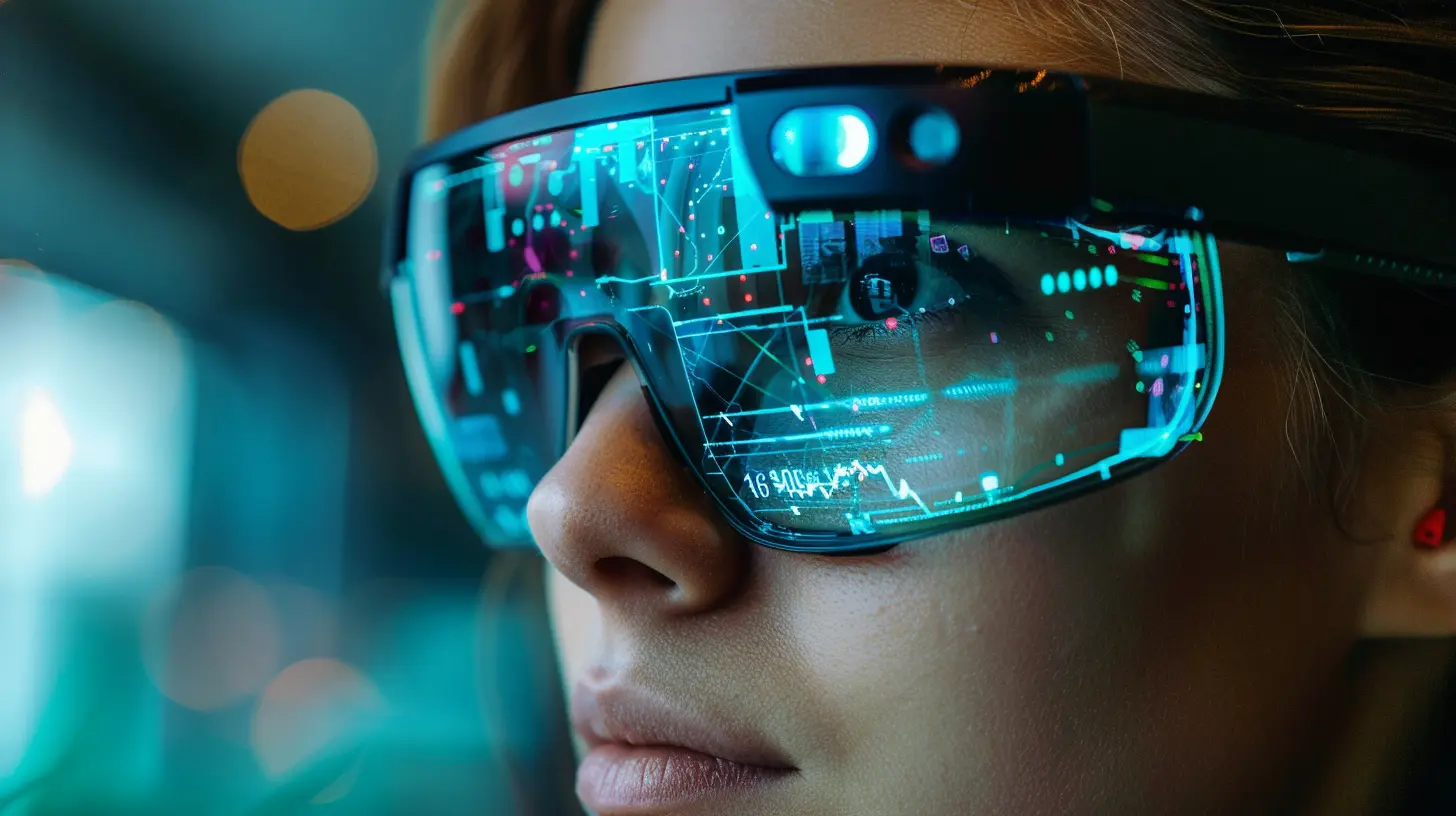
What Are AR Glasses Anyway?
Before we go any further, let’s make sure we’re on the same page. AR (Augmented Reality) glasses aren’t like your regular reading specs. These smart glasses overlay digital information onto the real world. Think of it like seeing the world as it is—but with bonus content floating in your field of view. Visual cues, data, 3D graphics—you name it.Unlike Virtual Reality (VR) that immerses you in a completely digital environment, AR augments your surroundings. That’s what makes it such a natural fit for healthcare: doctors still see the patient, but with added information.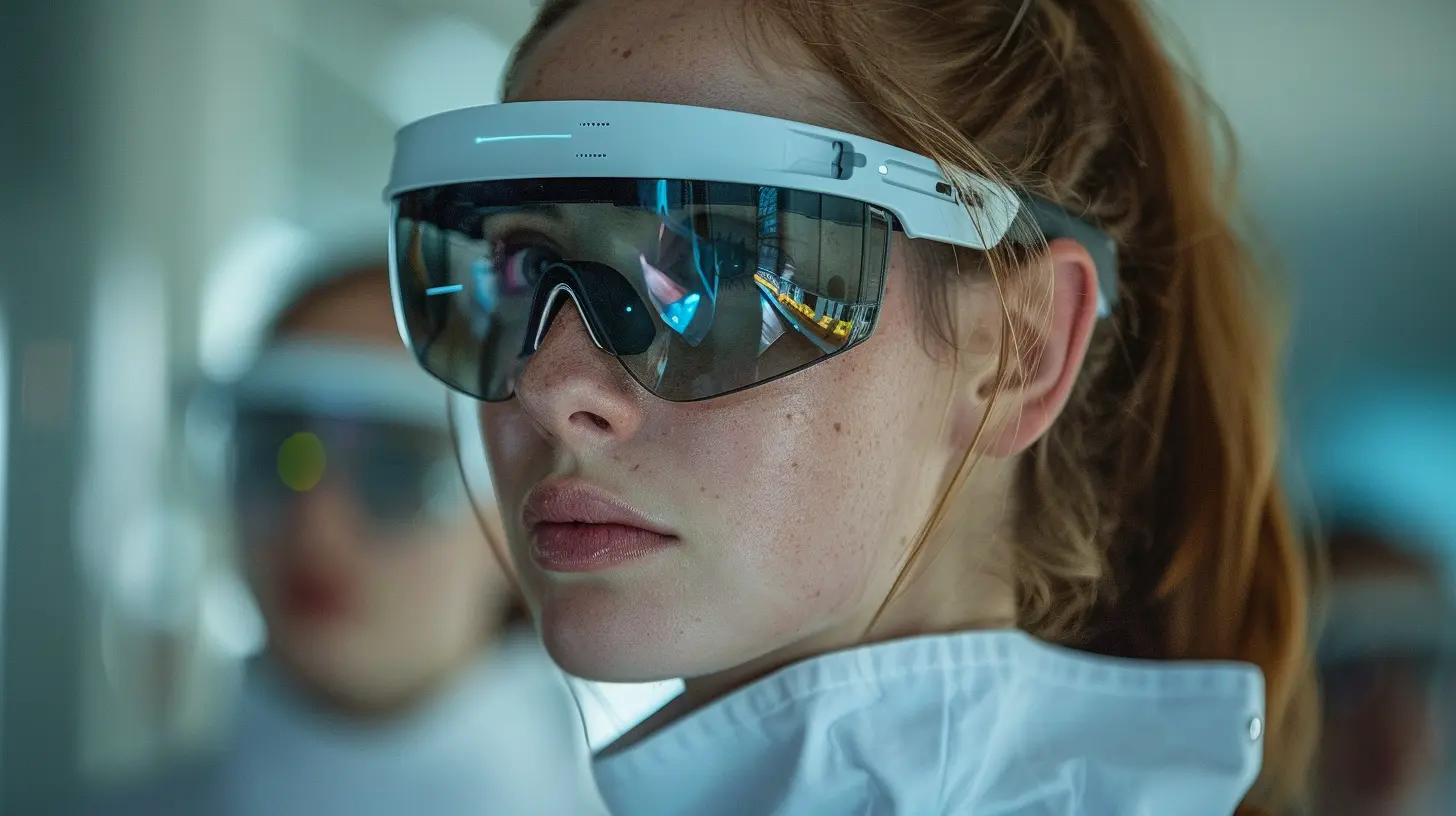
Why Are AR Glasses a Game-Changer in Medicine?
Let’s face it—healthcare is complex. The stakes are high, and every second counts. Now imagine a tool that can give doctors and healthcare providers superpowers. That’s the magic of AR glasses.They offer:
- Hands-free access to critical data
- Real-time collaboration with remote experts
- Enhanced training simulations
- Improved accuracy during procedures
It’s like having a second brain—or an extra pair of expert eyes—right there when they’re needed most.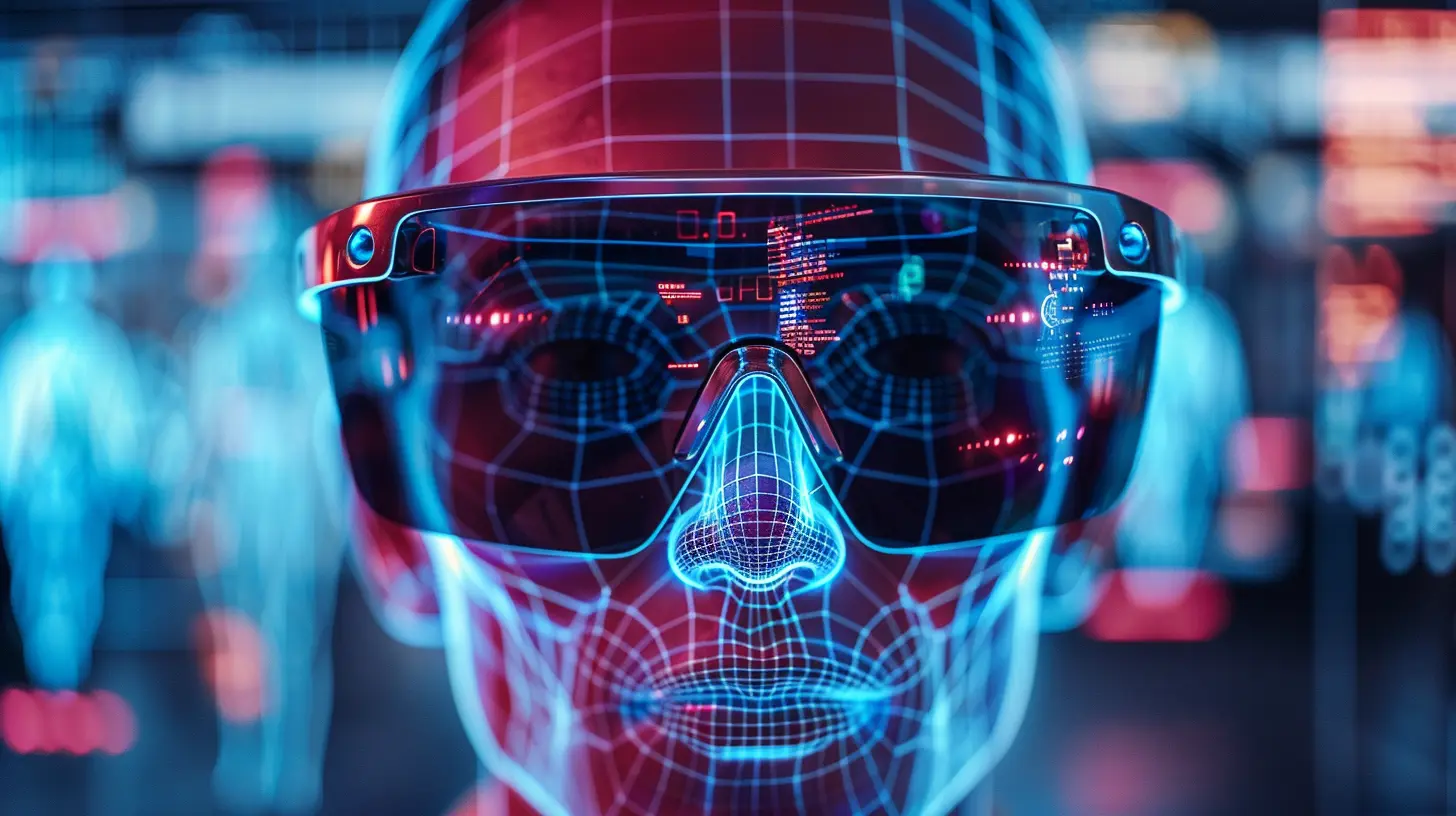
Revolutionizing Surgical Procedures
Let’s kick things off in the operating room.1. Enhanced Visualization During Surgery
During complex surgeries, surgeons often rely on pre-op scans like MRIs or CT scans to guide them. But traditionally, they have to take their eyes off the patient to check these. AR glasses fix that.With AR, those images are brought right into the surgeon’s field of view. Imagine a floating 3D map of a patient's organs, highlighting exactly where to cut and what to avoid. It’s like GPS for human anatomy.
2. Precision and Accuracy
AR glasses can help visualize blood vessels, tumors, or organs in real time. This leads to more precise incisions, fewer mistakes, and faster surgeries. That’s good news for both doctors and patients.One study even showed that surgeons using AR guidance made 50% fewer errors. That’s not just impressive—it’s life-saving.
Training the Next Generation of Doctors
Ever seen a medical student nervously watching a complex procedure through a crowded window? With AR glasses, those days are numbered.3. Immersive Medical Education
AR glasses provide an interactive 3D experience that lets students “see inside” the human body—without needing a cadaver. They can observe procedures from the surgeon’s point of view. It’s immersive, engaging, and way more effective than textbooks.And let’s be honest—who wouldn’t prefer learning anatomy through a holographic heart beating in front of you?
4. Simulated Surgery Practice
With AR, medical students can practice surgeries in realistic simulations. They’re able to make mistakes in a no-risk environment, get instant feedback, and fine-tune their skills.It’s like flight simulators for pilots—only this time, it's scalpel meets simulation.
AR Glasses in Emergency Response
The emergency room isn’t the only place things get intense. For paramedics and EMTs, every second is a deadline. And that’s where AR glasses really shine.5. Remote Guidance in Real-Time
Picture a paramedic responding to a rural accident. Using AR glasses, they can stream what they’re seeing to a specialist back at the hospital. The specialist can guide them step-by-step, literally drawing on the display seen by the first responder.This kind of remote collaboration can be the difference between life and death.
6. Instant Access to Patient Data
Some AR systems are being connected to electronic health records. Imagine scanning a patient’s wristband and instantly seeing their allergies, blood type, and medical history in your glasses. Boom—no fumbling through paperwork.Improving Patient Care
AR glasses aren't just for the folks in scrubs. Patients can benefit too.7. Better Patient Communication
Doctors can use AR to help explain diagnoses and treatment plans. Instead of pointing to a chart and speaking medicalese, imagine showing a 3D model of the patient’s condition, right in front of them.Your heart has a blockage? Here—let me show you exactly where and how we’ll fix it. Makes a big difference, doesn’t it?
8. Rehabilitation and Physical Therapy
AR glasses are now being used in physical rehab to guide patients through exercises, monitor their movements, and provide real-time correction.Patients get immediate feedback, stay motivated, and often recover faster. It’s like having a personal trainer, physical therapist, and cheerleader all rolled into one.
Helping Visually Impaired Patients
Now here's where it gets really heartwarming.9. Vision Assistance
Some AR glasses are designed specifically to assist individuals with vision impairments. They can enhance contrast, magnify text, or even use AI to describe surroundings.For someone who’s legally blind, wearing AR glasses might mean the difference between relying on a cane and walking independently. It’s not just about seeing better—it’s about living better.
Dealing with the Challenges
Sure, AR glasses in medicine sound amazing—but let’s not ignore the elephant in the room.10. Technical Limitations
AR hardware is still evolving. Battery life, image resolution, and device size can all be limiting factors. Also, integrating these glasses with existing hospital IT systems? Not exactly plug-and-play.11. Privacy and Security Concerns
We're talking about real-time health data being streamed and displayed. That opens a whole can of worms when it comes to data protection and patient consent.Hospitals and developers need to double (and triple) down on cybersecurity to make sure patient data is safe.
What’s Next for AR Glasses in Healthcare?
Tech moves fast, right? Where are things heading?We’re already seeing AR glasses getting lighter, more powerful, and more integrated with AI. Soon, we might have glasses that can pre-diagnose conditions just by looking.
Imagine: an eye exam done through AR glasses. Or real-time cancer detection during endoscopy. Sounds wild—but it’s closer than you think.
And with companies like Microsoft (with HoloLens), Google, and Meta pushing the boundaries, you can bet the next five years will be even more exciting.
Final Thoughts
So, what’s the bottom line here? AR glasses are more than just a neat gadget—they’re a powerful tool with the potential to reshape modern medicine.From making surgeries safer, to training doctors better, to helping patients understand their own care, these glasses are opening a whole new chapter.
We’re not just looking at the future—we’re looking through it.
all images in this post were generated using AI tools
Category:
Ar GlassesAuthor:

Jerry Graham
Discussion
rate this article
2 comments
Dahlia McIlroy
Great insights! Excited to see AR's impact on healthcare!
February 11, 2026 at 3:24 AM
Jerry Graham
Thank you! I'm glad you found the insights valuable. Exciting times ahead for AR in healthcare!
Trinity Vasquez
AR glasses for medicine? Finally, tech that actually saves lives. Bravo!
January 24, 2026 at 3:58 AM
Jerry Graham
Thank you! We're excited about the potential of AR glasses to enhance medical outcomes and improve patient care.