Forecasting the Future of AI Calendars and Smart Scheduling
8 October 2026
Your calendar is lying to you. Not intentionally, of course. But the flat grid of time slots on your screen has never captured the messy reality of how work actually happens. It shows meetings as equal blocks, ignores the cost of context switching, and treats a 30 minute gap between calls as if it were free real estate for another call. For decades, we accepted this because manual scheduling was the only option. You looked at your week, guessed what would fit, and hoped for the best.
That era is ending. AI calendars and smart scheduling tools are quietly rewriting the rules of how professionals allocate their most finite resource: attention. This is not just about auto-filling slots or syncing across time zones. It is about systems that understand energy patterns, protect deep work, negotiate on your behalf, and learn from the way you actually operate rather than the way a productivity guru says you should.
Let us look at where this technology is heading, what it gets right today, where it still stumbles, and how to position yourself to benefit rather than burn out.
What Makes a Calendar Truly Intelligent
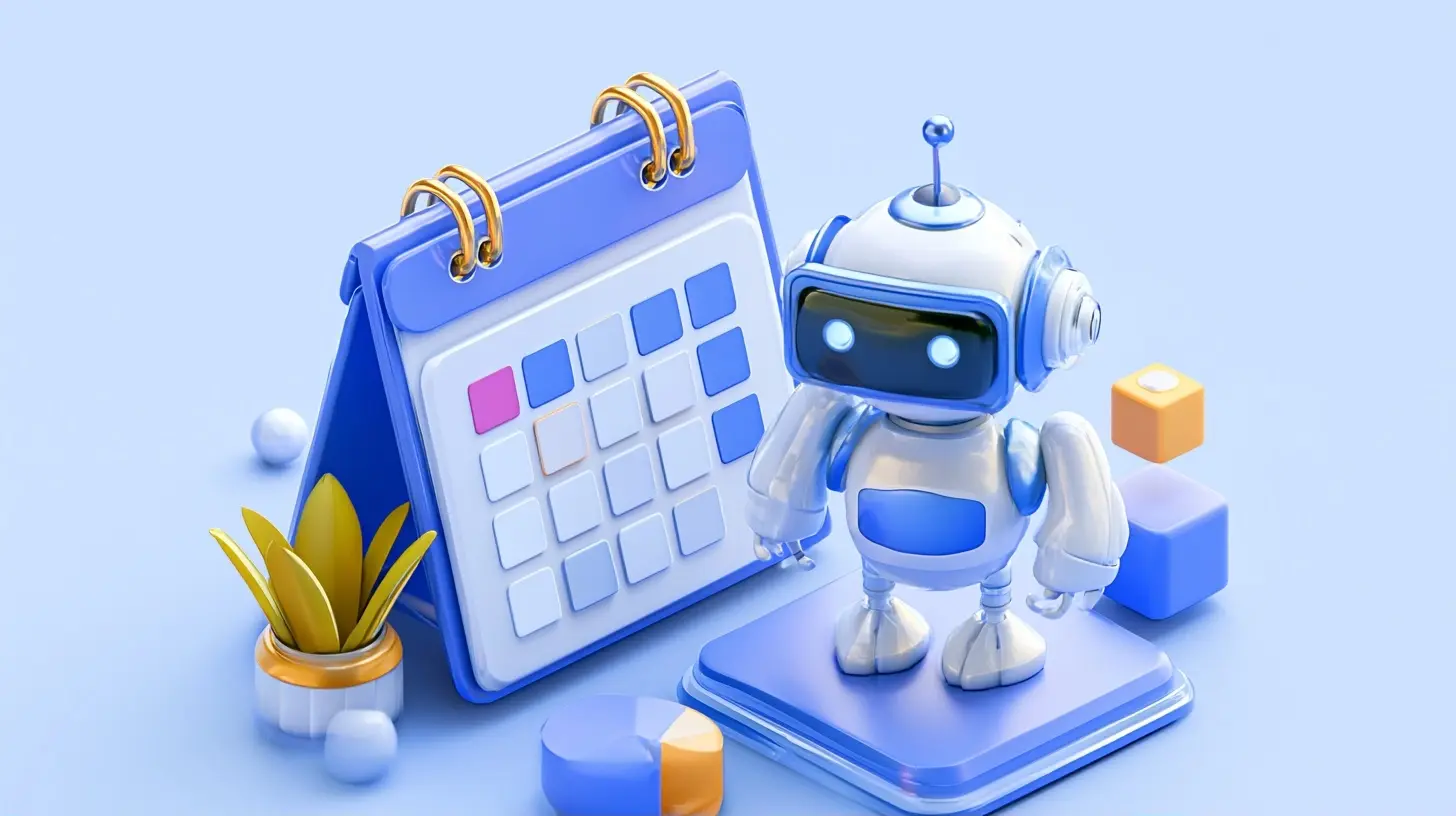
Most tools marketed as "AI scheduling assistants" are little more than rule-based automation. They check availability and send invites. That is useful, but it is not intelligence. Real intelligence in scheduling means the system understands context and trade-offs.Consider the difference. A basic tool sees that Tuesday at 2 PM is open and books a meeting. An intelligent system knows that Tuesday at 2 PM falls inside your protected focus block, that you have a hard deadline on Thursday, that the attendee in a different time zone has been working late three days in a row, and that this particular meeting could be resolved with a shared document instead. It weighs these factors and proposes alternatives.
The core capabilities that separate genuine AI scheduling from glorified calendar sync include:
- Preference learning. The system observes which meetings you accept, decline, reschedule, or skip, and adjusts future suggestions accordingly.
- Context awareness. It factors in deadlines, project phases, travel time, and even the cognitive load of adjacent meetings.
- Natural language negotiation. You type or say something like "find 45 minutes with Priya and Marcus before the product review, ideally not first thing in the morning," and the system handles the back and forth.
- Conflict resolution with reasoning. Instead of simply flagging a double booking, it explains trade-offs and suggests the least disruptive fix.
The distinction matters because the first category saves minutes. The second category changes how you structure your entire working life.
The Shift From Time Management to Energy Management
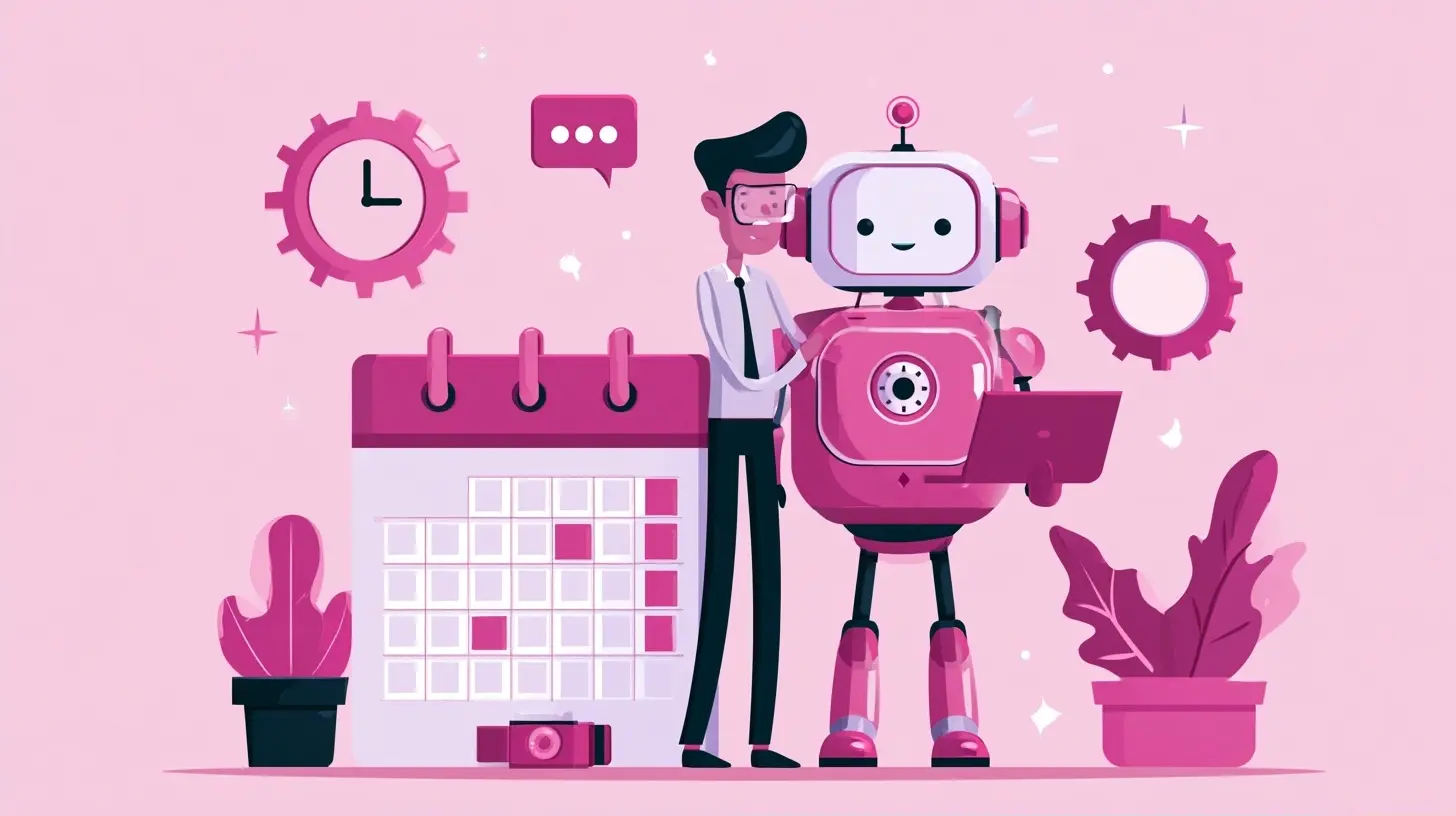
Traditional calendars treat all hours as interchangeable. Anyone who has tried to write a strategy document at 4 PM after six hours of back to back calls knows this is false. Cognitive capacity fluctuates. AI scheduling is beginning to reflect that reality.Some professionals are natural morning thinkers. Others hit their stride in the afternoon. An intelligent calendar can learn these patterns over weeks and start defending your peak hours for the work that demands the most from you. It might push routine administrative tasks into your post lunch dip and reserve your sharpest window for creative or analytical work.
This is not just a wellness gimmick. It has real economic value. A single hour of high quality strategic thinking can be worth more than an entire day of fragmented busywork. When your calendar optimizes for energy rather than mere availability, you are effectively increasing your output without working longer hours.
The trade-off is flexibility. Rigid protection of focus time can frustrate colleagues who need quick access. The best implementations handle this by creating tiered availability. Your peak hours might be open only to your manager or a critical client. Everything else gets routed to secondary windows. You stay productive without becoming unreachable.

How AI Handles the Hardest Part: Other People
Scheduling one person is easy. Scheduling five people across three time zones with competing priorities is where human effort collapses. This is the arena where AI scheduling shows the most promise and also the most frustration.The classic problem is the negotiation loop. You propose a time. Someone declines. You propose another. Someone goes silent. Two days pass. The meeting that should have taken five minutes to arrange consumes a week of email threads.
AI agents are starting to handle this autonomously. You give the agent your constraints and preferences. It communicates with other people's agents or directly with their calendars, finds a solution that satisfies everyone's hard constraints, and books it. If no perfect solution exists, it presents the best compromises with clear reasoning.
For example, imagine you need to meet with a colleague in London and another in Singapore. Your agent knows you prefer not to take calls before 9 AM your time, the London colleague has school pickup at 3 PM, and the Singapore colleague has a standing team meeting every morning. The agent might propose a narrow window that works for all three, or suggest an asynchronous alternative such as a shared document with a deadline.
This works well when everyone uses compatible systems. It breaks down when one party is on a legacy platform or simply refuses to delegate scheduling authority. In practice, you will need a hybrid approach for years to come. The AI handles the heavy lifting, but a human fallback remains essential for high stakes or unusual situations.

The Privacy Question Nobody Wants to Ask
Here is the uncomfortable truth about AI calendars: to be genuinely useful, they need deep access to your behavior. They see who you meet, when you meet, how often you reschedule, which meetings you skip, and how you spend your unscheduled time. That data is extraordinarily revealing.A calendar pattern can expose a merger in progress, a performance issue with a direct report, or a personal health concern. When that data flows into a third party AI system, the privacy implications are significant.
Different tools take different approaches. Some process everything on device, which limits capability but maximizes privacy. Others rely on cloud models, which enables richer features but requires trust in the provider's data handling. A few offer enterprise grade controls such as data residency, retention limits, and audit logs.
Before adopting any AI scheduling tool, ask these questions:
- Where does my calendar data get processed, and is it used to train models?
- Can I export or delete my data completely if I leave the platform?
- What happens if the provider suffers a breach?
- Does the tool comply with the regulations that apply to my industry, such as HIPAA, GDPR, or financial services rules?
The most capable tool is worthless if it exposes information you cannot afford to leak. For regulated professions, on premise or private cloud deployments may be the only viable path, even if they lag behind consumer options in features.
Real World Scenarios Where AI Scheduling Shifts the Outcome
Abstract benefits are easy to claim. Concrete examples are harder to argue with. Consider a few situations where intelligent scheduling changes the game.A sales team managing hundreds of leads. Manual scheduling means slow response times and missed follow ups. An AI system can book introductory calls instantly, respecting both the prospect's stated preferences and the rep's focus blocks. Conversion rates improve because speed to meeting matters enormously in sales.
A software engineering organization. Engineers need long uninterrupted blocks for coding. AI scheduling can cluster all meetings into specific days or windows, leaving other days completely free. This practice, sometimes called meeting compression, is already used by some teams manually. AI makes it sustainable by automatically negotiating conflicts and protecting the deep work days.
A healthcare clinic. Patient scheduling involves complex constraints: room availability, provider specialties, equipment needs, and urgent cases that must be inserted without disrupting everything else. AI systems can optimize these schedules dynamically, reducing wait times and improving utilization.
A freelance consultant. Every hour is billable or not. An AI calendar can protect high value work, batch administrative tasks, and automatically decline or reschedule low priority requests based on rules the consultant defines.
In each case, the common thread is that the scheduling problem has more variables than a human can juggle consistently. AI does not just save time. It finds solutions a person would miss.
Where Current Tools Still Fall Short
Honesty matters here. AI scheduling is not magic, and overselling it leads to disappointment. Several limitations persist.Garbage in, garbage out. If your calendar data is messy, with duplicate events, outdated recurring meetings, and unclear titles, the AI will make poor decisions. Clean data is a prerequisite, not an afterthought.
Over optimization. A system that packs every minute can create unsustainable days. Good tools include buffers and respect human limits. Bad ones treat idle time as waste.
Social friction. Some people find it off putting when an AI declines their meeting request or proposes alternatives without human involvement. Tone and transparency matter. The best implementations make it clear that a person set the rules, even if a machine executes them.
Inflexibility in unusual cases. AI excels at patterns. It struggles with one off situations that do not fit any template. You still need the ability to override, and you need it to be easy.
Integration gaps. Many organizations run a patchwork of calendar systems, video conferencing tools, and project management platforms. AI scheduling works best when it can see across all of them. Silos limit its effectiveness.
Understanding these limitations helps you set realistic expectations and choose tools that acknowledge them rather than pretend they do not exist.
Practical Steps to Prepare for AI Driven Scheduling
You do not need to wait for the perfect tool to start benefiting from these ideas. Several steps make sense today, regardless of which platform you use.Audit your current calendar. Look at the last month. How much time went to meetings that could have been emails? How many focus blocks got interrupted? What patterns emerge? This baseline tells you where AI could help most.
Define your rules explicitly. Write down your preferences. No meetings before 10 AM. Fridays are for deep work. Maximum three hours of calls per day. When you eventually configure an AI tool, these rules become its instructions. Vague preferences produce vague results.
Clean your data. Delete obsolete recurring meetings. Standardize event titles. Archive old calendars. The cleaner your input, the smarter the output.
Start with low stakes automation. Let an AI tool handle internal team scheduling before you trust it with client meetings. Build confidence gradually.
Keep a human override. Always retain the ability to ignore the AI's suggestion. The tool serves you, not the other way around.
Review and adjust. Spend ten minutes each week examining what the AI scheduled and how it felt. Provide feedback. The system learns, but only if you engage with it.
The Road Ahead: What to Expect in the Coming Years
The trajectory is clear even if the timeline is uncertain. Several developments seem likely.Scheduling will become increasingly conversational and ambient. Instead of opening an app, you will tell your assistant what you need, and it will handle the rest across email, chat, and voice. The calendar becomes an invisible layer rather than a destination you visit.
Interoperability will improve. Competing platforms will be forced to cooperate because users demand it. Your agent will be able to negotiate with someone else's agent regardless of which company built them.
Prediction will get sharper. Systems will anticipate needs before you articulate them. They will notice that a project is entering a crunch phase and proactively clear space. They will recognize that a relationship is cooling and suggest a check in.
Regulation will shape the landscape. As awareness of data privacy grows, governments will impose rules on how scheduling data can be collected and used. This may slow innovation in some regions but will ultimately build trust.
Through all of this, the fundamental goal remains the same: give people more control over their time, not less. The best AI calendars will feel less like surveillance and more like a trusted chief of staff who knows when to push and when to protect.
Final Thoughts
The future of AI calendars is not about cramming more meetings into your day. It is about reclaiming your day from meetings that never should have existed. It is about aligning your schedule with your priorities rather than your inbox. It is about building systems that respect the limits of human attention instead of pretending those limits do not exist.The tools are improving fast. The organizations that adopt them thoughtfully, with clear rules, clean data, and realistic expectations, will gain a genuine edge. Individuals who learn to delegate scheduling to intelligent systems will find themselves with something increasingly rare: uninterrupted time to think.
Start small. Define your rules. Protect your focus. The technology is ready to help. The question is whether you are ready to let it.
all images in this post were generated using AI tools
Category:
Productivity AppsAuthor:

Jerry Graham