How AI is Changing the Fashion Industry
20 June 2026
The fashion industry is no stranger to change. Trends come and go, but one thing that’s here to stay is artificial intelligence (AI). From design to production, marketing to personalized shopping, AI is reshaping how fashion brands operate. But how exactly is AI transforming this fast-paced industry? Let’s break it down.
AI in Fashion Design
AI-Generated Designs
Gone are the days when designers solely sketched ideas by hand. Now, AI-powered tools can create unique fashion designs in minutes. Algorithms analyze fashion trends, customer preferences, and historical designs to generate fresh, innovative styles.Take Google’s DeepDream or IBM’s Watson, for example. These AI models can process thousands of fashion images and predict what styles will be in demand next season. Some brands are even using AI to co-design collections, blending human creativity with machine efficiency.
Predicting Trends Before They Happen
Fashion trends have always been somewhat unpredictable. One moment, skinny jeans are in; the next, wide-leg pants take over. But AI is changing that by analyzing social media, runway shows, and online shopping data to predict what will be hot before it even hits the shelves.Brands like H&M and Zara use AI-driven trend analysis to stay ahead of the curve, producing trendy items at just the right time. AI helps fashion companies avoid overproduction, reducing waste and improving sustainability.
AI in Manufacturing and Supply Chain
Smart Factories and Automation
The production process in fashion has seen a massive AI-powered upgrade. Smart factories use AI-driven robots to cut, sew, and assemble garments with precision. This automation speeds up production while reducing human errors and material waste.Brands like Adidas have experimented with Speedfactories, where AI oversees manufacturing, making production quicker and more efficient. This allows companies to respond to fashion trends faster than ever before.
Optimized Inventory Management
Nobody likes walking into a store only to find out their size is out of stock. AI is tackling this issue by optimizing inventory management. AI algorithms analyze sales data, weather patterns, and shopping habits to predict demand accurately, ensuring that stores are well-stocked with the right products.Retail giants like Nike use AI-powered supply chain systems to minimize overstock and understock issues, ultimately improving customer satisfaction and reducing excess inventory waste.
AI in Fashion Retail
Personalized Shopping Experiences
Ever noticed how online stores seem to know exactly what you want? That’s AI at work. With machine learning algorithms, brands can analyze customer browsing history and preferences to recommend products that match their style.Retailers like Amazon, ASOS, and Nordstrom use AI-driven recommendation engines to personalize the shopping experience, helping customers find outfits they love without endless scrolling.
Virtual Try-Ons and Fitting Rooms
One of the biggest challenges of online shopping is not knowing how clothes will fit. AI has an answer for that, too. Virtual try-on technology powered by AI allows customers to see how clothes will look on them before they buy.Brands like Zara and Gucci use AR (Augmented Reality) and AI-powered virtual fitting rooms, letting shoppers try on clothes digitally using their smartphones. This reduces return rates and enhances the online shopping experience.
AI in Marketing and Customer Engagement
AI-Powered Chatbots and Customer Support
We’ve all interacted with customer service chatbots at some point. AI-driven bots are now more conversational and efficient, helping customers find products, track their orders, and even suggest styling tips.Brands like H&M and Sephora use AI-powered chatbots to assist customers, providing instant responses and improving overall shopping experiences. These chatbots learn from past interactions, making them smarter with time.
AI in Influencer Marketing
Influencer marketing is a huge part of the fashion industry, but finding the right influencer for a brand can be tricky. AI-powered influencer analytics tools help companies identify influencers whose audience aligns with their brand’s target demographic.Platforms like Heuritech and Cortex use AI to analyze an influencer's engagement, authenticity, and audience preferences, ensuring brands collaborate with the right people.
AI in Sustainability in Fashion
Reducing Waste and Sustainable Fashion
The fashion industry has long been criticized for its environmental impact. AI is stepping in to make fashion more sustainable. From predicting demand to recycling fabrics, AI-driven solutions help reduce waste.Startups like Resale AI work with second-hand clothing retailers to optimize inventory and match sellers with buyers efficiently. AI also helps in developing eco-friendly fabrics, ensuring a greener future for the industry.
AI in Ethical Sourcing
Sourcing raw materials ethically is another way AI is transforming fashion. AI-powered tools can track where materials come from, ensuring fair trade and ethical labor practices.For example, EON Group’s CircularID™ helps brands monitor product lifecycles, ensuring transparency in the supply chain and encouraging customers to recycle old clothes.
The Future of AI in Fashion
AI in fashion is just getting started. In the coming years, we can expect even more innovations, like AI-driven design assistants, fully automated factories, and hyper-personalized shopping experiences.Fashion is no longer just about creativity—it’s about data, automation, and sustainability. AI is making the industry more efficient, customer-friendly, and environmentally conscious.
So, the next time you shop for clothes online or see a new fashion trend emerge, remember—there’s a good chance AI had a hand in making it happen.
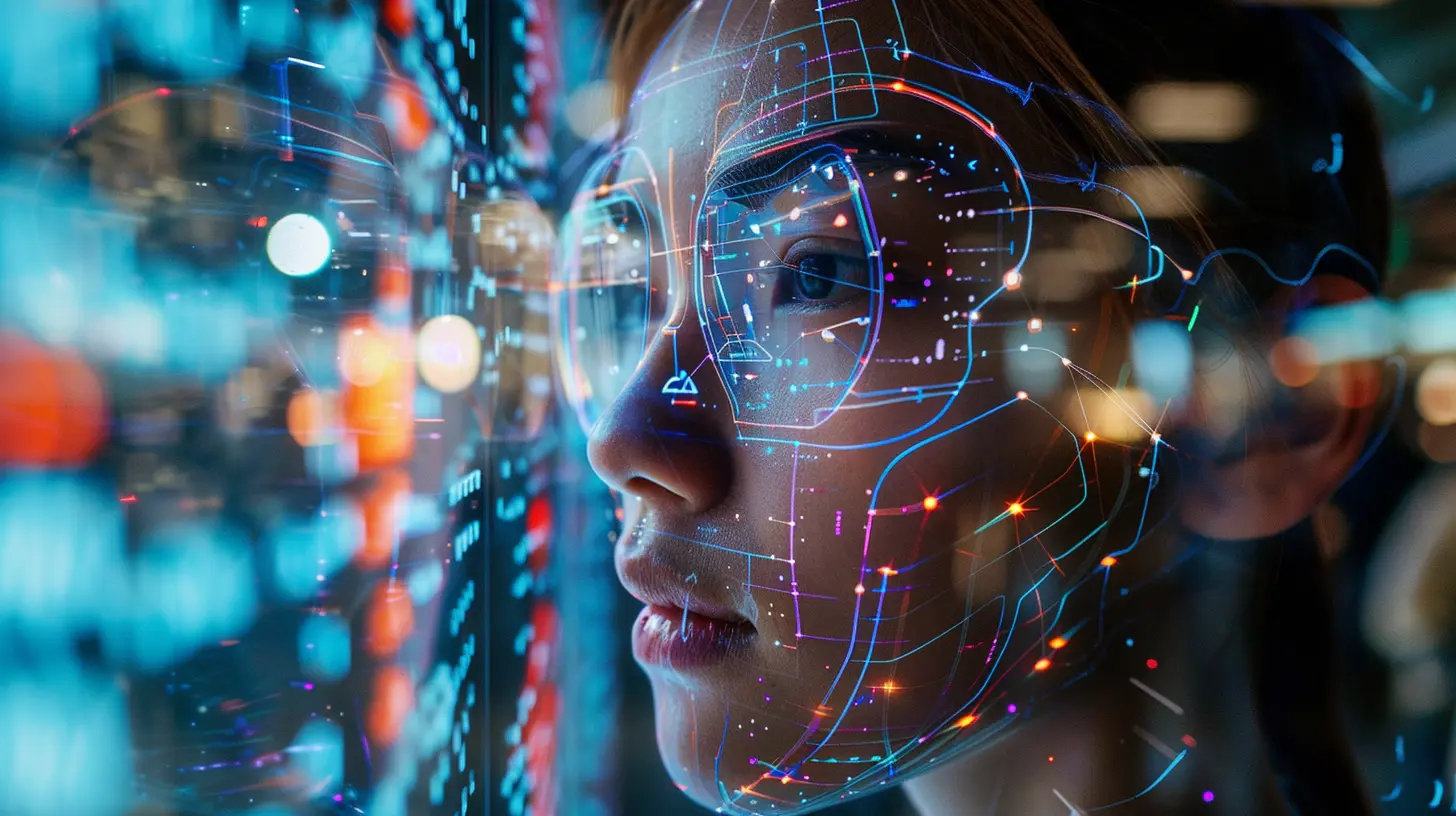
all images in this post were generated using AI tools
Category:
Artificial IntelligenceAuthor:

Jerry Graham
Discussion
rate this article
1 comments
Lisette Wyatt
This article offers insightful perspectives on AI's impact in fashion. It's fascinating to see how technology is reshaping design, manufacturing, and consumer experience. Excited for what's next!
June 22, 2026 at 11:28 AM
Jerry Graham
Thanks for your thoughts! AI is definitely transforming fashion in exciting ways. I'm looking forward to seeing how it continues to evolve too!