How AI is Enhancing the Efficiency of Renewable Energy Grids
23 February 2026
Renewable energy is the future. But let’s be honest—managing renewable energy sources isn't always a smooth ride. The power from solar panels fluctuates with the weather, and wind turbines slow down when there’s no breeze. That’s where artificial intelligence (AI) comes in, acting like the brain behind the operation, turning an unpredictable energy flow into a reliable one.
AI is transforming renewable energy grids, making them smarter, more efficient, and highly reliable. Let’s dive into how AI is revolutionizing the renewable energy sector and why it’s a game-changer for sustainability.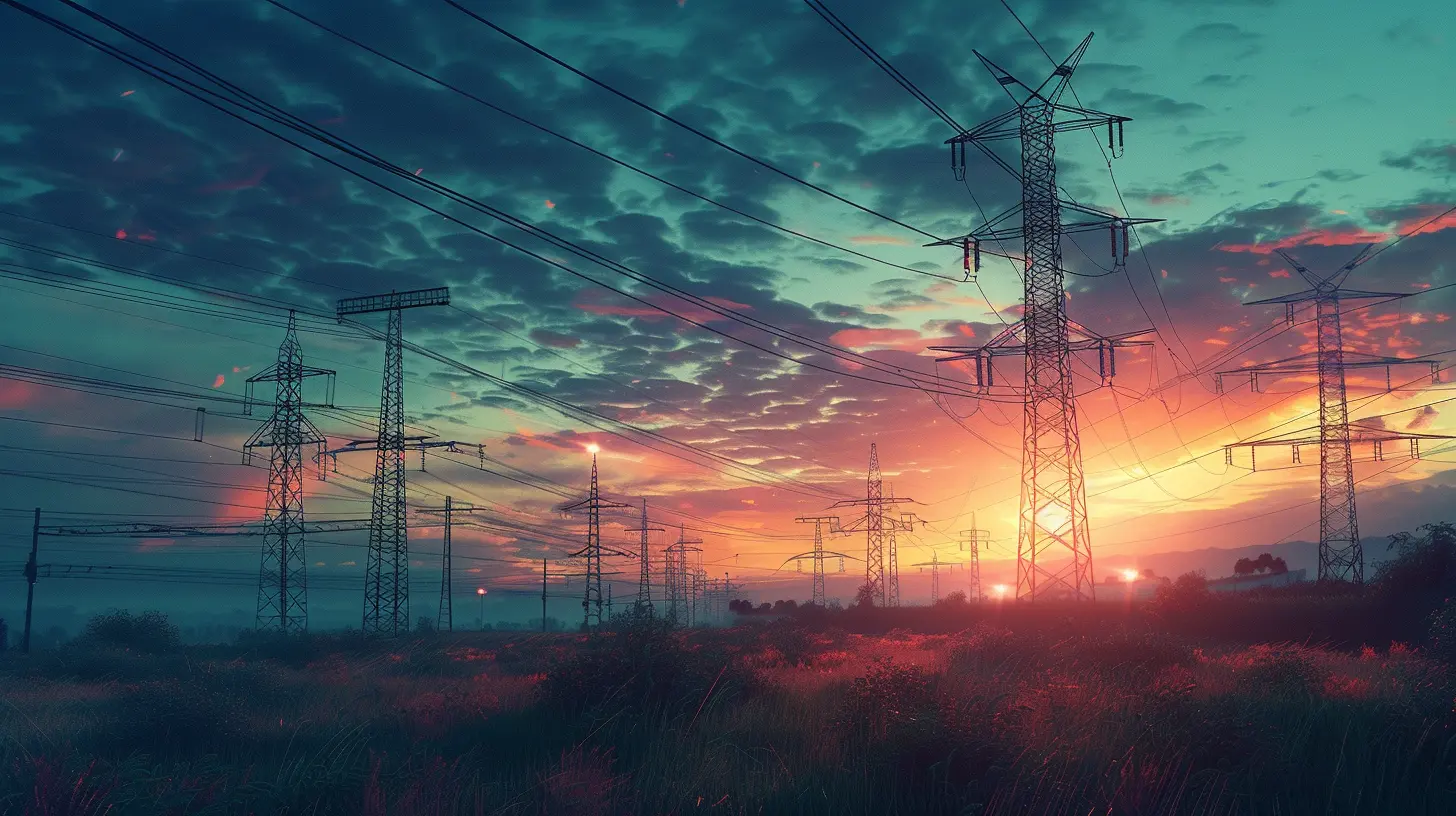
The Challenge with Renewable Energy Grids
Unlike fossil fuels, renewable energy sources—like solar and wind—aren’t always consistent. The sun doesn’t shine 24/7, and the wind isn’t always blowing. This unpredictability makes balancing supply and demand a massive challenge.Traditional energy grids are designed for steady energy output from coal, gas, or nuclear plants. But with green energy, the grid needs to become more adaptable. Without efficient management, we risk energy shortages or wasted excess power. This is where AI steps in to bridge the gap.
How AI is Reshaping Renewable Energy Grids
AI brings intelligence to an otherwise unpredictable system. By using machine learning and predictive analytics, AI helps manage energy generation and consumption more efficiently. Let's look at some of the ways AI is enhancing renewable energy grids.1. Predicting Energy Demand and Supply
Imagine knowing exactly how much solar or wind energy will be available tomorrow. AI does just that by analyzing weather patterns, historical data, and real-time conditions.Using machine learning, AI predicts energy output based on weather forecasts. This means grid operators can prepare for fluctuations, ensuring a stable power supply. No more sudden blackouts or wasted energy!
2. Optimizing Energy Storage Systems
Energy storage plays a crucial role in renewable energy grids. Batteries store excess solar or wind power for later use when demand is high. However, managing these storage systems efficiently is a challenge.AI helps determine the best times to charge and discharge energy storage devices. By analyzing consumption patterns, AI ensures energy is stored when it's abundant and used when it’s needed most. This prevents wastage and maximizes efficiency.
3. Intelligent Grid Management
Traditional power grids work on a rigid distribution system. AI-powered smart grids, on the other hand, intelligently route electricity where it’s needed most.AI adapts in real time. If one area has excess solar energy while another is facing a shortage, AI redistributes the power efficiently. It’s like a traffic control system for electricity, ensuring the best use of available resources.
4. Detecting and Preventing Power Outages
Outages can be a nightmare, especially with an increasing reliance on electricity. AI helps reduce these risks by detecting issues before they escalate.By continuously monitoring grid performance, AI spots irregular patterns that might signal an upcoming failure. Think of it as an early warning system that helps technicians fix problems before they cause blackouts.
5. Enhancing Wind and Solar Farm Efficiency
AI-powered algorithms analyze turbine and solar panel performance, adjusting them for maximum output. For instance, AI can rotate wind turbines in real time to capture the strongest wind currents or adjust solar panels based on sunlight angles.This level of automation ensures that every bit of renewable energy is harvested efficiently, significantly boosting overall energy generation.
AI-Powered Technologies Revolutionizing the Grid
Several AI technologies are making renewable energy grids smarter. Here are some of the most impactful ones:Machine Learning for Smart Predictions
Machine learning algorithms analyze massive datasets to predict energy production and demand. This helps grid operators make informed decisions, reducing waste and improving efficiency.IoT and AI for Real-Time Monitoring
The Internet of Things (IoT) connects energy devices—solar panels, wind turbines, and smart meters—to AI-driven platforms. This allows real-time monitoring and control, improving energy allocation.AI-Driven Energy Storage Optimization
Advanced AI models help manage battery storage more effectively. They predict the best times to store and discharge energy, reducing costs and improving sustainability.Neural Networks for Grid Stability
AI neural networks process enormous amounts of data to simulate and optimize grid performance. This ensures a steady and uninterrupted power supply.
The Future of AI in Renewable Energy
AI’s role in renewable energy grids is only growing. With advancements in deep learning, autonomous decision-making, and predictive analytics, the future looks promising.Decentralized AI-Driven Microgrids
We’re moving towards decentralized energy systems where smaller AI-powered microgrids manage local renewable energy independently. This means increased reliability, improved efficiency, and fewer power disruptions.AI-Powered Demand Response Systems
AI will soon allow homes and businesses to automatically adjust energy consumption based on availability. Imagine your smart home shifting high-energy tasks like charging your electric car to times when renewable energy supply is high.AI-Enhanced Energy Trading
With AI and blockchain integration, we could see peer-to-peer energy trading, where individuals buy and sell excess energy within communities. This could make renewable energy more affordable and accessible.Challenges and Ethical Considerations
While AI brings incredible benefits, it’s not without challenges:- High Implementation Costs – Upgrading grids with AI technology requires significant investment.
- Data Privacy and Security Risks – AI systems rely on massive amounts of data, making cybersecurity essential.
- Dependence on AI Accuracy – Poor predictions could lead to inefficiencies or unexpected energy shortfalls.
Despite these challenges, the long-term benefits of AI in renewable energy grids outweigh the drawbacks. With continuous advancements, AI will play an even bigger role in stabilizing and optimizing green energy.
Final Thoughts
AI is the secret sauce making renewable energy grids smarter, more efficient, and highly reliable. By predicting energy output, optimizing storage, and managing electricity distribution, AI is tackling the biggest challenges of renewable energy.As technology advances, AI-powered renewable energy systems will become the norm, paving the way for a cleaner, greener, and more sustainable future. The potential is limitless, and we're just getting started.
all images in this post were generated using AI tools
Category:
Artificial IntelligenceAuthor:

Jerry Graham
Discussion
rate this article
2 comments
Kennedy McNeil
This article brilliantly highlights how AI optimizes renewable energy grids, improving efficiency and reliability. It's exciting to see technology driving sustainable energy solutions for a greener future. Great insights!
February 24, 2026 at 5:39 AM
Jerry Graham
Thank you for your kind words! I'm glad you found the insights valuable. It's an exciting time for AI and renewable energy.
Francesca McTiernan
This article beautifully highlights the transformative role of AI in optimizing renewable energy grids. It’s inspiring to see how technology is not only improving efficiency but also supporting a sustainable future. Excited to see how these innovations will shape our energy landscape in the coming years!
February 23, 2026 at 5:22 AM
Jerry Graham
Thank you for your thoughtful comment! I'm glad you found the article inspiring; the future of AI in renewable energy is indeed exciting!