How Robotics Will Transform Fulfillment Centers by 2027
20 April 2026
If you’ve ever ordered something online and received it at lightning speed, you've got the marvel of fulfillment centers to thank. These vast warehouses are the beating heart of e-commerce, and guess what? They’re about to get a serious upgrade thanks to robotics. By 2027, we’ll see a transformation that’ll make your jaw drop. Let’s dive into how robotics will change the game in fulfillment centers, making them faster, smarter, and more efficient than ever.
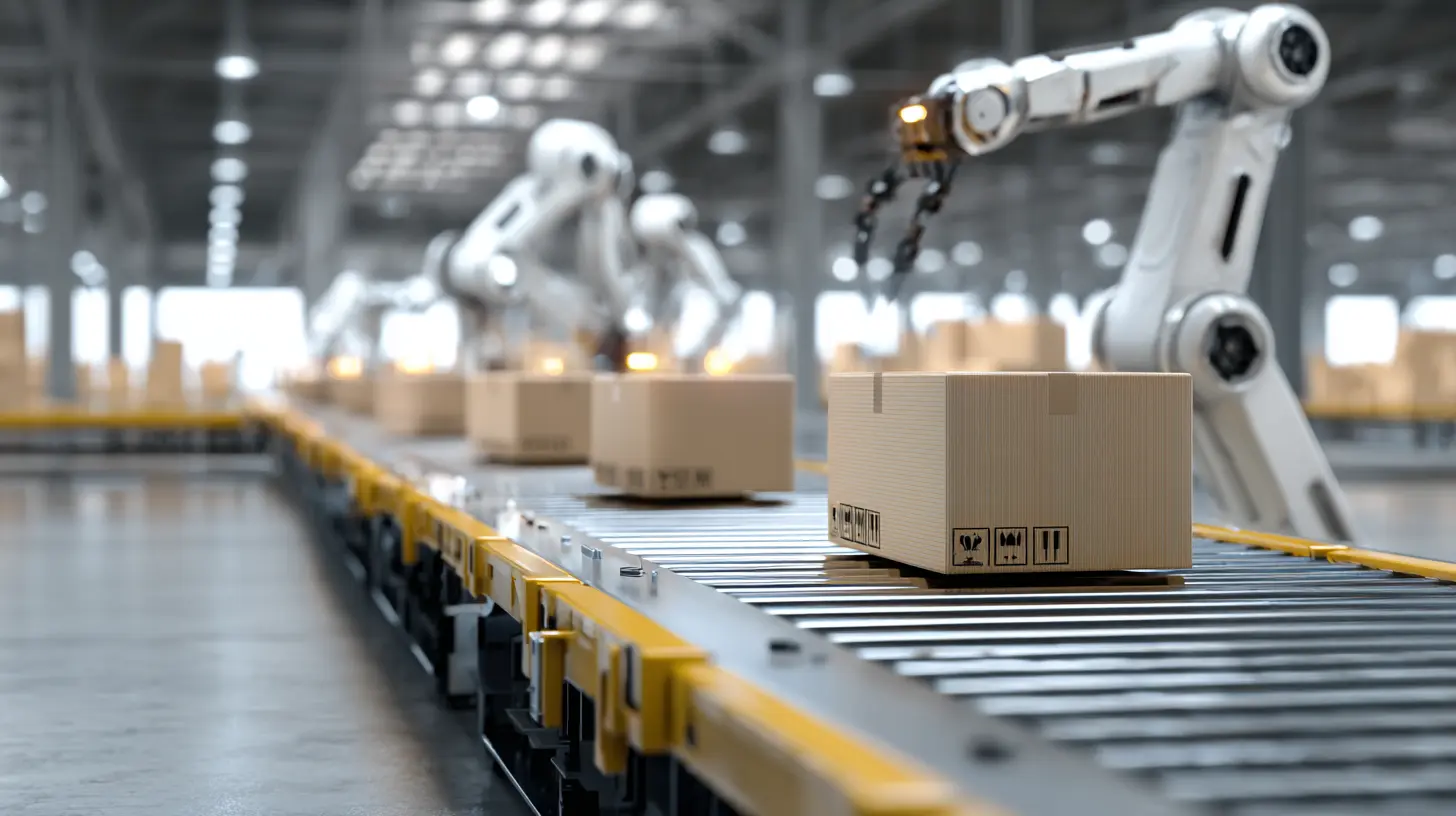
The Current State of Fulfillment Centers
Before we jump into the future, it’s essential to understand where we are right now. Picture a fulfillment center today: towering shelves stocked with products, workers zipping around, packing boxes, and managing inventory. It’s like a well-oiled machine, but it’s still quite human-dependent.- Labor-Intensive: Currently, most tasks involve human hands—picking, packing, sorting, and shipping. While humans are versatile and adaptable, they can also be the bottleneck in speed and efficiency.
- Errors and Delays: Mistakes happen. Whether it’s the wrong item being picked or a missed deadline, human error can delay deliveries, costing businesses both money and customer trust.
- Scalability Challenges: As e-commerce continues to grow, fulfillment centers struggle to keep up. Expanding workforce capacity isn't always feasible or cost-effective.
So, what does the future hold? Let’s take a look at what robotics brings to the table.
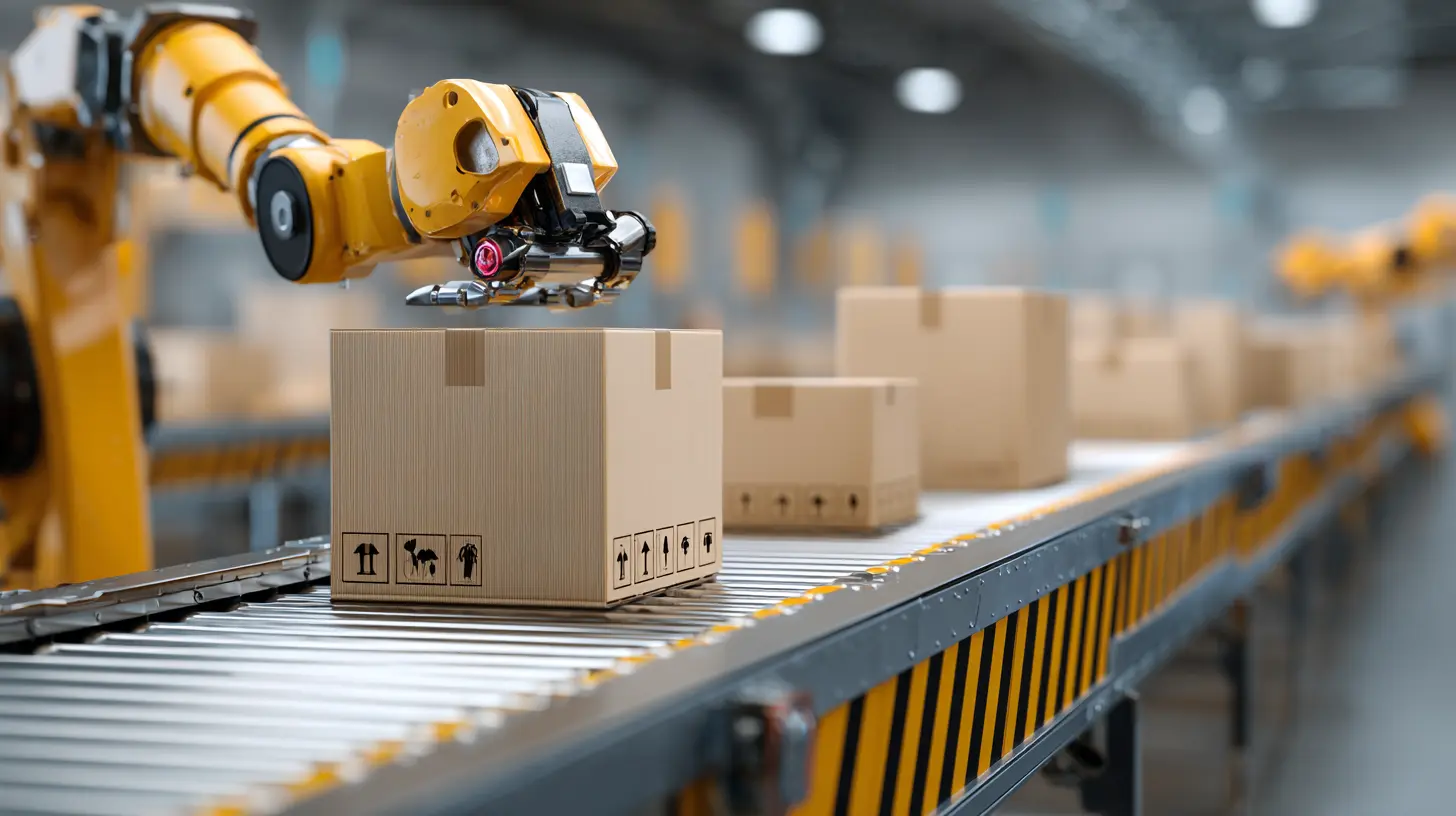
The Rise of Robotics in Fulfillment Centers
Robotics isn’t just a trend; it’s a necessity. The rise of e-commerce has put immense pressure on fulfillment centers to perform at unprecedented speeds. Enter robotics, armed to the teeth with technology that promises to revolutionize how we think about warehousing.1. Automation of Routine Tasks
Imagine a world where robots handle the mundane tasks. Tasks like picking, packing, and sorting can be automated to save time and reduce errors.- Picking Robots: These nifty mechanical contraptions can navigate aisles, identify items, and grab them with precision. No more missed items or delays; they work round the clock, tirelessly.
- Packing Robots: Say goodbye to human error in packing. Robots can assess the best packing methods for each item, ensuring that products are secure during shipping.
2. Enhanced Inventory Management
Keeping track of inventory can be a nightmare, right? But with robotics, inventory management is about to get a whole lot smarter.- Real-Time Data: Robots equipped with sensors can communicate real-time data about stock levels. This means less overstock and fewer out-of-stock situations.
- Automated Replenishment: Picture this: as soon as an item runs low, a robot triggers the restocking process. It’s like having a personal assistant for your inventory.
3. Increased Speed and Efficiency
Let’s not sugarcoat it; speed is everything in e-commerce. With the integration of robotics, fulfillment centers can achieve mind-blowing efficiency.- Faster Pick Rates: Robots can work faster than humans. They can fetch items in seconds, and with their precision, the pick rates could skyrocket.
- Simultaneous Operations: While one robot is picking items, another can be packing them, and a third can be sorting outgoing packages. This multitasking leads to a significant reduction in turnaround time.
4. Improved Safety
Safety is paramount in any workplace, and fulfillment centers are no exception. Robotics can play a crucial role in enhancing safety measures.- Heavy Lifting: Robots are built for the heavy stuff. They can handle large and bulky items without breaking a sweat, reducing the risk of injury for human workers.
- Hazardous Material Handling: Some products can be dangerous to handle. Robots can step in here, ensuring that human workers avoid potentially risky situations.
5. Workforce Transformation
Now, let’s talk about an aspect that often stirs debate: the workforce. Will robots take jobs away? It’s a valid concern, but let’s flip the script.- Job Evolution: While some manual jobs may vanish, new roles will emerge. Think about it: who’s going to maintain and program these robots? The future workforce will require a different skill set, focusing more on tech.
- Collaboration Over Replacement: The future is about collaboration. Imagine human workers and robots working side by side, each playing to their strengths. Humans can manage complex tasks, while robots handle the repetitive ones.
6. Cost Efficiency
At the end of the day, it’s all about the bottom line. Robotics can deliver significant cost savings.- Reduced Labor Costs: With robots handling routine tasks, businesses can save on labor costs. Less reliance on a massive workforce means lower operational expenses.
- Higher Profit Margins: Increased efficiency and speed mean faster order fulfillment, leading to happier customers and higher sales. It’s a win-win situation.
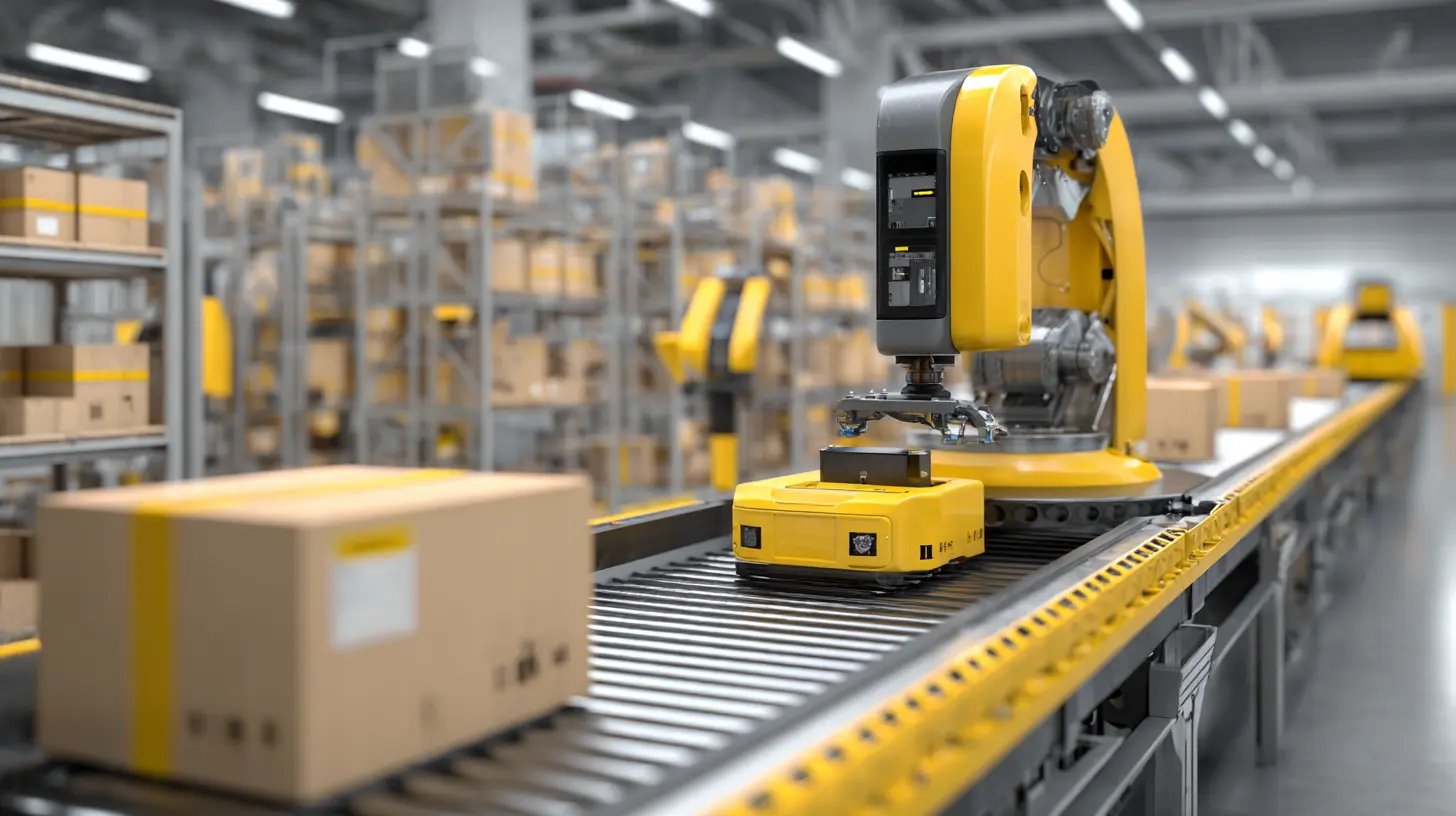
Real-World Examples
Let’s not just theorize; let’s look at what’s already happening in the industry.Amazon: The Robotics Giant
Amazon is leading the charge with its extensive use of robots in fulfillment centers. Their Kiva robots can move shelves and deliver products to human workers for packing. This system has dramatically increased their efficiency, enabling them to fulfill millions of orders daily with remarkable speed.Ocado: The Grocery Innovator
Ocado, the UK-based online grocery retailer, has taken automation to new heights. Their fulfillment centers are filled with hundreds of robots that work together to pick and pack groceries. This robotic system has allowed them to scale their operations and keep up with the growing demand for online grocery shopping.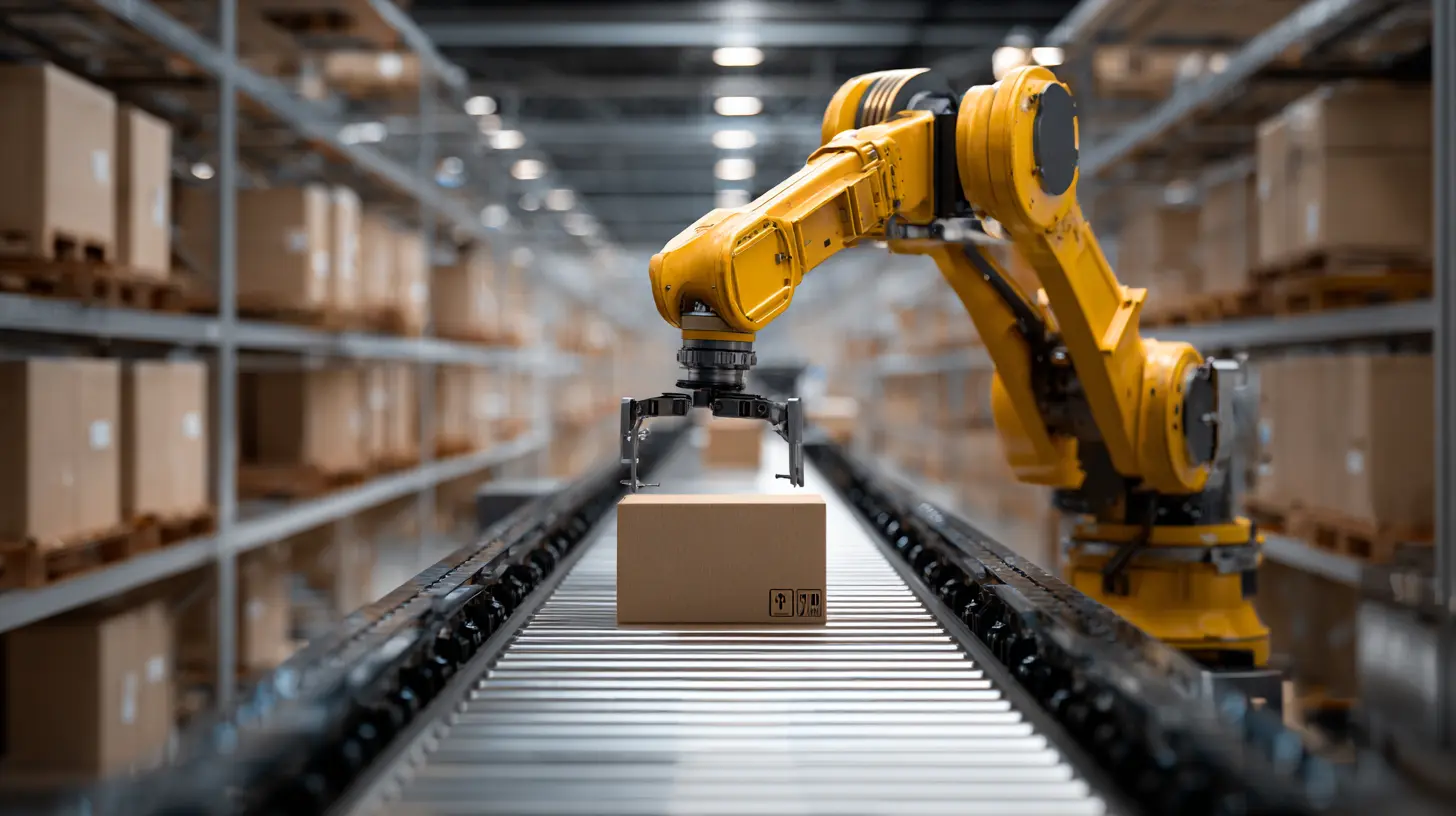
Future Predictions: What to Expect by 2027
Now that we’ve laid the groundwork, let’s peer into the crystal ball and see what the future holds for fulfillment centers by 2027.1. Advanced AI Integration
Expect to see robotics powered by advanced artificial intelligence. Robots will learn from their environments, adapt to changes, and optimize their operations continually. Imagine robots that can predict inventory trends before they happen!2. Autonomous Vehicles
Picture this: fleets of autonomous delivery vehicles transporting goods from fulfillment centers to your doorstep. This isn’t science fiction; it’s on the horizon. They’ll navigate traffic, avoid obstacles, and deliver your packages faster than ever.3. Greater Customization
As customer expectations continue to rise, fulfillment centers will need to adapt. Robotics will allow for greater customization in packaging and delivery options. Want your package wrapped a certain way? Your wish could soon be a robot’s command.4. Sustainability Efforts
Robotics will also play a role in making fulfillment centers more sustainable. From reducing waste in packaging to optimizing energy use, expect to see greener practices fueled by robotic efficiency.5. Enhanced Data Analytics
Data is the new gold, and robots will be at the forefront of data collection and analysis. Fulfillment centers will harness this data to streamline operations, improve customer experiences, and make informed business decisions.Conclusion
The future of fulfillment centers is undeniably exciting, thanks to robotics. By 2027, we’ll witness a landscape that’s faster, safer, and more efficient than we can imagine today. While there may be challenges ahead, the benefits far outweigh the drawbacks. So, whether you’re a business owner or just someone who loves online shopping, buckle up—because the ride is about to get a whole lot smoother!
all images in this post were generated using AI tools
Category:
E Commerce TechnologyAuthor:

Jerry Graham
Discussion
rate this article
2 comments
Delilah James
Robotics in fulfillment centers? Finally, the robots will be doing the heavy lifting while we kick back and enjoy the show!
June 11, 2026 at 11:28 AM
Jerry Graham
Absolutely! It's exciting to see how robotics will change the game in fulfillment centers, making work more efficient and leaving humans to focus on other tasks.
Jamie McGrady
Robotics is poised to revolutionize fulfillment centers by enhancing efficiency and accuracy. As automation evolves, we can expect faster processing times and reduced labor costs, fundamentally reshaping the logistics landscape by 2027.
May 21, 2026 at 11:52 AM
Jerry Graham
I completely agree. The advancements in robotics will significantly streamline operations, allowing fulfillment centers to meet growing demands more effectively. Exciting times ahead!