How Voice Assistants Will Transform Smartphone Use by 2027
28 April 2026
You know that feeling when you’re elbow-deep in a grocery bag, trying to unlock your phone with a greasy thumb, and Siri just stares at you like you’ve asked her to solve world hunger? Yeah, me too. We’ve all been there. But here’s the thing: by 2027, that awkward dance between you and your digital assistant will feel as outdated as a flip phone. Voice assistants aren’t just getting better at understanding us—they’re about to rewrite the entire rulebook of how we interact with our smartphones.
Let me paint you a picture. Imagine your phone isn’t a screen you stare at, but a silent partner that listens, learns, and acts before you even finish your thought. It sounds like science fiction, right? But the technology is already creeping into our lives, and by 2027, it’ll be as natural as breathing. So grab your coffee (or tea, I don’t judge), and let’s dive into the future of smartphone use. Spoiler: it’s going to be hands-free, hyper-personalized, and a little bit magical.
The End of the Tap-and-Swipe Era
Let’s be honest: tapping and swiping is a bit of a chore. It’s 2025, and we’re still poking at glass rectangles like cavemen discovering fire. By 2027, that’s going to change in a big way. Voice assistants are evolving from simple command-takers into proactive problem-solvers. Think of them as your personal butler—the kind who knows you prefer your coffee black, your alarms set for 7:15 AM (not 7:00, because who are we kidding?), and that you hate phone calls before 10 AM.Right now, most of us use voice assistants for basics: “Hey Siri, set a timer,” or “Alexa, play my morning playlist.” But by 2027, these assistants will anticipate your needs. You won’t need to say, “Remind me to buy milk.” Your phone will hear the fridge door open, notice you’re low on milk (thanks to a smart fridge integration), and ask, “Should I add milk to your shopping list?” It’s not creepy—it’s contextual intelligence. And it’s going to save you from those “I swear I had a gallon yesterday” moments.
Why does this matter? Because every tap you don’t make is a second you get back. Multiply that by a hundred interactions a day, and you’ve got hours of reclaimed time. By 2027, your smartphone will feel less like a tool and more like an extension of your brain.
From “What Did You Say?” to “I Know What You Mean”
Remember when voice assistants butchered your accent or misunderstood “send a text to mom” as “send a text to ma’am”? Frustrating, right? Well, by 2027, those errors will be a distant memory. The secret sauce is a combination of natural language processing (NLP) and contextual AI that’s getting scarily good at reading between the lines.Here’s the deal: current assistants rely on keyword matching and rigid commands. But the next generation will understand nuance, emotion, and even incomplete sentences. Imagine saying, “I’m running late for my dentist appointment, but the traffic on I-5 is a nightmare.” Your phone won’t just say, “Okay, I’ll note that.” It’ll cross-check your calendar, suggest a new route, automatically reschedule the appointment, and even text your boss that you’ll be 15 minutes late—all without you lifting a finger. That’s not a fantasy; that’s where we’re heading.
What does this mean for you? Less frustration, more flow. You’ll speak to your phone like you speak to a friend—rambling, slang-filled, and full of implied meaning—and it’ll just get it. It’s the difference between a clunky walkie-talkie and a seamless conversation.
Your Phone as a Sixth Sense
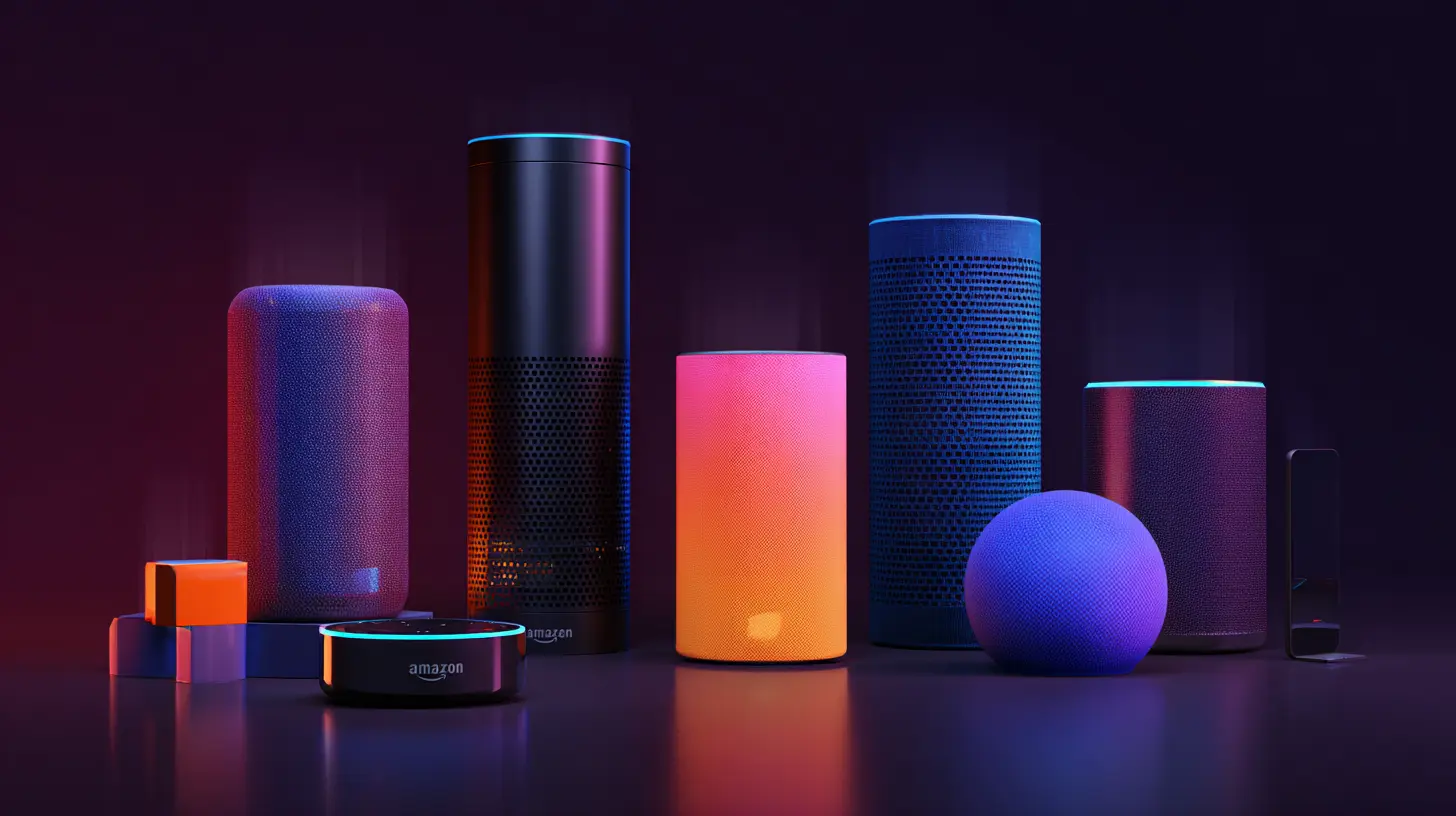
Let’s talk about awareness. By 2027, your smartphone won’t just hear you; it’ll see, feel, and sense the world around you. Voice assistants will integrate with sensors, cameras, and wearables to create a kind of ambient intelligence. Think of it as your phone growing a sixth sense.Picture this: you’re walking into a grocery store, and your phone buzzes quietly in your pocket. You don’t even look at it—you just hear a gentle whisper from your earbuds: “Your blood sugar is a bit low. The deli section has a sale on protein bars.” Or imagine you’re cooking dinner, hands covered in flour, and you mutter, “I need the recipe for that lemon chicken.” Your phone, hearing the sizzle of the pan and the clatter of utensils, knows you’re in the kitchen and reads the recipe aloud step-by-step. It’s like having a sous-chef who never complains.
This shift from reactive to proactive assistance will change how we multitask. By 2027, you’ll rarely need to unlock your phone for everyday tasks. The voice assistant will be the interface—always listening, always ready, but never intrusive. It’s the ultimate hands-free experience.
The Death of the App Grid (Sort Of)
Here’s a bold prediction: by 2027, you’ll open apps far less often. Voice assistants will become the new home screen. Instead of scrolling through a grid of icons, you’ll just speak your intent. Need to order a pizza? Say it. Want to check your bank balance? Say it. Looking for that photo from your vacation in Maui? Just describe it: “Show me the photo of me holding a pineapple on the beach last summer.” The assistant will search your library, find it, and display it—no tapping required.Does this mean apps will disappear? Not exactly. But they’ll fade into the background, like engines in a car. You’ll still use them, but you won’t think about them. The voice assistant will be the steering wheel, and apps will be the mechanical parts you never see. This is a huge deal for accessibility, too. Imagine elderly users or people with mobility challenges navigating their phones entirely by voice. By 2027, that won’t be a special feature—it’ll be the default.
Privacy? Let’s Talk About the Elephant in the Room
I know what you’re thinking: “All this listening and sensing sounds a bit Big Brother, doesn’t it?” You’re not wrong to be skeptical. With great power comes great responsibility—and great potential for privacy nightmares. By 2027, voice assistants will be collecting mountains of data about your habits, preferences, and even your emotions. That’s both exciting and terrifying.Here’s the good news: the industry is waking up to this. Apple, Google, and Amazon are investing heavily in on-device processing. That means your voice commands won’t need to be sent to the cloud to be understood. Your phone will do the heavy lifting locally, keeping your data private. Think of it like a locked diary that only you can read. By 2027, expect stricter regulations and transparent opt-in models. You’ll have granular control over what your assistant knows—and you’ll trust it more because of that.
Will there be creepy moments? Probably. But the convenience payoff is so massive that most of us will accept a reasonable trade-off. It’s like having a smart thermostat: you give up a little privacy for a lot of comfort.
The Rise of Voice Commerce
Let’s get practical. By 2027, voice assistants will be your personal shopping concierge. You’ll say, “Find me a winter coat that’s under $200, waterproof, and available in navy,” and your phone will scan multiple retailers, compare prices, read reviews aloud, and even suggest a size based on your past purchases. Then it’ll ask, “Should I order it with one-day shipping?” and you’ll just say yes.This isn’t just about convenience—it’s about changing the economics of shopping. Voice commerce will reduce friction, which means you’ll buy more, faster. But it also means brands will need to optimize for voice search. By 2027, “Hey [Assistant], find me the best deal on…” will be as common as typing a Google search. For small businesses, this is both a challenge and an opportunity. If your product isn’t voice-searchable, you might as well be invisible.
How Multitasking Gets a Superpower
We all multitask—badly, usually. But voice assistants will make it actually work. By 2027, you’ll be able to juggle three things at once without dropping the ball. Imagine driving (hands-free, of course) while your assistant reads your emails, replies to the urgent ones, and navigates you to a coffee shop with a drive-through. Or picture yourself working out, sweating through a set of burpees, and dictating a quick note to your team without breaking rhythm.The key is that voice assistants will handle the “low-bandwidth” tasks—like setting reminders, checking weather, or sending short replies—so you can focus on the high-value stuff. It’s like having a personal assistant who never sleeps, never complains, and never asks for a raise. By 2027, the phrase “I don’t have time” will start to feel a little outdated.
The Emotional Connection: Your Phone Gets a Personality
Here’s something we don’t talk about enough: voice assistants are getting personality. By 2027, they won’t just sound robotic or polite—they’ll adapt to your mood. If you’re stressed, your assistant might speak softer and offer calming suggestions. If you’re excited, it’ll match your energy. Some prototypes already use tone analysis to detect frustration and respond with empathy.Imagine this: you’ve had a rough day, and you mutter, “I’m so tired of this.” Your phone might reply, “I hear you. Want me to order your favorite comfort food and play that playlist you love?” That’s not just convenience—that’s companionship. For people living alone or feeling isolated, this could be genuinely meaningful. Of course, we’re not talking about replacing human connection, but let’s be real: sometimes a kind voice is all you need.
Accessibility for Everyone
One of the most beautiful transformations by 2027 will be in accessibility. Voice assistants will level the playing field for people with disabilities. If you’re visually impaired, you’ll navigate your phone entirely by voice and sound. If you have motor challenges, you’ll control everything without touching a screen. If you’re elderly and not tech-savvy, you’ll just talk to your phone like it’s a helpful grandchild.This isn’t just a nice-to-have—it’s a revolution. By 2027, the smartphone will be truly universal. The barrier of “can you figure out this interface?” will disappear. Everyone will have a voice, and everyone will be heard.
What About the Skeptics?
Let’s address the elephant in the room: not everyone is on board. Some people hate talking to their devices in public. Others worry about accuracy, privacy, or just feeling silly. Fair points. But by 2027, the technology will be so seamless that you won’t feel like you’re talking to a machine—you’ll feel like you’re collaborating with an invisible partner. And for those who prefer silence, you’ll still be able to tap and swipe. Voice won’t replace touch; it’ll augment it. Choice is the real winner here.The Bottom Line: A New Kind of Relationship
By 2027, your smartphone will be less of a device and more of a presence. It’ll know you, anticipate you, and respond to you in ways that feel almost human. Voice assistants will be the bridge between you and the digital world—a bridge that’s invisible, intuitive, and incredibly powerful.So, are you ready for that future? Because it’s coming faster than you think. The next time you yell at Siri for mishearing you, remember: in two years, that frustration will be a relic. Your phone will finally listen—really listen—and it will change everything.
all images in this post were generated using AI tools
Category:
Smartphone TipsAuthor:

Jerry Graham
Discussion
rate this article
2 comments
Naya McLean
Voice assistants will undoubtedly change how we interact with smartphones, streamlining tasks and enhancing user experience. However, concerns about privacy and reliance should not be overlooked.
May 2, 2026 at 2:27 AM
Jerry Graham
You're right. While voice assistants can improve convenience, it's crucial to balance that with privacy and dependence issues. Thanks for your insight!
Brianna O'Brien
Great forward-looking piece. Voice assistants evolving into proactive, predictive tools rather than reactive commands will indeed redefine UI. User privacy and offline capability remain critical hurdles, however, for this 2027 vision to fully materialize.
April 30, 2026 at 4:36 AM
Jerry Graham
Thanks for your insights! You're right, balancing innovation with user privacy is key for this transformation.