How VR Headsets are Enhancing Virtual Tourism Experiences
7 January 2026
Virtual reality (VR) is no longer just the stuff of science fiction. It's here, it's real, and it's changing the way we experience the world—without ever leaving our homes. Imagine standing atop Machu Picchu, wandering through the bustling streets of Tokyo, or diving deep into the Great Barrier Reef—all without booking a flight. Sounds like magic, right? Well, it’s not magic, but it's pretty close.
VR headsets are reshaping tourism in ways we never imagined. Let’s dive into how this immersive technology is making virtual travel a breathtaking reality.
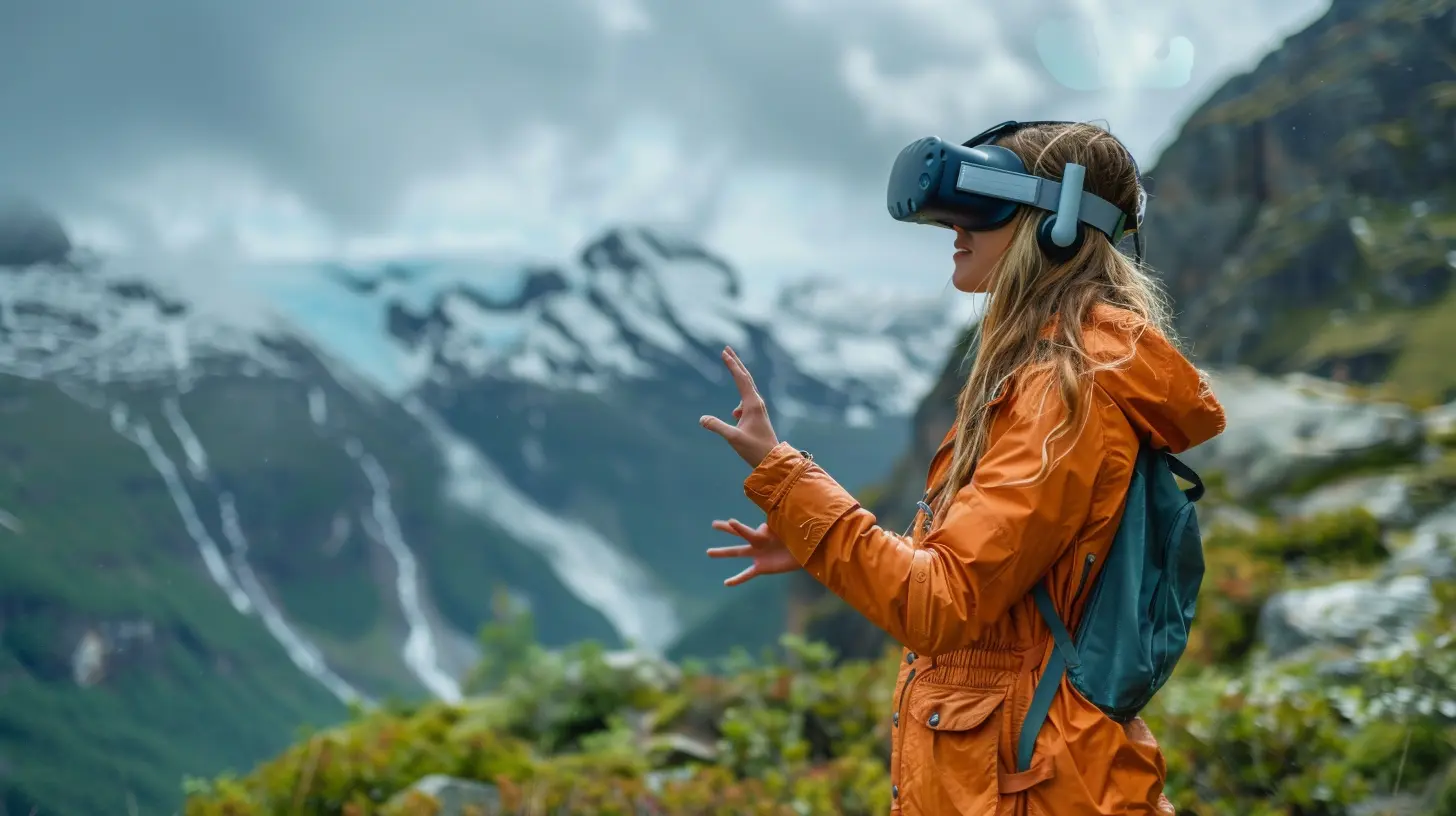
The Rise of Virtual Tourism
Traveling is incredible, but let’s be honest—it can be expensive, time-consuming, and sometimes, downright exhausting. Enter virtual tourism, a digital escape that lets you explore the world from your living room.Thanks to advancements in VR technology, travel enthusiasts can now visit destinations without dealing with long flights, crowded airports, or unexpected weather changes. Whether it’s a historical tour of ancient Rome or a scenic stroll through the Swiss Alps, VR tourism is offering a front-row seat to the wonders of the world.
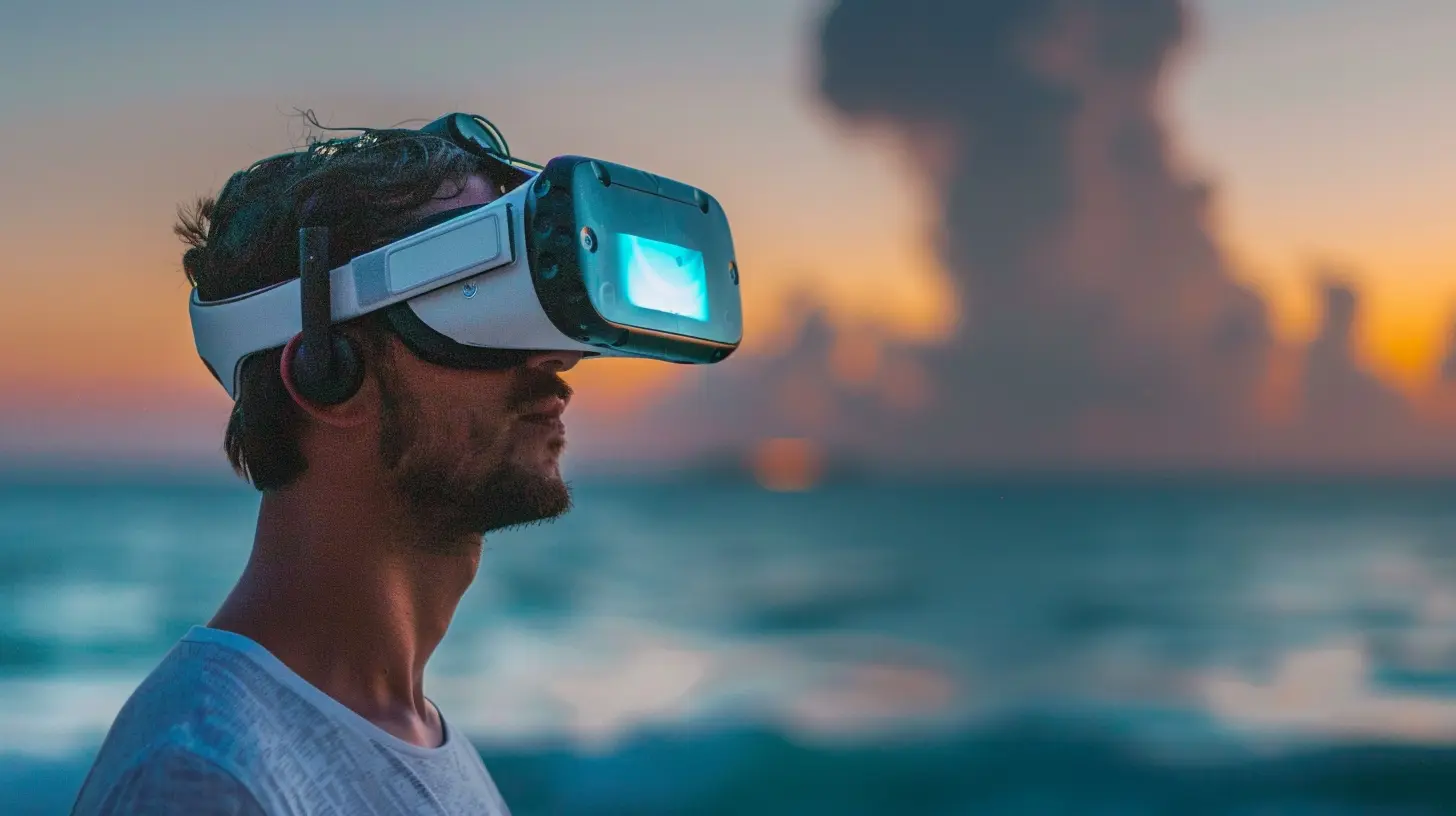
How VR Headsets are Transforming the Travel Experience
So, what makes a VR travel experience so special? A mix of immersion, interactivity, and innovation—that’s what. Let’s break it down.1. Immersive 360° Experiences
Traditional travel videos and online images give you a glimpse of a place, but VR takes it to a whole new level. With 360-degree environments, VR headsets create an illusion that transports you straight into a destination.You’re not just looking at Paris—you’re walking through its cobblestone streets, hearing the chatter of café-goers, and watching the Eiffel Tower light up at night. It’s as close to reality as it gets, minus the jet lag.
2. Interactive Exploration
Ever wished you could roam freely in a museum, lingering at paintings without a tour guide rushing you? With VR, you can.Unlike traditional travel, where you're bound by time and schedules, VR tourism gives you total freedom. Want to linger at the Colosseum or teleport instantly to the Egyptian Pyramids? No problem. VR lets you explore at your own pace.
Some platforms even allow users to interact with their environment—touch artifacts, open doors, or engage with virtual locals. It’s not just sightseeing; it’s experiencing.
3. Affordability and Accessibility
Let’s face it—travel isn’t cheap. Flights, hotels, meals, transportation…the costs add up. But with VR tourism, the world becomes accessible to anyone, anywhere, at any budget.For those who might not be able to travel due to financial, health, or physical limitations, VR offers a window to the world. Elderly individuals, people with disabilities, or families who can't afford extravagant vacations can now experience global wonders without the hefty price tag.
4. Eco-Friendly Travel
While globetrotting is thrilling, it does have an environmental cost—carbon footprints from flights, over-tourism, and damage to natural sites. Virtual tourism, on the other hand, offers a sustainable way to travel.With VR, there’s no need for fuel-guzzling airplanes or endless streams of tourists eroding historical landmarks. It’s a guilt-free way to see the world while reducing the strain on fragile ecosystems.

Industries Benefiting from VR Tourism
VR travel isn’t just a fun gimmick—it’s revolutionizing multiple industries.1. Travel Agencies
Instead of just flipping through brochures, travel agencies are now using VR to give potential tourists a preview of their dream destinations. A quick VR tour of a resort or city can help customers make informed choices before booking their trips.2. Hospitality Industry
Hotels and resorts are jumping on the VR bandwagon to offer virtual room tours. Before booking, guests can explore their suite, check out the beachfront views, and get a feel for the ambiance—all from their headset.3. Education and Museums
VR is turning history lessons into incredible adventures. Imagine learning about the Egyptian pharaohs while "walking through" a detailed, interactive virtual version of their tombs? Museums across the world are using VR to bring history to life.4. Space Tourism
Ever dreamed of being an astronaut? While real space tourism remains a luxury for the ultra-rich, VR lets you walk on the moon, float in zero gravity, and explore the ISS—no million-dollar ticket required.
The Future of VR in Tourism
So, where is this all heading? The future of VR tourism is looking brighter than ever.- AI-Powered Virtual Guides – Imagine a virtual tour guide tailored to your preferences, answering questions and adjusting tours based on your interests.
- Haptic Feedback – Future VR headsets may introduce touch sensations, so you can "feel" the textures of objects, like ancient ruins or sandy beaches.
- Smell Simulation – Yes, this is in development! Soon, you might actually smell the salty ocean air or fresh lavender from a VR trip to Provence.
As technology advances, virtual tourism will only become more immersive—blurring the lines further between the digital and real worlds.
Is VR Tourism a Replacement for Real Travel?
Here’s the big question—will VR replace real travel? The simple answer? Not entirely. While VR tourism is fascinating and offers incredible experiences, it can never fully replicate the actual feel of being in a foreign land.You can’t truly taste the street food in Bangkok, feel the warmth of a tropical breeze, or experience the thrill of physically hiking up a mountain in VR. But it does offer a fantastic alternative for those who can't travel, need a preview before booking, or want to revisit places they love.
In a way, VR isn’t replacing travel—it’s enhancing it. It serves as both a gateway and a supplement, giving people more ways to see the world.
Final Thoughts
VR headsets are redefining what it means to travel. They invite us to see the world in ways we never imagined—without borders, without limits. Whether you’re dreaming of distant lands, revisiting cherished destinations, or simply looking for an escape, virtual tourism is here to transport you anytime, anywhere.So, grab a headset and get ready. Your next adventure is just a click away.
all images in this post were generated using AI tools
Category:
Vr HeadsetsAuthor:

Jerry Graham
Discussion
rate this article
2 comments
Noora Strickland
Who needs a plane ticket? VR makes exploring the world a breeze—let's go!
February 7, 2026 at 5:29 AM
Jerry Graham
Absolutely! VR is revolutionizing travel by making global exploration accessible anytime, anywhere. Let's dive into new worlds together!
Oriana McQuade
This article beautifully captures how VR transforms travel, making distant adventures accessible. Truly a game-changer for exploration!
January 12, 2026 at 5:05 PM
Jerry Graham
Thank you for your kind words! I'm glad you found the article insightful. VR truly is revolutionizing the way we explore the world.