How VR Headsets are Transforming the World of Education
5 August 2026
Virtual Reality (VR) is no longer a concept confined to science fiction or the gaming world. Today, VR is making its mark in various industries, from healthcare to real estate. But one area where VR is shaking things up in ways we couldn’t have imagined a decade ago is education. Yes, you read that right—VR headsets are transforming the way we learn, making education more immersive, interactive, and accessible than ever.
In this article, we’ll dive deep into how VR headsets are revolutionizing education, why they’re becoming a must-have tool in modern classrooms, and what the future holds for this exciting technology.
The Traditional Classroom vs. Virtual Reality: A New Era
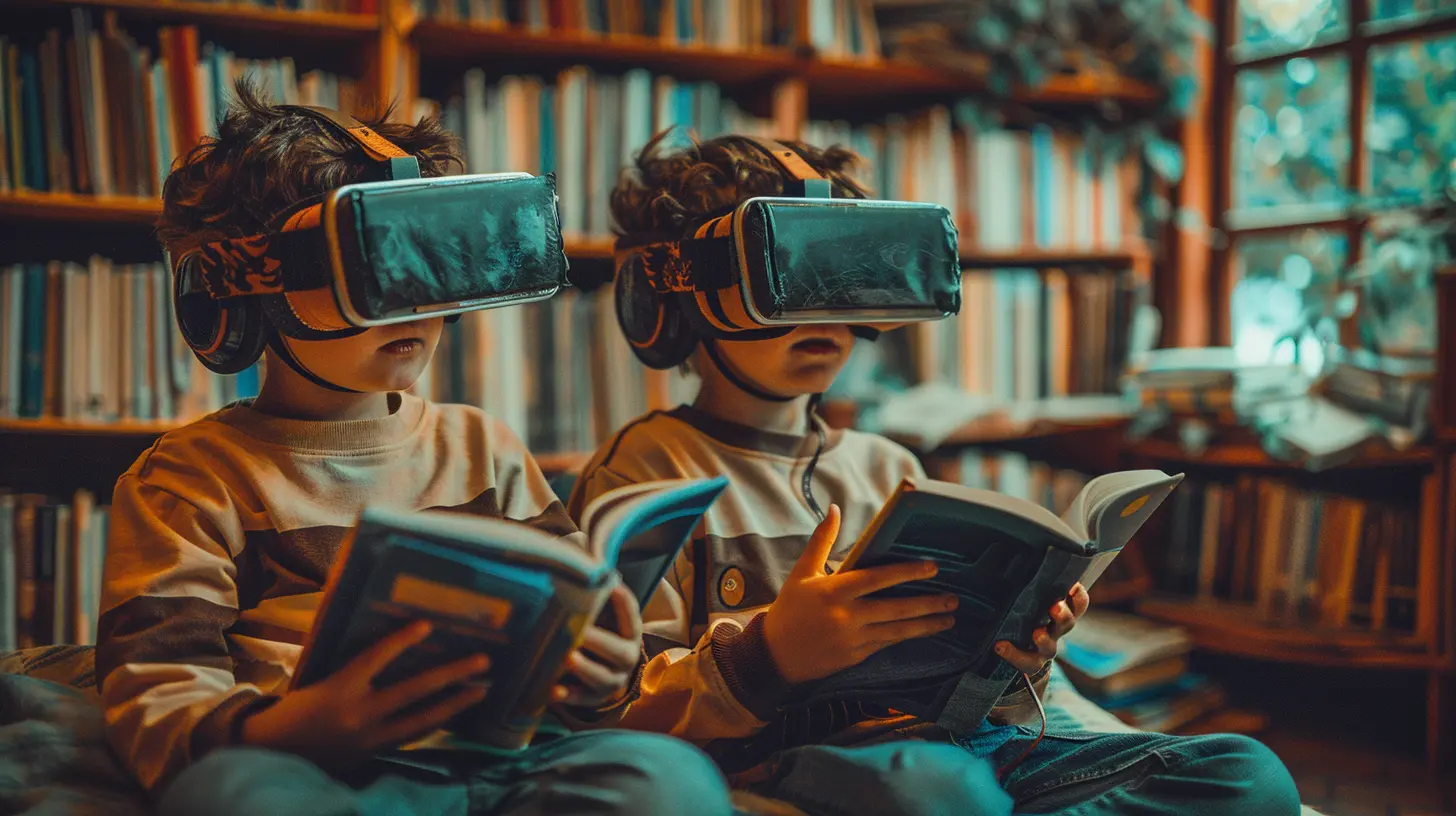
Let’s face it, traditional classrooms can feel a bit like, well, a relic of the past. You’ve got whiteboards, textbooks, and lectures that, while informative, can often feel disengaging. Students are expected to absorb information passively, with limited hands-on experience and minimal interaction with the material.Now, enter Virtual Reality. Imagine putting on a VR headset and finding yourself inside an ancient Roman city, watching historical events unfold around you. Or stepping into a fully functional human heart to see how it pumps blood. No, this isn’t a scene from a sci-fi movie—it’s what students today can experience thanks to VR.
In essence, VR doesn’t just tell students about something; it shows them. This level of immersion can transform abstract concepts into tangible experiences, making learning not only more engaging but also far more effective.
Why Traditional Methods Fall Short
- Lack of Engagement: Lectures and textbooks can only go so far in holding a student’s attention.- Limited Visualization: Complex subjects like physics or biology often require visual aids that traditional methods just can’t offer.
- One Size Fits All: Everyone learns differently, but traditional education approaches tend to treat all students the same.
VR addresses all of these issues by offering an immersive, interactive learning environment. It’s no longer about simply reading or listening to information—students can now experience it.
How VR Headsets are Changing the Learning Experience
When we talk about VR, we’re not just referring to a fancy gadget. It’s a tool that has the potential to reshape the way we approach education. But how exactly does it do this? Let’s break it down.1. Enhancing Engagement and Focus
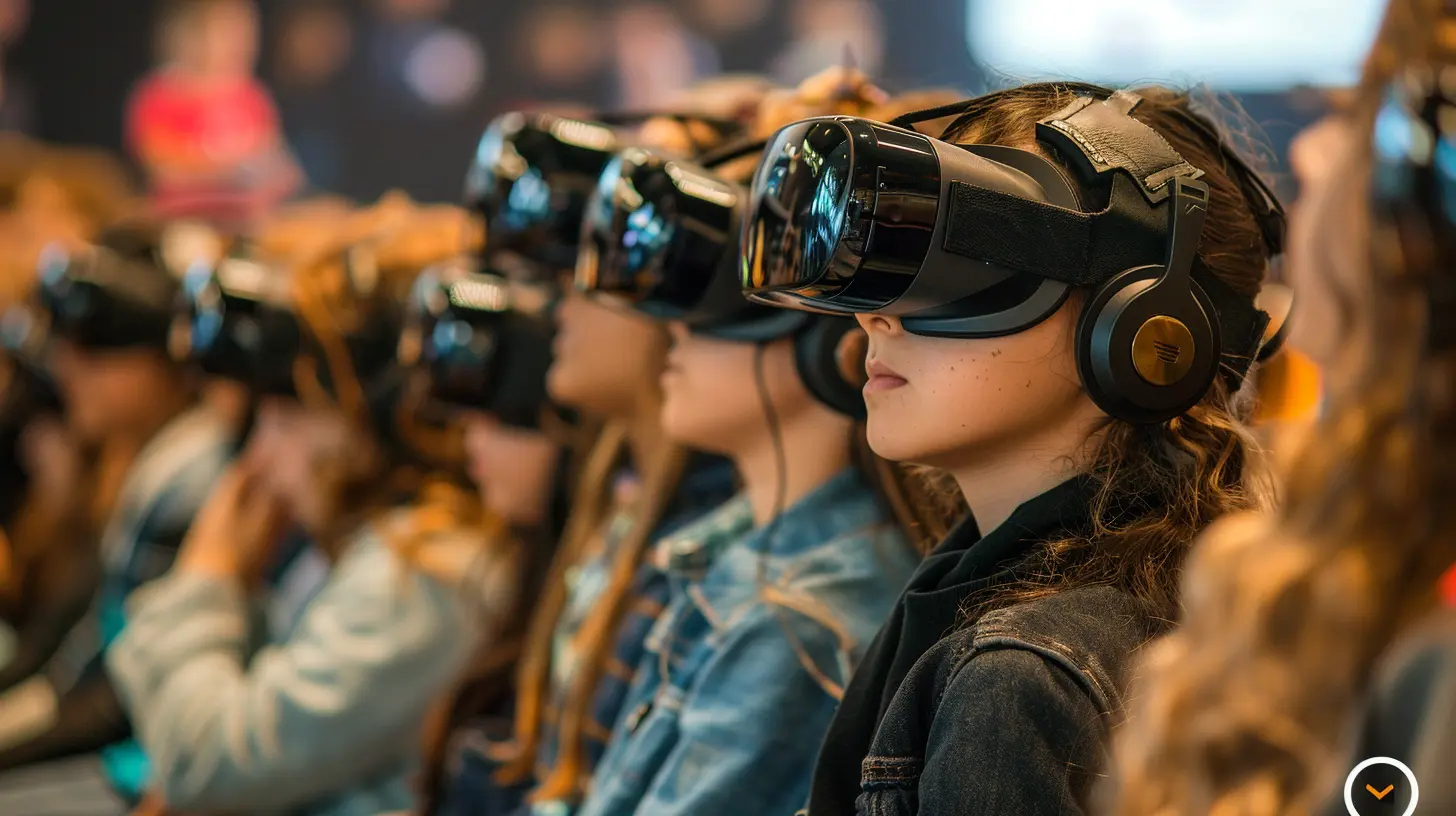
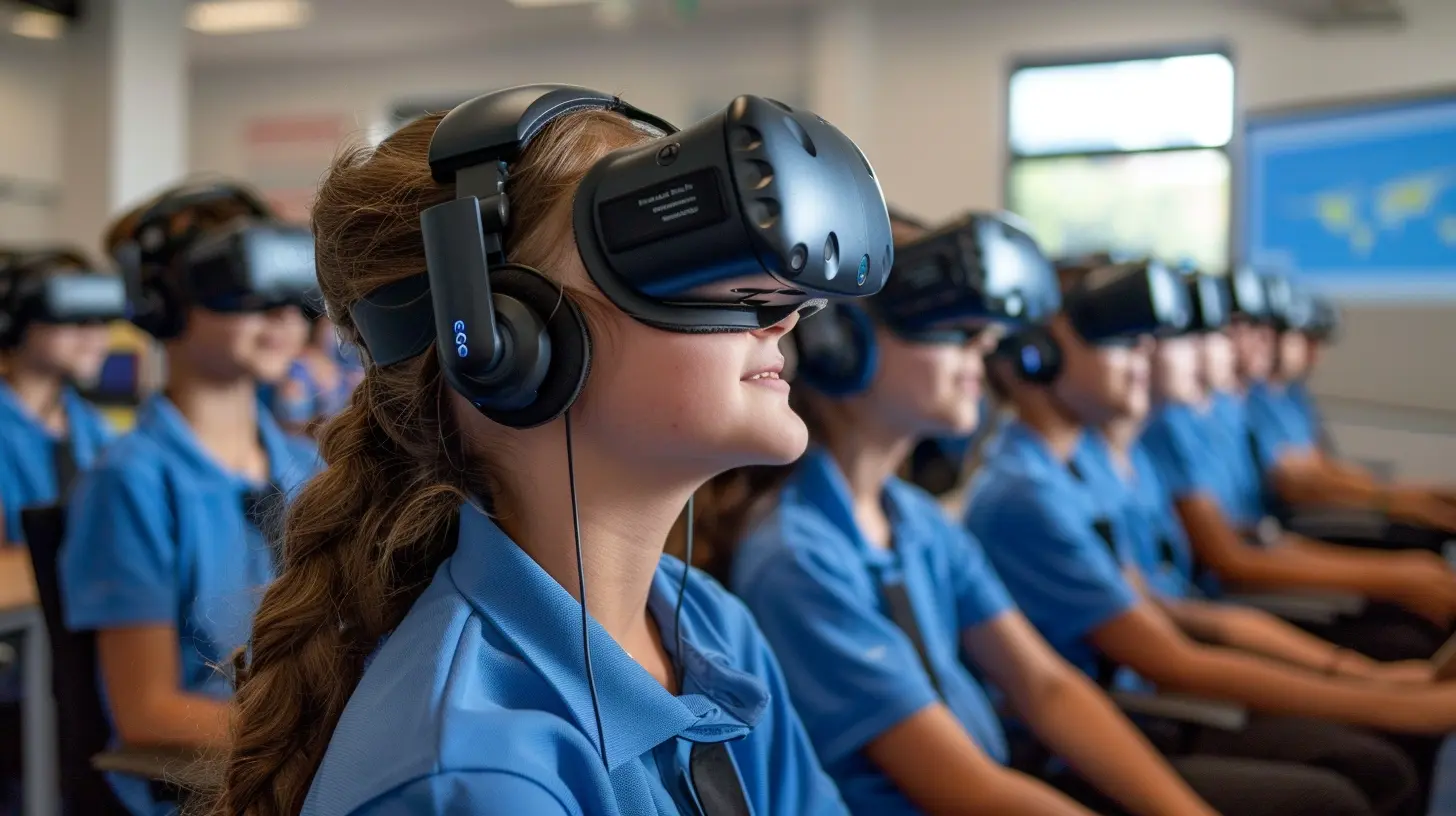
One of the biggest challenges teachers face today is keeping students engaged. Attention spans are shrinking, and distractions are everywhere. But VR headsets have a unique ability to capture and retain students' attention.Why? Because when you’re fully immersed in a VR environment, it’s hard to be distracted by the outside world. You’re not just watching a video or reading a textbook—you’re inside the lesson. Whether you’re exploring the surface of Mars or dissecting a virtual frog, VR makes learning an active, rather than passive, experience.
2. Making Complex Subjects More Understandable
Let’s be honest, some subjects are just plain hard to grasp. Think about quantum physics or human anatomy. While textbooks and diagrams can help, they often fall short of giving students a true understanding of these complex topics.This is where VR steps in as a game-changer. For instance, instead of looking at 2D images of the human body, students can use VR to walk through a 3D model, seeing every organ, muscle, and blood vessel in intricate detail. It’s like having the ultimate “magic school bus” experience, where students can explore the intricacies of the human body just by putting on a headset.
3. Personalized Learning Experiences
Not all students learn at the same pace. Some grasp concepts quickly, while others need more time. VR offers a personalized learning experience where students can learn at their own speed. If a student is struggling with a particular concept, they can revisit the VR lesson repeatedly until they feel comfortable.Additionally, VR can cater to different learning styles. Whether a student learns best through visual cues, auditory instructions, or hands-on interaction, VR can offer a tailored experience that meets their needs.
4. Breaking Down Geographical Barriers
One of the major limitations of traditional education is that it’s bound by geography. Not all students have the resources or opportunities to visit historical landmarks, museums, or even different countries. However, VR eliminates these barriers by allowing students to visit any place, anytime, without ever leaving the classroom.Want to visit the Great Wall of China? How about taking a tour of the Louvre? With VR, it’s all possible. This opens up a world of opportunities for students who might otherwise never have the chance to experience these places in real life.
5. Promoting Collaboration and Social Learning
Contrary to popular belief, VR isn’t just an isolating experience. In fact, many VR platforms are designed to encourage collaboration. Students can work together in virtual environments, solving problems, conducting experiments, or even embarking on virtual field trips as a group.This kind of collaborative, interactive learning encourages teamwork, communication, and problem-solving skills—all essential skills for the workforce of the future.
Real-World Applications of VR in Education
If you’re thinking, “Okay, this all sounds great, but how is VR actually being used in real classrooms?”—you’re not alone. While VR is still relatively new in education, there are already plenty of examples of how it’s making a real impact.1. Virtual Field Trips
One of the most popular uses of VR in education is virtual field trips. Schools that can’t afford to take students on physical trips to places like the Galápagos Islands or the International Space Station can now bring these experiences to their classrooms through VR.Google Expeditions is one such tool that allows students to explore over 900 virtual field trips. These trips are highly immersive and give students the sensation of actually being there, walking through historical sites or exploring ecosystems.
2. Medical Training
Medical schools have also been quick to adopt VR as a teaching tool. Traditionally, medical students learn through textbooks, lectures, and cadaver dissections. But VR offers something even more powerful: the ability to simulate surgeries, practice procedures, and explore the human body in an interactive 3D environment.Platforms like Touch Surgery allow students to perform virtual surgeries, helping them gain hands-on experience before ever stepping into a real operating room.
3. Science and Engineering
For subjects like physics, chemistry, and engineering, VR offers a way for students to conduct experiments that they might not otherwise be able to do in a traditional classroom. For example, students can use VR to simulate chemical reactions, build virtual bridges, or even explore the laws of motion in a virtual space.Apps like Labster are already being used by schools around the world to offer virtual science labs where students can conduct experiments without the need for physical lab equipment.
4. Special Education
VR is also making significant strides in special education. For students with learning disabilities or physical impairments, traditional teaching methods can be challenging. But VR offers an inclusive learning experience that can be tailored to meet the specific needs of each student.For example, students with autism can use VR to practice social interactions in a controlled, safe environment. This helps them develop crucial life skills in a way that feels less overwhelming than real-world interactions.
What Does the Future Hold for VR in Education?
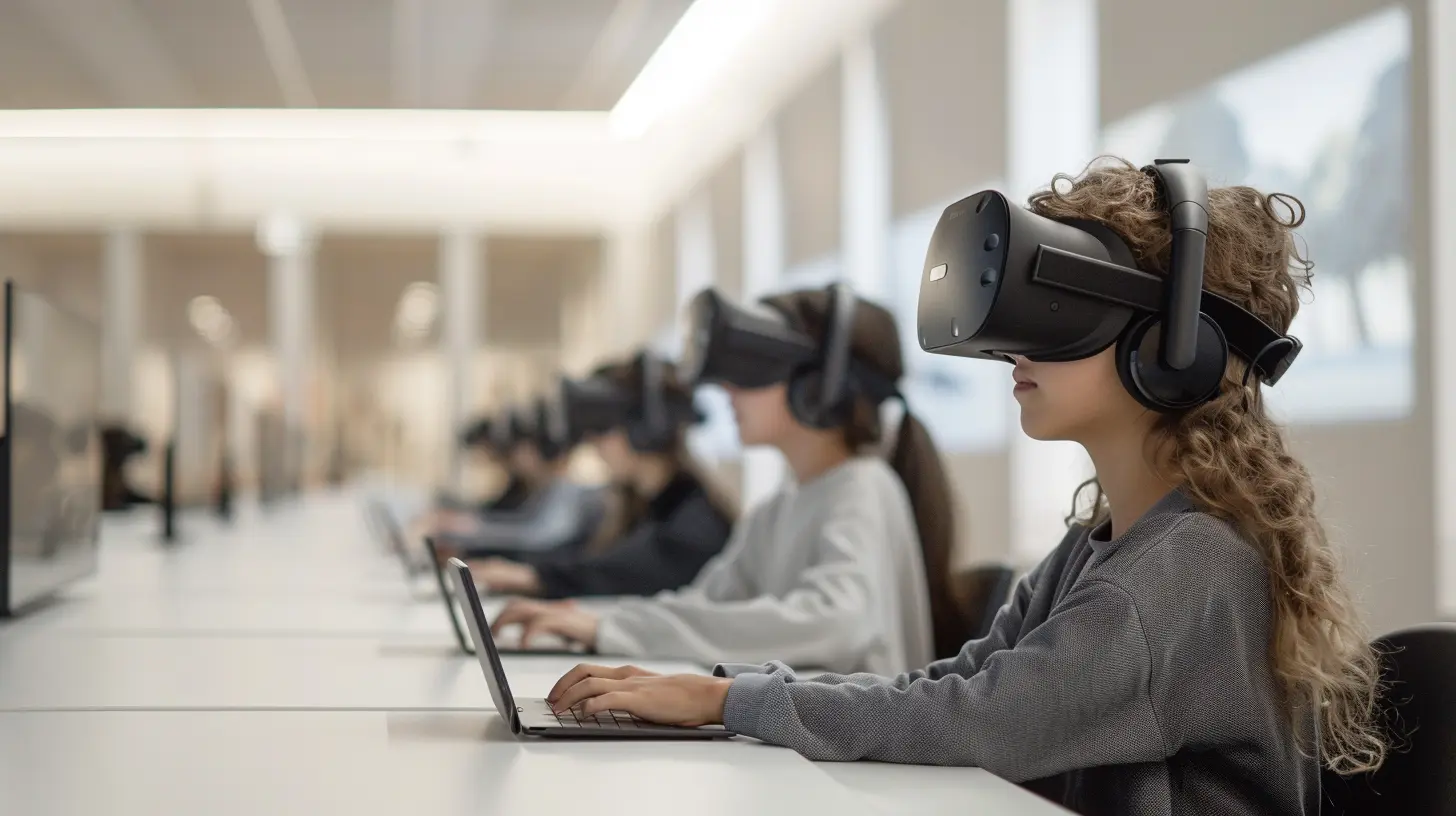
As VR technology continues to evolve, its role in education is only expected to grow. In the near future, we could see VR headsets become as commonplace in classrooms as laptops or tablets. But what’s even more exciting is the potential for VR to completely redefine what education looks like.Imagine a world where students no longer need to be confined to a physical classroom. Instead, they could attend virtual schools, interacting with teachers and peers in a fully immersive, online environment. This could make education more accessible to students in remote areas or those with special needs.
But it’s not just about accessibility. VR has the potential to make education more engaging, personalized, and effective than ever before. In a world where information is constantly at our fingertips, VR offers a way to bring that information to life in a way that textbooks and lectures simply can’t.
Challenges and Considerations
Of course, no technology is without its challenges, and VR is no exception. For one, there’s the cost. While VR headsets are becoming more affordable, they’re still out of reach for many schools, especially those in low-income areas.There’s also the issue of content. While there are plenty of VR apps and platforms designed for education, the field is still relatively new, and there’s a limited amount of high-quality, curriculum-aligned content available.
Finally, there’s the question of how VR will integrate with existing teaching methods. VR is a powerful tool, but it’s not a replacement for good teaching. Educators will need to find ways to incorporate VR into their lessons without relying on it as a crutch.
Conclusion
There’s no denying that VR is transforming the world of education. From making complex subjects more understandable to breaking down geographical barriers, VR offers a learning experience that’s more immersive, engaging, and effective than traditional methods. While there are still challenges to overcome, the potential for VR in education is enormous.As VR technology continues to evolve, we can expect to see it play an even bigger role in classrooms around the world. Whether you’re a student, a teacher, or just someone interested in the future of education, one thing is clear: VR is here to stay, and it’s going to change the way we learn forever.
all images in this post were generated using AI tools
Category:
Vr HeadsetsAuthor:

Jerry Graham
Discussion
rate this article
1 comments
Jackson Jennings
VR headsets are revolutionizing how we learn today.
August 16, 2026 at 2:23 AM
Jerry Graham
Absolutely, VR headsets are creating immersive learning experiences that engage students like never before.