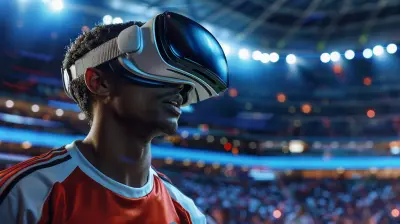
How VR is Changing the Way We Experience Museums and Art
1 March 2026
Virtual Reality (VR) has come a long way from being just a futuristic dream or a gaming gimmick. It’s now redefining how we experience the world around us, and one of the most exciting transformations is happening in the world of museums and art.
Imagine standing in front of the Mona Lisa without flying to Paris, or walking through an ancient Egyptian tomb without leaving your living room. Sounds surreal, right? Well, that’s exactly what VR is making possible.
In this article, we’ll dive into how VR is revolutionizing the traditional museum and art experience, making it more immersive, accessible, and dynamic than ever before.
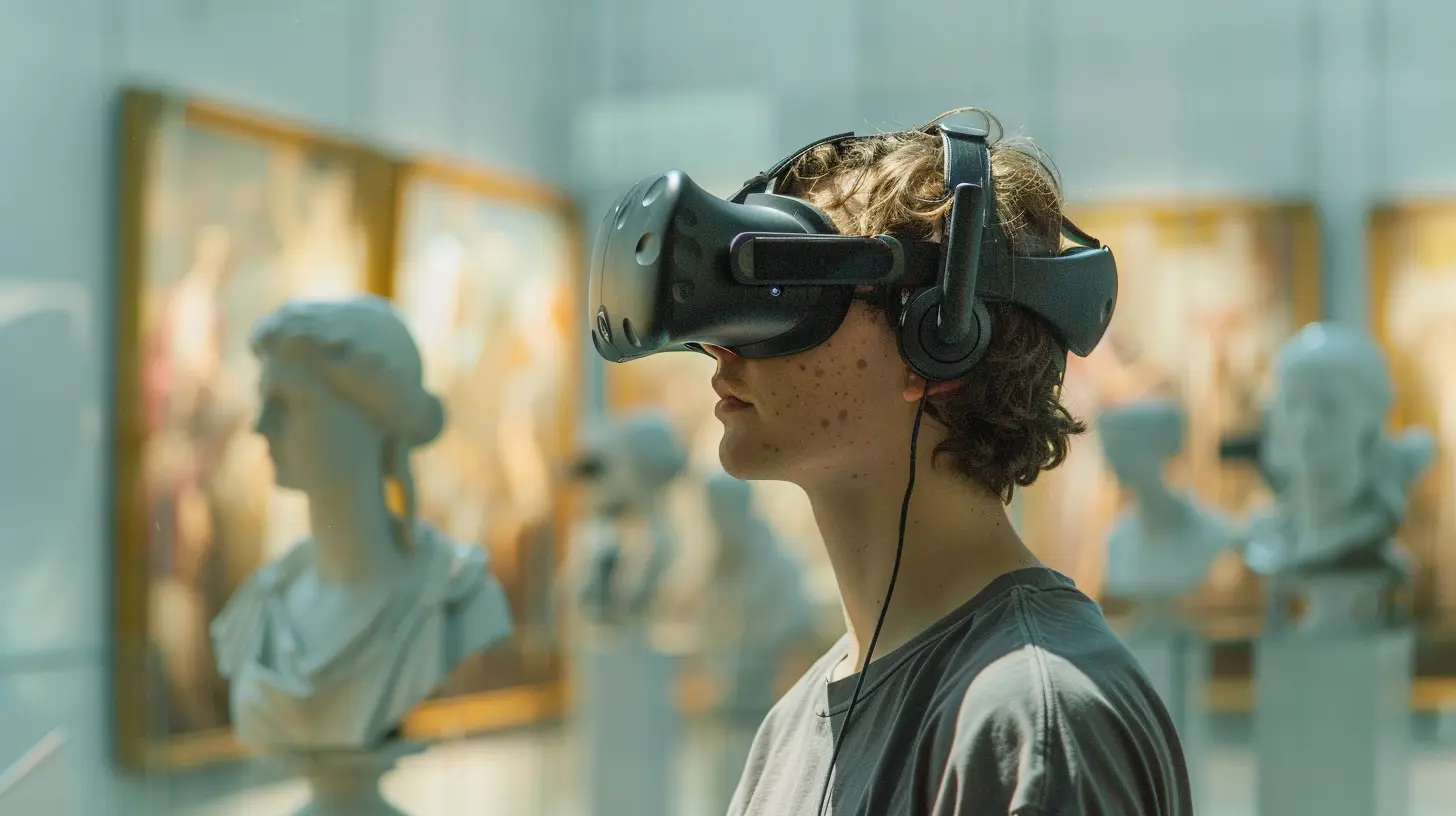
The Traditional Museum Experience vs. VR-Powered Exhibits
For centuries, visiting a museum meant physically walking through grand halls, observing artifacts from behind glass, and reading tiny plaques for context. While this experience has its charm, it's limited—especially for those who can’t travel to major cultural hubs.VR, on the other hand, smashes these barriers. With a VR headset, you aren’t just looking at art—you’re stepping inside it. Instead of staring at a centuries-old painting, you can immerse yourself in the artist’s world, seeing the strokes come to life in a way that wasn’t possible before.
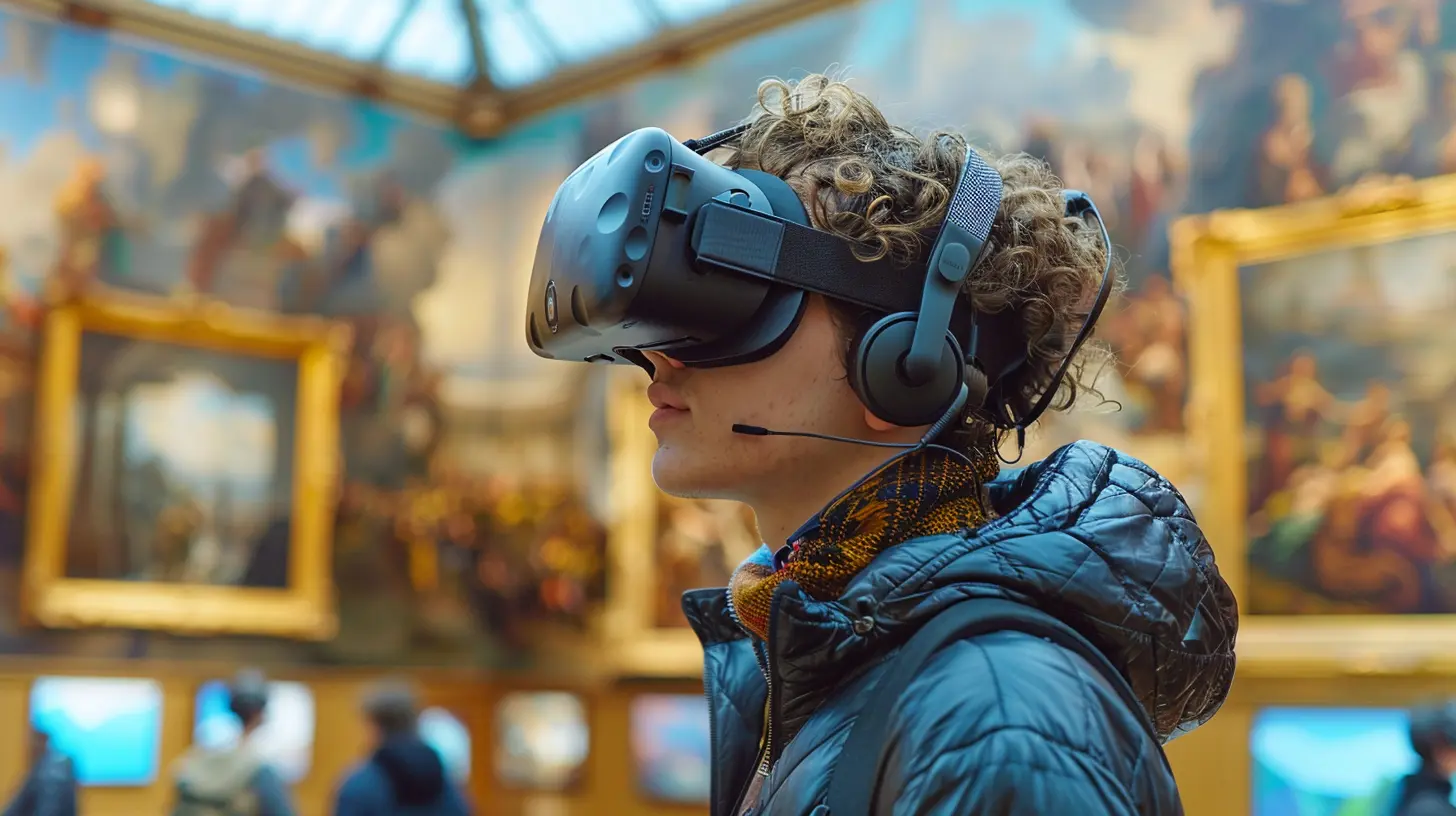
The Rise of Virtual Museums
With advancements in VR, we now have fully digital museums that exist only in cyberspace. Institutions like the Louvre and The British Museum have already embraced VR technology, offering virtual tours where you can roam their halls from anywhere in the world.Some platforms, like Google Arts & Culture, allow users to explore high-resolution artworks in 360-degree views, zooming in to see details even better than they could in person. Others, like the VR Museum of Fine Art, provide lifelike museum experiences without physical constraints.
Benefits of Virtual Museums
- Global Accessibility – No more expensive flights or long lines. Anyone with an internet connection can visit world-famous exhibits.- Interactivity – Instead of static displays, VR enables visitors to interact with art, historical artifacts, and animations.
- Preservation – Some historical sites and ancient relics are too fragile to be handled. VR allows them to be digitally preserved and experienced without risk of damage.
- Education & Engagement – VR can make history and art more engaging for students by providing interactive storytelling rather than dry textbook material.
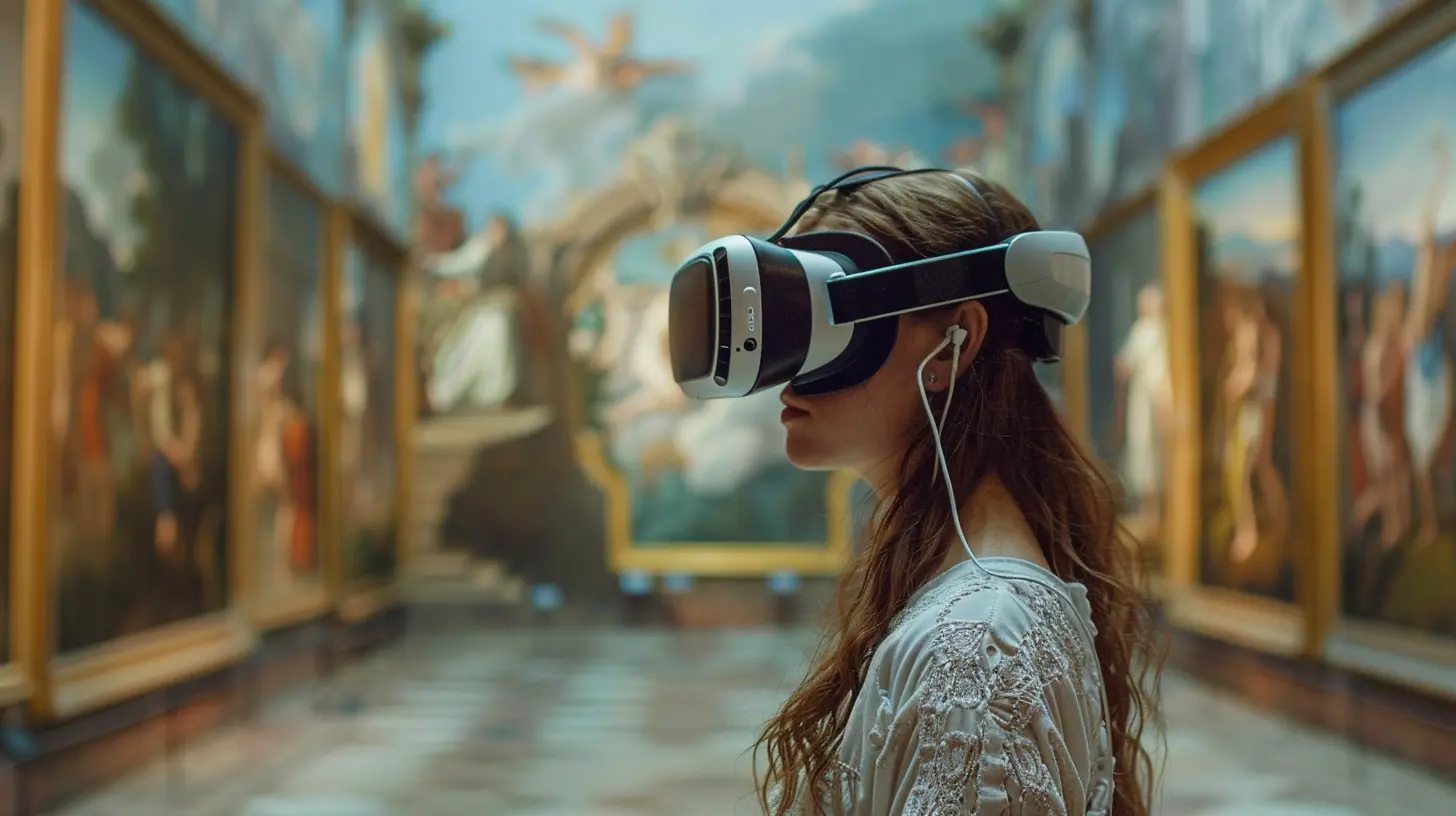
How VR is Changing the Way We Experience Art
Beyond museums, VR is also changing how we perceive and engage with art itself. Artists are now creating pieces designed specifically for virtual spaces, allowing viewers to be a part of the art rather than just observers.1. Stepping Inside the Artwork
Have you ever wished you could step inside a Van Gogh painting or walk around a surrealist masterpiece? With VR, that’s now possible. Experiences like "The Night Café" use VR to let users step into Van Gogh’s world, exploring his brushstrokes as if they were real environments.2. Interactive Art Installations
Artists are pushing boundaries by creating VR-powered installations where the audience plays an active role. Some pieces react to movement, gaze, or even voice commands, making each interaction unique.3. Collaboration Without Borders
VR also allows artists to collaborate in virtual spaces, working on 3D sculptures or immersive projects in real time, regardless of location. It’s like having a shared art studio that exists in a digital dimension.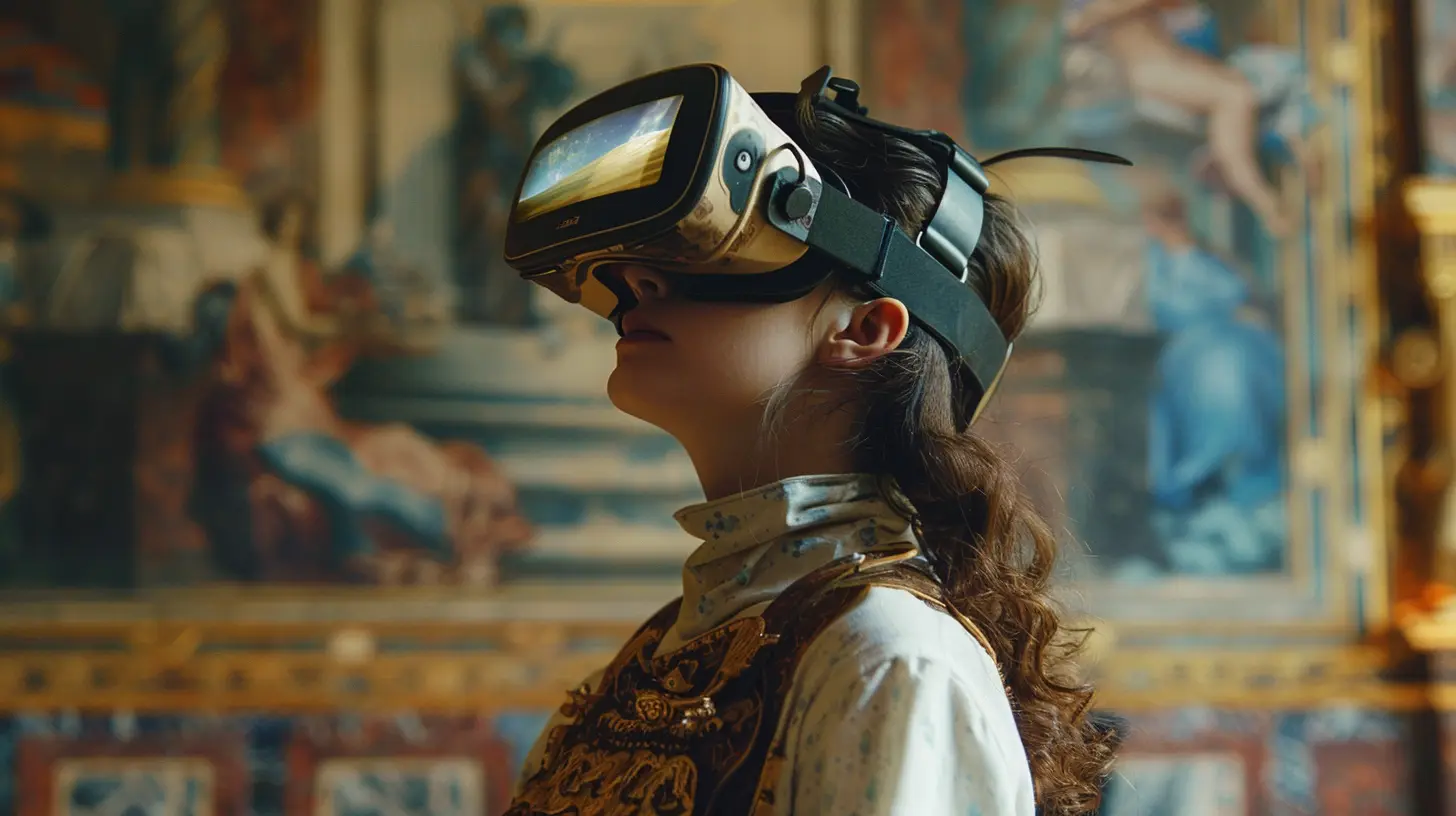
The Role of Augmented Reality (AR) in Museums and Art
While VR fully immerses users in a digital world, Augmented Reality (AR) blends digital elements with the real world. Many museums are using AR apps to enhance physical exhibits.Examples of AR in Museums
- The Smithsonian’s Skin & Bones App – Brings skeletal exhibits to life by adding virtual flesh and movement.- The National Museum of Singapore – Uses AR to animate artifacts and historical events right before your eyes.
- The Artivive App – Lets visitors view static artworks through their phone cameras, revealing hidden animations or additional layers of meaning.
AR enhances traditional museum visits by adding digital depth to physical objects, making the experience more engaging and informative.
VR's Impact on Cultural Heritage and Historical Preservation
One of VR’s most fascinating applications is in historical preservation. Ancient ruins, archaeological sites, and lost civilizations can be virtually reconstructed, allowing people to experience them as they once were.For instance, the ruins of Pompeii have been digitally recreated using VR, providing a time-travel-like experience for history buffs. Similarly, Notre Dame Cathedral, which suffered extensive fire damage, has been scanned and rebuilt in VR, allowing visitors to admire its former glory.
Challenges and Limitations of VR in Museums and Art
Of course, not everything about VR is perfect. There are still hurdles to overcome:- Cost – High-quality VR setups can be expensive for both museums and users.
- Accessibility Issues – Not everyone owns a VR headset, limiting its reach.
- Lack of Physical Presence – Viewing art on a screen, even in VR, isn’t quite the same as standing in front of an actual masterpiece.
- Tech Limitations – While improving rapidly, VR still has some resolution and rendering limitations compared to real-world visuals.
Despite these challenges, the technology is evolving, and as it becomes more affordable and refined, its impact on museums and the art world will only grow.
The Future of VR in Museums and Art
So, where is all of this headed? In the next decade, we could see VR becoming a standard tool in museum curation and artistic expression. AI-driven personalization might allow virtual exhibits to adapt to each visitor’s preferences, creating tailored experiences.We might also see more hybrid spaces—physical museums integrating virtual components seamlessly, offering visitors a mix of real and digital interactions.
One thing is certain: VR is here to stay, and it’s reshaping how we engage with history, culture, and creativity in ways we never imagined.
Final Thoughts
There’s no denying it—VR is revolutionizing the museum and art experience. Whether it’s wandering through ancient sites, stepping inside paintings, or engaging with interactive exhibits, virtual reality is making art and history more accessible and immersive than ever.While nothing can fully replace the magic of standing before a centuries-old masterpiece, VR offers something equally exciting—a bridge between the past and the future, bringing cultural treasures to anyone, anywhere.
So, will the next museum you visit be virtual? Only time will tell.
all images in this post were generated using AI tools
Category:
Virtual RealityAuthor:

Jerry Graham
Discussion
rate this article
2 comments
Amos McKibben
Virtual reality is revolutionizing the museum experience by breaking down traditional barriers. It allows for immersive storytelling, enabling visitors to engage deeply with art and history. As technology evolves, we can expect even more innovative ways to appreciate culture, making art accessible to everyone, everywhere.
March 3, 2026 at 7:23 PM
Jerry Graham
Absolutely! VR is transforming how we connect with art and history, offering accessible and immersive experiences that bring culture to life. Exciting possibilities lie ahead!
Anisa Martinez
VR transforms art engagement, making it immersive.
March 1, 2026 at 12:14 PM
Jerry Graham
Thank you! VR truly revolutionizes art by creating immersive experiences that deepen our engagement and understanding.