Is Wireless Home Automation the Future?
17 January 2026
Home automation has been around for a while, but with the rise of wireless technology, it’s evolving faster than ever. Gone are the days of clunky wired systems; today, smart homes are becoming more efficient, accessible, and, most importantly, wireless. But does this mean wireless home automation is the future? Let’s break it down.
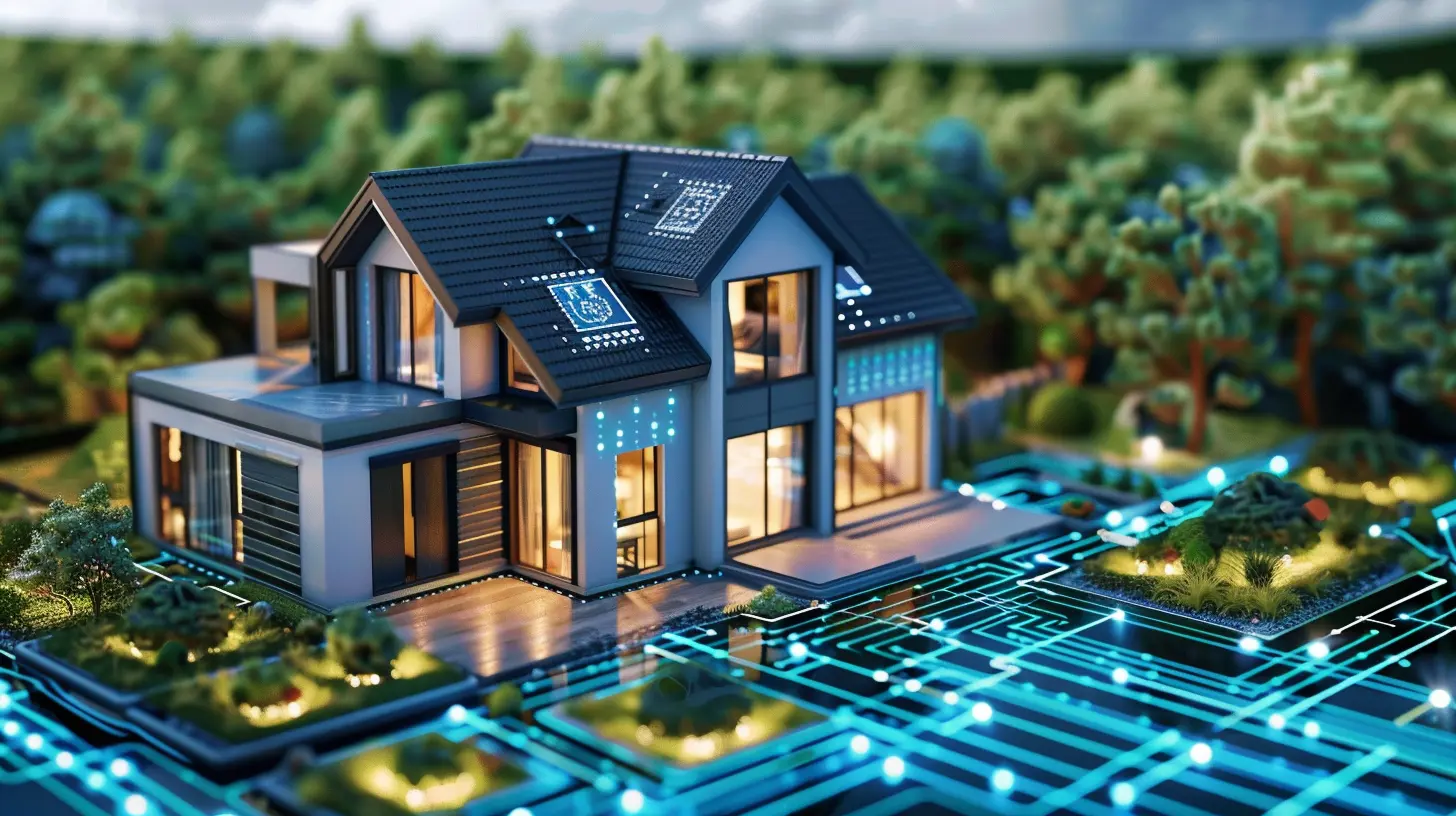
The Rise of Wireless Home Automation
Wireless home automation isn’t just a trend—it’s a revolution. The increasing adoption of smart devices, IoT (Internet of Things), and AI-driven solutions has made automation seamless and more convenient than ever. Homes are no longer just places we live; they’re becoming intelligent ecosystems that adapt to our needs.From voice-controlled lighting to smart security cameras and even AI-powered thermostats, the shift toward wireless tech is undeniable. The question is: what makes wireless automation the go-to choice for modern homeowners?

Why Wireless Home Automation is Gaining Popularity
1. Ease of Installation
One of the biggest advantages of wireless home automation is the hassle-free installation. Unlike traditional wired systems that require drilling, complex wiring, and professional assistance, wireless devices can be set up in minutes. A smart thermostat, for instance, can be installed and connected to your phone without needing an electrician.2. Flexibility and Scalability
Want to add a smart door lock? No problem. Looking to integrate voice-controlled lights? Easy. Wireless systems allow homeowners to expand and customize their smart home setup without being restricted by wiring limitations. Whether you're living in a small apartment or a multi-story house, wireless automation adapts to your needs.3. Cost-Effectiveness
Compared to traditional wired systems, wireless alternatives tend to be more affordable. There are no labor-intensive installations, no high maintenance costs, and no need to rewire your entire house. This makes smart automation accessible to a broader audience, turning any home into a futuristic space.4. Remote Access and Control
The ability to monitor and control your home from anywhere is perhaps the most appealing aspect of wireless automation. Whether you’re at work, on vacation, or just chilling on the couch, you can control your lights, thermostat, and security system right from your smartphone. This level of convenience is what truly sets wireless automation apart.5. Integration with Other Smart Devices
Wireless automation doesn’t work alone—it seamlessly integrates with other smart home technologies. AI assistants like Amazon Alexa, Google Assistant, and Apple HomeKit make managing an entire home as simple as issuing a voice command. Everything from smart fridges to automated blinds can be interconnected to create a fully synchronized living experience.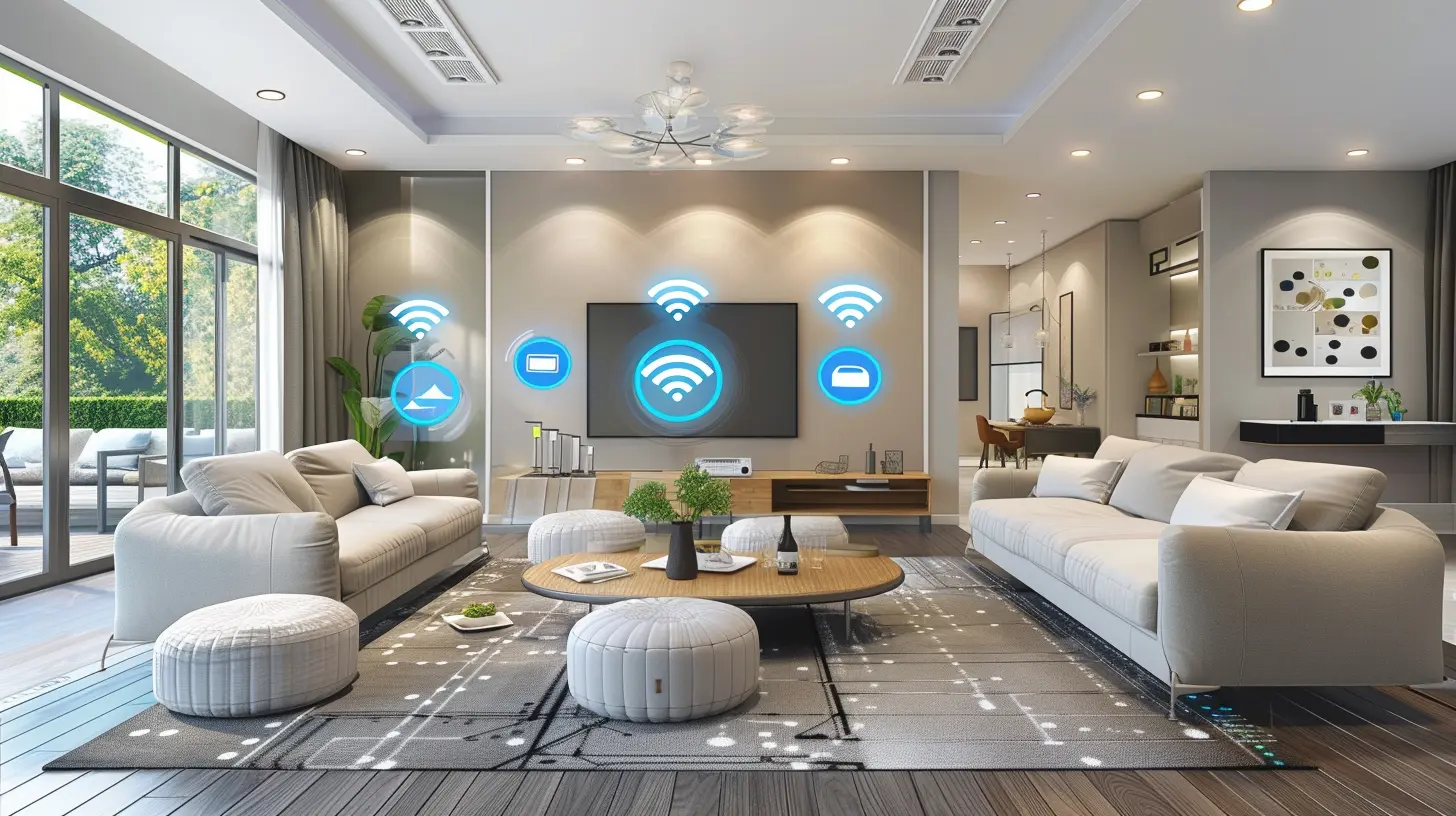
Challenges of Wireless Home Automation
Despite its advantages, wireless home automation isn’t without its challenges. Here are a few concerns that homeowners need to consider:1. Security Risks
Any device connected to the internet is vulnerable to hacking. If your wireless home automation system isn’t secured properly, it could be an easy target for cybercriminals. This is why using strong passwords, enabling two-factor authentication, and keeping your devices updated is crucial.2. Connectivity Issues
Wireless devices rely on a stable internet connection. If your Wi-Fi goes down or experiences interference, your automation system might not work as expected. A weak connection can lead to delays in commands, glitches, or even complete disconnections.3. Battery Dependency
Unlike wired systems, many wireless smart devices rely on batteries. While they offer convenience, they also require regular charging or replacement. Forget to charge your smart door lock, and you might find yourself locked out of your own home!4. Compatibility Concerns
Not all smart home devices play well together. Some devices work exclusively with specific ecosystems (Google Home, Alexa, etc.), which can be frustrating for users looking to mix and match brands. Ensuring compatibility before purchasing devices is essential.
The Role of AI in Wireless Home Automation
One of the biggest driving forces behind the growth of wireless home automation is artificial intelligence (AI). AI-powered systems are making homes smarter by learning from user habits and adapting accordingly.For example, smart thermostats can analyze your daily routines and adjust temperatures based on your preferences. AI-driven security cameras can distinguish between family members, guests, and potential intruders. The more these systems learn, the more intuitive and autonomous they become.
The Future of Wireless Home Automation
So, is wireless home automation the future? Absolutely. With 5G technology, edge computing, and advancements in AI, smart homes will only become smarter, more efficient, and more intuitive.But what does this mean for homeowners? Here’s what we can expect in the coming years:
1. Voice and Gesture-Based Control
We’ve already seen voice assistants revolutionize smart homes, but the future could take it even further. Imagine turning off lights or lowering the thermostat with just a wave of your hand. Gesture control could become a standard feature in smart homes before we know it.2. Energy-Efficient Smart Homes
Sustainability is a growing concern, and wireless home automation will play a key role in reducing energy consumption. Smart homes of the future will integrate solar power, automated energy-saving systems, and AI-driven monitoring to cut down on electricity bills while being environmentally friendly.3. Fully Autonomous Homes
We’re heading towards fully self-sufficient homes where automation doesn’t just assist—it takes complete control. AI-driven ecosystems will anticipate needs and make adjustments in real-time. Your home could automatically start brewing coffee when your morning alarm rings or close the blinds when the sun sets.4. Smarter Security Systems
Security will continue to improve with biometric authentication, real-time facial recognition, and AI-powered threat detection. Wireless smart security will not only protect homes but also create safer neighborhoods through integrated surveillance networks.5. Better Interconnectivity Among Devices
As technology evolves, device compatibility will no longer be a hurdle. Future smart home ecosystems will ensure seamless integration between brands, making it easier than ever to create a fully connected living space.
Final Thoughts
Wireless home automation isn’t just a luxury—it’s becoming a standard. With ease of use, affordability, and constant advancements, it’s clear that the future of smart homes is wireless. While challenges like security and connectivity still need improvements, the benefits far outweigh the drawbacks.So, is wireless home automation the future? All signs point to yes. The question is not if, but how soon we’ll see homes transition completely to wireless automation. One thing’s for sure—our homes are getting smarter, and life is only going to get more convenient from here!
all images in this post were generated using AI tools
Category:
Home AutomationAuthor:

Jerry Graham
Discussion
rate this article
2 comments
Velma Simmons
Wireless home automation isn’t just convenience—it’s a revolution. As connectivity expands, our homes will transform into smart ecosystems, redefining the way we live, work, and play.
February 8, 2026 at 7:37 PM
Jerry Graham
Absolutely! Wireless home automation is indeed a transformative force, enhancing our lifestyles and creating smarter, more efficient living spaces.
Christina Pacheco
Wireless home automation offers convenience and efficiency, but we must balance innovation with security and privacy concerns for lasting success.
January 19, 2026 at 5:30 AM
Jerry Graham
Absolutely! Finding the right balance between innovation and security is crucial for the sustainable growth of wireless home automation.