Leveraging AI for Predictive Analytics in Digital Business
31 January 2026
Let’s face it—data is the new oil. But just like oil, data in its raw form isn’t all that helpful unless you know how to refine it and turn it into something valuable. That’s where AI-powered predictive analytics steps in, completely transforming the game for digital businesses across the globe. Whether you're a startup founder, a digital marketer, or a business analyst, this tech is like having a crystal ball—only way smarter.
In this article, we’ll unpack the nitty-gritty of leveraging AI for predictive analytics in the digital business world. We’ll keep it simple, engaging, and practical. Ready? Let’s dive right in.
What Is Predictive Analytics, Really?
At its core, predictive analytics is all about using data, algorithms, and machine learning techniques to identify the likelihood of future outcomes based on historical data. Think of it as peeking into the future, based on clues from the past.But here’s the kicker: when we throw artificial intelligence (AI) into that mix, predictive analytics becomes not just smart—it becomes autonomous and scalable. AI helps analyze massive datasets faster, more accurately, and with fewer errors. It's like putting predictive analytics on steroids.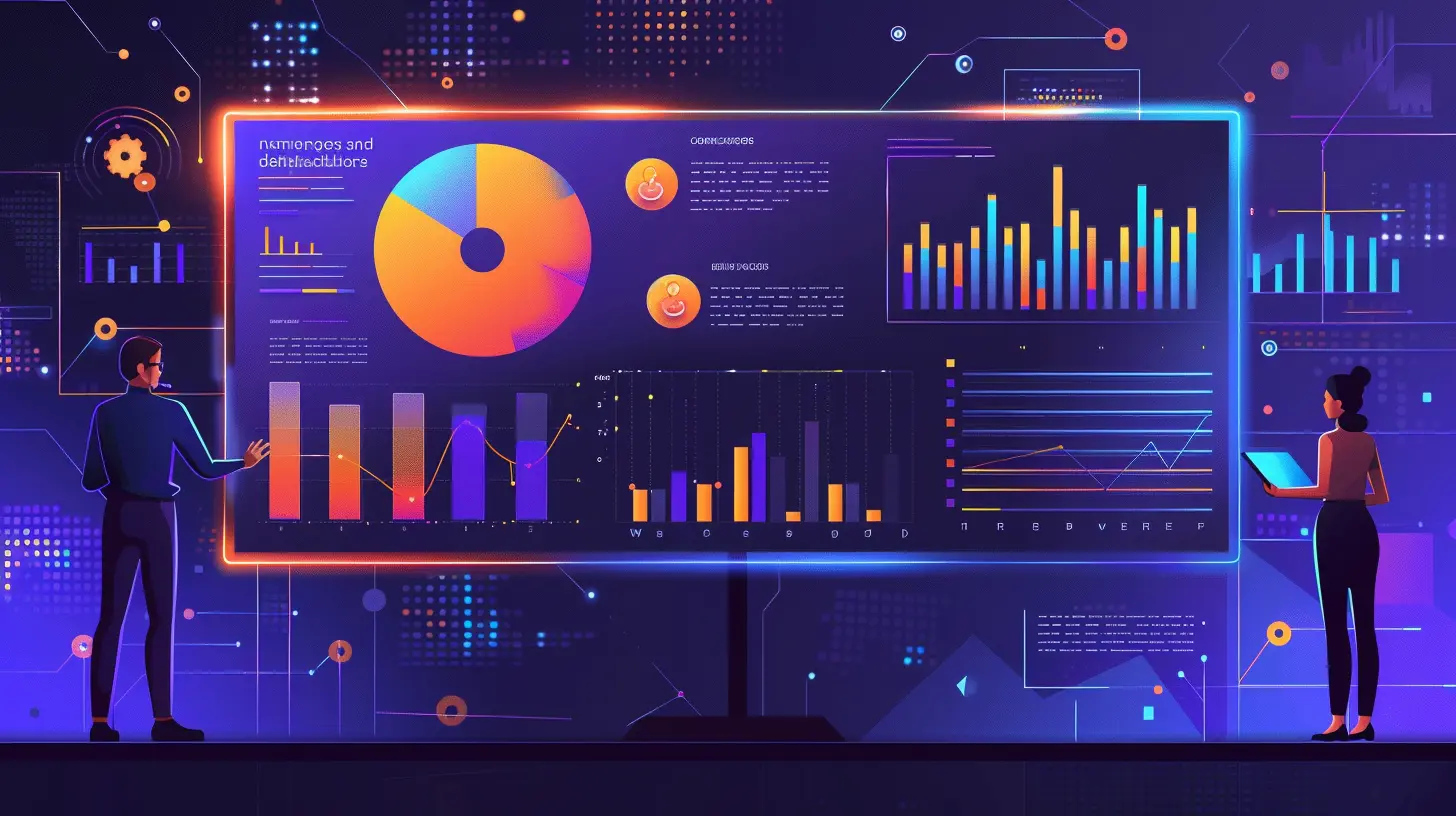
Why AI + Predictive Analytics = A Match Made in Digital Heaven
Let’s be real—if you're running a digital business today, you're sitting on a treasure chest of data. Every click, scroll, purchase, or time spent on a page tells a story. But who has the time to manually comb through all of it?AI does. And not only does it have the time, but it also has the brains to make sense of it, spot patterns, and flag potential outcomes before they even happen. Whether you're forecasting sales, predicting customer churn, or optimizing your supply chain, AI makes your wildest data dreams come true.
The Role of AI in Predictive Analytics
Let’s break down what AI actually does in this whole predictive analytics dance.1. Data Collection and Cleaning
We all know messy data is bad data. AI tools help scrub, structure, and sort through massive chunks of data. They eliminate duplicates, fill in missing values, and even categorize data automatically. So instead of drowning in an ocean of chaos, you're handed clean, clear info to work with.2. Pattern Recognition and Modeling
Here’s where AI really shines. It uses machine learning, neural networks, and deep learning models to recognize complex patterns that would be nearly impossible for a human to detect. Think of it like having Sherlock Holmes living inside your data center.3. Forecasting and Outcome Prediction
Using those patterns, AI predicts future behaviors. For instance, it might tell you a certain customer is 80% likely to leave your platform in the next 30 days—or that your Q4 sales will outperform Q3 by 15%. These aren’t just educated guesses—they’re data-backed forecasts.4. Real-Time Insights
Old-school analytics told us what happened. AI-powered predictive analytics tells us what’s going to happen—while it’s still happening. That's a game-changer. You’re no longer reacting. You’re planning, adjusting, and winning in real time.
How Digital Businesses Are Using AI-Driven Predictive Analytics
Let’s look at some real-world use cases to see just how magical AI-powered predictive analytics can be.1. Personalized Marketing
Ever wonder how Netflix always knows what show you’ll binge next? Or how Amazon suggests products you didn’t even know you needed? That’s predictive analytics at work. AI sifts through your behavior, predicts what you’ll want next, and serves it up like a digital butler.For digital marketers, this is gold. AI helps segment audiences, recommend content, and even personalize email subject lines based on past user behavior. It’s like reading your customer’s mind—without being creepy.
2. Fraud Detection
Financial platforms love predictive analytics. Why? Because AI can spot unusual activity faster than you can say “unauthorized transaction.” It learns what normal behavior looks like and flags anomalies before the humans even get out of bed.3. Customer Retention
Customer churn is every digital business’s nightmare. But with predictive analytics, you can actually get ahead of it. AI monitors user engagement, usage patterns, and feedback to predict who’s about to bounce—and lets you intervene before it’s too late.4. Inventory and Supply Chain Optimization
AI doesn’t just help on the front lines. It works magic behind the scenes, too. By analyzing historical sales data, seasonal trends, and even weather patterns, AI can forecast demand and suggest optimal inventory levels. That means less waste, fewer stockouts, and happier customers.The Tools Behind the Magic
You might be wondering—what tools and platforms are businesses using to make all this happen?Here's a look at some of the big players:
- Google Cloud AI & BigQuery – Great for businesses already in the Google ecosystem.
- IBM Watson – Known for its deep learning capabilities and strong analytics features.
- Amazon SageMaker – Ideal if you're powering your business on AWS.
- Microsoft Azure ML Studio – Offers lots of drag-and-drop tools for non-coders.
- RapidMiner, DataRobot, and H2O.ai – Popular among data science teams.
These tools vary in complexity and price, but the good news is you don’t need a PhD in data science to get started. Plenty of user-friendly platforms offer no-code or low-code interfaces.
Challenges You May Face (And How to Smash Through Them)
Alright, let’s not sugarcoat it—integrating AI into your predictive analytics isn't all rainbows and unicorns. You’re going to hit a few bumps. But don’t worry—we’ve got your back.1. Data Privacy and Ethics
With great power comes great responsibility. AI works best with access to vast amounts of data, but that brings up privacy concerns. Make sure you’re compliant with regulations like GDPR and CCPA. Transparency is key—always let your users know how their data will be used.2. Data Quality
AI is only as smart as the data you feed it. Garbage in, garbage out. You’ll need to invest in proper data cleaning and validation processes. Trust me, it’s worth it.3. Skill Gaps
Not every team has a data scientist on standby. That’s okay. Start small, use platforms with strong documentation and support, and don’t be afraid to seek outside help if needed.Getting Started: A Simple Roadmap
Ready to dip your toes into the AI-predictive pool? Here’s how to get started:1. Define Your Goals: What do you want to predict? Customer churn? Inventory needs? Get super clear on your desired outcome.
2. Pick the Right Data: Gather historical data related to your goal. Clean it, label it, and make sure it’s in a usable format.
3. Choose Your Tool: Pick a platform based on your budget, team skills, and business needs.
4. Train Your Model: Use your data to train the AI. This is where the magic happens.
5. Test and Iterate: Don’t expect perfection right away. Test your model, track results, and tweak as needed.
6. Scale and Automate: Once you’re confident in the model's accuracy, start integrating it into real business processes and scale it up.
Future Trends: Where Is This Headed?
We’re just scratching the surface. Over the next few years, we’ll see even greater integration between AI and predictive analytics. Here’s what to watch out for:- AI-as-a-Service (AIaaS): More businesses will access AI tools via the cloud without needing internal data science teams.
- Real-time Predictive Insights: Instant recommendations and adjustments will become the norm.
- Explainable AI: More transparency in how AI models make decisions to build user trust.
- Voice and Visual Predictive Analytics: Think Siri or Alexa giving you business forecasts. Wild, right?
Final Thoughts
AI-driven predictive analytics isn't a luxury anymore—it's a necessity. If you’re in the digital business world, you can’t afford to ignore the wealth of insights lying dormant in your data. With the right tools and mindset, AI can help you not just survive but thrive in a fast-paced digital economy.It’s not about replacing human decision-making. It’s about augmenting it. Think of it as having a super-intelligent assistant who never sleeps, never forgets, and always has your back.
So what’s stopping you? Start small, dream big, and let AI-powered predictive analytics steer your business into the future.
all images in this post were generated using AI tools
Category:
Digital TransformationAuthor:

Jerry Graham
Discussion
rate this article
2 comments
Mindy Good
Integrating AI into predictive analytics can enhance decision-making and optimize strategies in digital business, driving growth and improving customer experiences through data-driven insights.
February 17, 2026 at 5:15 AM
Jerry Graham
Thank you for your insight! Absolutely, integrating AI into predictive analytics is key to unlocking data-driven growth and enhancing customer experiences in digital business.
Misty Rhodes
This article beautifully captures the transformative power of AI in predictive analytics. It's inspiring to see how technology can drive smarter decision-making and propel digital businesses into the future. Thank you!
February 1, 2026 at 4:30 AM
Jerry Graham
Thank you for your kind words! I'm glad you found the article inspiring. AI truly is a game-changer for decision-making in digital business.