Smart vs Dumb Appliances: Is the Upgrade Worth It?
24 January 2026
Let’s be real—tech is moving fast. We’ve gone from flipping a switch to saying, “Hey Alexa, turn on the coffee machine.” Whether it’s your thermostat, fridge, or washing machine, chances are there’s a “smart” version out there. But what about our good old “dumb” appliances—the ones that just do the job, no fancy fluff?
If you’ve ever stood in an appliance store wondering if it's really worth paying extra for something that connects to Wi-Fi, you’re not alone. So let’s break it down. Smart vs Dumb Appliances: Is the Upgrade Worth It? Let’s get into the nitty-gritty and figure out what’s best for your kitchen (and your wallet).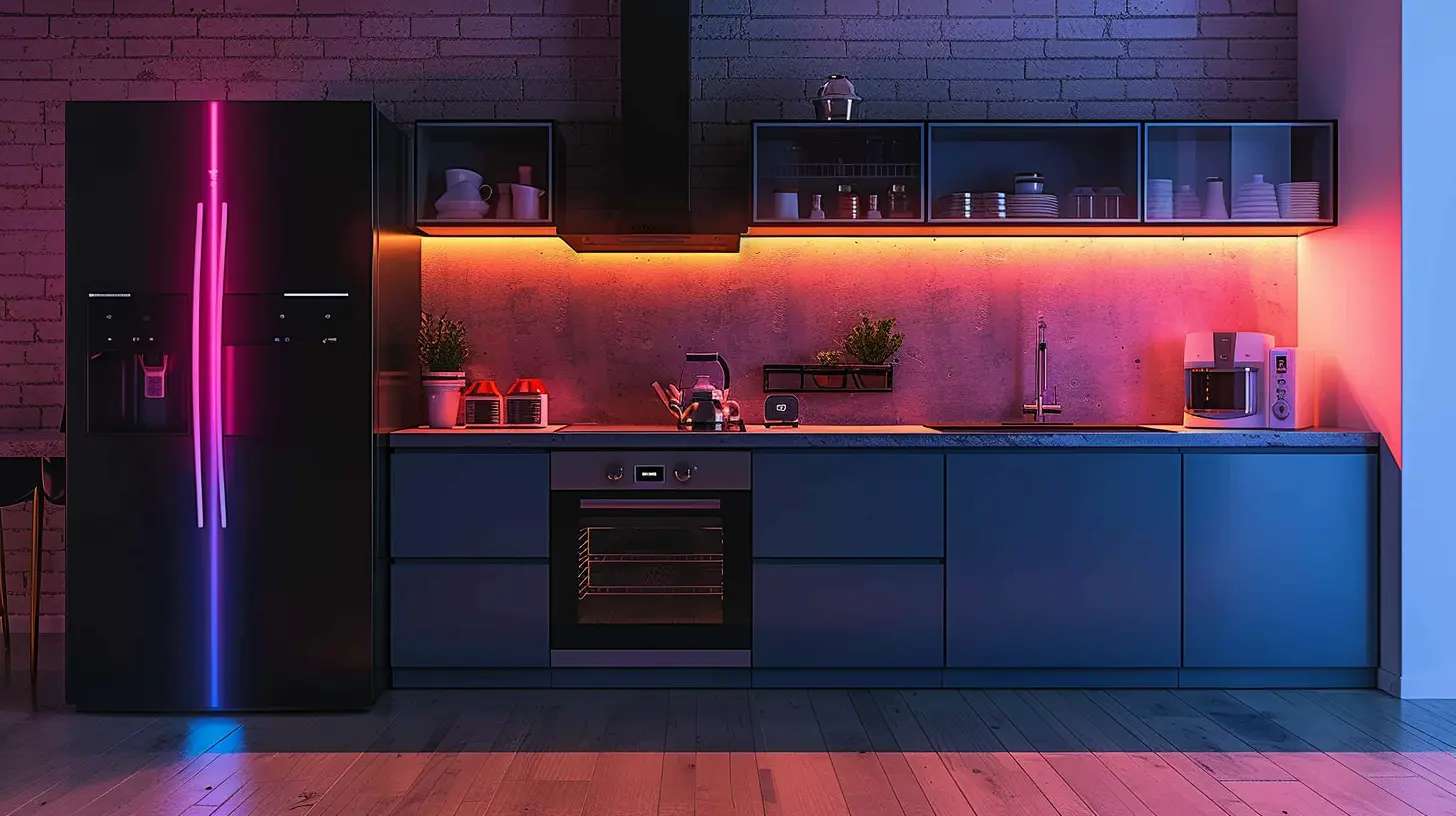
What Makes an Appliance “Smart” Anyway?
Smart appliances are basically regular appliances with a brain boost. They’re equipped with internet connectivity, sensors, and sometimes even artificial intelligence (AI). What does that translate to in real life?Think smart ovens that preheat from your phone, fridges that tell you when you’re low on milk, or washers that can be scheduled from your smartwatch.
In other words, smart appliances are designed to automate tasks, provide data, and integrate with your smart home ecosystem.
On the flip side, “dumb” appliances are the traditional ones—simple, manual, and oh-so-reliable. They don’t connect to anything. You press a button or turn a dial, and off they go. No updates, no apps. Just plain function.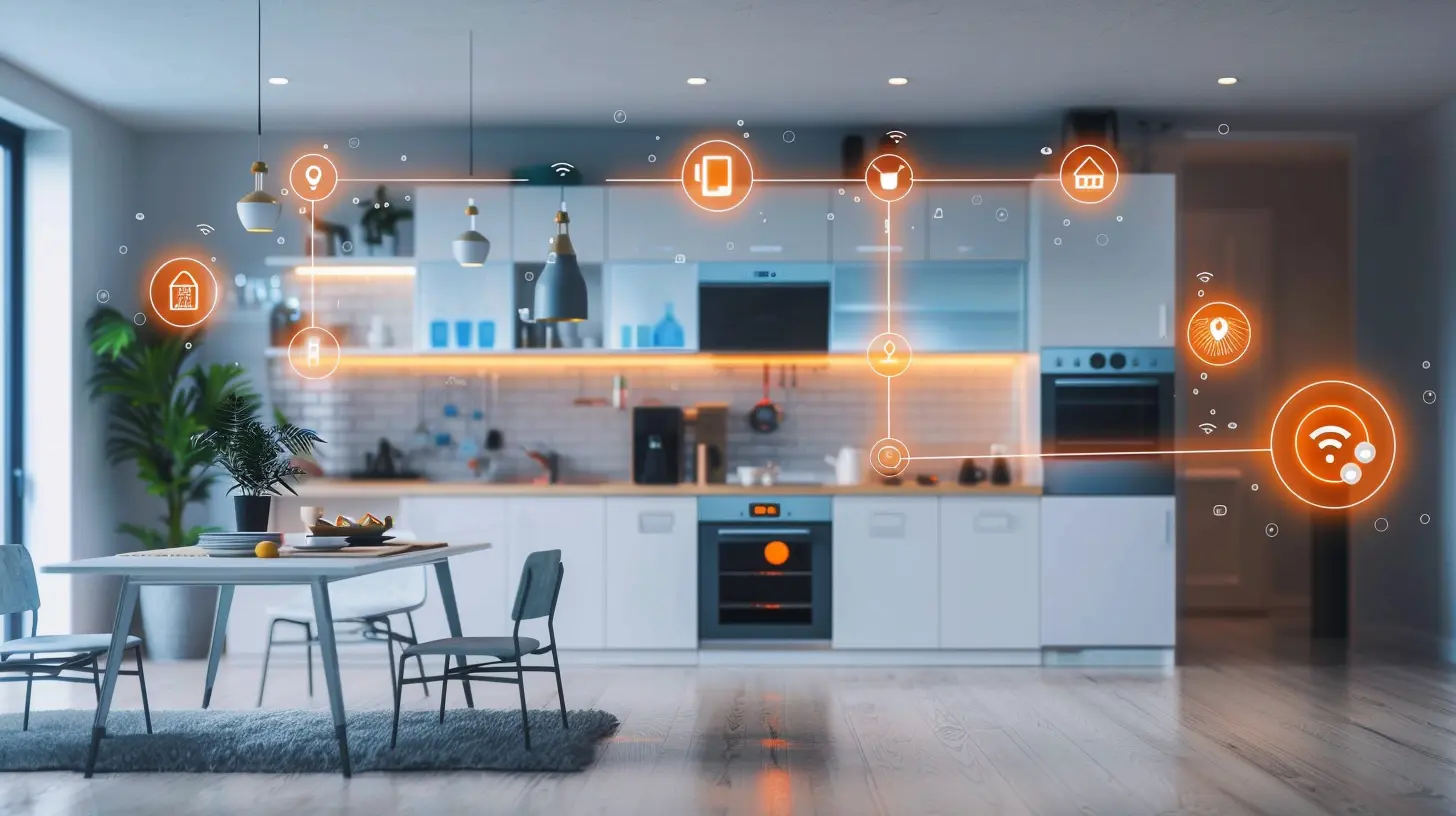
The Appeal of Smart Appliances
Let’s be honest—there’s something undeniably cool about being able to control stuff from your phone. But beyond the “wow” factor, smart appliances have some real benefits. Here’s where they shine:1. Convenience is King
You’re stuck in traffic but want dinner ready when you get home? Just preheat your oven remotely. Forgot to turn off your air conditioner? Do it through an app. Laundry done but you’re out shopping? Get a notification right on your phone.It's like having a remote control for your home. And once you get used to it, going back feels... prehistoric.
2. Energy Efficiency
Many smart appliances track usage and provide tips to help you save energy. Smart thermostats like Nest, for example, learn your habits and adjust the temperature automatically. That can knock a chunk off your energy bills in the long run.Refrigerators can run more efficiently, dishwashers can avoid peak electricity times—little things that add up.
3. Maintenance Alerts and Diagnostics
Smart appliances can tell you when something’s wrong before it becomes a full-blown issue. That weird noise your washer makes? A smart one might send you a “heads up” via app and even suggest fixes.Some can even order replacement parts or connect you directly to customer support—saving you time and maybe a service call fee.
4. Integration with Other Smart Devices
Smart homes only work if the devices can talk to each other. A smart washer might coordinate with your water usage monitor. A smart fridge can add items to your shopping list via Google Assistant.Suddenly, you’re not just using appliances—you’re managing them together in a connected ecosystem.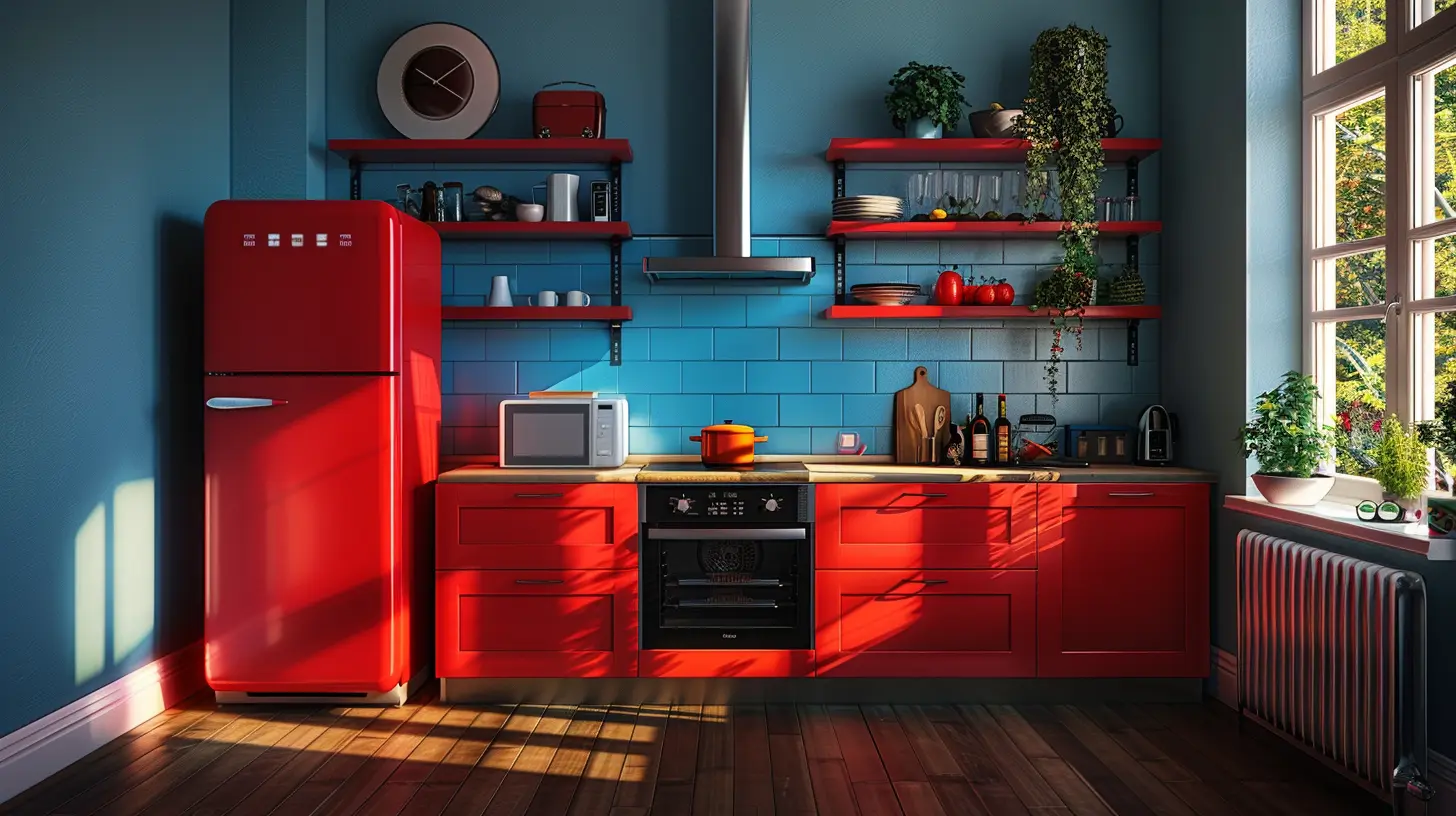
The Downsides of Going Smart
Alright, let’s pump the brakes a little. Smart appliances aren’t perfect. In fact, they come with their own set of headaches.1. They’re (A Lot) More Expensive
That cool feature comes at a cost. Smart versions can cost hundreds more than their “dumb” siblings. If you’re on a budget, that’s a huge consideration.And while energy savings are cool, it might take years to offset the price difference.
2. Privacy and Security Risks
Yes, your fridge could be hacked. Sounds ridiculous, but any device connected to the internet is potentially exposed. There have been cases where smart home devices were compromised, providing backdoor access to home networks.So if you’re not tech-savvy (or just don’t want to deal with cybersecurity), this could be a red flag.
3. Software Glitches and Obsolescence
Just like your smartphone, smart appliances need updates. And if the manufacturer stops supporting your fridge’s software? Well, now you’re stuck with an outdated (and potentially glitchy) gadget.Plus, ever had your Wi-Fi go down? Yeah—your smart oven's now a very expensive box.
4. Learning Curve
Let’s face it—not everyone wants to learn how to use a new app just to toast bread. If tech isn’t your thing, smart appliances can feel overwhelming and less user-friendly than you’d expect.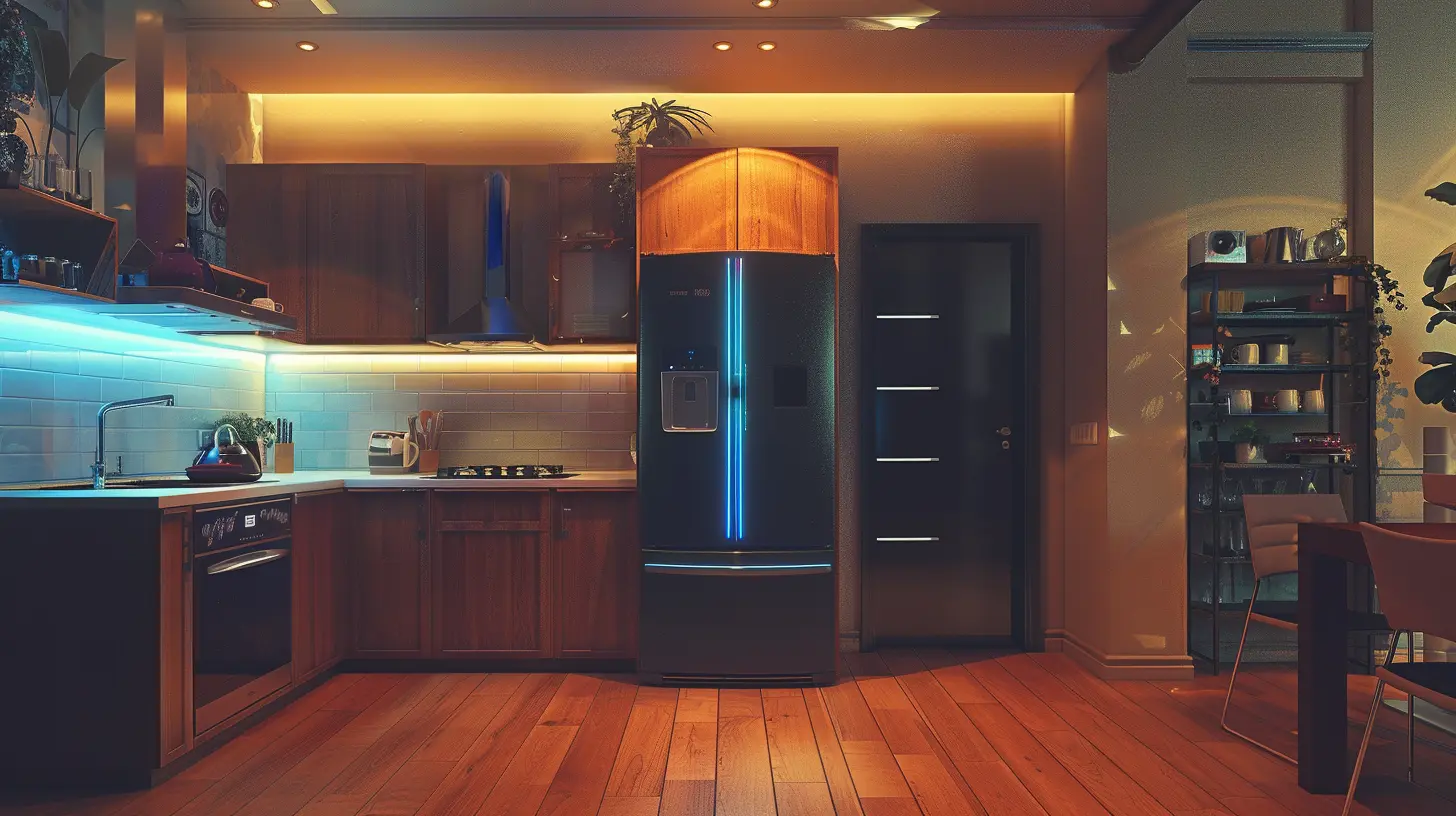
Where Dumb Appliances Still Shine
There’s something comforting about simplicity. Dumb appliances don’t try to be clever—they just get the job done.1. Reliability
No updates, no crashes, no Wi-Fi dependency. If you value durability and a low-maintenance lifestyle, "dumb" is delightful.Traditional appliances often last longer because they’re built with fewer things that can break.
2. Ease of Use
Turn a knob. Press a button. Done. Older folks, kids, and technophobes usually prefer the straightforwardness of classic appliances.You don’t need an instruction manual the size of a novel just to wash your clothes.
3. Lower Cost
Straight-up: dumb appliances are cheaper. And in many cases, they do the exact same core tasks. Want to heat food? A $50 microwave will do it just fine—even if it can’t be controlled by your Apple Watch.4. Fewer Distractions
Sometimes, too many features just complicate stuff. Why get a fridge with six cameras and an LCD display when all you need is cold milk?When Is a Smart Upgrade Actually Worth It?
So, when should you go smart? Here's a few situations where it might be the right call:- You’re already invested in a smart home ecosystem: If you’ve got Alexa, Google Home, smart lights, and the works, adding a smart kitchen completes the puzzle.
- You have a busy lifestyle: Parents, professionals, or caregivers can save loads of time and mental energy with smart scheduling.
- You want long-term savings: While the upfront cost is higher, smart devices can help save cash on water, gas, and electricity over time.
- You value insights: Want to know how much energy your washer uses or what you're low on in the fridge? Smart appliances can provide that data in real time.
When to Stick with Dumb and Save
Dumb appliances still have a strong case. They might be your best bet if:- You’re on a tight budget: Let’s not sugarcoat it: money matters. And smart features often aren’t “must-haves.”
- You live in areas with poor internet: If your Wi-Fi is sketchy, a smart device might become a headache fast.
- You prefer simplicity and predictability: Not everyone wants apps and notifications for everything.
- You like repairs you can do yourself: Many traditional appliances can be fixed with basic tools. Smart gadgets? Not so much.
The Future of Appliances – Is Dumb Dying Out?
Let’s look ahead for a minute. As tech gets cheaper and more integrated, chances are smart will become the default. Even now, many “standard” appliances are coming with built-in Wi-Fi, whether you want it or not.But that doesn’t mean dumb appliances are going extinct. In fact, there's a growing demand for dependable, simple machines—especially in rental units, off-grid homes, or for anyone tired of digital overload.
Manufacturers are starting to find a middle ground: appliances that have smart features but can function fully offline if needed. Now that’s the sweet spot!
Final Thoughts: Smart or Dumb?
So—Smart vs Dumb Appliances: Is the Upgrade Worth It? It really depends on your lifestyle, your budget, and how into tech you are.Smart appliances offer convenience, efficiency, and cool factor—but they come with higher costs, potential privacy concerns, and the occasional learning curve.
Dumb appliances? You can set 'em and forget 'em. Reliable, affordable, and refreshingly simple.
Here’s my take: If you’re building a modern, connected home and you love gadgets, go smart. But if you’re more about durability, value, and no fuss—there’s absolutely nothing wrong with keeping it classic.
Just remember, it’s not about what the appliance can do. It’s about what you need it to do.
all images in this post were generated using AI tools
Category:
Smart HomeAuthor:

Jerry Graham
Discussion
rate this article
2 comments
Remi Sharpe
This article really captures the essence of home technology. It’s crucial to weigh convenience and efficiency against cost. Thank you for shedding light on this important decision for modern households!
February 10, 2026 at 3:36 AM
Jerry Graham
Thank you for your insightful comment! I'm glad you found the article helpful in navigating the smart appliance debate.
Dusk Matthews
Great insights! The article effectively highlights key factors to consider when deciding between smart and traditional appliances—definitely worth pondering for consumers.
January 24, 2026 at 3:58 AM
Jerry Graham
Thank you! I'm glad you found the insights valuable. It's an important decision for consumers to consider.