The Benefits of Using Multiple Digital Assistants in Your Home
13 January 2026
Let’s face it—technology is like that super helpful friend who always knows just what you need, even before you're aware you need it. And when it comes to digital assistants like Alexa, Google Assistant, Siri, and even Bixby (yes, that guy still exists), they’re becoming more than just fancy voice-activated encyclopedias. They’re full-on members of the household now!
But here's the real kicker—what if I told you that using more than one digital assistant in your home doesn’t create chaos, but actually works to your advantage? Sounds crazy, right? Stick with me. Today, we’re diving into the awesome, life-simplifying, downright fun reasons why having multiple digital assistants in your home is actually a smart tech move in 2024.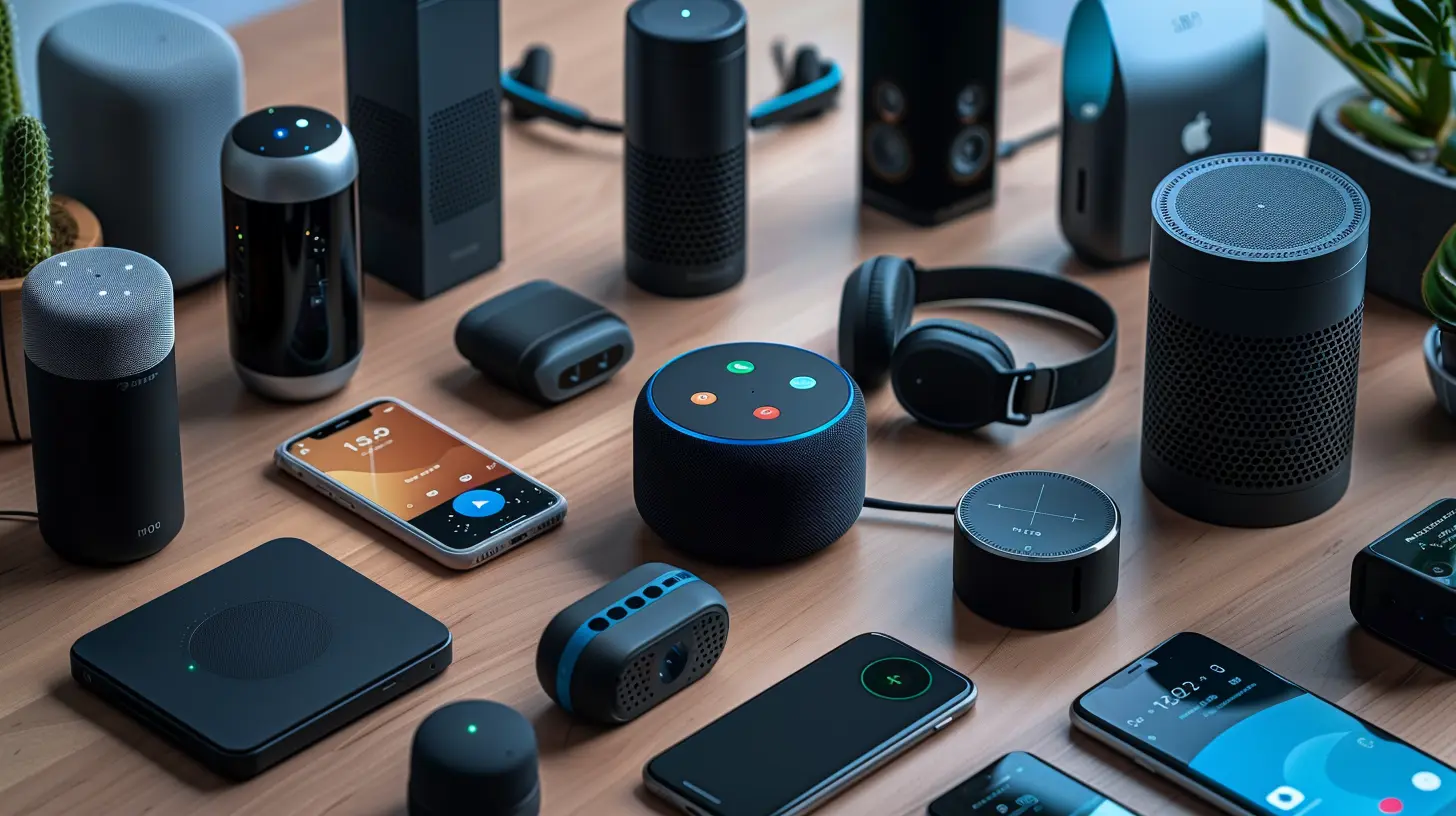
Why Limit Yourself to Just One?
We’re not living in the VHS vs. Betamax era anymore where you had to pick one and stick with it. You wouldn’t just use one app on your phone to do everything, would you? Of course not! Each app, like each assistant, has its strengths (and let's be real, some quirks too).Different digital assistants have different specialties. Alexa is like the shopping list queen and smart home maestro. Google Assistant? That one’s got the brainpower—lightning fast search and maps wizard. Siri fits seamlessly into the Apple ecosystem like a glove. Why choose only one if you can have them all sing in harmony like a high-tech barbershop quartet?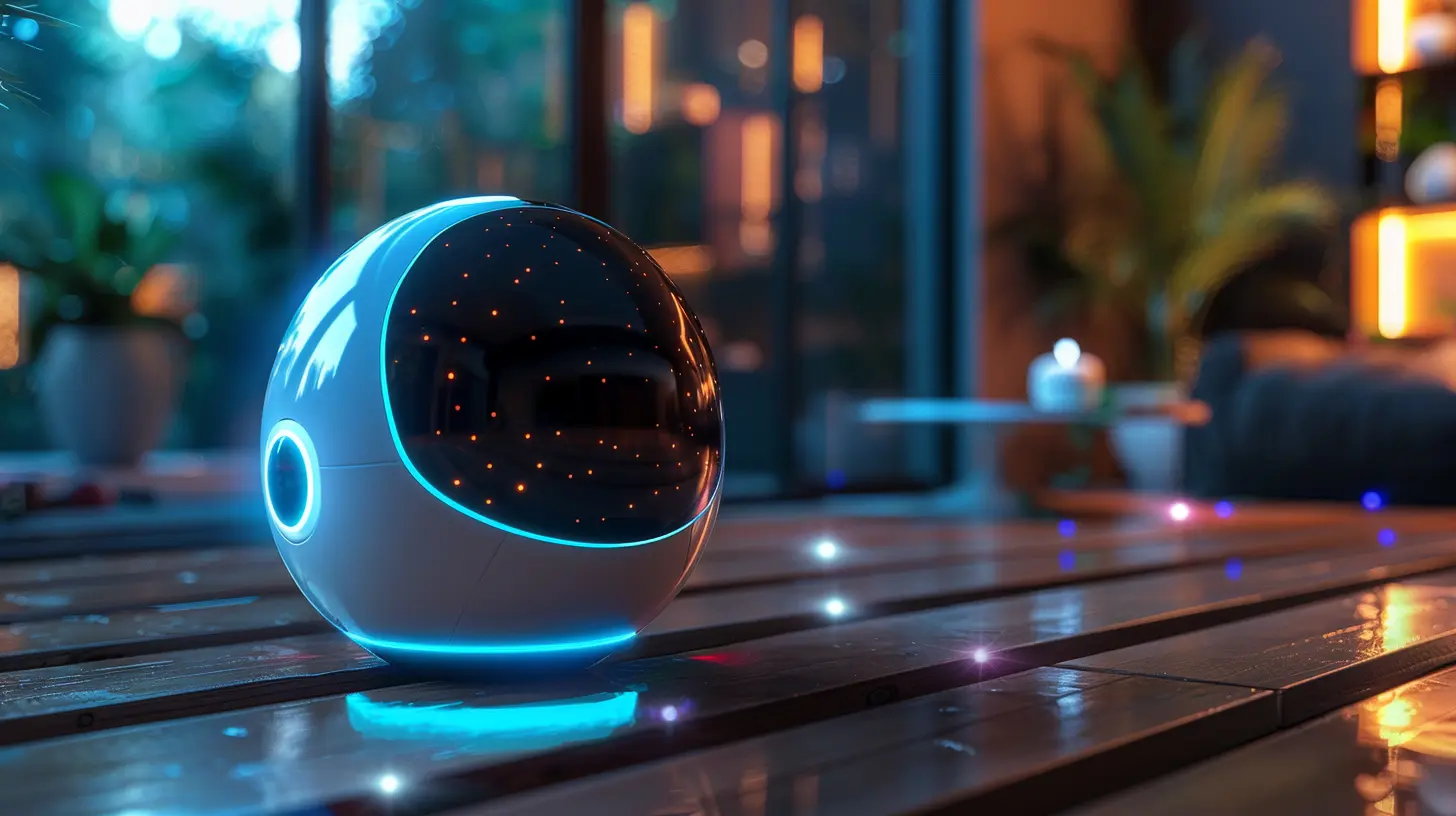
1. Playing to Each Assistant’s Strengths
Let’s break it down in the simplest terms.- Alexa excels at managing smart home devices, creating routines, and ordering items from Amazon faster than you can find your wallet.
- Google Assistant is practically Google in voice form and nails anything that involves search, directions, or contextual follow-up questions.
- Siri is your go-to for Apple-specific commands—like sending texts from your iPhone or playing music from Apple Music.
Why settle for a jack-of-all-trades when you can surround yourself with specialists?
> It’s like having a techy version of The Avengers in your house. You’ve got each superhero (assistant) doing what they do best.
2. Smarter Smart Homes
Sure, one assistant can control your smart lights, thermostat, and locks… but what happens when one device plays nicer with Alexa but doesn’t want to talk to Google?Well, having both assistants means your home suddenly becomes way more flexible.
For example:
- You can control your Ring doorbell with Alexa.
- Use Google to broadcast announcements like dinner time across all Nest speakers.
- Let Siri handle personal requests such as setting reminders or making FaceTime calls.
By splitting the workload, you ensure every device works with its best-matched partner. It’s like a relay race—handing off the baton to the next best runner.
3. Redundancy Is a Good Thing, Trust Me
Let’s say it’s laundry day (ugh) and your Google Assistant speaker in the laundry room suddenly decides it’s on strike. No worries! If you’ve also got an Echo Dot in the living room within shouting distance, you’re not totally cut off from the rest of your smart home.Having multiple digital assistants is like having backups of your backups. If one assistant is being moody or simply can’t understand your regional slang (we’ve all been there), the other might just swoop in to save the day. Tech tantrums? Solved.
4. Ultimate Convenience and Accessibility
Imagine you're cooking dinner, your hands are covered in flour, and you forget whether baking powder or baking soda goes into the cookies. Instead of fumbling with your phone, just holler "Hey Google!" from the kitchen.But wait, your partner’s upstairs in the bathroom trying to turn down the thermostat without getting out of a warm tub. "Alexa, turn down the heat upstairs."
Boom. Two people, two assistants, ultimate comfort.
Having different assistants in different rooms or linked to specific tasks means you always have the right tool for the job—literally at your voice’s command.
5. Keeps the Whole Family Happy
Still trying to convince your household that using voice assistants isn’t creepy? Good luck turning a one-device household into a shared system without someone getting grumpy.That’s where multiple assistants shine.
Let everyone choose the one they’re most comfortable with. Your teenager might swear by Siri, your partner prefers Google, and you love Alexa. With a mix, nobody has to compromise—and it’s way more likely that everyone actually uses them.
And when everyone’s happy, tech adoption goes up. Win-win!
6. Better Integration with Multiplatform Households
Let’s be honest—very few of us are loyal to only one tech ecosystem. You might have:- An Android phone
- A MacBook for work
- Apple TV in the bedroom
- And an Echo Show in the kitchen
Sound confusing? That’s just modern life.
Multiple digital assistants let you bridge the gap between all the devices floating around your house. So whether you're sending a text through Siri, looking up a recipe with Google, or turning on the porch light through Alexa, everything just works.
7. Enhanced Privacy Control
Wait, what? More assistants equal better privacy?It actually can. Since each assistant handles different things, you can assign tasks strategically.
For example:
- Use Siri for personal stuff like calendar events and messages—because Apple is big on privacy.
- Let Alexa handle shopping and home routines.
- Ask Google for general questions and web searches.
That way, you’re not funneling all your commands through one data-hungry device. Plus, spreading it out makes you less dependent on any single service.
8. Fun Factor: Because Why Not?
Let’s not overlook the fun aspect!Each assistant has its personality quirks. Ask them to tell you a joke, and you’ll get varying levels of cringey dad-joke goodness. Ask them who’s the best assistant, and you'll witness a delightful bit of sass.
Yes, they sometimes throw shade at each other. Honestly? It’s hilarious.
You can even gamify household tasks:
- Let Alexa set cooking timers.
- Ask Google Assistant to play trivia.
- Tell Siri to remind the kids they still haven't cleaned their rooms.
It's not just practical—it's a fun way to engage with technology and make everyday tasks more enjoyable.
9. Continuous Updates Mean Constant Improvements
Tech’s always changing. What Alexa couldn’t do a year ago, it can probably do now. Google is constantly improving its natural language processing. Siri’s getting smarter with each iOS update.By having multiple assistants, you’re not locked into the slowest evolving ecosystem. You get to benefit from the innovation happening across all platforms. It’s like having a front-row seat to the AI Olympics!
10. It’s Easier Than You Think
Still worried integrating everything will be a nightmare? Don’t be.With advancements in cross-platform compatibility and smart home standards like Matter, devices now work better together than ever. Setting up multiple assistants might take a bit of upfront effort, but once you’re rolling, it’s smooth sailing.
Better yet? Use your phone or tablet as a bridge. Apps for each assistant make setup and control from anywhere in your home a breeze.
How to Build Your Multi-Assistant Paradise
Here’s the game plan:1. Start with what you have. Already got a smart speaker lying around? Great. Build from there.
2. Mix and match. Add different assistant-enabled devices in various rooms.
3. Assign roles. Decide what each helper will handle (e.g., Alexa = smart home, Google = questions, Siri = personal).
4. Test and tweak. Get used to calling the right assistant for each task—yes, you’ll mess up a few times. It’s part of the fun.
5. Enjoy the ride. Your smart home should work for you, not the other way around.
Final Thoughts
Using multiple digital assistants in your home might sound like overkill, but it’s actually the ultimate way to customize your smart home experience. Each assistant brings its own flavor, strengths, and quirks to the table—just like the people in your household.So instead of asking “Which one should I choose?”—why not ask “How can I make them all work for me?”
Because in the end, having a team of digital butlers at your beck and call just makes life that much easier… and a lot more fun.
all images in this post were generated using AI tools
Category:
Digital AssistantsAuthor:

Jerry Graham
Discussion
rate this article
2 comments
Zarev McCool
Great article! Embracing multiple digital assistants can truly enhance our daily lives by streamlining tasks and boosting productivity. It's exciting to see how they can work together to create a more efficient and personalized home environment. Looking forward to exploring these benefits further!
February 3, 2026 at 11:22 AM
Jerry Graham
Thank you for your kind words! I’m glad you found the article insightful and I'm excited for you to explore the benefits of multiple digital assistants in your home!
Aleta Lee
Why settle for one digital assistant when you can have a full household of confused robots arguing?
January 13, 2026 at 4:06 AM
Jerry Graham
While it may sound chaotic, having multiple assistants can enhance convenience, with each specializing in different tasks, ultimately streamlining your home experience.