The Emergence of Hyper-Personalized E-Commerce Experiences
28 August 2026
The days of the generic online storefront are fading. For years, e-commerce personalization meant showing a returning customer their name in a greeting and maybe a "Recommended for You" row based on their last purchase. That approach is now as outdated as a dial-up modem. We have moved into an era where the entire shopping journey, from the first click to the post-purchase follow-up, can be tailored to the individual. This is not just about tweaking a homepage. It is about building a digital environment that feels like it was designed for one person alone.
This shift is not a luxury. It is a survival mechanism. Consumers are overwhelmed by choice. The average person sees thousands of marketing messages a day. To cut through that noise, a store must feel less like a broadcast and more like a conversation. Hyper-personalization is the mechanism that makes that conversation possible. It uses real-time data, predictive analytics, and contextual awareness to anticipate needs before the customer even articulates them.
What Makes Personalization "Hyper"?
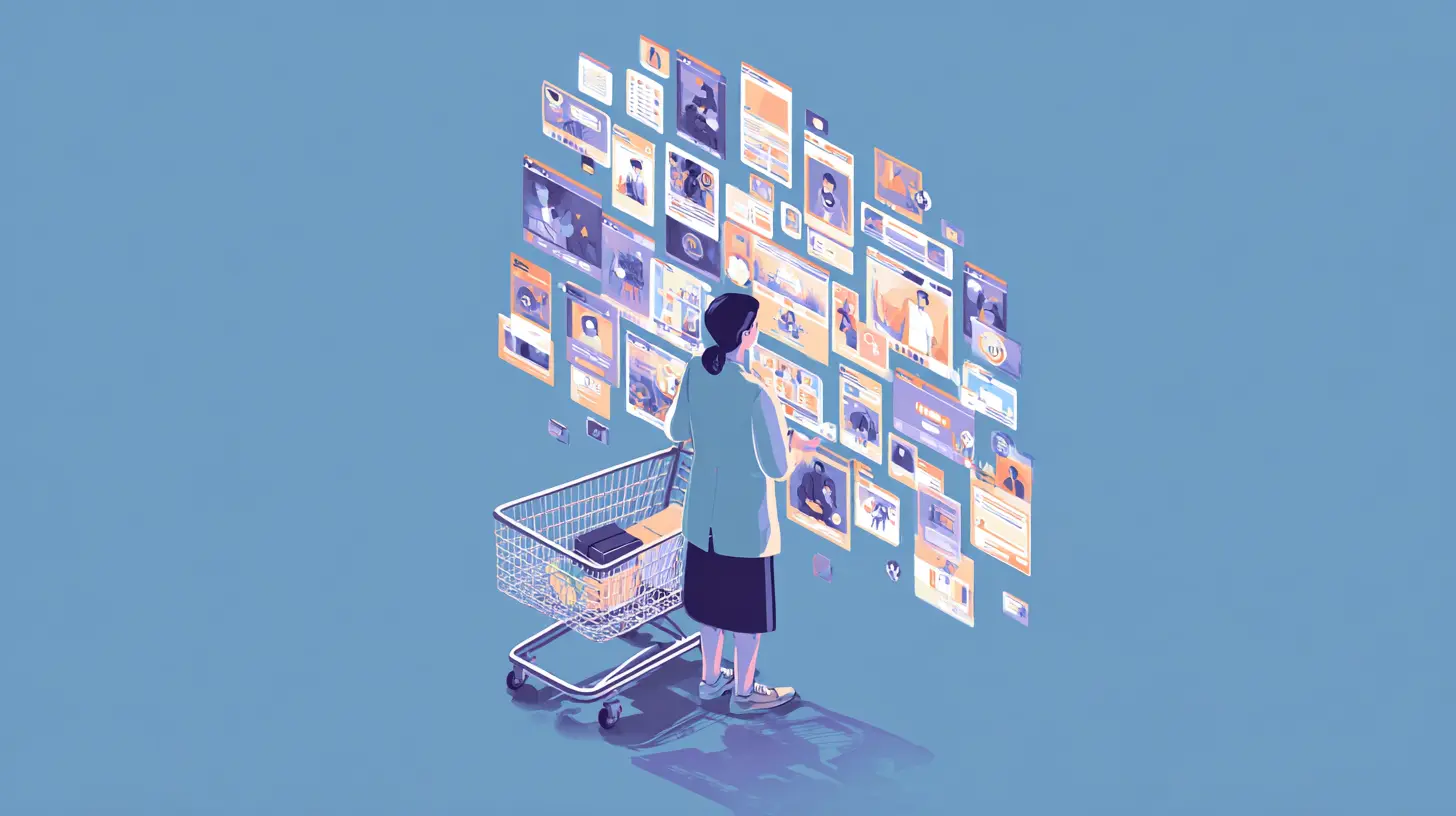
Standard personalization relies on historical data. You bought a tent, so you see camping gear. Hyper-personalization goes deeper. It considers the moment. It considers the device, the location, the weather, the time of day, and the customer's current emotional state, inferred from their browsing speed and interaction patterns.Consider a customer who browses a travel site on their phone during a lunch break in a cold city. A hyper-personalized experience does not just show them beach photos. It shows them last-minute deals to warm destinations with flights departing from their nearest airport. It takes into account that they are on a phone, so the interface is simplified for thumb-scrolling. It recognizes they are on a break, so the checkout process is streamlined to three taps.
This is the core difference. Standard personalization adjusts the content. Hyper-personalization adjusts the entire experience. It changes the layout, the language, the offers, and even the payment options based on a fluid understanding of who the user is at that exact moment. It is a dynamic system that learns and adapts with every click, hover, and pause.
The Data Foundation: Moving Beyond the Cookie
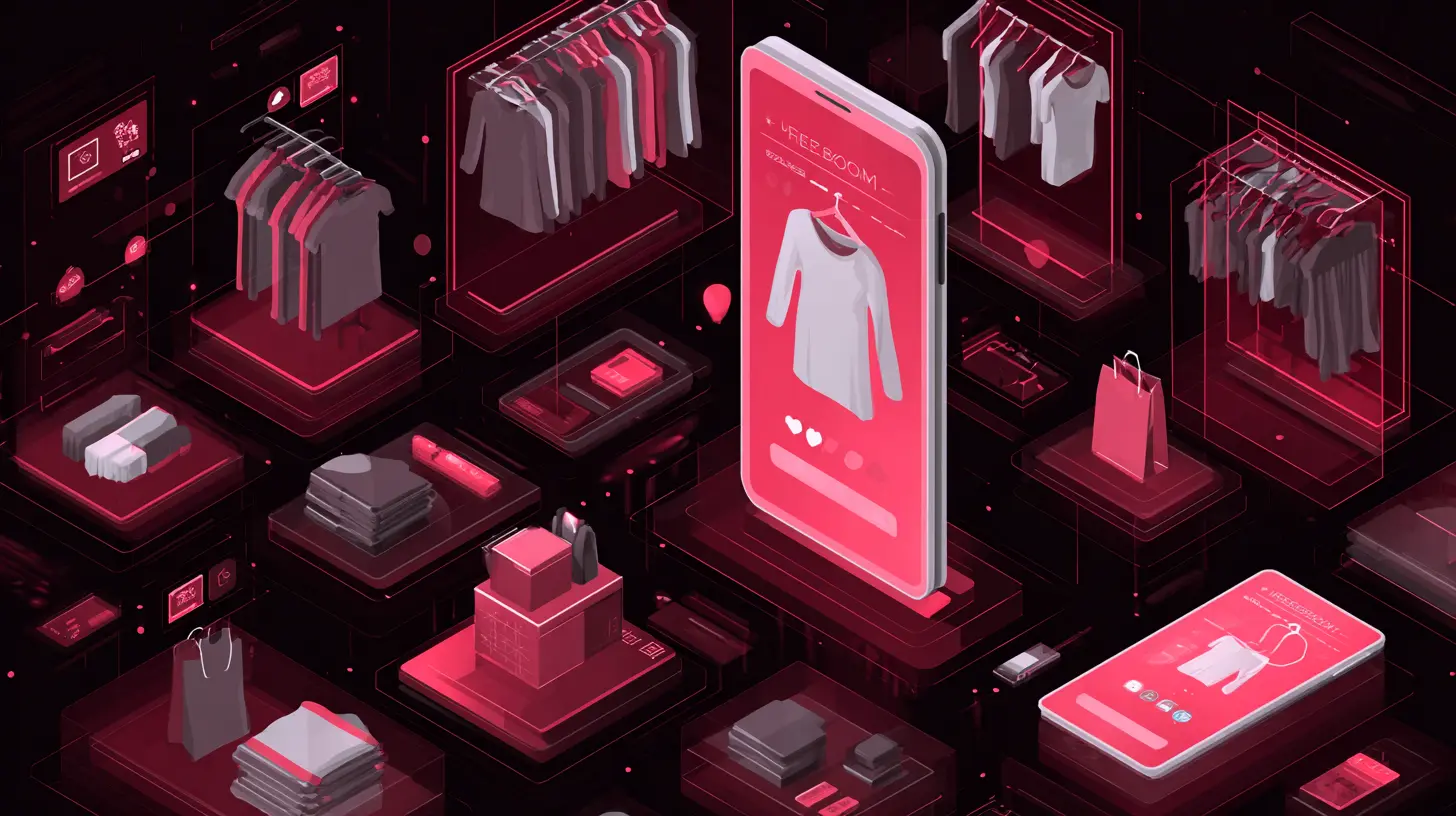
For a long time, the third-party cookie was the workhorse of online tracking. It allowed businesses to follow users across the web and build broad profiles. That era is ending. Browser restrictions and privacy regulations have made the cookie unreliable. This is not a setback. It is a correction.The future of hyper-personalization relies on first-party data and zero-party data. First-party data is the information you collect directly from your users through their interactions with your site. Zero-party data is information they share with you intentionally, such as through a style quiz, a preference center, or a feedback form.
The businesses that will thrive are those that build a direct relationship with their customers. This means incentivizing data sharing. If a customer tells you their shoe size and preferred color palette, you can offer them a perfect fit every time. In return, you give them a seamless experience and exclusive benefits. This is a fair exchange.
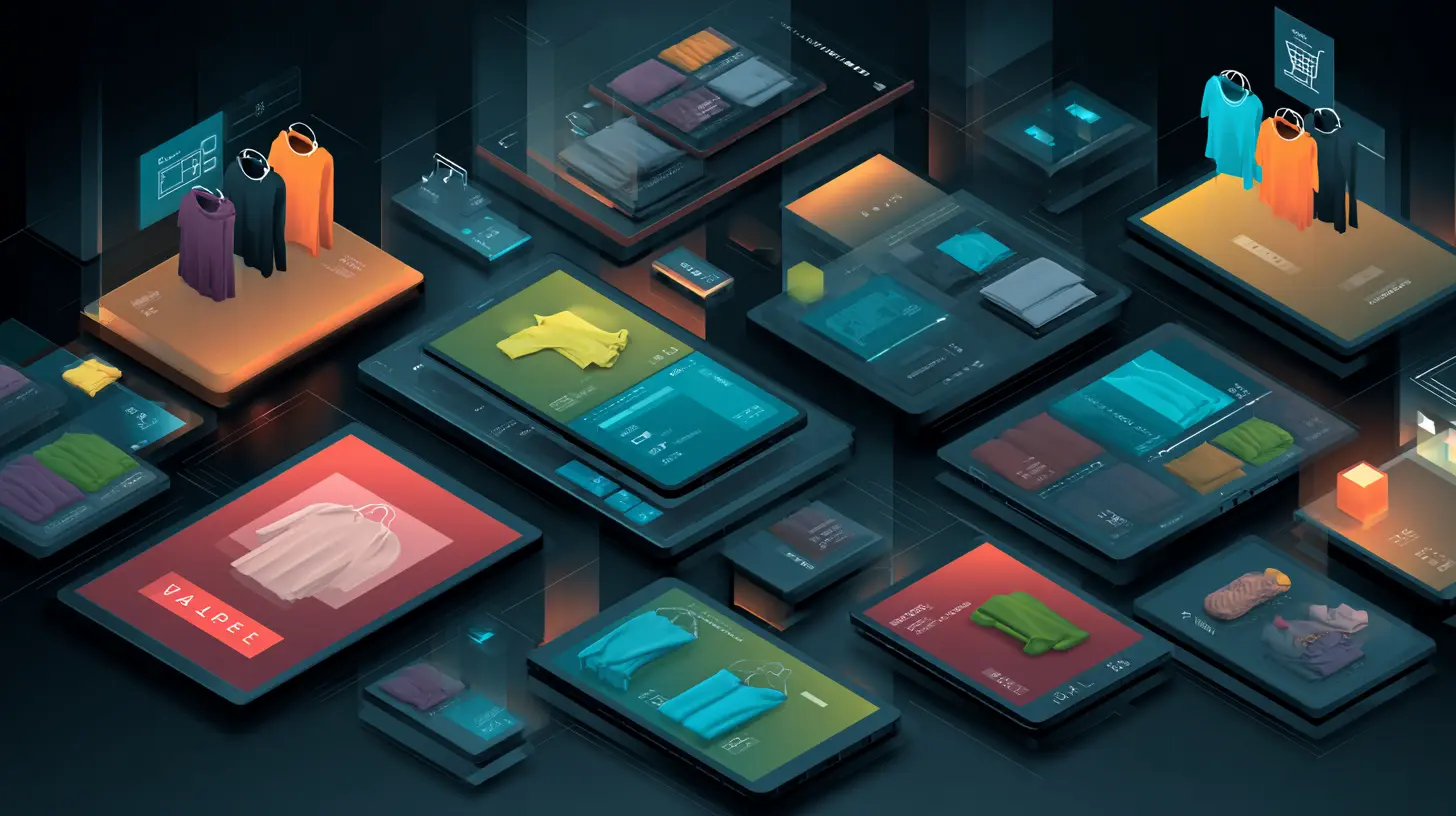
The technical implementation of this requires a robust customer data platform. A CDP unifies data from your website, mobile app, email, customer service interactions, and offline stores into a single, coherent profile. Without this unified view, your personalization efforts will be fragmented. You might send an email about a product the customer just bought in-store because your systems do not talk to each other. That is a fast way to lose trust.
Contextual Intelligence: The "Why" Behind the "What"
Understanding what a customer does is useful. Understanding why they do it is transformative. Contextual intelligence is the layer that adds meaning to raw data.For example, a customer adds a high-end camera to their cart but does not check out. A basic system sends a discount code. A hyper-personalized system looks at the context. It sees the customer visited a photography blog earlier that day. It sees they have been comparing lenses on your site. It infers that they are a hobbyist looking to upgrade. Instead of a generic discount, the system sends a guide on choosing the right lens for their specific camera model, along with a video tutorial. It also offers a bundle with a carrying case and memory card at a slight discount.
This approach works because it addresses the likely hesitation. The customer was not necessarily worried about price. They were worried about compatibility. By providing the right information, you remove the friction. This is the difference between pushing a product and guiding a decision.
Another element of context is the customer's stage in the buying journey. A first-time visitor needs education. A returning visitor needs validation. A repeat buyer needs convenience. Serving the same content to all three is a common mistake. The first-time visitor might be scared off by a hard sell. The repeat buyer might be annoyed by basic product descriptions they have already read. Hyper-personalization tailors the tone and depth of content to match the user's familiarity with your brand.
Real-Time Adaptation: The Speed of Relevance
Hyper-personalization is not a static profile. It is a live feed. The system must react to behavior as it happens.Imagine a user who starts a search for running shoes. They click on a pair of neutral-colored trainers. They spend a minute looking at them but then move to the clearance section. In real-time, the system should recognize a price sensitivity signal. When they browse back to the main running shoe category, the default sort order should change from "Featured" to "Price: Low to High." The banner at the top of the page should switch from a new-season lifestyle image to a "Deals on Performance Gear" message.
This speed is difficult to achieve. It requires edge computing and a well-optimized content delivery network. The decision-making logic must reside close to the user to avoid latency. A delay of even half a second can feel sluggish and ruin the flow of the experience. The goal is to make the personalization invisible. The user should not think, "This website knows me." They should simply think, "This website is easy to use."
The Role of AI and Predictive Analytics
Artificial intelligence is the engine that makes hyper-personalization scalable. A human team cannot manually curate a unique experience for every visitor. AI can.Machine learning models can analyze millions of data points to predict a customer's next move. These models can forecast churn risk, predict lifetime value, and recommend the next best action. For instance, if a customer has not visited in three weeks, the model might predict they are losing interest. The system can then trigger a personalized email with a subject line referencing their last viewed item, paired with a new review from a customer with a similar profile.
Predictive analytics also powers dynamic pricing optimization. While this is a sensitive area, when done transparently, it can be effective. A customer who always buys premium products might not need a discount. They need early access to a new collection. A customer who is price-sensitive might respond better to a loyalty points multiplier. The system predicts which incentive will have the highest probability of conversion for that specific individual.
A common misconception is that AI replaces human judgment. In practice, the best systems use a hybrid approach. The AI handles the heavy lifting of data processing and pattern recognition. Humans set the strategy, define the boundaries, and handle the creative development. The AI tells you who to target and with what message. The human writes the message and designs the creative. This partnership is where the best results come from.
Personalization Across Every Touchpoint
The website is only one part of the equation. Hyper-personalization must extend to email, mobile push notifications, in-app messaging, and even customer service chats.The email is a powerful channel, but it is often misused. A generic newsletter blast is the antithesis of hyper-personalization. Instead, email should be triggered by specific behaviors. A cart abandonment email is basic. A hyper-personalized version includes a countdown timer for a reserved item, a live stock status, and a testimonial from a customer who bought the same item. It also adjusts the send time based on when the user is most likely to check their inbox.
For mobile apps, push notifications are a high-stakes game. Too many, and the user uninstalls the app. Hyper-personalization means sending fewer, more relevant notifications. If a user frequently buys coffee beans, notify them when a new single-origin batch arrives. Do not notify them about a sale on espresso machines unless they have been browsing them.
Customer service is a critical point that is often overlooked. When a user initiates a chat, the agent should already have a full context. They should know the user's order history, current cart contents, and any open support tickets. This allows the agent to skip the "How can I help you" pleasantries and immediately say, "I see you were having trouble with the checkout process on your last order. Did you get that resolved?" This level of service builds immense loyalty.
The Trade-Offs: Privacy, Trust, and the Creep Factor
The biggest challenge in hyper-personalization is the balance between helpful and creepy. There is a fine line. If a user feels watched, they will leave.The key to avoiding the "creep factor" is transparency and control. Users should always know what data is being collected and why. They should have a clear way to edit their preferences or delete their data. This is not just a legal requirement under laws like GDPR and CCPA. It is a trust-building exercise.
The "creep factor" often arises from timing and specificity. If a user is talking to a friend about a product in a messaging app and then sees an ad for it, that feels invasive. This is because it relies on unconsented data sharing. However, if a user searches for a product on your site and you later send them a helpful guide, that feels natural.
A best practice is to frame personalization as a service. Use language like "Because you showed interest in X, we thought you might like Y." This reframes the action as helpful rather than intrusive. Also, allow users to opt out of personalization entirely. This might seem counterintuitive for a business, but it builds goodwill. Some users prefer a generic experience. Forcing personalization on them is a mistake.
Another trade-off is the complexity of the technology stack. Hyper-personalization is not a plug-and-play solution. It requires investment in data infrastructure, analytics tools, and machine learning capabilities. Smaller businesses may struggle to justify the cost. For them, a phased approach is advisable. Start with simple personalization on the homepage and email. Then, as you gather more data, gradually introduce more advanced features like predictive recommendations and real-time pricing.
Common Mistakes and Misconceptions
Several recurring errors plague businesses attempting to implement hyper-personalization.The first is the "empty personalization" mistake. This is when a site greets a user by name but then offers them irrelevant products. It is superficial. Using a user's name without understanding their needs is like a waiter calling you by name and then bringing you the wrong order. It is worse than no personalization at all because it highlights the lack of genuine understanding.
The second mistake is over-segmentation. Some businesses create hundreds of micro-segments but then fail to create different content for each. You cannot personalize if you do not have the assets to support it. It is better to have five well-executed segments than fifty poorly executed ones. Each segment needs a unique message, unique creative, and a unique offer.
The third mistake is ignoring the post-purchase experience. Personalization does not end at checkout. The delivery confirmation, the shipping updates, and the follow-up care instructions are all opportunities for personalization. A customer who buys a delicate silk dress should receive care instructions. A customer who buys a smartphone should receive a setup guide. This adds value and reduces the likelihood of returns.
A common misconception is that hyper-personalization always means selling more. It does not. Sometimes, the best personalization is to not sell something. If a customer is browsing a product that is a bad fit for their stated needs, the system should recommend a better alternative, even if it is cheaper. This builds trust and leads to higher lifetime value. It is a long-term play that sacrifices short-term profit for lasting loyalty.
The Practical Roadmap for Implementation
For professionals looking to implement hyper-personalization, here is a practical sequence of steps.First, audit your data. Identify what you currently collect and where the gaps are. You cannot personalize without data. Implement tracking for key events like product views, add-to-cart actions, and search queries.
Second, build a single customer view. Invest in a CDP or, at the very least, ensure your CRM and analytics tools are integrated. The goal is to know who the customer is across all channels.
Third, start with rule-based personalization. Define simple rules. If a user is from a specific region, show them local shipping information. If a user has visited the site more than three times, show them a loyalty program banner. This is easy to implement and provides immediate value.
Fourth, introduce AI-driven recommendations. Use algorithms to power the "Customers who bought this also bought" sections. Start with collaborative filtering, which is simple and effective. Later, move to more sophisticated models that consider context.
Fifth, test everything. Run A/B tests on your personalization logic. Measure not just conversion rate but also engagement metrics like time on site and repeat visit rate. Personalization is not a set-it-and-forget-it task. It requires continuous optimization.
Finally, focus on the user experience for the personalization controls. Make it easy for users to tell you their preferences. Use visual preference centers where they can select their interests with a simple toggle. The more control you give them, the more data they will share.
The Future Outlook
Hyper-personalization is evolving toward what some call "hyper-contextual" experiences. This involves using ambient data from connected devices. If a user's smart home device signals they are in the kitchen, a grocery app might suggest a recipe that uses ingredients they have bought before. If a user's wearable indicates they just finished a workout, a sports apparel site might push a recovery-focused product line.Voice commerce will also play a role. As smart speakers become more prevalent, the personalization must adapt to a screenless interface. The system will need to understand tone and intent through voice alone. This is a new challenge for content creation and data analysis.
The key takeaway is that hyper-personalization is not a destination. It is a continuous process of learning and adapting. The businesses that succeed will be those that treat personalization as a core competency, not a marketing add-on. They will build teams that combine data science, creative writing, and user experience design. They will be transparent about their data practices and genuinely committed to serving the customer's best interest.
The technology is powerful, but it is a tool. The true value comes from the intention behind the tool. When a business uses hyper-personalization to make a customer's life easier, to save them time, and to show them products they will truly love, it transforms the relationship. It moves from a transaction to a partnership. That is the ultimate goal of this new era of e-commerce. It is not about selling more. It is about understanding better.
all images in this post were generated using AI tools
Category:
E Commerce TechnologyAuthor:

Jerry Graham
Discussion
rate this article
2 comments
Octavia McCool
Hyper-personalized e-commerce is not just a trend; it's a game changer. Brands must adapt or get left behind. The future is here, embrace it.
August 31, 2026 at 12:52 PM
Maisie Jimenez
This article highlights an exciting shift in e-commerce. Embracing hyper-personalization will truly enhance customer connections and satisfaction.
August 30, 2026 at 4:01 AM
Jerry Graham
Thanks for your comment! I'm glad you found the shift toward hyper-personalization exciting. It's definitely a game-changer for both customers and brands.