The Future of AR Glasses in E-commerce
12 January 2026
Technology is evolving at an insane pace, and augmented reality (AR) is at the forefront of this revolution. While AR has already made a splash in gaming and entertainment, its impact on e-commerce is about to be game-changing. Just imagine trying on clothes, testing furniture in your living room, or previewing tech gadgets before hitting that "Buy Now" button—all through a pair of AR glasses. Sounds futuristic, right? Well, the future is closer than you think.
In this article, we’ll dive deep into how AR glasses are shaping the future of online shopping, why businesses should pay attention, and what challenges need to be tackled before mass adoption.
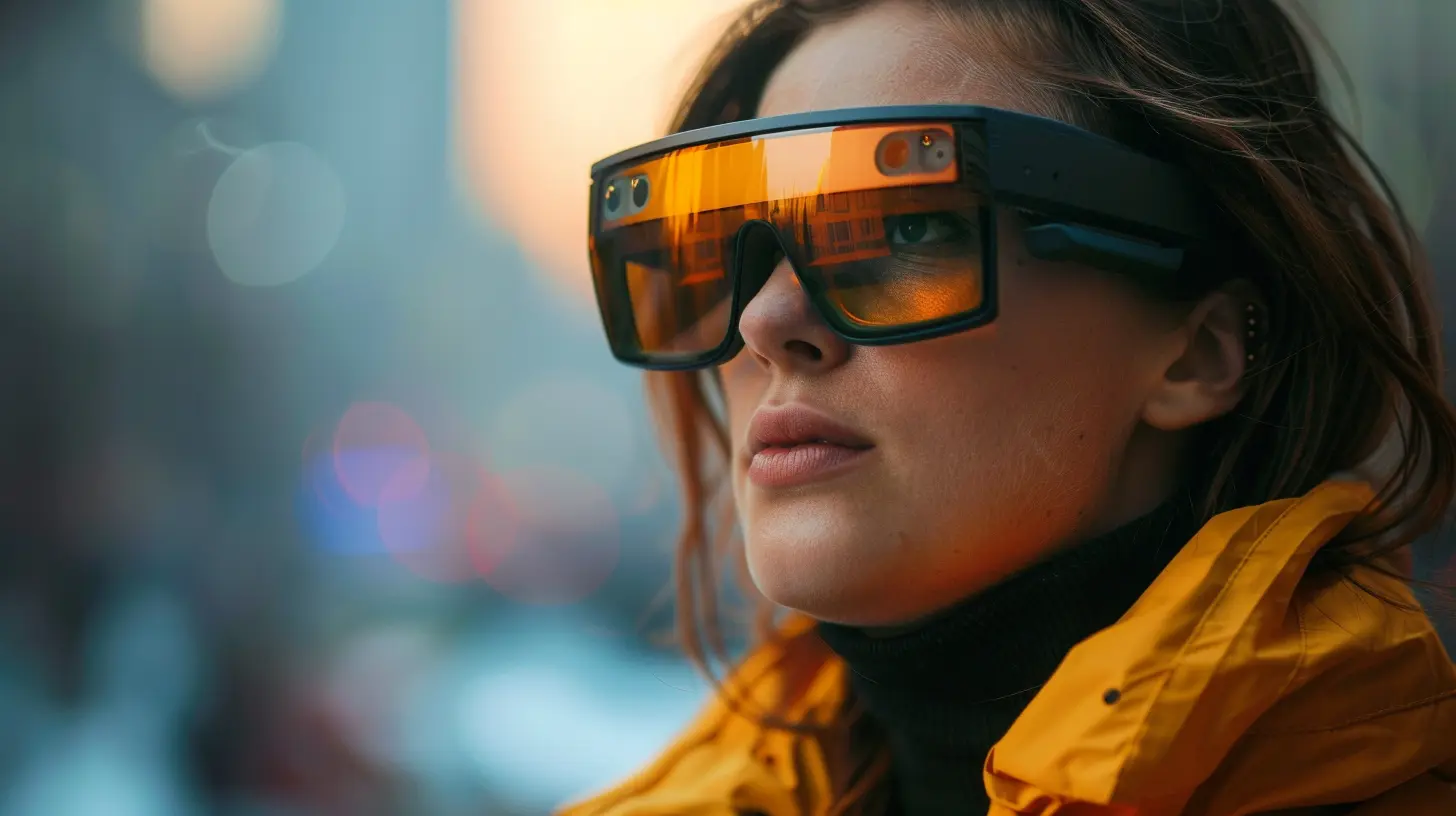
AR Glasses: A Game-Changer for E-commerce
E-commerce has always been about convenience. Click, add to cart, checkout—done. But there’s always been one major drawback: buying without physically seeing or trying the product. Enter AR glasses.These futuristic wearables will allow customers to interact with products in real-time, right from their homes. You’ll be able to:
- Try on clothes virtually – No more guessing sizes or returning half your order.
- Visualize furniture in your space – See if that sofa actually fits in your living room before making a purchase.
- Test beauty products without applying them – Try different lipstick shades or hairstyles instantly.
- Experience interactive shopping – Walk through virtual stores without stepping outside your home.
The possibilities are endless, and businesses that tap into this trend will undoubtedly gain a competitive edge.

How AR Glasses Enhance Online Shopping
1. Eliminating the Guesswork in Shopping
One of the biggest pain points of online shopping is uncertainty. Will the shoes fit? Does that coffee table match my decor? AR glasses eliminate these doubts by allowing real-time product visualization. Instead of relying on size charts or customer reviews, you can see the product as if it were right in front of you.2. Personalized Shopping Experience
Imagine walking into a virtual store where AI-powered assistants recommend products based on your preferences. With AR glasses, e-commerce retailers can offer personalized shopping experiences tailored just for you. These assistants could suggest styles that complement your wardrobe or recommend skincare products suited to your skin type.3. Reduced Product Returns
Returns are a nightmare for both customers and businesses. Statistics show that a significant percentage of online purchases are returned due to mismatched expectations. AR glasses can drastically reduce returns by ensuring customers make informed decisions before buying. Being able to see, rotate, and even interact with a 3D model of the product minimizes buyer’s remorse.4. Bridging the Gap Between Physical and Online Shopping
Physical stores have the advantage of hands-on experience, while online stores win on convenience. AR glasses combine the best of both worlds. Imagine walking into a store, scanning a product through your AR glasses, and instantly seeing details like reviews, pricing, and product variations. This blended shopping experience will redefine retail as we know it.
Industries That Will Benefit the Most
While AR glasses will impact all of e-commerce, some industries stand to gain more:Fashion & Apparel
Virtual try-ons are already making waves through AR-powered mobile apps, but AR glasses will take it to the next level. Brands can offer immersive fitting rooms where customers can see how clothes will look on them in real time, eliminating the need for tedious returns and exchanges.Home Decor & Furniture
Buying furniture online is risky—what if the couch is too big or the color doesn’t match? AR glasses will allow customers to place furniture in their homes virtually, adjusting angles and sizes to see how everything fits before buying.Beauty & Cosmetics
Makeup shopping involves a ton of trial and error. AR glasses will change that by enabling virtual beauty try-ons. Customers can experiment with different shades of lipstick, foundation, and even hairstyles without actually applying any product.Electronics & Gadgets
What if you could hold and test a gadget before buying without going to the store? AR glasses could let users interact with virtual models of smartphones, headphones, and household gadgets, helping them make informed decisions.
Challenges to Overcome
As exciting as AR glasses in e-commerce sound, a few hurdles need to be addressed before mass adoption.1. Hardware Limitations
AR glasses are still in their infancy. Current models tend to be bulky, expensive, and not widely available. Overcoming these barriers will be key to mass adoption.2. Internet & Processing Power
Smooth AR experiences require significant computing power and high-speed internet. Not all customers have access to these resources, which could slow adoption rates.3. Consumer Awareness & Acceptance
People are naturally resistant to change. Many shoppers are still getting used to AR on their smartphones. Convincing them to switch to AR glasses for shopping will take time and strategic marketing.4. Privacy & Data Security
With AR glasses collecting real-time data, privacy concerns will become a major issue. Retailers will need to ensure robust data protection measures to prevent misuse.The Road Ahead: What to Expect
While AR glasses are not yet mainstream, they are steadily gaining traction. Tech giants like Apple, Google, and Meta are all working on AR wearables, signaling that widespread adoption is only a matter of time.In the coming years, we can expect:
- More affordable and sleeker AR glasses that cater to everyday consumers.
- AI-powered personal shopping assistants to help customers make smarter choices.
- Seamless integration of AR across e-commerce platforms, making AR shopping the new norm.
- Retailers investing in AR content creation to enhance product visualization.
One thing is clear: AR glasses are not just a trend—they are the future of e-commerce.
Final Thoughts
E-commerce has come a long way, from simple product listings to AI-powered recommendations and one-day shipping. Now, AR glasses are set to redefine how we shop online. The ability to interact with products in real-time before making a purchase will create a richer, more immersive shopping experience.For businesses, this technology isn’t just an option—it’s an upcoming necessity. Brands that embrace AR glasses early will gain a significant advantage in the ever-evolving digital marketplace. The real question is—are you ready for the future of online shopping?
all images in this post were generated using AI tools
Category:
Ar GlassesAuthor:

Jerry Graham
Discussion
rate this article
2 comments
Beau Strickland
Awesome insights! AR glasses could really transform our shopping experience, making it so much more interactive and fun. I can’t wait to see how this all unfolds!
January 28, 2026 at 5:33 AM
Jerry Graham
Thank you! I share your excitement—AR glasses have the potential to revolutionize how we shop, making it more engaging and immersive. Stay tuned for what's next!
Jenna Hines
Are we ready for shopping sprees without pants? AR glasses might just make that happen!
January 12, 2026 at 5:05 PM
Jerry Graham
Absolutely! AR glasses could revolutionize shopping by making it more convenient and immersive, even in our most casual attire!