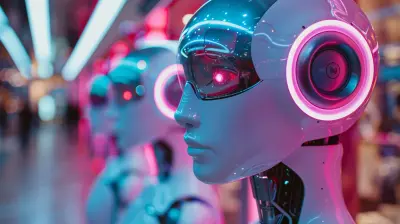
The Future of Education: VR Headsets in the Classroom
3 March 2026
Imagine sitting in a history class and instead of simply reading about ancient Rome, you're walking through the Colosseum, hearing the roar of the crowd, and standing next to gladiators. Sounds like something out of a sci-fi movie, right? Well, thanks to Virtual Reality (VR), this could soon become a reality in classrooms around the world.
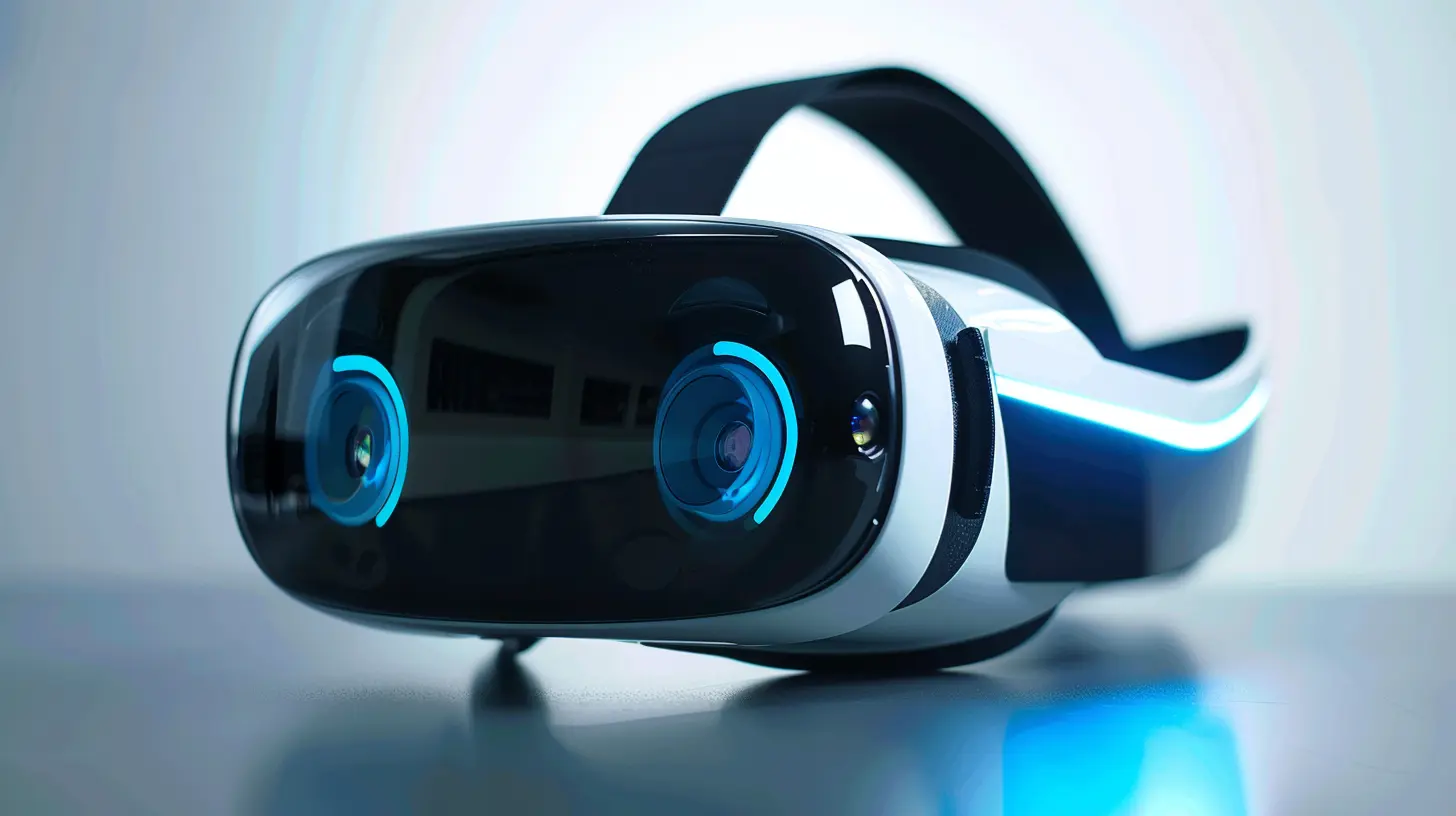
The integration of VR headsets into education is not just a trend or a passing phase; it’s a revolutionary shift in how students learn. But how exactly does VR fit into the education system? Will it truly enhance learning, or is it just another tech gimmick? Let’s dive deep into the future of education with VR headsets and how they’re reshaping the classroom experience.
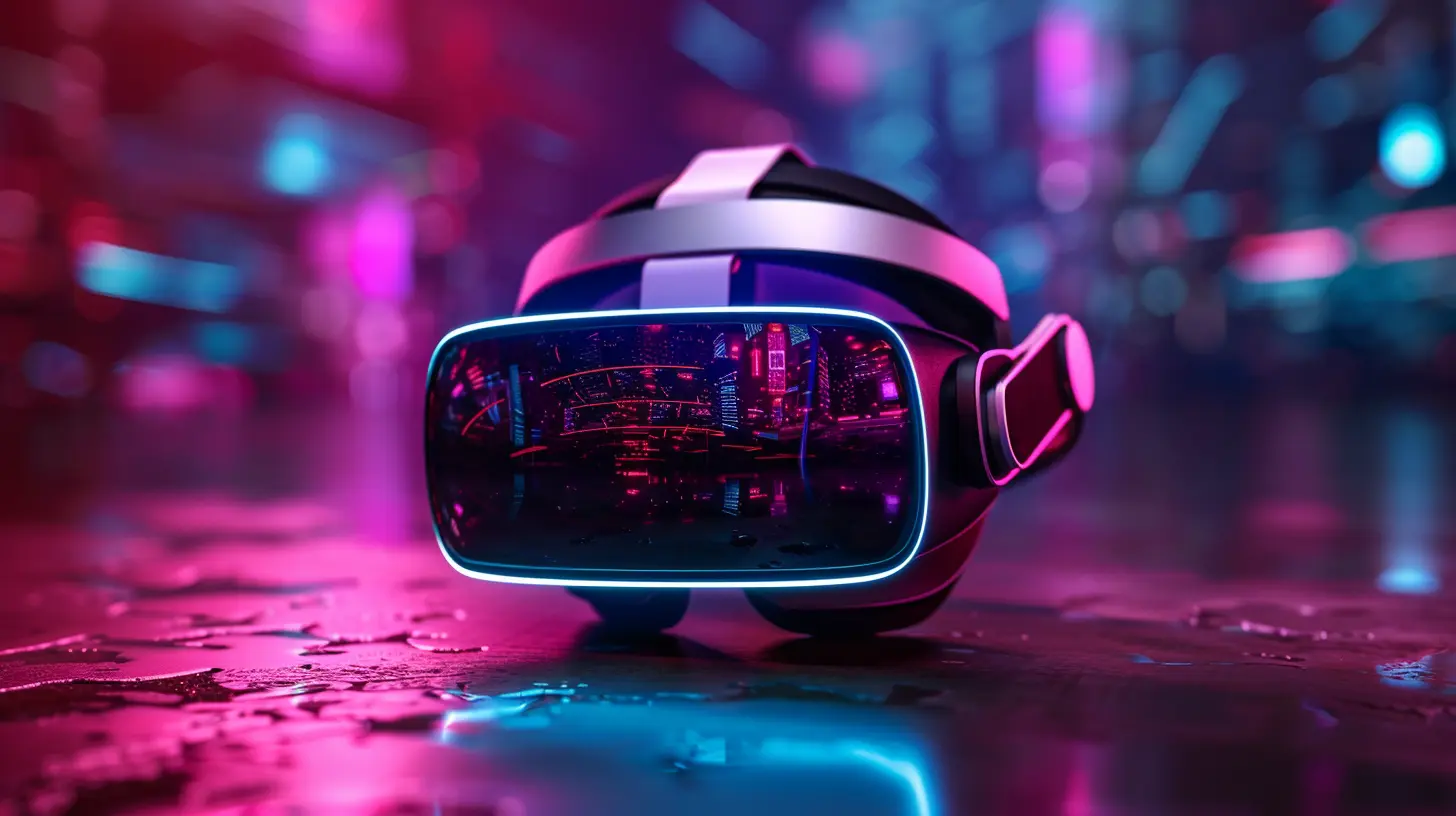
The Rise of VR in Education
VR has been around for a while—mostly in gaming and entertainment—but now it's finding its way into other industries, including education. Why? Because VR isn’t just about fun and games. It’s about creating immersive experiences that can deeply engage users. And when it comes to education, engagement is key.Let’s face it: traditional classroom learning has its limitations. Reading textbooks, listening to lectures, and watching videos can only go so far in terms of capturing a student's attention. But with VR, students aren’t just passive learners—they’re active participants in their education.
Why VR is Ideal for Classrooms
You might be wondering: why VR? Why not just stick to traditional teaching methods? Well, there’s a good reason educators are starting to embrace VR. Here’s why:1. Immersive Learning: With VR, students can experience things they’d otherwise never get to see in real life. Want to explore the solar system? VR can take you there. Want to dissect a frog without the mess? Put on a VR headset. It’s like taking field trips without ever leaving the classroom.
2. Better Retention: Studies have shown that students retain information better when they’re engaged in hands-on learning. VR makes abstract concepts more tangible. Instead of just reading about molecules, students can interact with them in a 3D space.
3. Personalized Learning: Every student learns at a different pace. VR can adapt to individual needs, offering personalized experiences that cater to unique learning styles. Whether a student is a visual learner or prefers hands-on activities, VR can accommodate them.
4. Enhanced Collaboration: Believe it or not, VR isn’t just an isolated experience. Some platforms allow students to collaborate in virtual environments, even if they’re not in the same physical space. Imagine working on a science project with classmates from across the globe, standing side-by-side in a virtual lab.
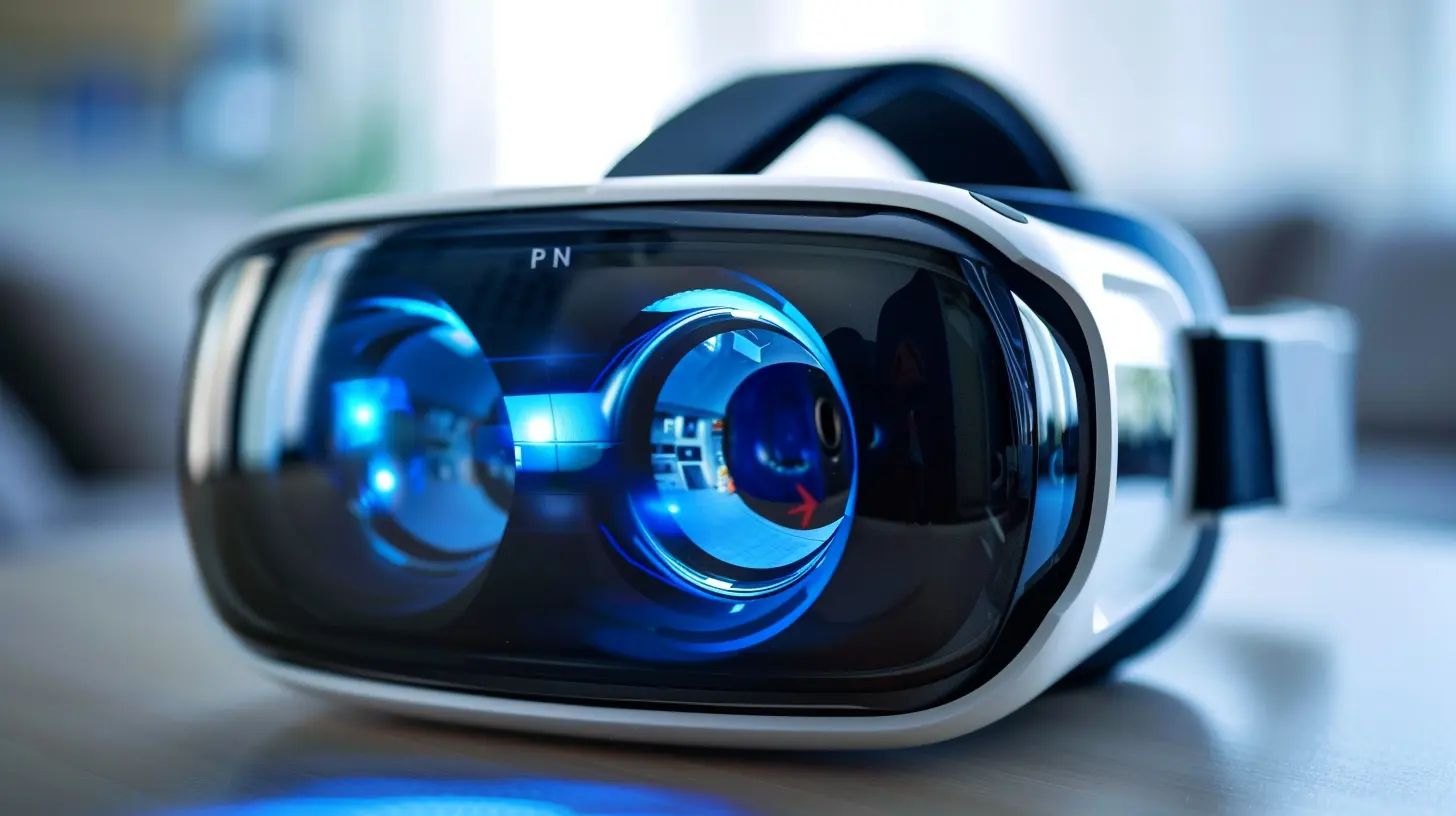
How VR is Changing Different Subjects
The beauty of VR is that it’s not limited to one subject. Whether you’re studying science, history, or even art, VR can elevate the learning experience in ways that textbooks and lectures simply can’t.Science Experiments Without the Hazards
Science classes often require hands-on experiments, but not all schools have access to the equipment or resources needed to conduct them. With VR, students can perform complex experiments without any of the risks or costs. For instance, chemistry students can mix dangerous chemicals in a virtual lab—without worrying about explosions or harmful fumes.Moreover, VR allows students to explore environments they’d never see in real life. Want to study marine biology? Dive deep into the ocean with a VR headset and observe sea creatures in their natural habitat. Want to understand how the human body works? Enter a virtual body and see the circulatory system in action.
History Comes to Life
History tends to get a bad rap for being boring, but with VR, it doesn’t have to be. Instead of reading about historical events, students can live them. Imagine standing on the battlefield during the American Civil War, or walking through the streets of ancient Egypt. It’s one thing to read about these events, but it’s another thing entirely to experience them firsthand.VR also offers students the ability to visit historical sites that are either too far away or no longer exist. Take a virtual tour of the pyramids, explore the ruins of Pompeii, or even visit the Berlin Wall before its fall. The possibilities are endless, and the impact is profound.
Art and Design in a 3D Space
Art class is often limited by the materials a school can provide. But with VR, these limitations disappear. Students can create 3D sculptures, paint in a virtual environment, or even design entire cities, all without needing physical resources.Additionally, VR offers students the chance to visit famous art galleries and museums from around the world. Want to study the brushstrokes of Van Gogh’s “Starry Night” up close? VR can make that happen without ever leaving the classroom.
Geography: Explore the World Without a Passport
Geography lessons are about more than just memorizing maps and capitals. With VR, students can travel the world without ever stepping on a plane. They can walk through the Amazon Rainforest, explore the icy plains of Antarctica, or navigate the bustling streets of Tokyo—all from the comfort of their classroom.This level of exploration helps students develop a deeper understanding of the world and its diverse cultures. It’s one thing to read about the Great Wall of China, but it’s another thing entirely to stand on it—even if it’s in a virtual world.
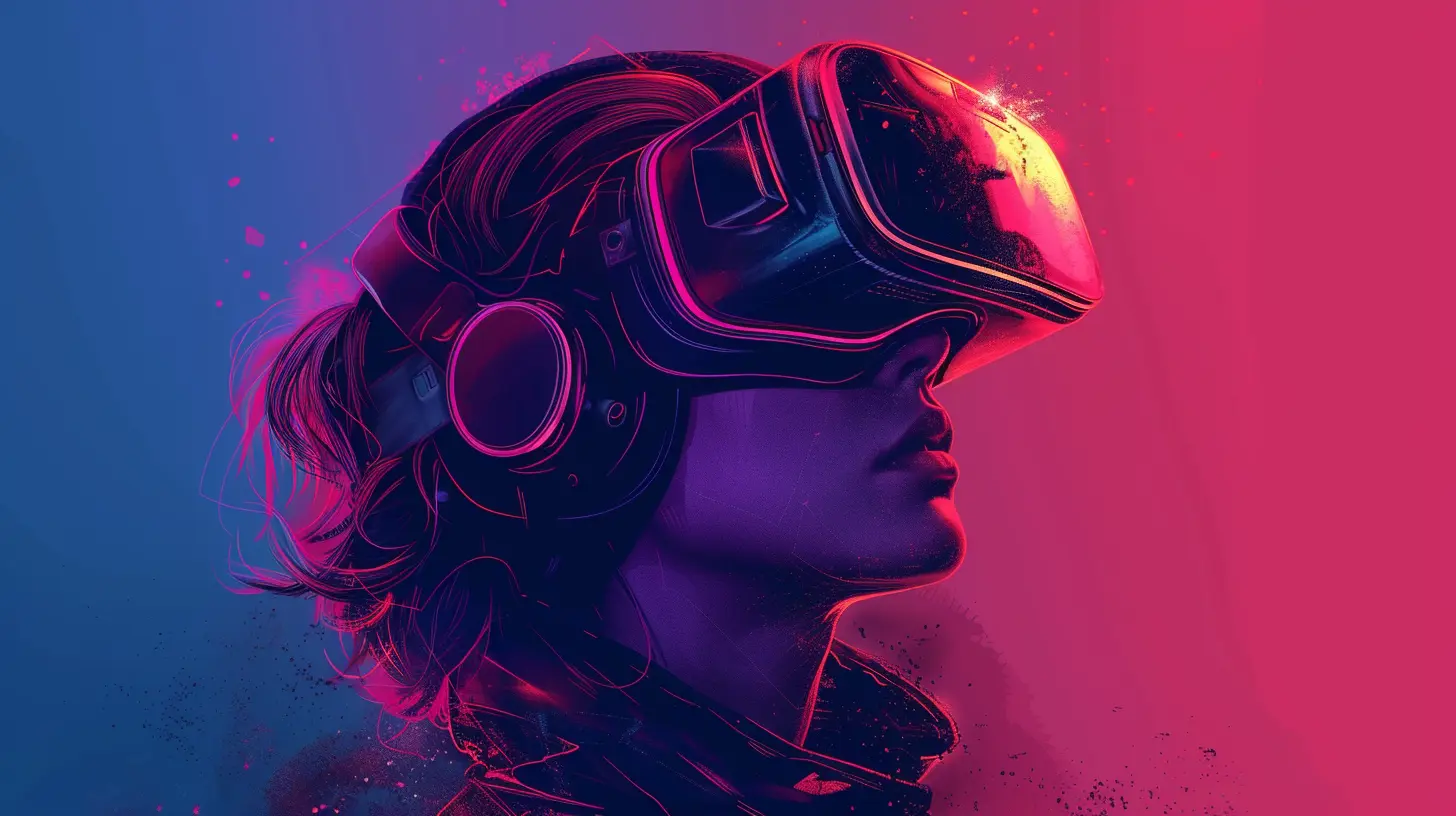
The Practical Benefits for Educators
It's not just students who benefit from VR—teachers can also experience a transformation in how they deliver lessons. VR can help educators shift from being mere dispensers of information to facilitators of experiences. Here are some of the advantages for educators:1. Engagement: Let’s be real—keeping students engaged can be tough. VR is a game-changer in that department. When students are immersed in a virtual environment, they’re less likely to lose focus or get bored.
2. Time-Saving: Setting up a traditional science experiment, for example, can take time and resources. But with VR, everything is ready at the click of a button. This allows teachers to spend less time setting up and more time actually teaching.
3. Assessment Capabilities: VR can also provide real-time feedback and assessment tools. Teachers can track a student's progress through interactive quizzes and tasks within the virtual environment. This gives educators insight into how well students are grasping the material.
4. Professional Development: VR isn’t just for students—teachers can use it for their own professional growth. Virtual training sessions can help them learn how to integrate new technologies into their teaching methods or explore different pedagogical approaches.
Challenges and Limitations
Now, before we get too far ahead of ourselves, it’s important to acknowledge that VR in education isn’t without its challenges. While the potential is enormous, there are a few hurdles that need to be addressed.Cost and Accessibility
Let’s be honest—VR headsets aren’t cheap. While prices have come down in recent years, outfitting an entire classroom with VR equipment can still be a financial strain for many schools, especially those already struggling with tight budgets.Additionally, not all students have access to VR outside of school. This creates a potential equity issue, where some students might benefit more from the technology than others. Schools will need to find ways to ensure that all students have equal access to these new tools.
Technical Issues
As with any technology, there are bound to be technical hiccups. VR headsets can sometimes glitch, require updates, or have compatibility issues with certain software. Teachers will need training to handle these issues and ensure that VR doesn’t become more of a distraction than a learning tool.Potential for Over-Reliance
While VR offers incredible benefits, it’s important that it doesn’t replace traditional teaching methods altogether. There’s a risk that educators might become too reliant on VR and neglect other valuable forms of instruction. Balance is key.The Road Ahead
Despite these challenges, the future of VR in education looks incredibly promising. As the technology continues to evolve, it’s likely that we’ll see more affordable and accessible options for schools. And as more educators embrace VR, we’ll start to see innovative ways of using the technology that we haven’t even imagined yet.What’s clear is that VR has the potential to transform education in ways we’re only beginning to understand. It’s not just about making learning more fun (though that’s a nice bonus)—it’s about creating experiences that can deepen understanding, foster creativity, and open up new worlds for students.
So, while we may not all be wearing VR headsets in every classroom just yet, it’s only a matter of time before this technology becomes a staple in schools around the globe. The future of education is immersive, and VR is leading the way.
Conclusion
The fusion of VR and education is a leap forward in how we teach and how students learn. It’s more than just a flashy new tool; it’s a gateway to deeper engagement, better retention, and personalized learning. While there are hurdles to overcome, the potential benefits far outweigh the challenges. As VR technology continues to advance and become more accessible, the classroom of the future might look very different from what we know today.Are you ready to put on that headset and step into the future of education?
all images in this post were generated using AI tools
Category:
Vr HeadsetsAuthor:

Jerry Graham
Discussion
rate this article
2 comments
Phoenix Rios
This article offers valuable insights into the potential of VR in education. It's exciting to see how technology can foster immersive learning experiences. I hope we can find ways to make VR accessible for all students, ensuring no one is left behind.
March 8, 2026 at 5:22 AM
Jerry Graham
Thank you for your thoughts! Making VR accessible is crucial, and I'm glad you see its potential in education. Let's keep pushing for inclusive solutions.
Maren Robinson
“While VR headsets promise an immersive classroom experience, let’s hope educators don’t get lost in the digital haze. Balancing tech with traditional learning is key—after all, reality still has some lessons to teach!”
March 5, 2026 at 3:57 AM
Jerry Graham
Absolutely! Striking that balance between VR and traditional methods is crucial for a well-rounded education. Reality provides valuable lessons that should not be overlooked.