The Rise of AI in Customer Service: Chatbots and Beyond
1 April 2026
Artificial Intelligence (AI) isn’t just for sci-fi movies or cutting-edge research labs anymore—it’s in our everyday lives, especially when you need help resetting your password at 2am or tracking your latest package. We’re smack in the middle of a customer service revolution, and guess what’s leading the charge? Yep, AI-powered systems, from simple chatbots to smart virtual assistants.
Let’s face it—waiting 30 minutes on hold just to ask a two-minute question is frustrating. Businesses get that. Customers demand quicker, smarter, more personalized help. This is where AI steps in, dramatically changing how brands connect with their audience. It’s not just about automation anymore; it’s about making conversations as human-like as possible.
So, what does this all mean for customer service? And where is it all heading? Let’s dig in.
The Changing Landscape of Customer Service
Customer service used to mean call centers, email queues, and maybe a “contact us” form on a website. It was slow, often inefficient, and people had to repeat themselves a lot. Not ideal.Then came live chat. Suddenly, you could talk to someone in real-time without picking up the phone. Fast-forward a bit, and we’ve got AI chatbots answering queries instantly—24/7, no coffee breaks needed.
But this shift didn’t happen overnight. The rise of digital communication, mobile-first habits, and the "need-it-now" mentality pushed companies to rethink how they support their customers. Enter AI.
What Exactly Are AI Chatbots?
Before we go further, let’s break it down. What are AI chatbots, really?At their core, chatbots are software programs designed to simulate conversation with humans. The basic ones follow pre-defined rules. You ask a question, and they respond from a set of stored answers. It’s like a vending machine—you press A4, you get chips.
But AI-based chatbots? They’re on another level.
These smarter bots use Natural Language Processing (NLP) to understand what people are really saying—even if the phrasing is unusual or full of slang. They learn over time from conversations, improving their responses. Think less vending machine and more personal assistant that’s always learning.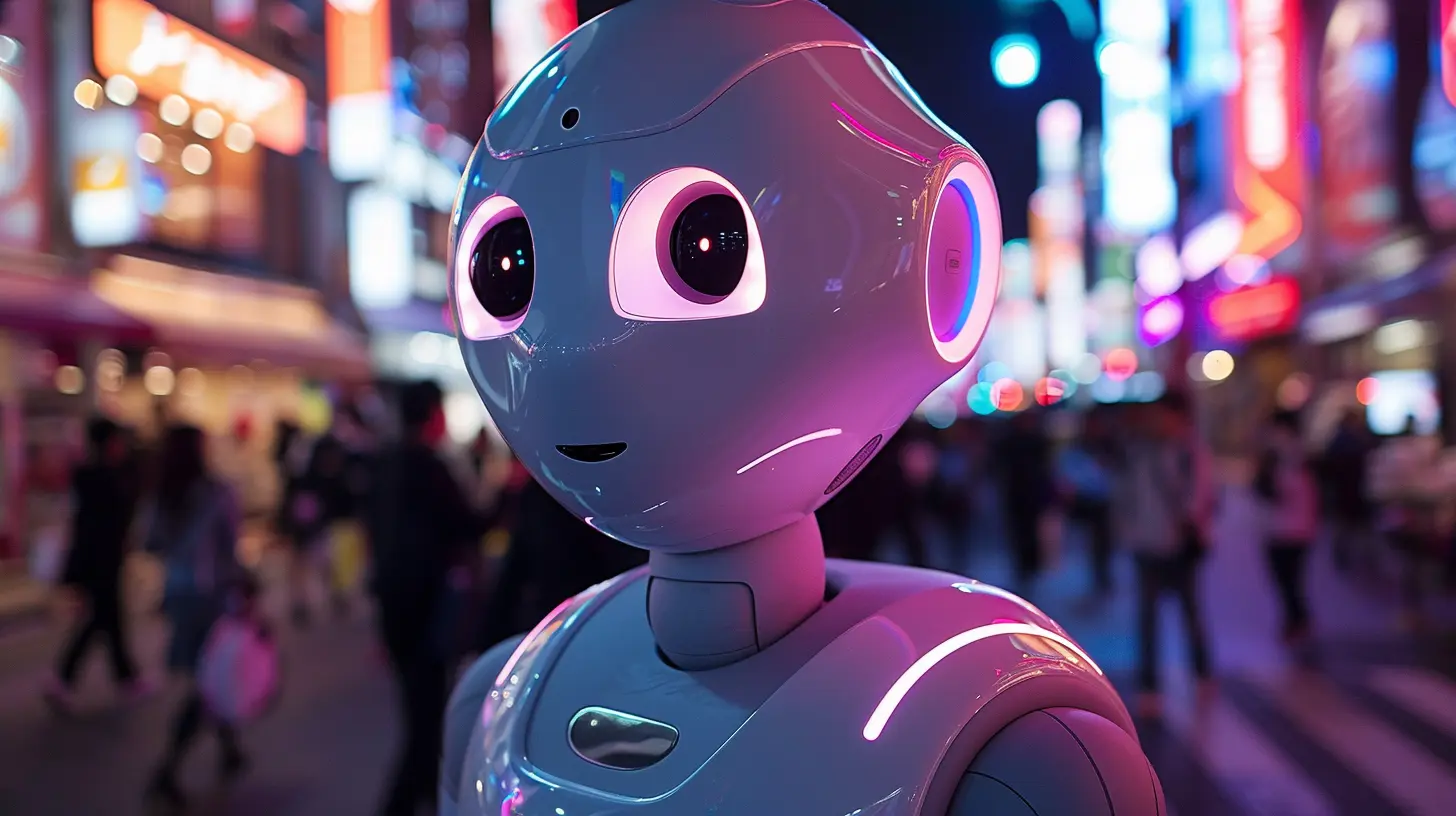
Why Businesses Are All-In on AI Customer Service
Companies aren’t just jumping on the AI bandwagon because it’s trendy. There’s real value here.1. Instant Responses = Happy Customers
Nobody likes waiting. AI chatbots give instant answers, cutting down wait times dramatically. Whether it’s 3pm or 3am, someone—or rather, something—is always available.2. Cost-Effective Scaling
Hiring humans to handle every single interaction gets expensive fast. AI allows businesses to scale support without scaling headcount. It’s a game-changer, especially for startups and growing companies.3. Consistency Across the Board
Humans have off days. AI doesn’t. Whether it’s the first customer or the 5,000th of the day, the chatbot delivers the same level of service—every time.4. Data-Driven Insights
Every interaction with a chatbot can be analyzed. Businesses get a goldmine of insights—what customers are asking, where they’re getting stuck, what language they use. It’s feedback without needing a feedback form.
Beyond Chatbots: Where AI in Customer Service is Heading
Let’s be real—chatbots are great, but AI is capable of so much more. The future of AI in customer service doesn’t stop at answering FAQs. We’re talking predictive support, emotional intelligence, and real-time personalization.1. AI-Powered Virtual Assistants
These are the next-gen chatbots. Tools like Google Assistant, Amazon Alexa, and Apple’s Siri are evolving beyond home tasks. Imagine a voice assistant that can handle your travel booking, reschedule your meetings, and troubleshoot your cable connection—all in one go.2. Sentiment Analysis
AI can now detect the tone of a customer’s message—is the person happy, frustrated, confused? With this info, responses can be tailored appropriately. A frustrated customer might get directed straight to a human for quick resolution.3. Predictive Customer Support
Using AI to anticipate problems before they happen? It’s real. If a customer’s internet connection drops regularly, AI can flag the issue and offer help before the customer even complains. That’s proactive service, and it builds loyalty.4. Omnichannel Experiences
Today’s customers bounce between platforms—Facebook, email, live chat, WhatsApp. AI helps create seamless conversations across channels. So you could start a chat on Instagram and finish it via email without needing to start from scratch.Real-World Examples of AI in Action
Still wondering how this all unfolds in real life? Here are some companies leading the AI-supported customer service game.1. Amazon’s Alexa Customer Service
Amazon uses its virtual assistant to help customers track packages, reorder items, and get support—all hands-free. The integration of voice and customer data makes it a powerful support tool.2. H&M’s Chatbot Stylist
Yes, even fashion brands are getting in on the AI action. H&M’s chatbot helps users find fashion advice based on their preferences. It’s like chatting with a very stylish digital assistant.3. Bank of America’s Erica
Erica is a virtual financial assistant that helps customers with everything from checking balances to tracking spending habits. It’s like having a personal banker in your pocket.Potential Pitfalls (and How to Avoid Them)
AI isn’t magic. It’s powerful, but it’s not perfect. Here are a few challenges businesses need to watch out for.1. Over-Automation
Not every issue can—or should—be handled by AI. Sometimes customers just need to talk to a real person. The key is balance. Use AI to handle routine queries, but keep human agents for complex or emotional issues.2. Lack of Personalization
A generic chatbot that gives canned responses can frustrate customers. The best AI learns and adapts, using data to personalize each conversation.3. Privacy and Data Concerns
AI needs data to learn, but customers are more conscious than ever about how their data is used. Brands must be transparent and take data privacy seriously.4. Language and Cultural Barriers
Even the smartest AI can misinterpret slang, sarcasm, or cultural nuances. Continual training and updates help minimize these misunderstandings.The Human-AI Partnership
Here’s something important—AI isn’t here to eliminate jobs. It’s here to make them better. When used right, AI takes care of the repetitive, time-consuming stuff, freeing up human agents to handle what really matters: empathy, creativity, and critical thinking.Think of AI as a sidekick, not a replacement. Batman still needed Robin, right?
What This Means for the Future
So, where’s all this going?We’re heading toward a world where customer service will be faster, smarter, and more personalized than ever. Imagine AI systems that know your preferences, anticipate your needs, and even crack a joke to make your day better.
In five to ten years, AI could be the first point of contact for virtually every customer interaction—but with human agents always in the loop for backup and guidance.
Final Thoughts
The rise of AI in customer service is changing everything—from how brands interact with their customers to the very expectations people have when reaching out for help.Chatbots might be the poster child of this revolution, but they’re just the beginning. The real magic? It’s in the blend of artificial intelligence and human ingenuity. When businesses strike the right balance between tech and touch, that’s when they create customer experiences worth remembering.
So next time you get a “Hey there! How can I help today?” at 2am and actually get your problem solved—thank a chatbot. But remember, there’s a whole world of smart tech (and smart humans) working behind the scenes.
all images in this post were generated using AI tools
Category:
Artificial IntelligenceAuthor:

Jerry Graham
Discussion
rate this article
2 comments
Bellamy Rogers
As AI reshapes customer service, we must ponder: will automation enhance human connection or create a façade that undermines genuine engagement?
April 13, 2026 at 11:59 AM
Jerry Graham
AI in customer service can enhance human connection by streamlining interactions, but it risks creating a façade if overused. Striking the right balance is key.
Yasmeen Walker
AI is transforming customer service, but while chatbots enhance efficiency, they can’t fully replace the human touch. Balance is essential.
April 3, 2026 at 4:56 AM
Jerry Graham
Thank you for your insight! I completely agree that while AI chatbots boost efficiency, the human element remains crucial for providing a truly exceptional customer experience. Striking the right balance is key.