The Role of AI in Reducing Food Waste
28 June 2026
Let’s talk about food waste. It’s one of those problems that doesn’t seem like a big deal—until you realize that nearly one-third of all food produced globally ends up in the trash. Yikes. That’s millions of tons of perfectly good food wasted every year, while millions of people go hungry.
But don’t worry, AI is stepping in like a digital superhero, ready to tackle this issue head-on. From smarter inventory tracking to predicting food spoilage, artificial intelligence is making sure we waste less and save more. So, grab a snack (and make sure you actually finish it), because we’re diving into how AI is reducing food waste in some seriously cool ways.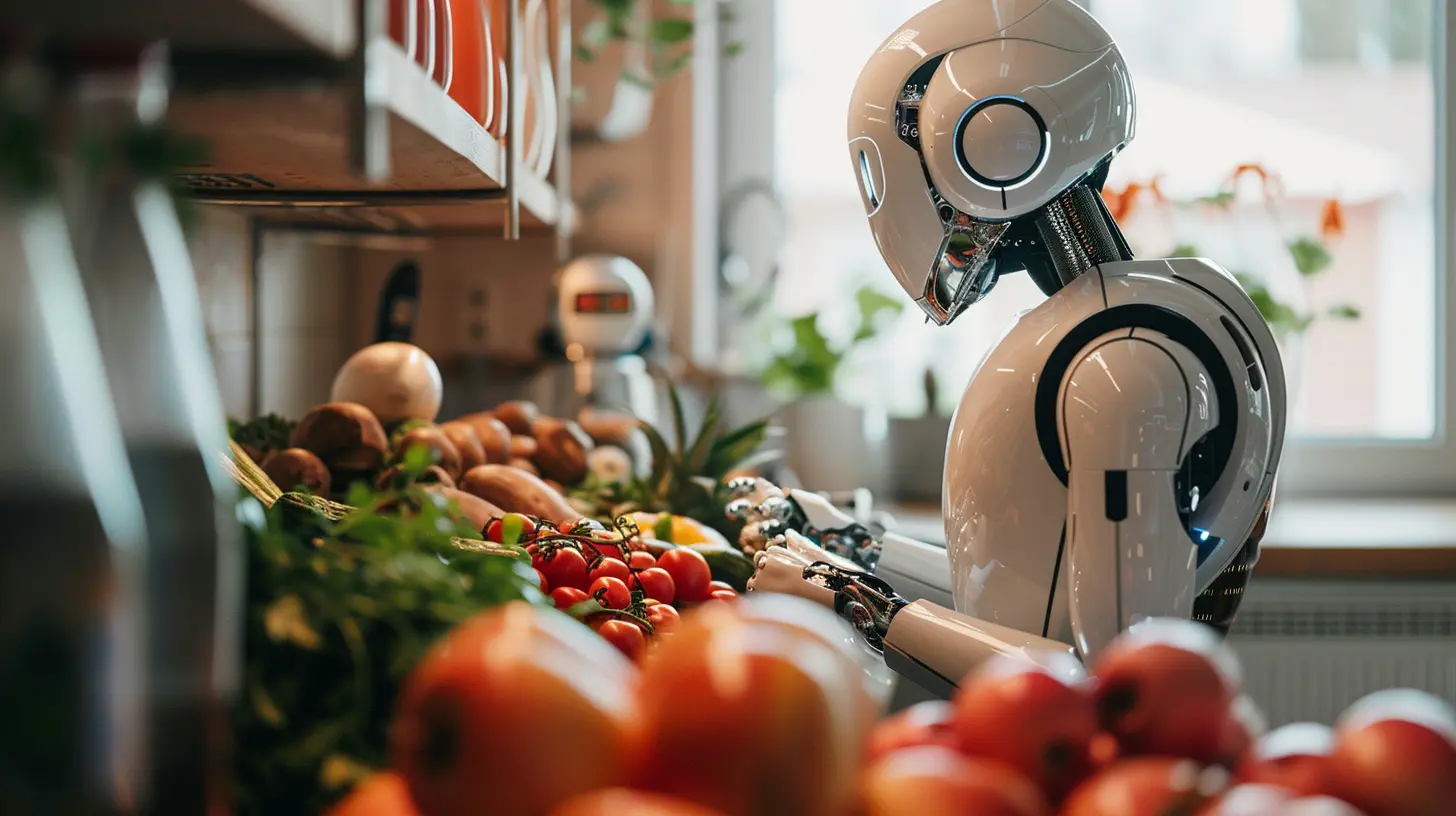
The Scope of the Food Waste Problem
Before we geek out over AI, let’s get some perspective. Food waste isn’t just about chucking leftovers after dinner. It happens at every stage—from farms and factories to restaurants and households.- At the farm: Imperfect veggies never even leave the field because they're not "pretty enough" for grocery stores.
- During distribution: Poor storage leads to spoilage before food reaches consumers.
- At restaurants: Buffets and oversized portions mean lots of food ends up in the bin.
- In homes: We buy too much, forget about it, and then throw it away when it rots.
Sounds bad, right? Well, AI is rolling up its (digital) sleeves to cut down on waste at every step.
AI-Powered Solutions That Are Changing the Game
AI isn't some sci-fi fantasy anymore—it’s already here, making real changes in how we manage food. Let’s break down the ways AI is saving our meals before they hit the dumpster.1. Smarter Farming With AI
Farmers have been battling food waste for decades, but AI is giving them the ultimate sidekick—data-driven insights.- AI-powered crop monitoring helps farmers predict when produce is ready for harvest, reducing spoilage in the field.
- Smart irrigation and fertilization ensure that resources are used efficiently so that crops grow better and last longer.
- Automated sorting systems use cameras and machine learning to detect "ugly" but perfectly edible produce that can be sold instead of tossed.
Basically, AI is making sure every carrot, potato, and apple gets a fair shot at becoming dinner.
2. Reducing Waste in Grocery Stores
Ever wonder why grocery stores seem to have an endless supply of fresh food? It turns out, they overstock like crazy to make sure shelves always look full. The problem? Overstocked items often spoil before they’re sold.AI is fixing this mess with predictive analytics. Here’s how:
- AI tracks shopping trends to determine exactly how much stock is needed, so stores don’t over-order.
- Machine learning algorithms monitor expiration dates and suggest discounts on items that are close to expiring—helping get food into customers' hands instead of landfills.
- Smart inventory management systems can automatically reorder only what’s necessary, reducing excess waste.
So, next time you see a discounted pack of yogurt, thank AI—it’s helping that yogurt find a home before it's too late.
3. AI in Restaurants: The Waste Warriors
Have you ever worked in a restaurant? If so, you know just how much food gets thrown out every single day. From uneaten meals to unused ingredients, it’s a waste nightmare.But AI is here to help:
- Food waste tracking systems (like Winnow and Orbisk) use AI-powered cameras to monitor what’s being thrown away and why. This helps chefs adjust portion sizes and meal prep strategies.
- AI-driven menu planning predicts what dishes will be popular, so restaurants don’t overprepare food that won’t get ordered.
- Smart ordering systems analyze past sales to ensure restaurants only stock up on what they actually need.
With AI fine-tuning the way restaurants operate, a whole lot less food ends up in the trash—and that’s a win for both businesses and the planet.
4. AI at Home: Helping You Waste Less
Let’s be honest—we’ve all let food rot in the fridge at some point (RIP, forgotten bag of spinach). But AI is stepping in to save our groceries from an untimely demise.- Smart fridges can now track expiry dates and suggest recipes based on what you have left. No more mystery veggies turning into science experiments.
- AI-powered meal planning apps like Too Good To Go and NoWaste help consumers buy exactly what they need and use ingredients before they spoil.
- Automated grocery lists (powered by AI assistants) remind you to buy only what you’ll actually eat.
Basically, AI is like a personal food assistant, keeping you on track so you waste less and save more.
The Environmental and Social Impact of AI-Driven Food Waste Reduction
Less food waste doesn’t just mean saving money—it has a huge impact on the environment and society.- Reducing landfill waste: Less food waste means less methane gas (a major greenhouse gas) released into the atmosphere.
- Saving water and energy: Producing food takes a lot of resources—saving food means conserving water, electricity, and labor.
- Helping solve global hunger: AI-assisted food recovery programs help redirect surplus food to those in need instead of sending it to the trash.
It's a win-win-win situation where we save food, help the environment, and support people who need it most.
The Future of AI in Food Waste Management
AI’s role in reducing food waste is only going to get bigger and better. Here’s what’s coming next:- AI-powered food-sharing platforms will connect restaurants, grocery stores, and consumers to redistribute surplus food more efficiently.
- Blockchain technology & AI will work together to enhance food traceability, helping us track freshness and quality more accurately.
- Automated food preservation systems will use AI to monitor storage conditions and extend shelf life.
At this rate, wasting food might actually become… a thing of the past. Imagine that!
Final Thoughts: AI is Serving Up Solutions
Food waste is a massive issue, but AI is proving to be a game-changer in tackling it. From farms to fridges, artificial intelligence is reducing waste, saving money, and helping the planet—all in one go.So the next time you see AI in action, whether in a smart fridge or a restaurant’s waste-tracking system, remember: it’s not just about technology—it’s about making the world a better, less wasteful place.
Now, if you’ll excuse me, I’ve got some leftovers to finish.
all images in this post were generated using AI tools
Category:
Artificial IntelligenceAuthor:

Jerry Graham
Discussion
rate this article
1 comments
Kaleb McAndrews
AI can optimize supply chains and predict demand, significantly minimizing food waste and enhancing sustainability efforts.
June 28, 2026 at 10:29 AM
Jerry Graham
Absolutely, AI's ability to analyze data and forecast demand is a game changer for sustainability in food supply chains. It's exciting to see its potential in reducing waste.