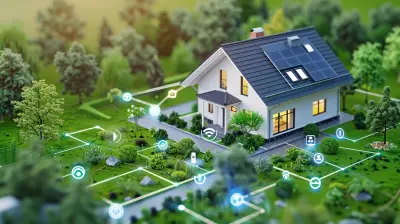
The Role of AI in Smart Home Technology
4 January 2026
Let’s be real for a second: smart homes were once just a cool idea from sci-fi flicks. Now? They're as real as your morning coffee – and Artificial Intelligence (AI) is the brain driving it all. It’s not just about turning off lights with your voice anymore. We’re talking about a level of convenience, customization, and control that’s literally reshaping how we live. Yeah, it's that big.
In this article, we’re diving deep into the electrifying connection between AI and smart home tech. So grab your favorite drink, kick back, and let’s unpack this digital revolution.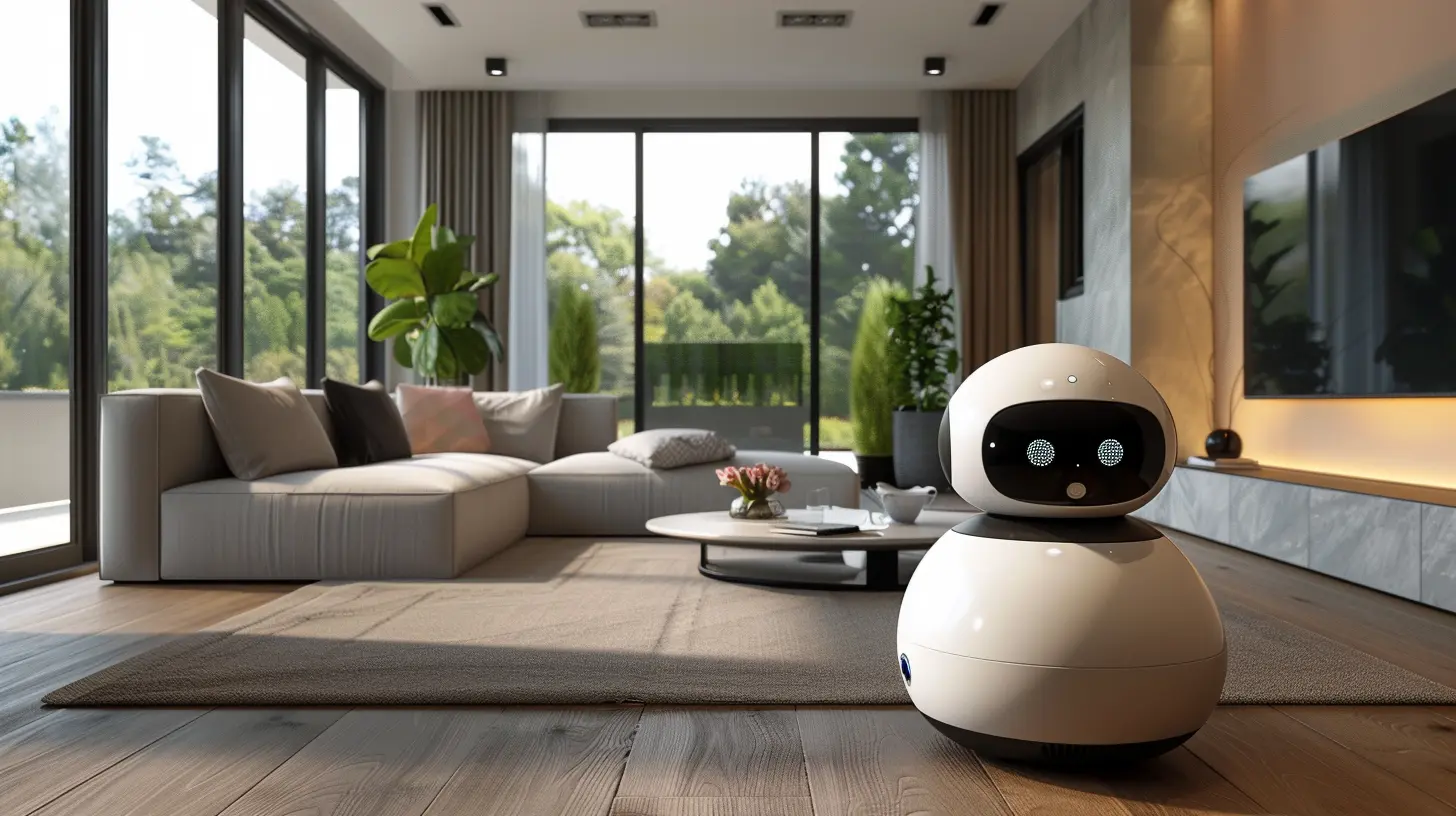
What Is AI in the Context of Smart Homes?
Alright, before we get too ahead of ourselves, let’s get clear on what we mean by AI in smart homes.Artificial Intelligence (AI) refers to machines or software mimicking human intelligence. In the realm of smart homes, this means devices that don’t just follow commands – they learn, adapt, and make decisions. Think of them like housemates who actually listen, remember how you like things, and never forget to lock the doors.
AI in smart homes goes way beyond simple automation. We’re talking about intelligent systems that monitor, process, and predict your behavior to optimize the environment around you. Sounds futuristic, right? Well, welcome to the future.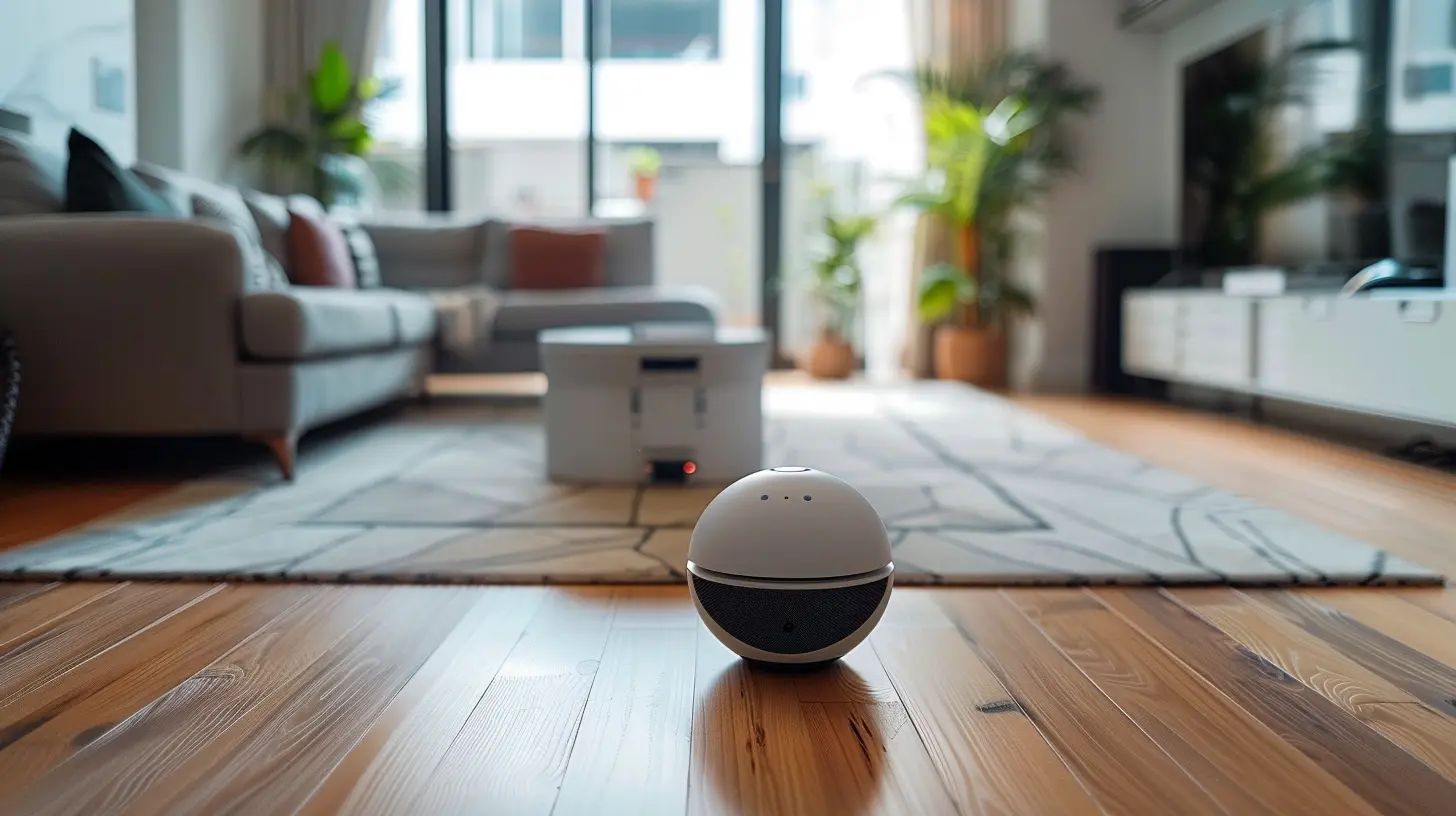
How AI Changes the Game for Smart Homes
Let’s break down how AI is transforming homes into intelligent ecosystems.1. Personalized Living Experiences
Ever notice how Netflix seems to know what you want to watch next? That’s AI at work—and it’s doing the same in your home.From adjusting your lights based on the time you usually wind down to setting the thermostat just the way you like it every morning, AI creates a home experience tailored to your preferences. It learns your patterns, your routines, and even your mood.
Imagine walking in after a long day and your living room lights dim automatically, your favorite playlist starts softly in the background, and the air conditioning kicks in at your perfect temperature. That’s AI creating a vibe without even being asked.
2. Voice Assistants: The AI Frontline
Alexa, Google Assistant, Siri—they’re more than just digital butlers. These voice assistants are AI-powered gatekeepers to your smart home ecosystem.They’re not listening just to respond. They’re learning. Over time, they pick up accents, understand slang, and adapt to how you speak. That’s why you can mumble “turn off the lights” half-asleep and still get results.
And they’re not stopping at voice control—they’re moving toward predictive suggestions. Soon your assistant might ask, “Want me to lock the doors and turn off the lights like you usually do at 10:30 PM?” That’s proactive AI in action.
3. Smart Security Enhanced by AI
Safety first, right? AI-powered smart security systems are changing the game here.Facial recognition, motion detection, and even behavior analysis are being used to manage security. Cameras don’t just see—they understand.
Let’s say a package thief lingers on your porch. With AI, your doorbell camera doesn’t just record—they analyze the interaction, compare it with normal behavior, and can send a real-time alert or even trigger an alarm.
Oh, and forget false alarms—AI systems get better over time. They learn to distinguish between your dog doing zoomies and a potential intruder.
AI-Powered Devices You’re Probably Already Using
Sometimes we don’t even realize how AI has crept into our daily routines. Here are a few devices you might already have at home without realizing the AI power they pack:- Smart Thermostats (like Nest or Ecobee): These learn your schedule, weather patterns, and energy usage to optimize your home’s heating/cooling system. Saving money? That’s just a sweet bonus.
- Smart Refrigerators: Yes, your fridge might be smarter than your uncle. AI helps track expiration dates, suggest recipes, and even create shopping lists.
- Robot Vacuums (like Roomba): These bad boys don’t just clean. They map your home layout, learn your floor patterns, and avoid obstacles with freakish precision.
- AI-Based Home Hubs: Devices that manage multiple smart gadgets and learn to prioritize based on your daily habits.
You’re basically living in a digital brain without even trying.
Home Automation on Steroids: AI + IoT
Here’s where it gets wild.Combine AI with the Internet of Things (IoT), and you’ve got a fully connected home that runs itself, with very little input from you. IoT devices gather data. AI processes it. Result? A house that thinks faster than you do.
Let’s say your wearable fitness tracker notices you’ve had a stressful day—it could trigger your smart home to start a calming playlist, dim the lights, and warm the bath. All without you saying a word.
This isn’t house automation—it’s environmental intuition.
Energy Efficiency and Sustainability – The Green Side of AI
Good news for the planet: smarter homes aren’t just convenient, they’re also more energy-efficient.AI can monitor and reduce unnecessary consumption by predicting when you’ll be home, adjusting temps, and even scheduling your washing machine to run during off-peak hours.
Solar panels paired with AI? Now we’re talking maximum efficiency. These systems can predict sunlight hours and auto-adjust for optimal energy harvesting.
Bottom line: AI helps your home go green without you lifting a finger. Eco-efficiency without the guilt trip.
The AI-Powered Future of Home Healthcare
Now, let’s touch on a real game-changer—AI in home healthcare.Smart homes are evolving into health hubs, especially for seniors or people with chronic conditions. Picture this:
- AI wearables track vitals like heart rate and oxygen levels.
- Smart beds analyze your sleep and adjust automatically.
- AI detects falls, irregular movements, or missed medications and notifies caregivers or emergency contacts.
It's not just tech—it’s peace of mind. These features can literally save lives.
Privacy and Security Concerns: The Flip Side of AI
Now, let’s not sugarcoat it—AI in smart homes raises some serious questions.When your devices are always listening, learning, and storing data, who’s holding the keys to that information? Is it being encrypted? Shared with third parties?
It’s a bit like inviting a super-intelligent stranger into your home. Cozy, but also a little unsettling.
To stay safe, always:
- Use strong passwords and two-factor authentication.
- Keep your device firmware up-to-date.
- Know what data your devices collect and where it’s going.
Think of privacy like locking your doors. Just because it’s digital doesn’t mean you shouldn’t guard it fiercely.
The Future: Where Is AI in Smart Homes Heading?
Get ready, because this rollercoaster is just getting started.In the near future, we’re going to see:
- Smarter Interactions – AI that doesn’t just follow orders but understands context and emotion.
- Interconnected Systems – Your smart home talking to your smart car, your office, even the grocery store.
- Hyper-Personalization – Homes that adjust based on real-time biofeedback like stress levels or hydration.
- AI That Learns Entire Households – Not just one user, but everyone under the roof, from toddlers to grandparents.
Bottom line: Homes will become more than places to live—they’ll become active participants in our lives.
Final Thoughts: AI Is Making Your Home Work For YOU
Look, smart homes aren't just tricks or toys anymore. With AI, they’re becoming deeply integrated, intelligent environments that anticipate your needs, respond instantly, and keep improving without being asked.Think of AI as the silent butler, the invisible operations manager, and the 24/7 security guard of your home. It’s not about replacing human touch—it's about enhancing how you live.
Whether you’re a tech geek or someone who just wants their coffee machine to know when to fire up, AI is the key to unlocking home bliss. Resistance is honestly futile—and probably means you’re missing out.
all images in this post were generated using AI tools
Category:
Artificial IntelligenceAuthor:

Jerry Graham
Discussion
rate this article
2 comments
Tessa Velez
AI enhances smart home technology by optimizing automation, improving energy efficiency, and personalizing user experiences.
January 22, 2026 at 4:07 AM
Jerry Graham
Thank you for highlighting these key benefits! AI truly transforms smart homes by making them more efficient and tailored to individual needs.
Oriel Warner
AI enhances smart home technology by improving efficiency, security, and user convenience while raising privacy concerns.
January 6, 2026 at 11:54 AM
Jerry Graham
Thank you for your insightful comment! Indeed, while AI significantly enhances efficiency and convenience in smart homes, it's essential to address the rising privacy concerns to ensure a secure user experience.