The Role of Eye Tracking in the Next Generation of VR Headsets
19 December 2025
Virtual Reality (VR) has come a long way from its early, clunky beginnings. We’ve seen massive advancements in graphics, refresh rates, and motion tracking, making today’s VR experiences more immersive than ever. But there’s one technology that’s about to take VR to a whole new level—eye tracking.
Imagine a world where your VR headset knows exactly where you're looking, adjusting the focus, enhancing graphics, and even improving interaction with virtual objects. Sounds futuristic? Well, the future is almost here. Let’s dive into how eye tracking will shape the next generation of VR headsets.
What Is Eye Tracking in VR?
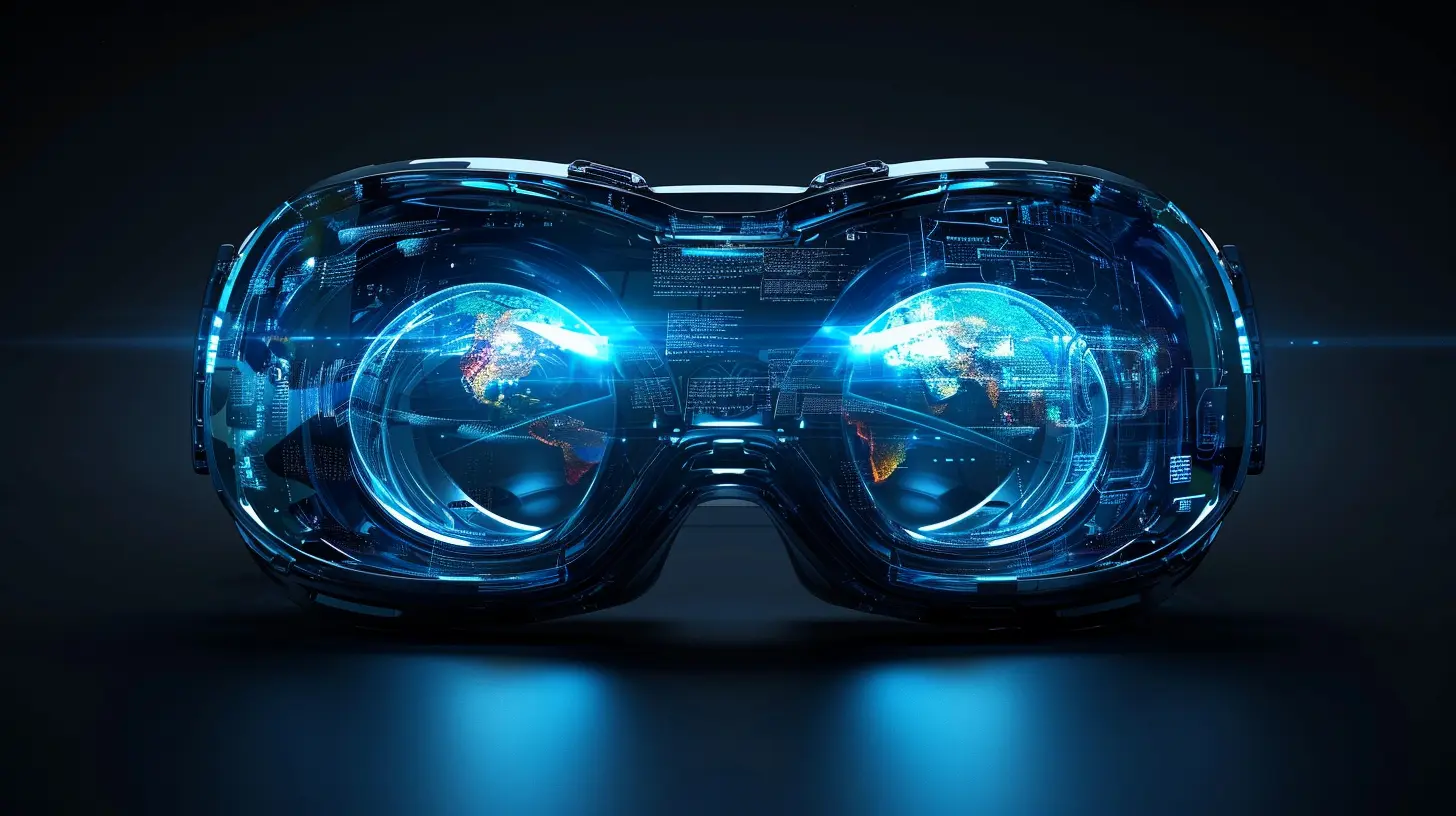
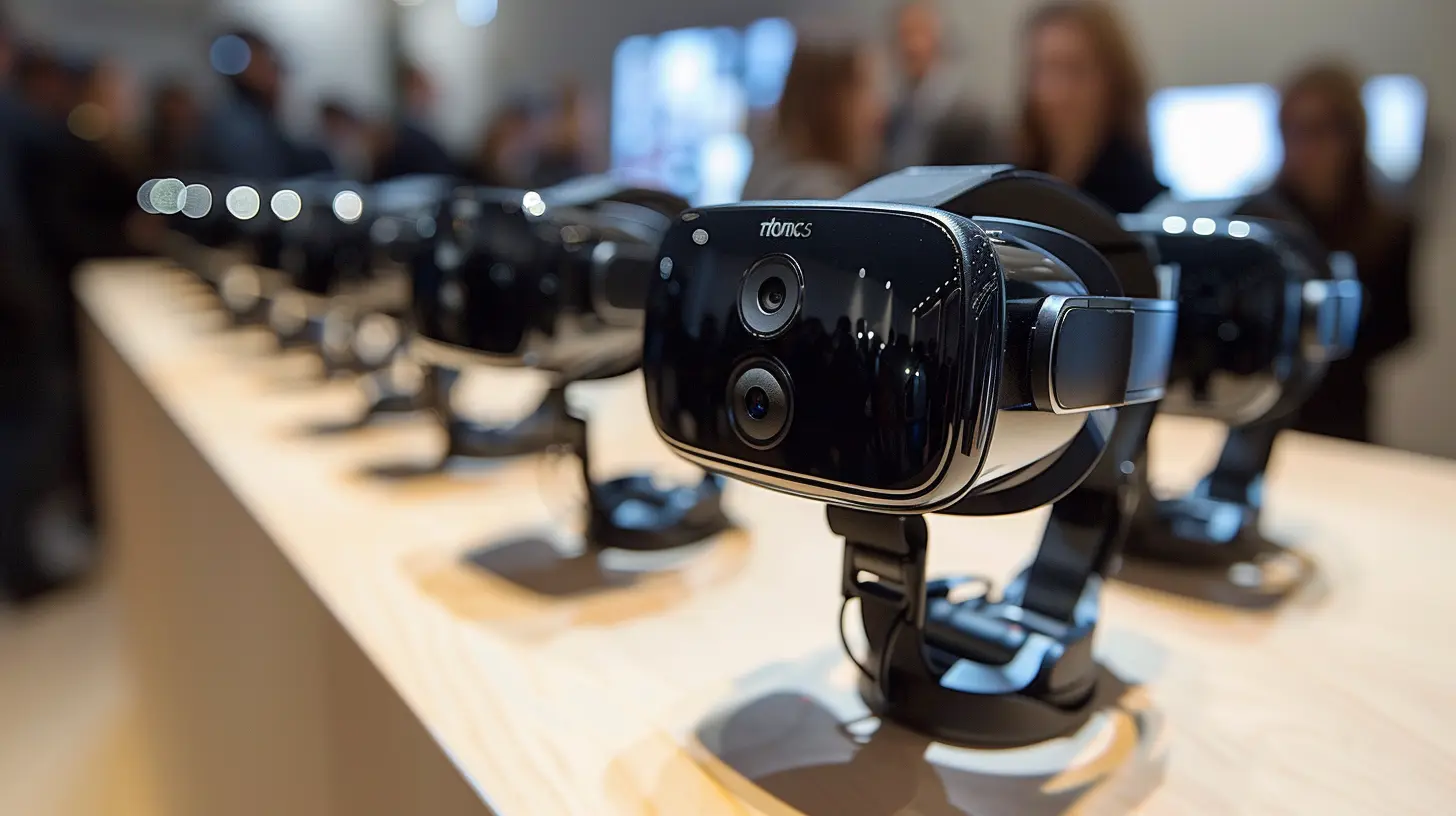
Eye tracking is a technology that monitors and analyzes where and how your eyes move when you're inside a VR headset. Tiny infrared sensors embedded in the headset detect eye positions and movements in real time. This data helps create a VR experience that's more intuitive, realistic, and power-efficient.Instead of relying solely on hand controllers or head movements, eye tracking allows your gaze to become a tool—whether it's navigating menus, interacting with objects, or even expressing emotions in multiplayer games.
But that’s just scratching the surface. Let's break down the key ways eye tracking is revolutionizing VR.
1. Foveated Rendering: The Secret to Stunning VR Graphics
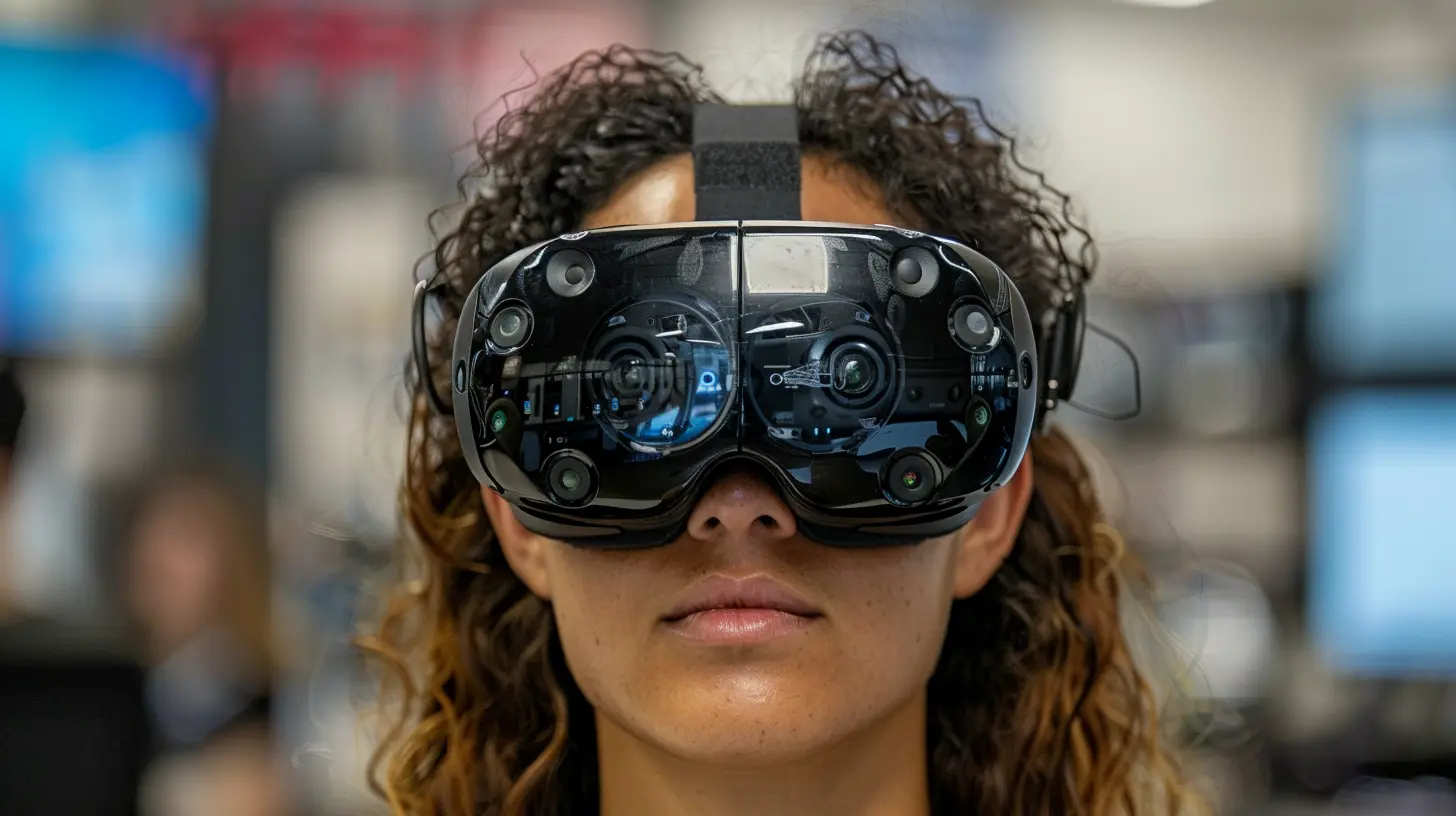
If you’ve ever used a VR headset, you’ve probably noticed that keeping high-quality graphics across the entire display is challenging. This is because rendering everything at full resolution requires a lot of processing power.That’s where foveated rendering comes into play. This technique, powered by eye tracking, focuses high-quality graphics only where your eyes are looking, while lowering resolution in peripheral areas.
Think of it like a camera lens that puts the subject in crisp focus while blurring the background. Your brain does something similar in real life—your central vision sees details, while your peripheral vision is blurrier.
By mimicking this natural function, VR systems can significantly reduce the burden on GPUs, allowing for ultra-realistic graphics without overloading the hardware.
Benefits of Foveated Rendering:
- Better performance – Reduces the workload on GPUs, enabling higher frame rates and better visuals.- Power efficiency – Less rendering means longer battery life for standalone VR headsets.
- More immersive experiences – Graphics appear sharper where it matters, making environments feel more real.
2. Enhanced Interaction: Your Eyes Become the Controller
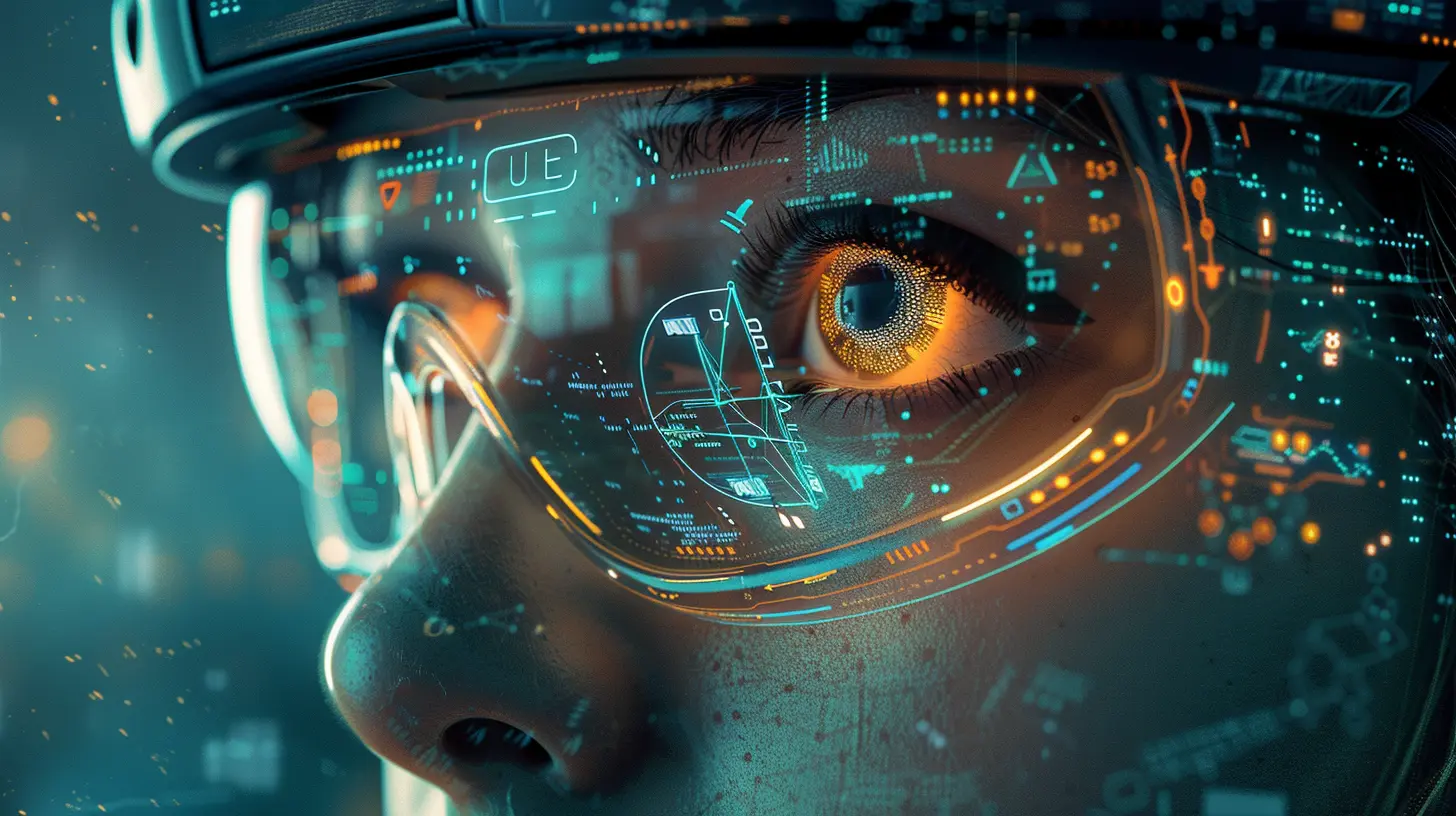
We’ve gotten used to controlling VR with hand controllers, voice commands, or even body tracking. But eye tracking adds another dimension—now, your gaze itself can become a control mechanism.How Does This Work?
- Look-to-Select – Instead of pointing with a controller, simply looking at an option in a menu could select it.- Eye-Guided Aiming – In VR shooters, your aim could follow your eyes, making targeting more intuitive.
- Natural Social Interactions – In multiplayer VR, avatars can replicate real-life eye movements, creating more natural and expressive virtual interactions. No more lifeless, staring avatars!
This brings us one step closer to making VR feel like reality—where actions are as effortless as looking at something.
3. More Realistic VR Avatars and Social Presence
VR is not just about gaming—it’s also a communication tool for virtual meetings, social hangouts, and training simulations. However, one of VR’s biggest hurdles is making avatars feel "alive".Right now, most VR avatars feel robotic because they lack natural eye movement and expressions. Eye tracking fixes this by capturing subtle eye movements, blinks, and even pupil dilation, making virtual interactions much more lifelike.
Why This Matters:
- Improved social VR experiences – Conversations feel more natural, as avatars show real expressions.- More engaging meetings – Imagine a virtual meeting where eye contact actually works!
- Better emotional expression in gaming – NPCs and characters can react to where players are looking, leading to deeper storytelling.
Virtual meetings, social games, and even therapy sessions in VR could all benefit from this boost in realism.
4. Improved Accessibility in VR
For users with physical disabilities, traditional VR controls can pose challenges. Eye tracking opens new possibilities for accessibility, allowing users to interact without needing hand controllers.Accessibility Use Cases:
- Eye-controlled navigation – Moving through environments using just eye movement.- Hands-free interaction – Selecting items or even typing just by looking at letters or icons.
- Personalized VR experiences – The technology can adapt to people with unique needs, making VR more inclusive.
With these advancements, VR won’t just be an entertainment tool—it will become a powerful medium for education, accessibility, and therapy.
5. Personalized and Adaptive VR Experiences
One of the most exciting aspects of eye tracking is how it personalizes VR experiences in real-time. Your headset won’t just display content—it will react to how you look at it.Examples in Action:
- Dynamic Difficulty Adjustment – If a VR game detects that you’re struggling (based on where your eyes focus or how often you blink), it could adjust the difficulty automatically.- Emotional AI – NPCs in games could adapt their responses based on your gaze patterns and expressions. Imagine a horror game where monsters react when they sense you're looking away—spooky, right?
- Adaptive Learning in VR Training – Eye tracking could measure how well someone is focusing, helping improve training programs for pilots, doctors, and even athletes.
This level of customization makes VR more intelligent, creating unique experiences tailored to each individual user.
The Future of VR with Eye Tracking
As eye tracking technology continues to develop, its applications in VR will become even more sophisticated. Here’s what we can expect in the near future:- Lower-cost eye tracking solutions – More affordable VR headsets with built-in tracking.
- Hybrid interaction models – Combining eye tracking, voice control, and hand tracking for ultimate immersion.
- AI-powered gaze prediction – AI that anticipates what you’ll look at next, making interactions feel instantaneous.
- Mainstream adoption – Eye tracking becoming a standard feature in most VR headsets.
With tech giants like Meta (Oculus), Sony (PlayStation VR), and Apple (Vision Pro) already integrating eye tracking, it’s clear that the next wave of VR headsets will rely heavily on this innovation.
Final Thoughts
Eye tracking isn't just a cool feature—it’s a game changer for VR. From boosting graphics with foveated rendering to making VR avatars feel more human, this technology is bringing us closer to truly immersive virtual worlds.Soon, our eyes won’t just be windows to the world—they'll be the ultimate controllers in the VR universe. The question is: Are you ready for it?
all images in this post were generated using AI tools
Category:
Vr HeadsetsAuthor:

Jerry Graham
Discussion
rate this article
2 comments
Aaron O'Brien
Eye tracking is set to revolutionize VR by enhancing user experience and immersion, enabling more intuitive interactions and optimized performance. This technology will reshape how we engage with virtual environments significantly.
December 25, 2025 at 12:19 PM
Jerry Graham
Thank you for your insightful comment! I agree that eye tracking has the potential to greatly enhance immersion and interaction in VR, revolutionizing user experiences.
Clara Phillips
Enhancing immersion and navigation.
December 23, 2025 at 4:30 AM
Jerry Graham
Thank you! Eye tracking significantly enhances immersion and navigation by enabling more intuitive interactions and realistic responses to user movements.