The Role of Haptics in Enhancing VR Headset Experiences
10 April 2026
Virtual Reality (VR) has come a long way in delivering immersive digital experiences. From gaming to training simulations, VR has successfully transported users into different worlds. However, one key element that takes VR to the next level is haptic feedback.
Imagine feeling the tension of a bowstring in an archery game or the texture of an object in a virtual space. Haptics make these experiences possible. But how exactly do they work? And why are they so crucial for the future of VR? Let’s dive in.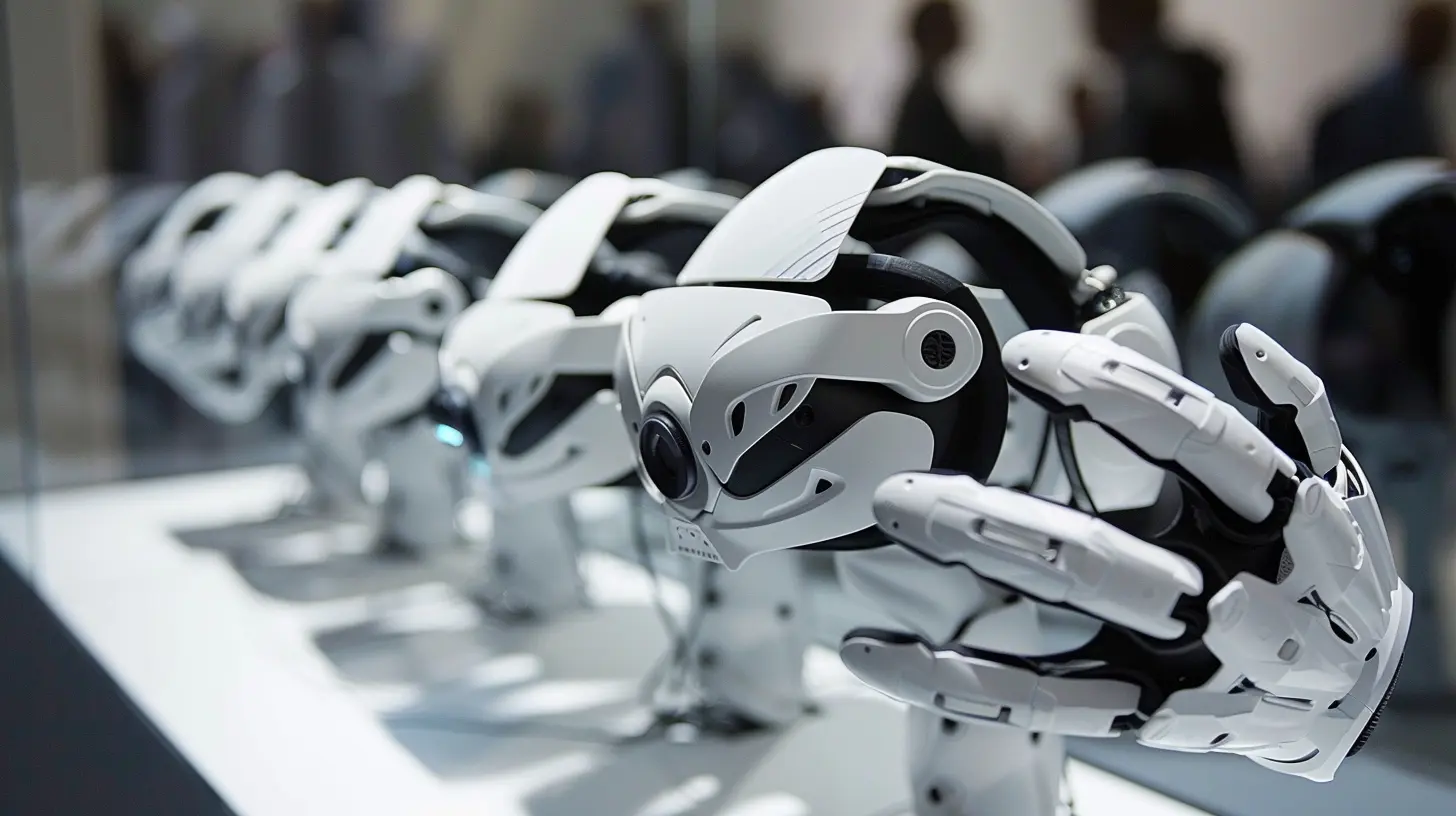
What is Haptic Feedback?
Haptic feedback refers to using touch-based sensations to enhance a digital experience. In simple terms, it’s what makes your smartphone vibrate when you type or your game controller shake when you take damage in a game.Now, take that concept and apply it to VR. Instead of just seeing and hearing a virtual world, you can actually feel it—whether it’s the impact of a punch, the roughness of a surface, or even temperature variations.
Haptics include:
- Vibrations – Common in gaming controllers and VR gloves.
- Force Feedback – Seen in racing wheels and flight simulators.
- Temperature Simulation – Emerging tech that mimics heat and cold.
When combined with VR headsets, haptic technology creates a multi-sensory experience that blurs the line between reality and simulation.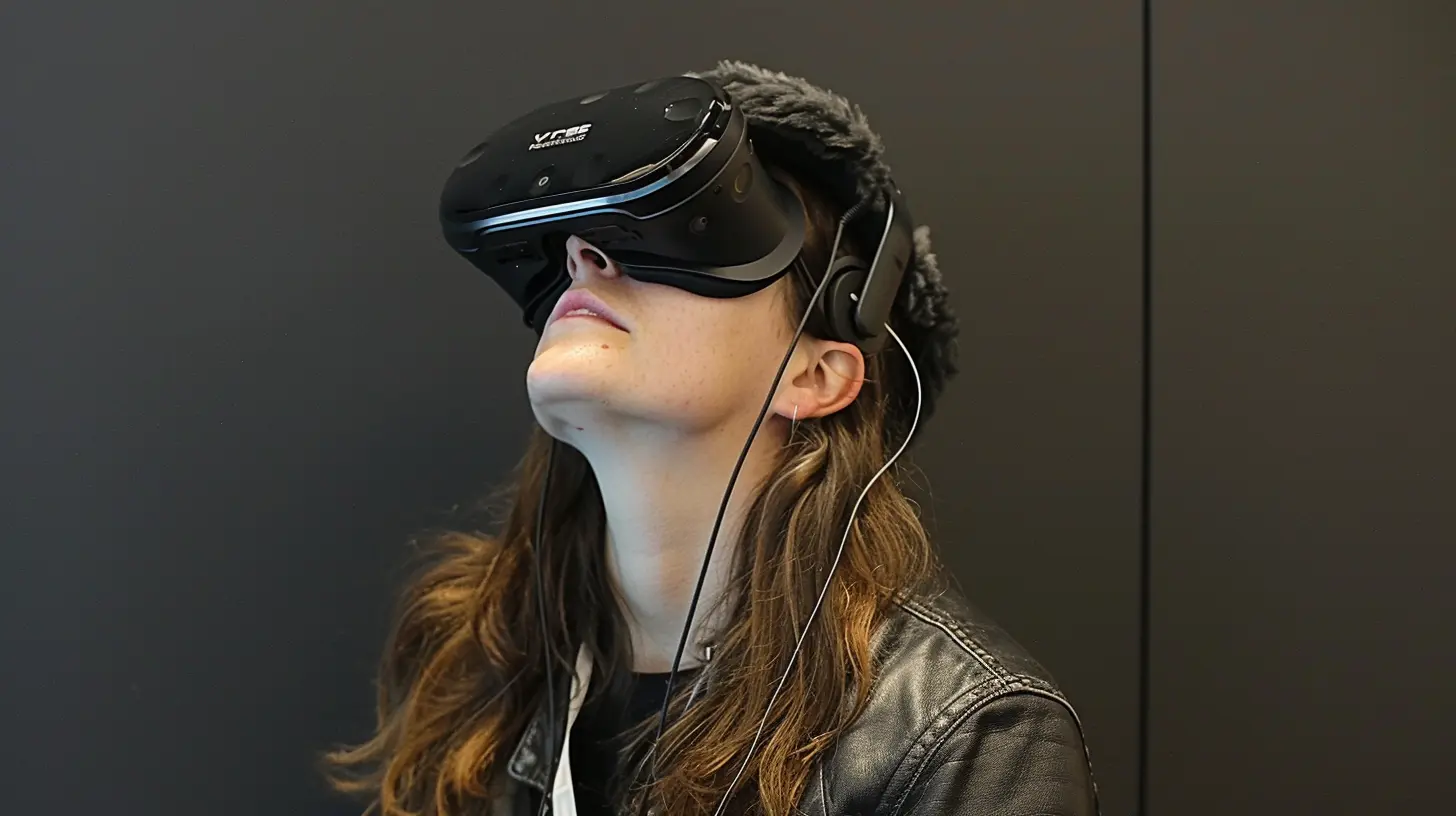
How Haptics Improve VR Headset Experiences
VR without haptics is like watching a 3D movie without 3D glasses—you get part of the experience but miss the full immersion. Let’s break down what haptic technology brings to the table.1. More Realistic Interactions
VR allows you to see and hear a virtual world, but without haptics, there’s no way to physically interact with it. Haptics let you feel what you're touching, whether it's a wall, a cup, or a sword.For example, haptic gloves can create resistance when holding an object, making it feel like you're really gripping something. This level of feedback makes virtual actions feel more natural—and a lot more fun.
2. Enhanced Gaming Experiences
For gamers, haptics are a game-changer (literally). Imagine playing a horror game where you can actually feel a monster’s breath on your skin or an action game where every gunshot gives you a realistic recoil sensation.VR gaming companies are already integrating haptic suits and gloves that provide tactile responses to in-game actions. You don’t just see the explosion—you feel the shockwave.
3. Improved Training and Simulations
Haptics aren't just for fun. They're also essential in professional training. Pilots, surgeons, and military personnel use VR for realistic training simulations.- Medical training: Haptic-enabled VR lets medical students practice surgeries with realistic feedback.
- Military training: Soldiers can feel the weight of their gear or the kickback from a weapon.
- Aviation training: Pilots can experience turbulence, engine vibrations, and realistic cockpit interactions.
Thanks to haptics, trainees are better prepared for real-life situations without the risks of real-world practice.
4. Increased Emotional Engagement
Touch has a strong connection to emotions. Haptic feedback can make VR experiences more emotionally impactful.For instance, in VR storytelling, feeling the raindrops on your skin or the warmth of a virtual fire can deepen emotional immersion. This also applies to VR therapy, where haptic responses help individuals process emotions in a controlled environment.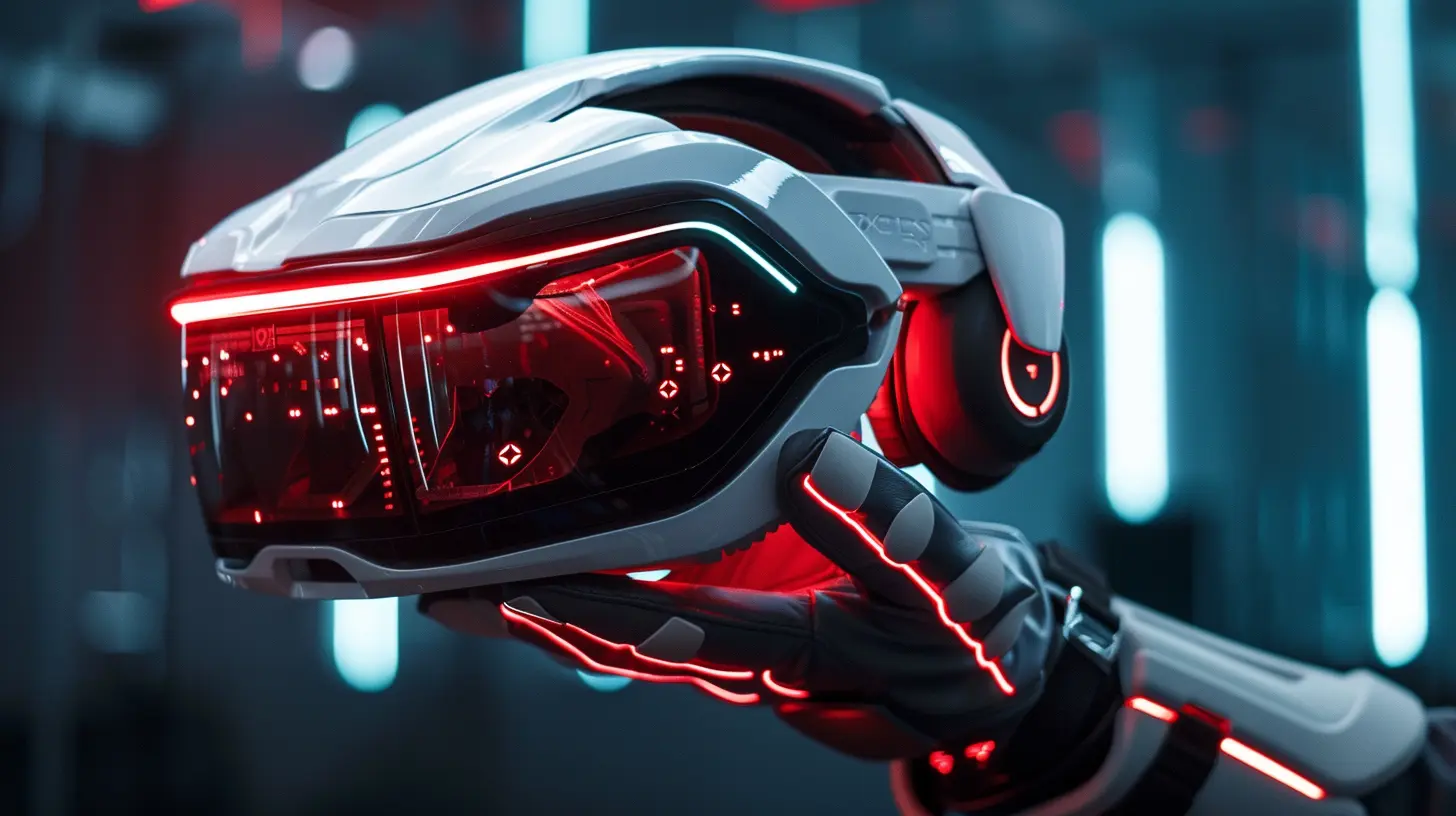
Different Types of Haptic Technologies in VR
Haptics come in various forms, and each has its own way of making VR more immersive. Here are some of the most common technologies:1. Haptic Gloves
Haptic gloves replicate the feel of touching virtual objects. They use pressure sensors and force feedback to simulate physical interactions. These are especially useful for:- Gaming (e.g., gripping weapons or objects)
- Training simulations (e.g., practicing surgical procedures)
- Virtual communication (e.g., digital handshakes)
2. Haptic Suits
These full-body suits provide precise physical feedback. If you get hit in a VR game, you feel the impact in the exact location on your body. These suits are often used in:- Esports and gaming
- Military combat training
- Fitness applications
3. Haptic Footwear
Imagine walking on sand in a VR beach environment and actually feeling the sand beneath your feet. Haptic footwear replicates different surfaces and movements, making locomotion in VR more natural.4. Haptic Chairs and Platforms
Haptic-enabled chairs and platforms simulate motion, from the vibrations of driving a car to the turbulence in an airplane. These are commonly used in:- Racing and flight simulators
- Theme park attractions
- Virtual tourism experiences
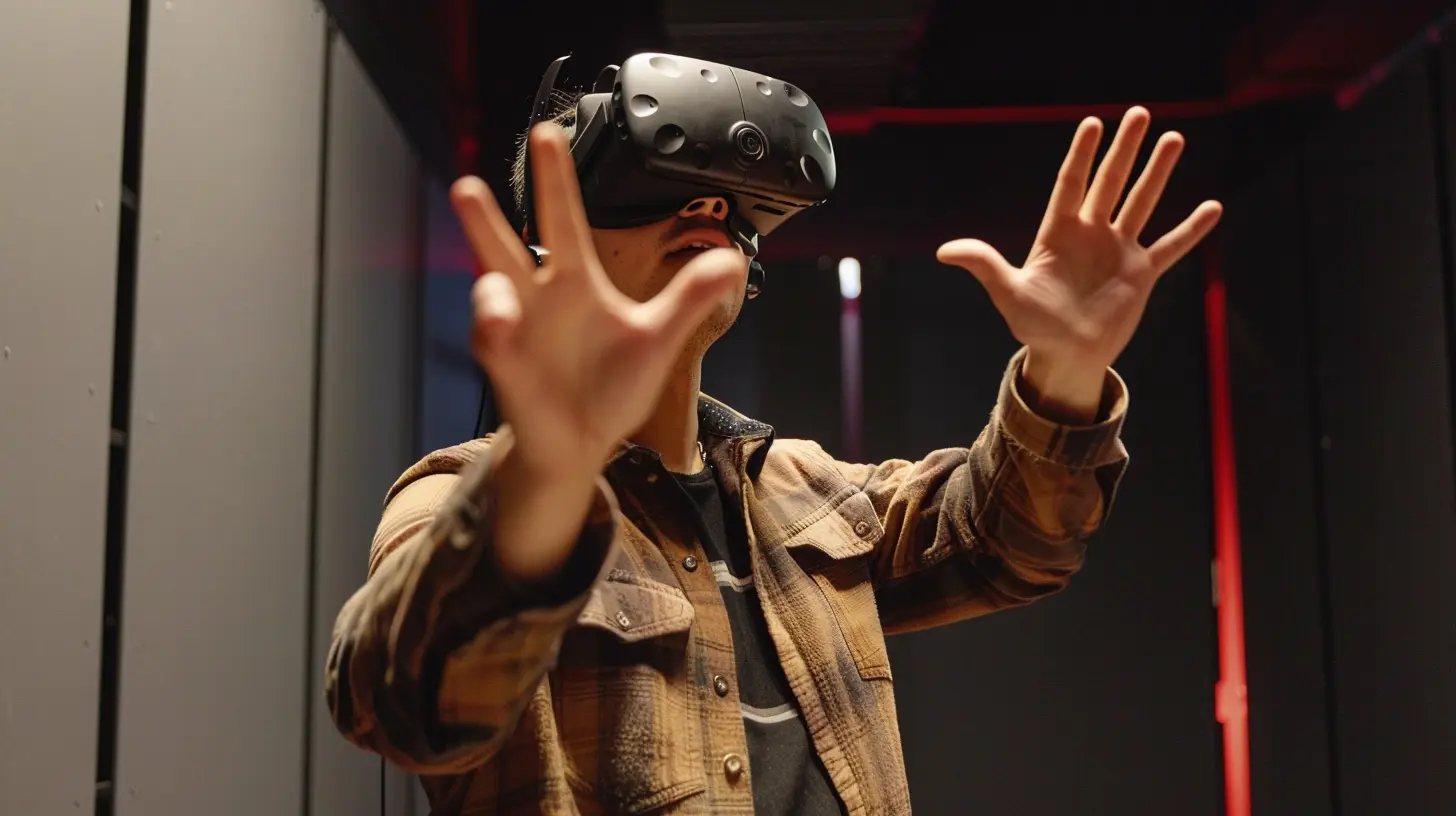
Challenges and Future of Haptics in VR
While haptic technology is incredible, it’s not without hurdles. Here are some of the key challenges:1. Cost and Accessibility
High-quality haptic devices are still expensive. Gloves and suits with advanced haptics can cost hundreds or even thousands of dollars, making them less accessible to the average consumer.2. Hardware Limitations
Current haptic feedback mainly relies on vibrations and force feedback, but more complex sensations—such as temperature changes, texture variations, and weight simulation—are still in the early stages.3. Compatibility Issues
Not all VR systems support haptic devices, leading to limitations in content availability. Developers must create dedicated software to enable full haptic experiences.4. Battery Life and Wearability
Haptic suits and gloves require power sources, which means users have to deal with battery management. Additionally, comfort is an issue—nobody wants to wear a bulky suit for hours.The Future: Where Are We Headed?
Despite these challenges, the future of haptics in VR looks promising. As technology evolves, we can expect:- Lighter, more affordable haptic gear
- More advanced sensations, including temperature and texture simulation
- AI-powered haptics for personalized experiences
- Better integration with mainstream VR devices
Big tech companies and startups are racing to refine haptic technology. With advancements in materials and AI, it's only a matter of time before VR experiences feel just as real as the physical world.
Final Thoughts: Why Haptics Matter for VR
VR is already impressive, but haptic feedback is the missing piece that takes immersion to a whole new level. Whether it’s gaming, training, or storytelling, touch enhances experiences in ways that visuals and sound alone simply can't match.As haptic technology continues to evolve, we’re inching closer to a future where VR feels as real as the world around us. And who knows? Maybe one day, we won’t just visit virtual worlds—we’ll truly experience them.
So, next time you put on a VR headset, just imagine—what if you could feel every step, every object, and every sensation? With haptics, that dream is becoming a reality.
all images in this post were generated using AI tools
Category:
Vr HeadsetsAuthor:

Jerry Graham
Discussion
rate this article
2 comments
Blade Banks
Great insights on haptics! This technology truly elevates VR experiences by adding a layer of realism and immersion. It’s exciting to see how haptic feedback can transform user interaction and enrich storytelling in virtual environments. Looking forward to future innovations!
April 18, 2026 at 3:51 AM
Jerry Graham
Thanks for your thoughts! I'm glad you found the insights valuable. Haptics really do take VR to the next level, and I too am excited about what's to come.
Makayla McKenzie
Haptics are the secret sauce VR headsets desperately needed! Finally, we can feel the virtual world instead of just watching it. Who knew 'touching' the future would be this thrilling?
April 11, 2026 at 2:39 AM
Jerry Graham
Thank you! Haptics truly elevate the immersion of VR, making experiences more engaging and intuitive. We're excited to see how this technology continues to evolve!