The Role of In-Game Events in Mobile Games
8 April 2026
Mobile gaming has undoubtedly taken over the entertainment world in the last decade. From waiting in line to riding the train, we’re all guilty of pulling out our phones and diving into a quick game. But have you ever noticed how your favorite mobile game suddenly drops a new limited-time event, special rewards, or a seasonal update right when you’re about to get bored?
That’s no accident.
This is where in-game events come in — those short bursts of exclusive content that keep players hooked. These events aren’t just fun extras; they’re a strategic powerhouse that helps game developers boost user engagement, retention, and sometimes even revenue.
Let’s dive deep into why in-game events have become an essential pillar in mobile game success.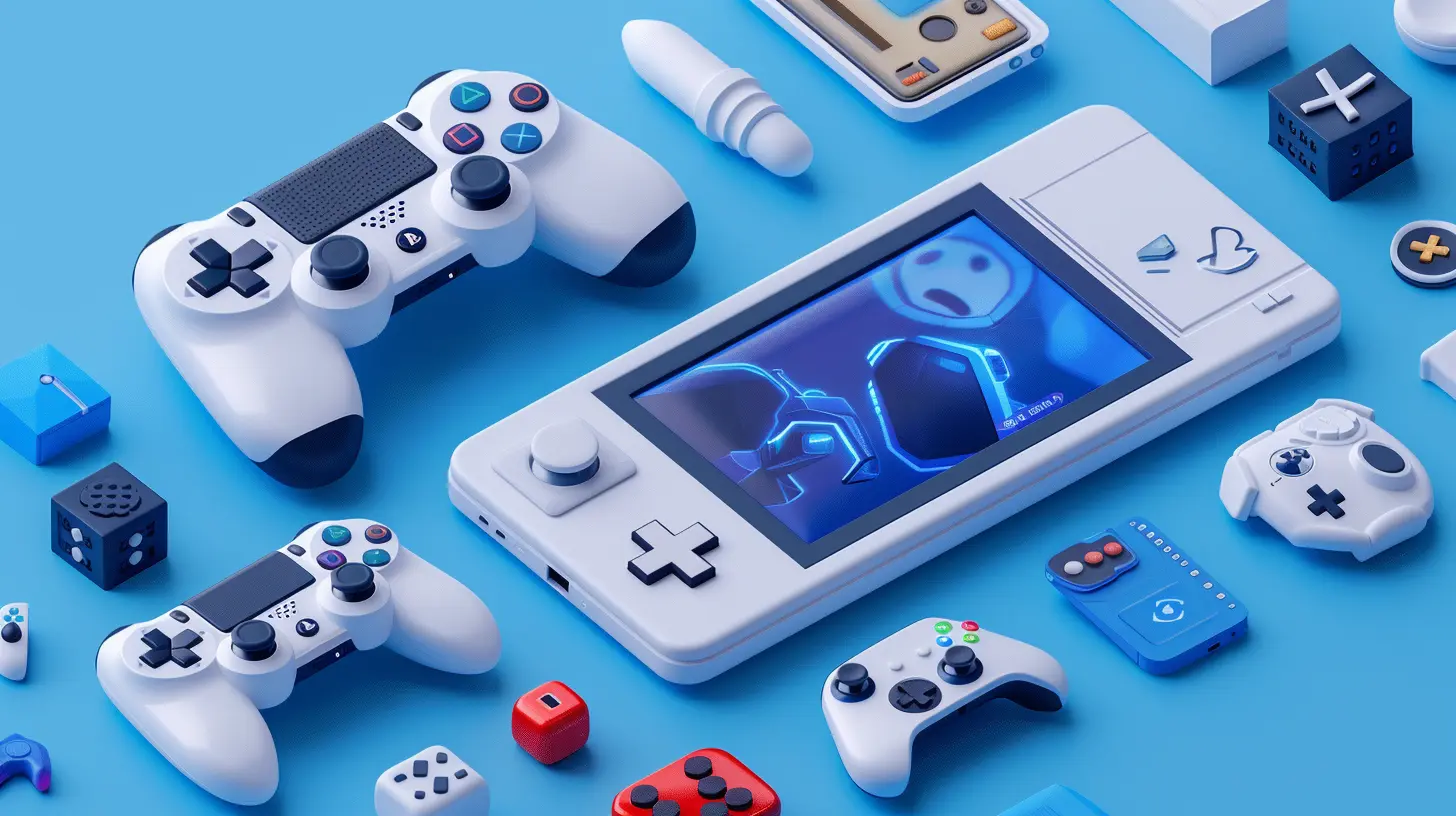
What Are In-Game Events?
Alright, let’s start with the basics. In-game events are time-limited features or activities added to a mobile game. These can range from holiday-themed levels, collaboration crossovers, special challenges, competitive tournaments, login bonuses, or even entirely new game modes — but they’re temporary.Think of them as pop-up shops. They show up, create a buzz, and when the clock runs out, they vanish.
And that’s part of the magic — the ticking clock.
Why Are In-Game Events So Effective?
1. They Create FOMO (Fear of Missing Out)
Let’s be real: no one likes to miss out on cool rewards or limited edition characters. In-game events tap into that fear by offering something you can’t get any other time. Maybe it's a rare character skin, a powerful weapon, or just some bragging rights. Whatever it is, players feel compelled to log in just to make sure they don’t miss their shot.FOMO is a powerful motivator — and game developers know exactly how to use it.
2. They Keep Players Engaged Over Time
Games, especially mobile games, often struggle with longevity. People get bored quickly and move on. But with in-game events, there’s always “something new” to look forward to. That variety keeps the gameplay fresh and the players coming back.In fact, some games run weekly or monthly events specifically to keep momentum going. It’s like your favorite café rotating their menu — you never know what you’ll get next, and that keeps you intrigued.
3. They Drive Revenue Through Microtransactions
Here comes the business side of things.Many in-game events offer exclusive items or faster progression paths — but only if you’re willing to shell out a few bucks. Maybe you need event tokens. Maybe there’s a special “event pass.” Either way, in-game events are often designed to tempt players to spend a little (or a lot).
And it works. According to industry data, monetization spikes during major in-game events.
Different Types of In-Game Events (And Why They Matter)
In-game events are not one-size-fits-all. Developers use different formats depending on the game genre, audience, and objectives. Let’s break down the most common ones.1. Seasonal/Themed Events
These events are tied to real-world holidays or pop culture moments. Think Halloween quests, Christmas skins, or Lunar New Year bonuses.Why do they work?
- They feel timely and relevant.
- They build a sense of community (everyone loves Halloween mode).
- Players are already in the mood to celebrate and spend.
2. Competitive Events & Tournaments
PvP (Player vs. Player) events or leaderboard challenges push players to outdo one another. High scores often come with big rewards.Why do they work?
- They appeal to players’ need to compete.
- They give a goal to strive for.
- They encourage repeat play to climb the ranks.
3. Collaboration Events
Ever seen your favorite superhero appear in a puzzle game? That’s a collaboration event. These crossovers bring new audiences to the game and re-engage existing players.Why do they work?
- They feel fresh and unpredictable.
- They often come with cool, licensed content.
- They attract attention outside the regular player base.
4. Story-Driven or Narrative Events
These are for games with strong lore. Developers drop limited-time story chapters that expand the universe of the game.Why do they work?
- They enrich the game world.
- They give players something to be emotionally invested in.
- They make players feel like part of an evolving story.
5. Challenge or Mission-Based Events
These are straightforward: complete tasks within a time window to earn rewards.Why do they work?
- They’re goal-oriented and addictive.
- They offer clear incentives.
- Often integrated with daily login bonuses to build habits.
How In-Game Events Affect Game Metrics
You might think these events are just fluff, but they have a real, measurable impact on how well a game performs.1. Boosting Retention Rates
Retention is everything in mobile gaming. If players stop opening your app, your game dies. In-game events create those “I have to log in” moments. Even a quick check-in every day adds up, keeping players on the hook.Games like Clash of Clans or Genshin Impact use daily events and login rewards brilliantly to keep their users active.
2. Increasing Lifetime Value (LTV)
A player's LTV is how much money they’re going to spend over the time they play a game. Events increase that number by tempting users with exclusive content that might require in-app purchases.Even free players end up becoming spenders when the right event hits. Ever spent $2 just to get that epic dragon skin before it disappears? Yep, you’re not alone.
3. Improving Virality and Player Acquisition
Social events, leaderboards, or multiplayer challenges often go viral. A cool event might get players inviting their friends, sharing on social, or streaming their gameplay.More buzz = more downloads.
The Psychological Triggers Behind In-Game Events
Great events don’t just happen — they’re designed with precision, often tapping into deep psychological drivers.Scarcity
When something is only available for a short time, it instantly becomes more desirable. Limited-time offers have been used in marketing forever, and games use the same tactic. "Only 3 days left to get this reward!" — that’s game dev speak for “Act now, or regret it.”Achievement
Events give players missions, goals, and checklists — all of which scratch our human itch for progress and accomplishment. Completing event milestones can feel like leveling up in real life.Social Proof
When you see your friends playing the latest event, there’s an urge to join in. Nobody wants to be left out of the loop, especially if everyone is showing off their new loot.Case Studies: Games That Nail In-Game Events
Let’s look at some real-world examples of mobile games that crush it with their in-game events.Pokémon GO
Pokémon GO built its entire post-launch success around events — from Community Days to seasonal rotations. These events keep the player base active and get people physically outside. Holiday themes, new Pokémon releases, and region-specific events always give players something new.Fortnite Mobile
Even on mobile, Fortnite’s in-game events (like concerts or end-of-season events) are legendary. They make headlines outside the gaming world and bring massive player numbers.Candy Crush Saga
Candy Crush has mastered casual event marketing. They roll out simple time-limited challenges that offer boosters and cosmetics. Even if you’re not super competitive, they pull you back in with fun, whimsical designs.Best Practices for Developers Planning In-Game Events
If you’re a game dev, here’s the cheat sheet for crushing in-game event strategies:- 👥 Know Your Audience: Tailor events to your player base — casual, hardcore, competitive, etc.
- ⏰ Use Timers Wisely: Too short, and people miss it. Too long, and they lose interest.
- 🎁 Offer Real Value: Rewards should be worth the effort. Don't bait-and-switch.
- 🔁 Stay Consistent: Regular events keep players coming back on a schedule.
- 🧪 Test & Iterate: Track what works and tweak future events accordingly.
Are There Any Downsides?
While in-game events are powerful tools, they’re not without their challenges. Overdoing them can lead to fatigue. Players can feel overwhelmed or manipulated — especially if everything is behind a paywall.There’s a fine line between fun and FOMO-induced burnout. Smart developers focus on balance: events that are exciting, but not exhausting.
The Future of In-Game Events
As mobile gaming continues to evolve, in-game events are only going to get bigger and smarter. With AI, data analytics, and player feedback loops, expect events that feel tailor-made for individual players.Imagine events that adjust difficulty based on your skill, or offer storylines that remember your past choices. The possibilities are endless.
And with more integrations — like AR, live performances, or real-world tie-ins — the line between in-game and real-life events is going to blur even more.
Final Thoughts
In-game events aren’t just a marketing trick — they’re a fundamental part of mobile game ecosystems. They keep games alive, communities engaged, and players coming back for more day after day.So next time you log in to check out that time-limited boss battle or collect your holiday-themed loot box, remember: you’re taking part in one of the most powerful trends in mobile gaming.
Happy gaming!
all images in this post were generated using AI tools
Category:
Mobile GamingAuthor:

Jerry Graham
Discussion
rate this article
2 comments
Emma Lane
In-game events enhance player engagement, foster community interaction, and boost monetization, making them vital for the success of mobile games.
April 9, 2026 at 3:54 AM
Jerry Graham
I completely agree. In-game events truly are essential for creating a vibrant community and driving player interest and revenue.
Ivy McDowney
In-game events enhance player engagement and retention, fostering community interaction and driving monetization in mobile games.
April 8, 2026 at 11:54 AM
Jerry Graham
Absolutely! In-game events are crucial for boosting player engagement and retention, strengthening community bonds, and enhancing monetization strategies in mobile games.