The Role of Virtual Reality in Military Training and Simulation
11 May 2026
Imagine stepping into a battlefield—bullets flying, smoke in the air, split-second decisions that could mean life or death. Now, picture all of that… without any real danger. Sounds like a sci-fi movie, right? Well, thanks to Virtual Reality (VR), it’s today’s reality in military training and simulation.
In this article, we’re diving deep into how VR is helping shape smarter, safer, and more effective soldiers. Whether you're a tech enthusiast or just curious about how VR fits into real-world defense, you’re in for a treat.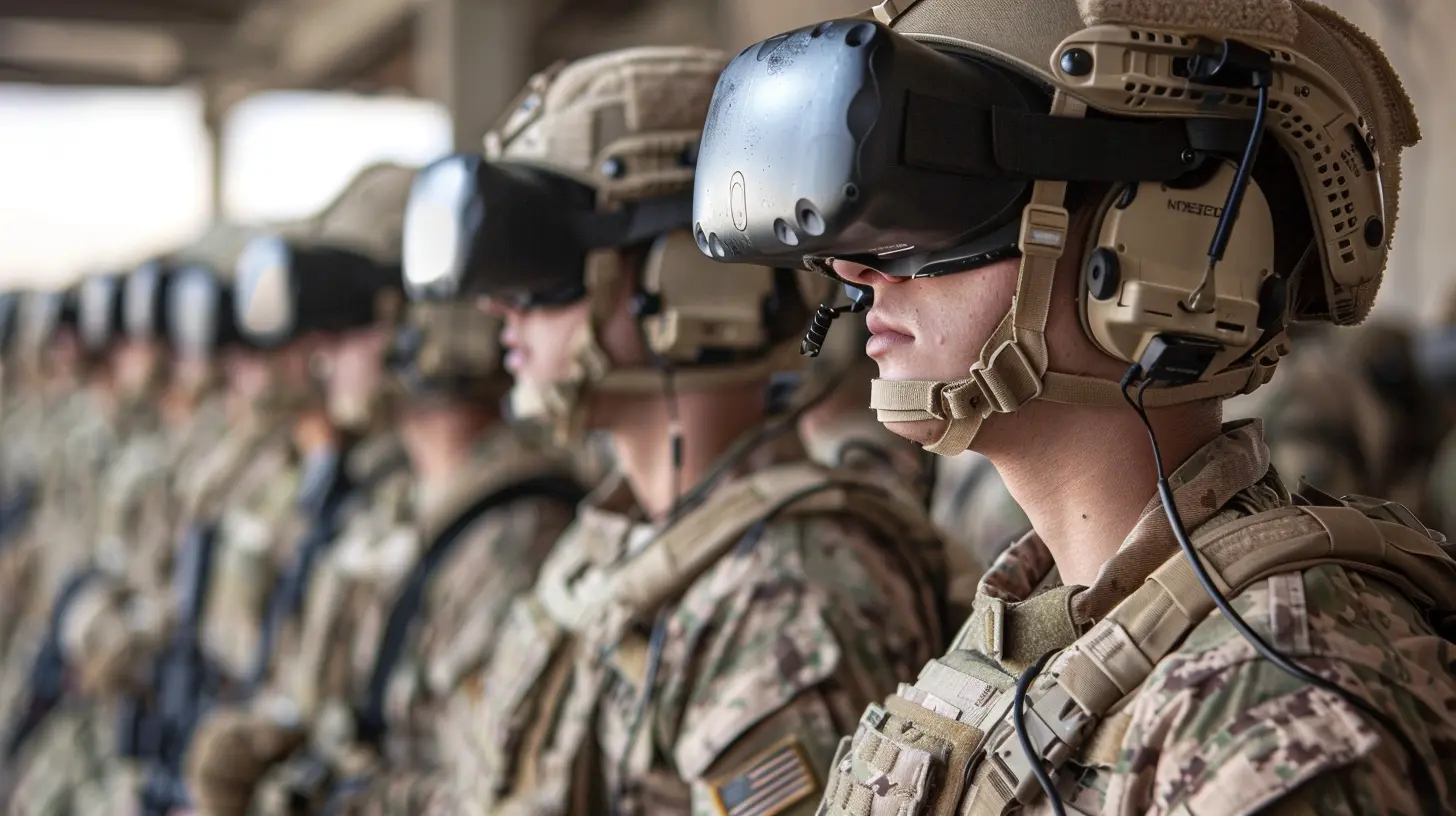
What’s the Big Deal About Virtual Reality in the Military?
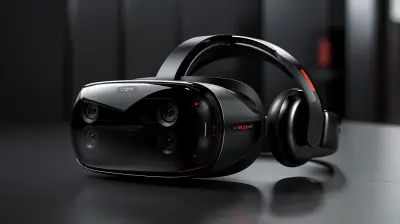
Let’s start with the basics. Virtual Reality is more than just a gamer’s paradise or a fancy headset you use to fly over alien worlds. In the context of the military, VR creates immersive environments where trainees can practice critical skills without putting themselves—or others—at risk.Think of it like flight simulators for pilots, but on steroids. Soldiers can experience combat, coordinate with teams, even respond to unexpected threats in a fully digital space that looks and feels real.
This tech is revolutionizing the way armed forces around the globe train their personnel, from boot camp rookies to elite special forces. And guess what? It’s not just about combat.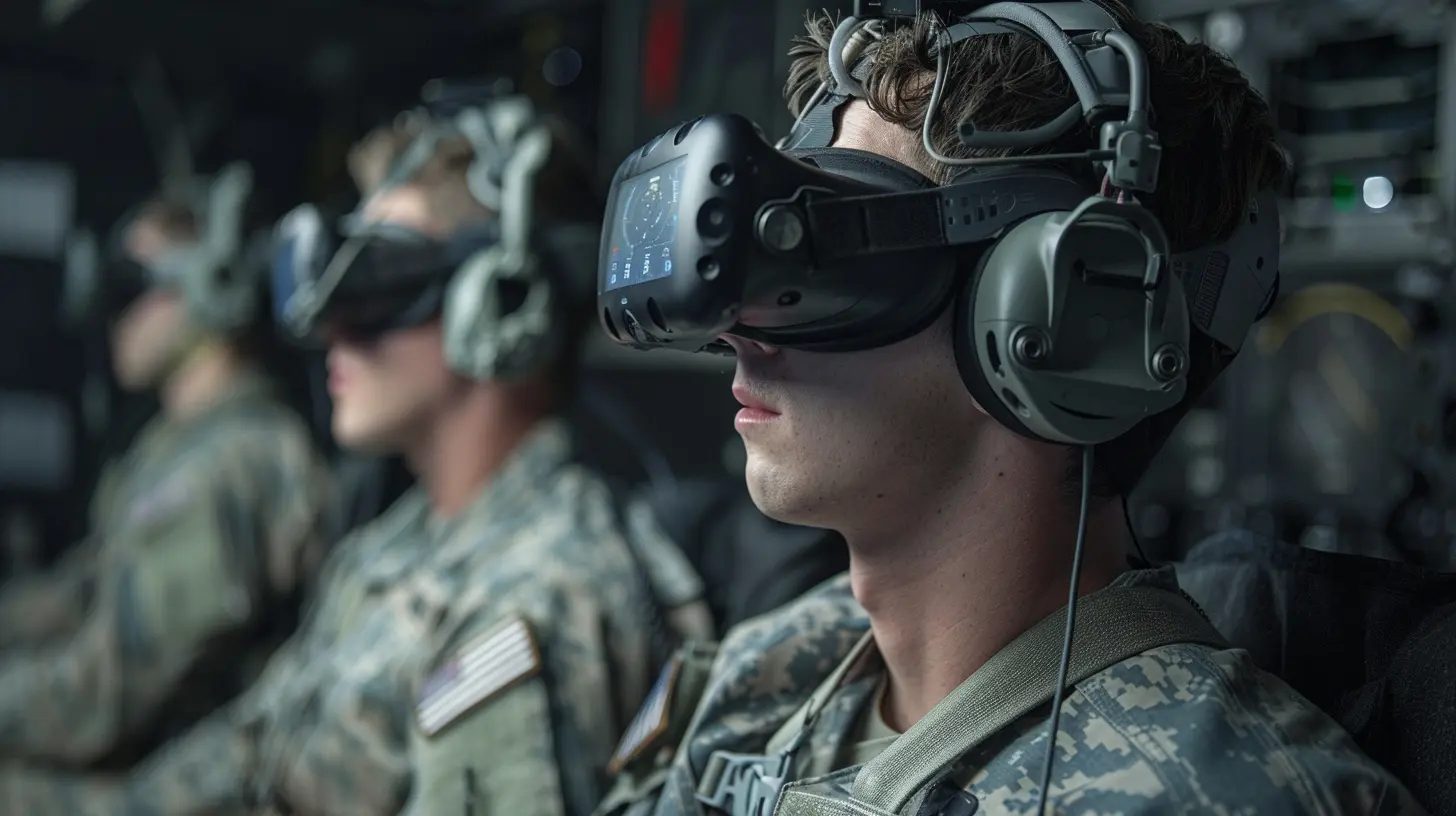
Why the Military is All-In on VR
Military training is expensive, time-consuming, and often dangerous. VR helps solve a bunch of those problems in one go.1. Cost-Effective Training
Training soldiers using real vehicles, weapons, and terrain can break the bank. Not to mention the wear and tear on equipment. With VR, those costs go way down. Once the software is developed, it’s just a matter of putting on a headset.2. Safe Environment
No one can get hurt in VR (unless they trip on a coffee table). This means soldiers can practice high-risk maneuvers without any real-world consequences.3. Repetition Without Fatigue
Want to run a mission scenario 50 times? No problem. Unlike physical drills, VR doesn’t exhaust your body the same way. It lets soldiers rehearse until their responses are instinctive.4. Realistic Scenarios
VR can simulate just about anything—urban warfare, jungle ops, desert environments, you name it. Weather conditions? Check. Hostile NPCs (Non-Player Characters)? Check. Civilians? Check. This helps soldiers prepare for the chaos of real combat.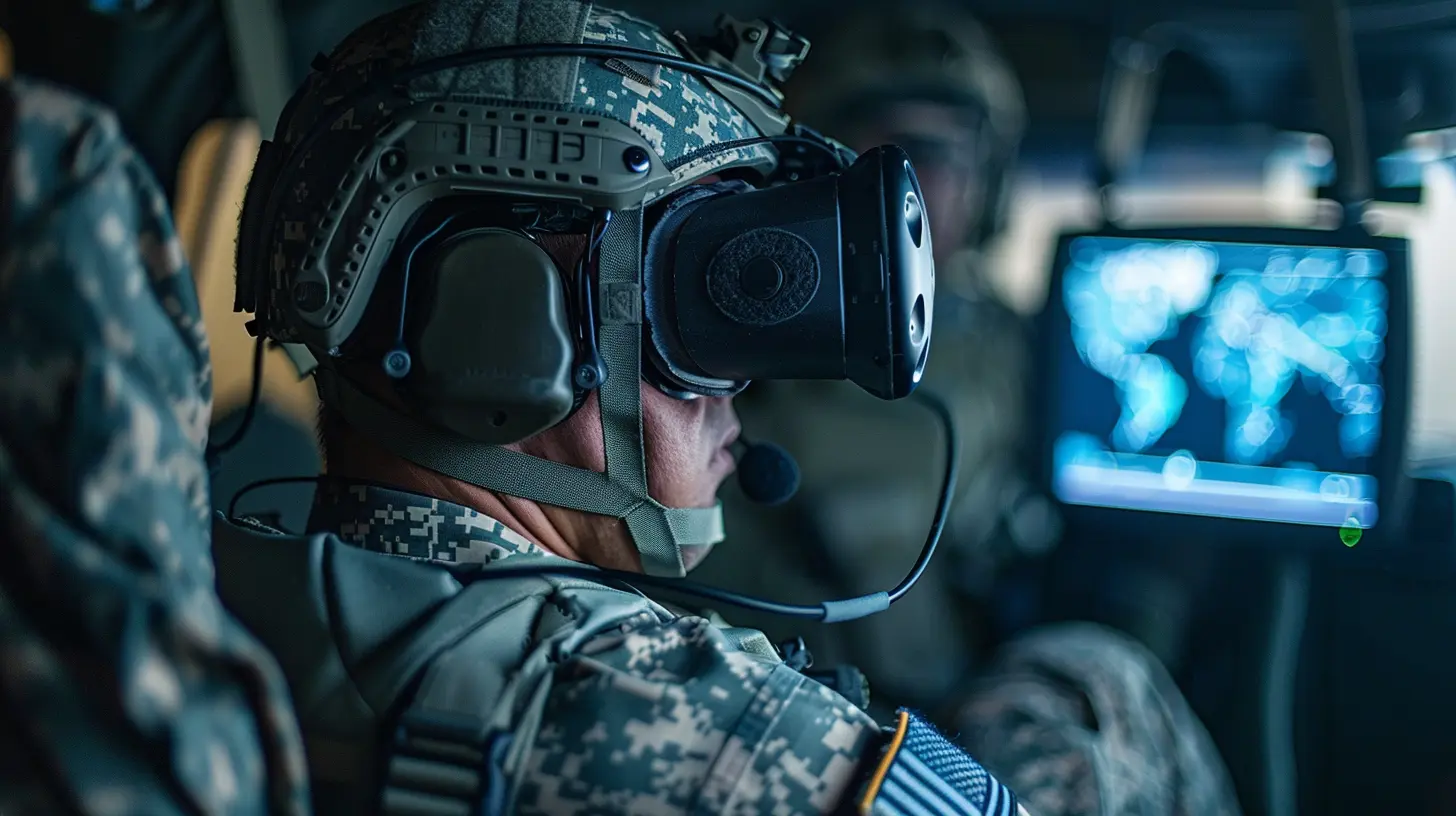
How VR is Used in Military Training
Now let’s get into the nitty-gritty. How exactly does Virtual Reality fit into military training?1. Combat Simulation
Probably the most well-known use. Soldiers are placed in virtual battlefields where they face enemy fire, navigate complex terrain, and coordinate with teammates. It's a full sensory experience—sight, sound, and sometimes even touch using haptic feedback.This type of training teaches quick decision-making, situational awareness, and leadership under pressure.
2. Vehicle Operation and Maintenance
Training to operate tanks, helicopters, or submarines? VR’s got that covered too. Virtual cockpits and dashboards help recruits learn controls and protocols without needing access to the real thing. And for maintenance crews, VR can simulate repairs and breakdowns, so they're not left googling what to do if something goes haywire.3. Medical and Trauma Training
For medics, practicing emergency care under pressure is critical. VR can simulate battlefield injuries—gruesome but necessary—so medics can practice procedures like wound dressing, CPR, or even field surgeries, all without risking a life.4. Tactical Strategy and Team Coordination
VR can even help in training entire units at once, placing them together in scenarios where they must move, communicate, and make tactical decisions in real-time. This type of immersive teamwork is gold for mission readiness.5. Psychological Preparation
One element we don’t often talk about is the mental toll of combat. VR can help prepare soldiers emotionally by simulating high-stress environments. In some cases, it’s also used in therapy—specifically VR exposure therapy—for soldiers dealing with PTSD.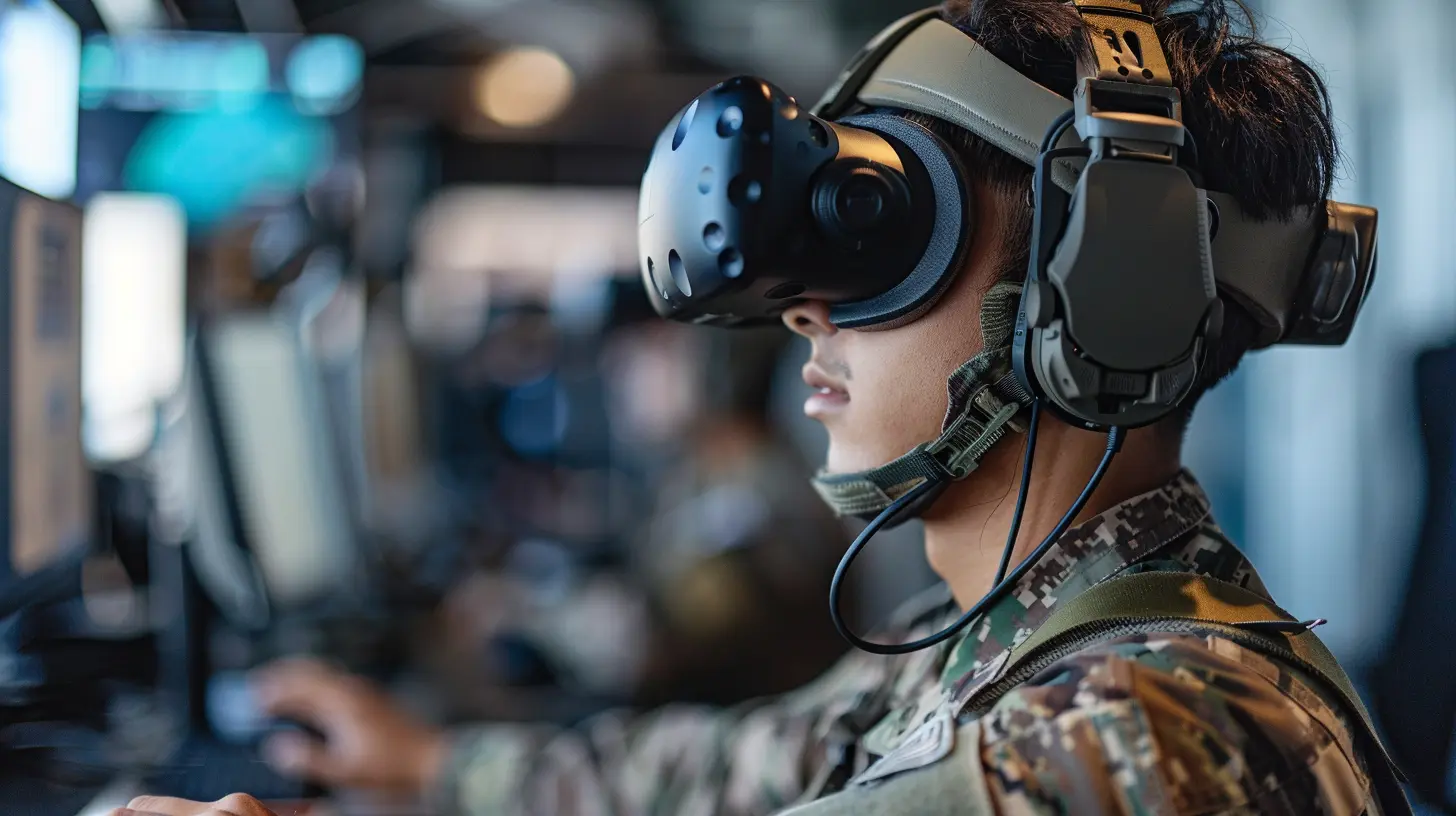
Real-World Examples of VR in Action
Still not convinced this is a game-changer? Let’s look at how different branches and countries are making use of VR.United States
The U.S. Army uses the Integrated Visual Augmentation System (IVAS), which offers soldiers a heads-up display with built-in night vision, real-time mapping, and yes—immersive training simulations.United Kingdom
The British Army has invested in VR training to simulate urban operations and hostage rescue missions. They also use VR to train tank crews without ever starting the engine.Russia and China
Both countries have also jumped on the VR bandwagon. They’ve been developing combat simulators and using VR to train drone operators and cyber defense teams.The Tech Behind the Scenes
Now, let’s geek out for a second.The VR systems used in the military are way more advanced than your typical gaming headsets. They feature custom-built hardware with ultra-high resolution, wide field-of-view lenses, and body tracking to mimic real movement.
Many VR military setups also use motion platforms, projection domes, and wearable haptics—basically tech that lets you feel a gun recoil or a grenade blast rumble through the floor. Talk about next-level immersion.
And don’t forget the AI. Enemy soldiers in VR aren't just predictable bots; they're powered by artificial intelligence that learns and adapts to player behavior. That means no two training sessions are ever exactly the same.
Advantages Over Traditional Training
Let’s break it down—how does VR stack up against old-school training?| Traditional Training | VR Training |
|-------------------------------|--------------------------------------|
| Limited by physical space | Unlimited, virtual environments |
| Expensive and resource-heavy | Cost-efficient after initial setup |
| Risk of injury or accidents | Zero risk in virtual scenarios |
| Repetitive and less engaging | Interactive, gamified, and dynamic |
| Hard to replicate scenarios | Easy to reset and modify simulations |
See the difference? It’s like comparing a rusty sword to a lightsaber.
Challenges and Limitations
Okay, let’s be real—VR isn’t perfect. No technology is. Here are a few hiccups still being worked out:- Motion Sickness: Some users get dizzy or disoriented. Not great for training.
- Costs of Development: While VR saves money in the long run, building detailed simulations is expensive up front.
- Limited Physical Feedback: Even with haptics, you can’t replicate everything. Like the feel of recoil or real-life fatigue.
- Security Concerns: As with any tech, cyber defense is crucial. You don’t want a training sim to be vulnerable to hacking.
But the good news? These issues are being worked on every day by some of the brightest minds in tech and defense.
The Future of Military VR
So where do we go from here?With advancements in AI, 5G, and edge computing, we’ll be seeing even more responsive, realistic, and scalable training systems. One exciting prospect is Mixed Reality (MR), which blends VR and Augmented Reality (AR), allowing soldiers to interact with both real and virtual objects.
Another area is biometric feedback—in the future, VR training programs might adapt in real-time based on a soldier's heart rate, stress levels, and performance. Think of it as a personal trainer who never gets tired.
And don’t forget the integration of VR with drone operations, cyber warfare training, and space missions. The sky is literally not the limit anymore.
Wrapping It Up
Virtual Reality is no longer just a buzzword or a cool toy for gamers. In the military world, it's an essential tool that's helping shape a smarter, safer, and more prepared force. From cost savings to improved performance and safety, the benefits are too big to ignore.Sure, there are challenges, but the trajectory is clear. VR is becoming as vital to the military as boots and camo. And as tech continues to evolve, the way we train our defenders will never be the same.
So, the next time you hear someone say “VR is just for video games,” you’ll know just how far from the truth that really is.
all images in this post were generated using AI tools
Category:
Virtual RealityAuthor:

Jerry Graham
Discussion
rate this article
2 comments
Gwen Wagner
Virtual reality in military training? Now that's a game changer! Imagine soldiers honing their skills in a totally immersive world without the risk. It's like Call of Duty, but with real-life stakes. Who knew tech could make boot camp feel a bit like a video game?
July 9, 2026 at 4:07 AM
Jerry Graham
Absolutely! Virtual reality offers a safe, immersive way for soldiers to train and develop skills. It transforms traditional methods, blending realism with advanced technology. Exciting times ahead for military training!
Kennedy Sanchez
Virtual reality in military training? Finally, soldiers can practice dodging bullets without having to worry about cleaning their uniforms afterward!
May 21, 2026 at 11:52 AM
Jerry Graham
Absolutely! VR offers a safe way for soldiers to train and refine their skills without the mess. It's a game changer for military readiness.