VR Headsets and Accessibility: Making Virtual Reality Inclusive
30 November 2025
Virtual Reality (VR) isn’t just for gamers anymore. It’s rapidly becoming a powerful tool in education, healthcare, design, collaboration, and even remote workspaces. But here's the thing: not everyone can experience VR the same way. And that’s a problem. Because if VR is truly the future, then it needs to be for everyone — not just the sighted, physically able, and tech-savvy elite.
Pull on a VR headset, and you’re suddenly transported to another world. But what happens if that headset doesn’t fit your face? Or if you can't see the 3D visuals, can't hear the audio cues, or if you're unable to move your hands to use controllers? That’s exactly where accessibility comes into play.
Let’s dive into the intersection of VR headsets and accessibility — and talk about how we can make Virtual Reality inclusive for all.
Why Accessibility in VR Matters
Let’s get real here: accessibility isn’t just a “nice to have.” It’s essential.There are over a billion people worldwide living with some form of disability — that’s 15% of the global population. If VR tech leaves out those individuals, it’s essentially ignoring a huge segment of potential users. It’s like building a theme park and not adding ramps or elevators. Doesn't make sense, right?
VR has the power to transform lives — enhance learning for neurodiverse students, offer therapeutic experiences for people with PTSD, or provide simulated mobility for those who can't travel. But none of that is possible unless the hardware and software are designed with inclusivity in mind.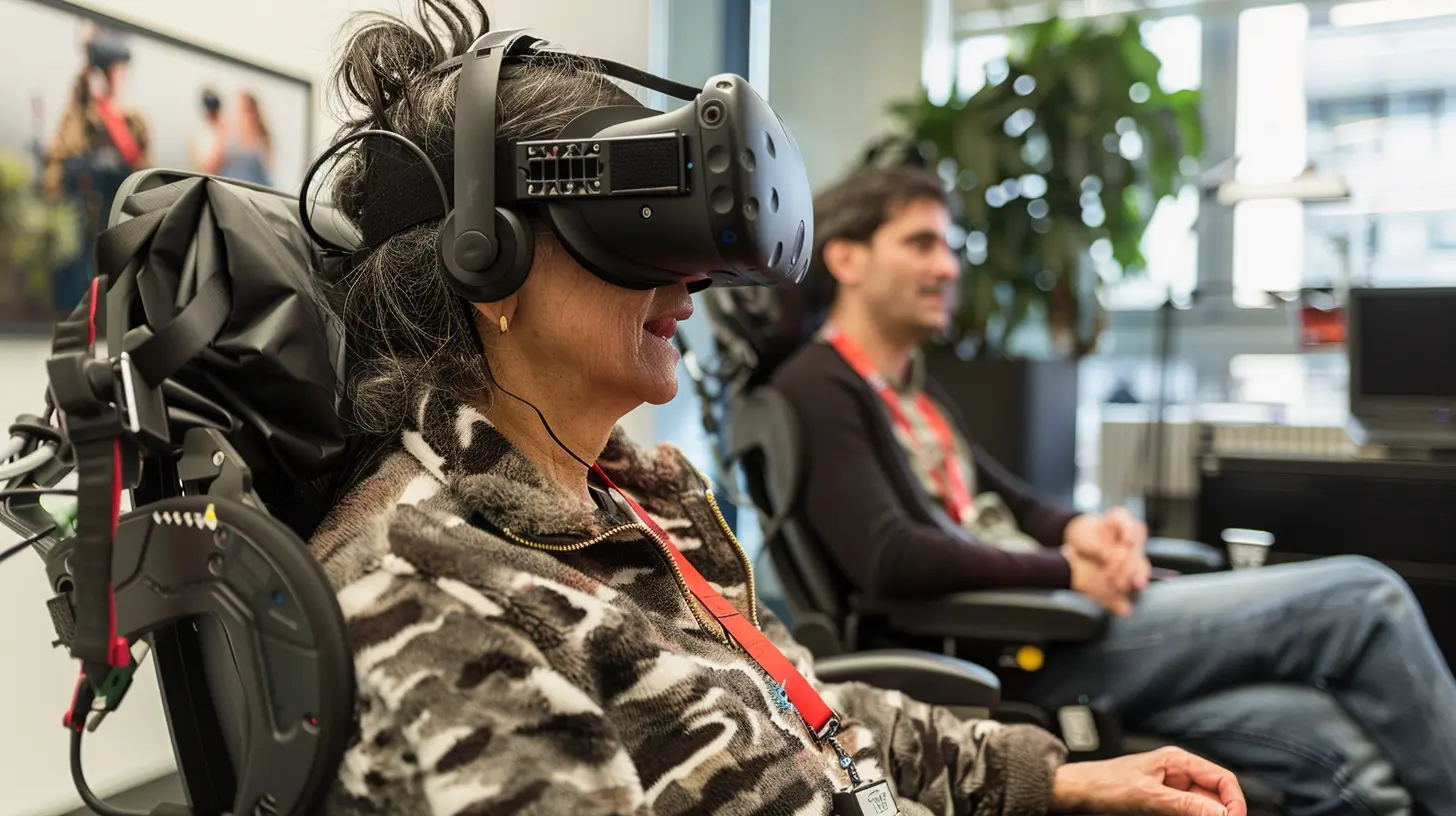
The Current State of VR Accessibility
So where do we stand? Honestly, we've made progress... but there’s still a long way to go.Hardware Shortcomings
Current mainstream headsets like the Meta Quest 2, HTC Vive, and Valve Index are designed with a very specific user in mind — one with no physical limitations. Most headsets assume you have full control of both hands, perfect vision, and the ability to stand or move around freely.And the controllers? They’re a whole other issue. Try using a standard VR controller with limited hand mobility. It’s frustrating at best, impossible at worst.
Software Limitations
On the software side, many VR games and apps still lack basic accessibility features — like screen readers, voice commands, haptic feedback for hearing-impaired users, customizable controls, or simplified interfaces.Think about it: most of us struggle with clunky VR menus. Now imagine navigating them if you're visually impaired or have a cognitive disability. It’s not just inconvenient — it’s excluding entire communities.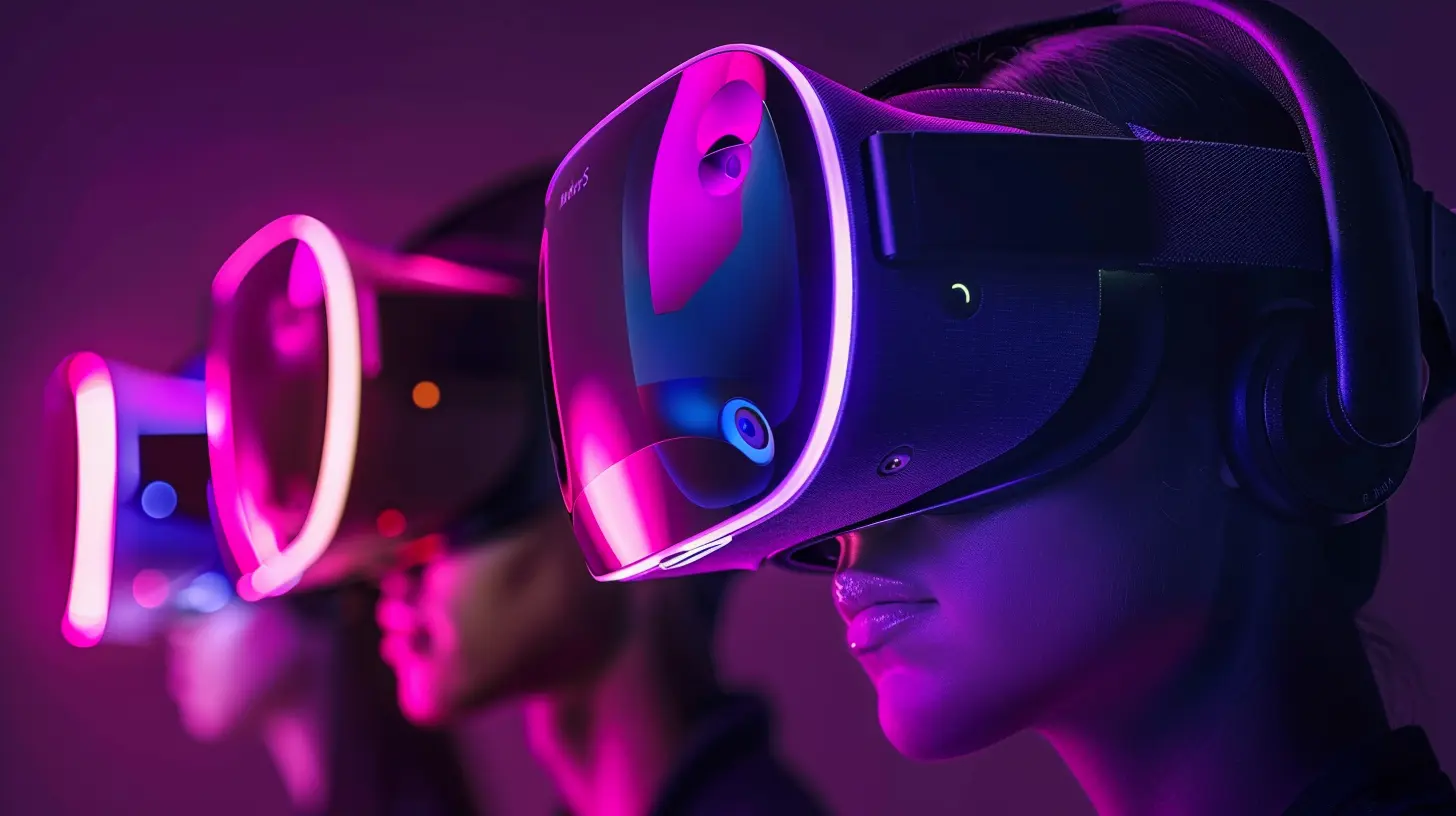
Key Challenges in VR Accessibility
Let’s break down some of the core challenges users with disabilities face in VR environments:1. Visual Impairments
For blind or low-vision users, visual-heavy VR experiences can be limiting. There’s often no screen reader support, no descriptive audio, or adjustable color schemes. And since most VR environments are 3D-centric, depth perception becomes a problem for those with partial sight.2. Hearing Impairments
While VR is highly visual, audio plays a huge role too. Spatial audio is often used to guide users or deliver narrative content. If someone is deaf or hard of hearing? They miss out on all of that unless subtitles or visual cues are available — which, sadly, many apps still don’t offer.3. Motor Disabilities
Limited mobility can be a big hurdle in VR. Users with conditions like cerebral palsy, muscular dystrophy, or spinal cord injuries might struggle holding or moving traditional VR controllers. Many VR experiences also don’t support alternative input methods — like eye-tracking or voice commands.4. Cognitive and Neurological Disabilities
People with autism, ADHD, epilepsy, or anxiety disorders face unique challenges in VR. Overstimulating visuals, rapid scene changes, or confusing user interfaces can make VR environments overwhelming or even unsafe.
Making VR Hardware More Inclusive
Alright, enough doom and gloom. Let’s talk solutions.Adjustable Fit and Ergonomics
Something as simple as adjustable straps or lighter headsets can make a world of difference. VR headsets should be designed with flexibility in mind — accommodating various head sizes, shapes, and the ability to wear glasses or assistive devices.Even better? Modular designs that allow users to switch controllers or use adaptive equipment.
Alternative Input Methods
Not everyone can grip, point, or swing a controller. Some ways to make VR more accessible:- Eye-tracking technology: Enables users to select or move using only their gaze.
- Voice commands: Great for hands-free navigation.
- Adaptive controllers: Think Xbox Adaptive Controller, but in VR form.
- Brain-computer interfaces: Yep, it sounds sci-fi, but it’s already being tested.
The goal? Give people more than one way to interact with their virtual environment.
Building Accessible VR Software Experiences
Accessibility doesn’t stop with the hardware. The virtual environments themselves need to be more welcoming.Audio Descriptions and Subtitles
Every element of sound should be translated visually for those with hearing loss — from captions for dialogue to visual cues for sound-based events (like footsteps or alarms). Conversely, visually impaired users need rich audio descriptions, so they’re not lost in silent 3D space.Customizable Interfaces
No two people are the same — so why should their VR experience be?Developers should include:
- Scalable text
- High-contrast modes
- Simplified navigation
- Custom control mapping
- Toggle-able motion blur or strobe effects (to reduce risk for epilepsy)
Guided Experiences and Training Modes
Let’s be honest: VR can be intimidating. Adding optional tutorials, calming “onboarding” environments, and voice-guided help can ease new users into the experience — especially those with cognitive or learning disabilities.Real-World Examples of Inclusive VR in Action
It's not all talk — there are already amazing projects leading the charge on VR accessibility.Microsoft’s SeeingVR Toolkits
Microsoft has created a toolkit called SeeingVR designed to make Unity-based VR content accessible for low-vision users. Tools include magnification, audio guides, and contrast enhancement. Pretty awesome, right?WalkinVR Driver
This software adjusts VR movement and interaction for people with limited mobility. It works with various PC VR games — letting you play even if you're in a wheelchair or can't use both hands. Total game changer.The Unseen Diplomacy Game
This VR game from Triangular Pixels attempts to use spatial and physical clues that work regardless of visual ability, while also testing inclusive design for motion and cognition.These are just the start. But they show that with the right mindset and tools, inclusive VR is possible — and profitable.
The Role of Developers, Designers, and Manufacturers
Everyone’s got a part to play.- Hardware makers need to stop designing for just one kind of body or ability.
- Software developers must bake in accessibility from the get-go — not as an afterthought.
- Designers should embrace universal design principles.
- Consumers can support companies doing it right — and speak up when they don’t.
Think of it this way: the more people you can include in a virtual experience, the more powerful that experience becomes. Accessibility doesn’t water down VR. It enhances it.
The Future of Accessible VR
So what’s next? Let’s dream a little.Imagine stepping into a virtual world where:
- Your headset recognizes your needs and automatically adjusts settings.
- You can control everything with your eyes, your voice, or subtle gestures.
- Every environment narrates itself to you, shows subtitles, or adjusts lighting.
- Games, classrooms, and workspaces are tailor-made for your abilities.
That’s not science fiction anymore. We’re already heading there. But we need to push harder — because what good is a virtual world if it can’t include everyone?
Final Thoughts
At the end of the day, technology is supposed to bring people together — not push them apart. VR has massive potential to bridge gaps and build empathy, but only if we tear down the barriers holding people back.Let’s stop thinking of accessibility as an inconvenience or extra cost. Think of it as an opportunity — to reach more users, foster inclusion, and actually do some good in the world.
Because the future of VR shouldn’t just be immersive — it should be inclusive.
all images in this post were generated using AI tools
Category:
Vr HeadsetsAuthor:

Jerry Graham
Discussion
rate this article
2 comments
Hudson Rogers
Great insights! Let's continue advocating for accessible VR to include everyone.
December 7, 2025 at 5:02 AM
Jerry Graham
Thank you! I completely agree—making VR accessible is essential for inclusivity. Let's keep pushing for advancements together!
Zeth Adkins
Enhancing VR accessibility is crucial; inclusivity drives innovation and broadens user experiences significantly.
December 3, 2025 at 1:32 PM
Jerry Graham
Thank you for your insightful comment! We wholeheartedly agree that enhancing VR accessibility fosters inclusivity, driving innovation and enriching user experiences for everyone.