VR Headsets and the Future of Social Interaction
29 May 2026
Let’s face it — social interaction has changed a lot in just the past decade. From texting to video calls, we've been slowly shifting away from traditional face-to-face conversations. But now, we’re standing on the brink of something even bigger: Virtual Reality (VR). Yep, those bulky headsets you might’ve seen gamers wearing? They’re not just for playing immersive games anymore. VR headsets are becoming powerful tools that could totally transform how we connect with others.
In this article, we'll dive deep into how VR is changing the landscape of social interaction, where it’s headed, and what it means for you and me in this not-so-distant digital future.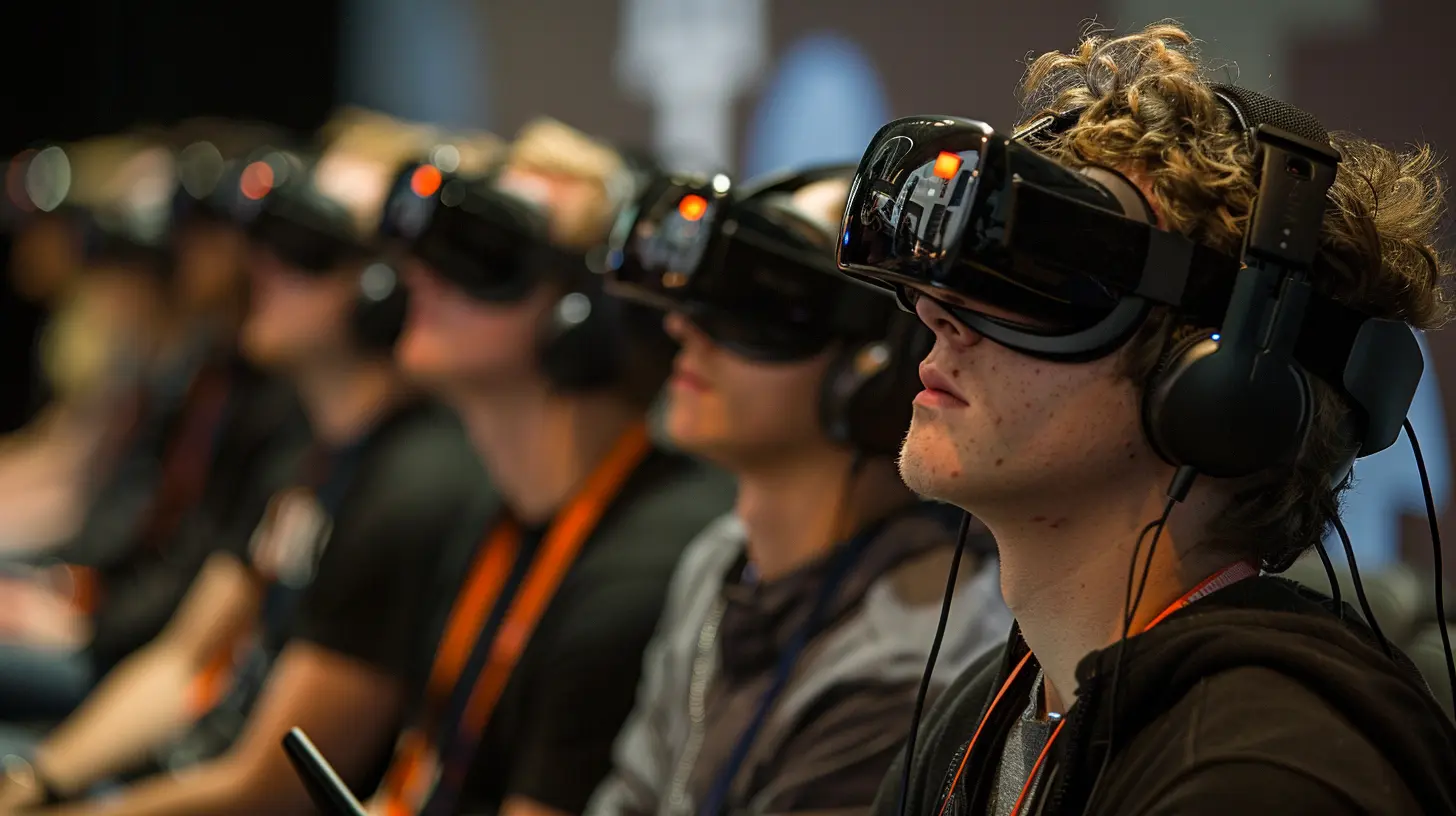
The Evolution of Social Interaction
Let’s rewind for a moment. Remember when socializing meant meeting up at the park, grabbing coffee, or just chatting face-to-face? Fast forward to today — it's more about group chats, Zoom calls, and emojis flying across screens. We’ve gained convenience but lost a bit of that human touch along the way.This is where virtual reality comes in. It’s not trying to replace real-world interactions; instead, it's aiming to make our digital ones feel more… well, human again.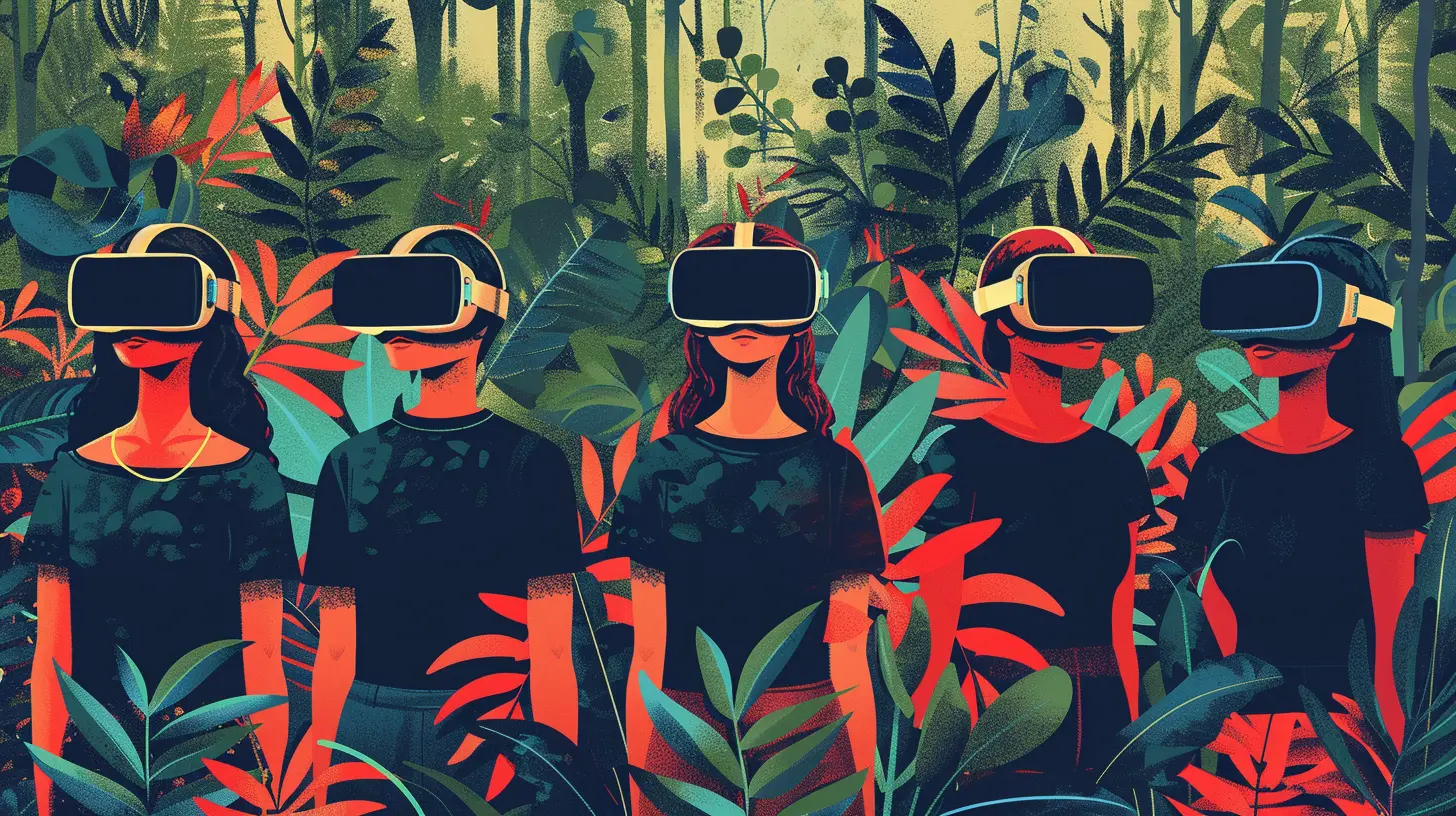
What Exactly is a VR Headset?
Before we take a leap into the future, let’s break down the basics. A VR headset is a device you wear over your eyes like a pair of high-tech ski goggles. It immerses you in a 3D digital world, letting you look around and sometimes even “move” within that world just by turning your head or using hand controllers.Think of it as stepping inside your favorite video game, only now, it's not just about playing — it's about talking, meeting, and sharing space with other people, virtually.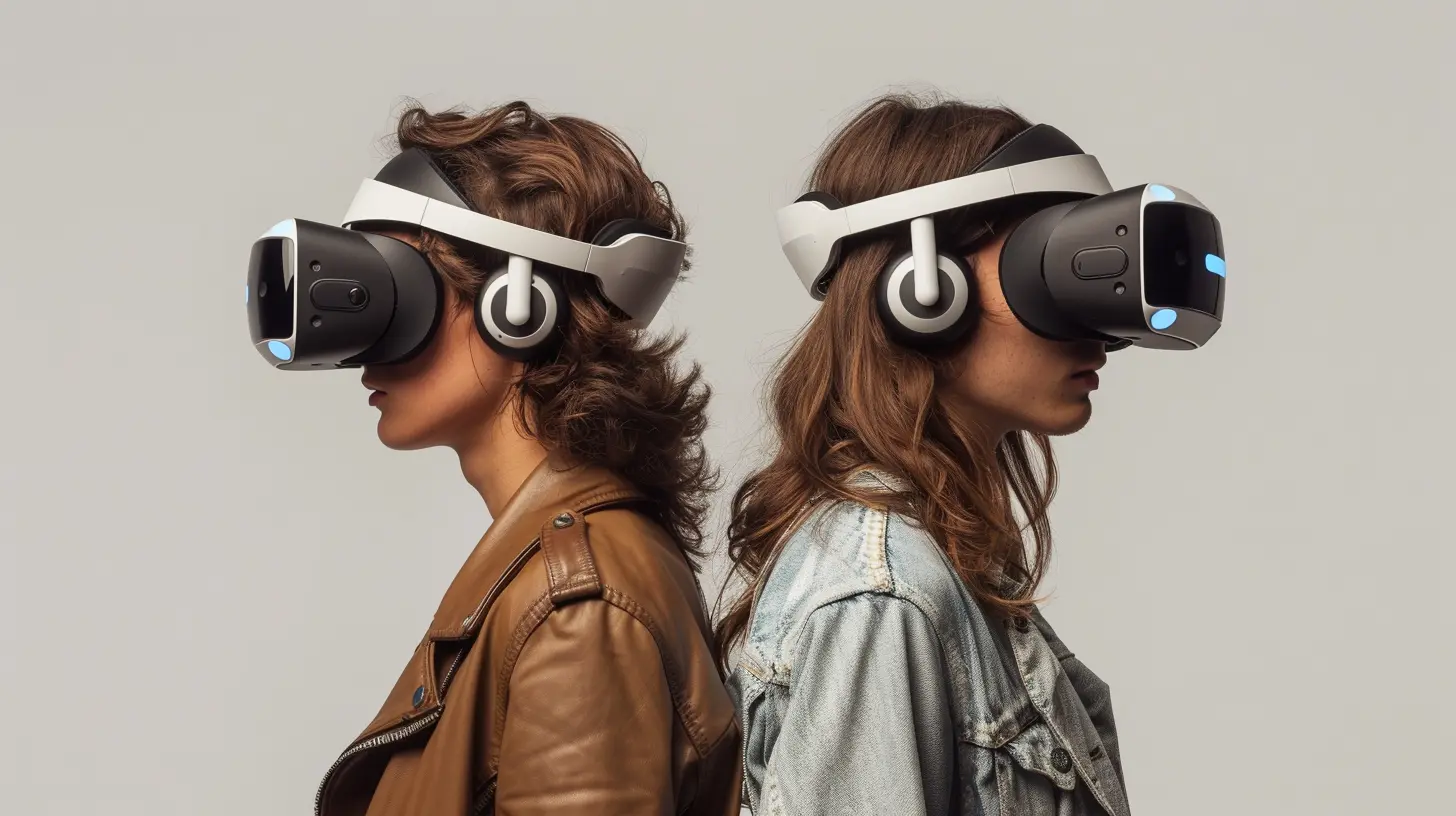
So, What’s the Big Deal About VR and Socializing?
Imagine sitting in the same virtual “room” as your best friend who lives across the world. You can make eye contact, read their body language, and even play a game of virtual chess — all without buying a plane ticket. That’s the promise of VR social interaction.Here are a few ways VR headsets are reshaping the way we connect:
1. Virtual Hangouts Are Becoming the New Norm
Remember how we started doing Zoom hangouts during the pandemic? Imagine that, but in 3D. Platforms like Meta’s Horizon Worlds or VRChat are already letting people create avatars and meet in virtual spaces like lounges, concert halls, or even outer space.No more awkward silences or staring at flat webcam grids. You actually feel present.
2. Body Language is Back
One of the biggest downsides of texting and video chatting? No body language. VR solves that with motion tracking. You can nod, wave, lean in — even dance — and your avatar mimics it all. It brings a whole new layer of expression to online communication.Body language is about 60% of communication, right? Suddenly, we’re getting that back.
3. Long-Distance Relationships Just Got Easier
Whether it’s family, friends, or a significant other, being apart is tough. VR offers a creative solution. Couples can go on virtual dates — like a stroll through a digital Paris or watching a movie in a cozy virtual theater. Friends can hit up virtual beach parties. It’s not quite the same as being there, but it’s pretty close.It beats sending another “miss you” text, right?
4. Work and Collaboration Are Reinvented
Remote work isn’t just a trend — it’s becoming the standard. VR headsets are opening up new ways for teams to meet and collaborate. Virtual offices allow people to brainstorm on virtual whiteboards, attend 3D presentations, or just bump into each other by the virtual water cooler.Tools like Spatial and Mozilla Hubs already offer these experiences, and they’re only getting better.
5. Events and Meetups Go Global
Concerts? Conferences? Fan meet-ups? You no longer need to be physically present to attend. VR lets you be “there” without leaving your couch. Artists like Travis Scott and Ariana Grande have already performed in virtual concerts attended by millions.It’s turning social events into global, inclusive experiences.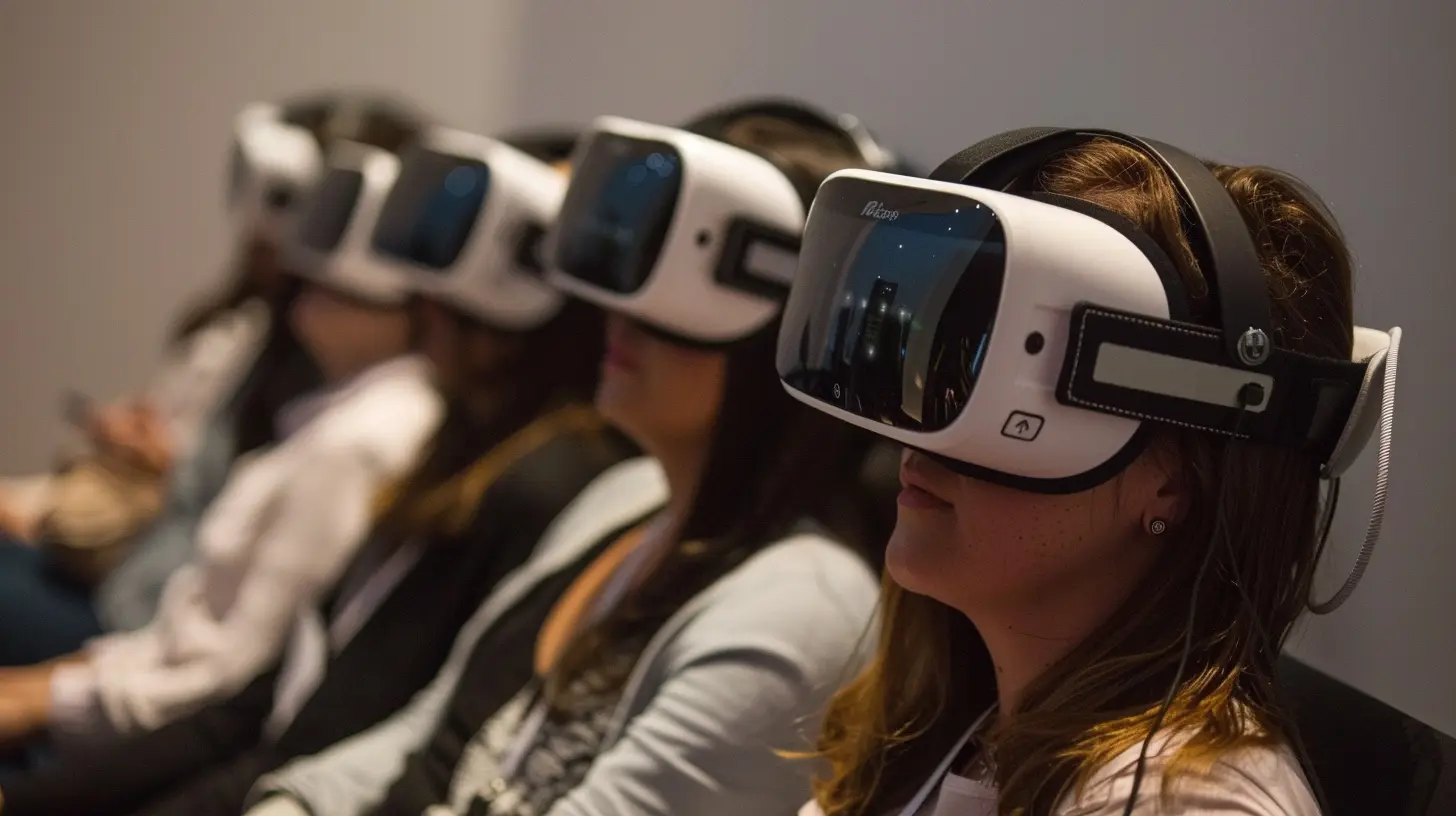
The Psychological Benefits of VR Social Interaction
Here’s where things get genuinely interesting — a lot of people are reporting increased emotional connection through VR. Why? Because it feels real.You’re in a space with others. You see them move, you hear their voice from a specific direction, and everything feels immersive. That kind of presence helps reduce feelings of isolation and loneliness.
For people who suffer from social anxiety, VR can be a safer step into socializing. You get to control the environment, and that can make a world of difference.
But Hey, It’s Not All Rainbows
Alright, let’s pump the brakes for a second. With every breakthrough comes a few bumps in the road.1. Not Everyone Has Access
VR headsets like the Meta Quest 3 or HTC Vive aren’t exactly cheap. Accessibility is still a barrier, especially in lower-income or older communities. Plus, you need decent internet and some tech savvy to set things up.2. Potential for Overuse
Just like with any tech, there’s a risk of overuse. Spending too much time in VR could lead to people preferring virtual interactions over real ones. Balance is key.3. Privacy and Safety Concerns
Being in a virtual room with strangers has its challenges. There are still concerns about data privacy, harassment, and moderation. Most platforms are working on tools to make things safer, but it’s an ongoing issue.Let’s be honest, though — these are growing pains every new technology goes through.
The Road Ahead: What Does the Future Hold?
Here’s where things get exciting.With advancements in VR tech, mixed reality (a blend of virtual and physical) and AI-powered avatars, the line between real and virtual will keep getting blurrier. Soon, VR headsets will be lighter, cheaper, and more comfortable. We may even see them blend into everyday glasses (looking at you, Apple Vision Pro).
And that’s just the hardware.
We’re talking fully immersive social platforms, personalized virtual homes, AI companions, even realistic touch via haptic gloves. Heck, you may one day feel a virtual high-five.
Imagine a world where your digital social life feels just as real and meaningful as your physical one. That’s where we’re headed.
How to Start Connecting in VR Today
Feeling curious? You don’t need to wait for the future to arrive — it’s already here.Here are a few beginner-friendly VR platforms to check out:
- VRChat – Great for meeting people, exploring funky worlds, and social gaming.
- Horizon Worlds (Meta) – Social spaces created by users, perfect for parties and meetups.
- Rec Room – A more casual space with mini-games, hangouts, and fun activities.
- AltspaceVR – Focuses on virtual events and educational meetups.
Of course, you’ll need a VR headset, but many platforms also offer access via desktop to get a feel for things before investing.
So… Will VR Replace Real Life?
Short answer? No.Long answer? Not entirely — but it will enhance it.
VR will never fully replace a hug from your mom or the warmth of a sunny day at the beach. But it can supplement our social lives in really powerful ways. It makes distance feel smaller, emotions feel stronger, and experiences feel richer.
Think of it as an evolution, not a replacement — like how the telephone didn’t replace visits, but added another way to stay connected.
Final Thoughts
VR headsets aren't just a flashy tech toy anymore. They’re gateways to deeper, more immersive social experiences. Sure, we might still be in the early stages, but the potential is mind-blowing.Whether you’re a gamer, a remote worker, someone in a long-distance relationship, or just someone curious about the future — VR could change the way you connect with the world.
So, are you ready to put on a headset and step into tomorrow's social universe?
all images in this post were generated using AI tools
Category:
Vr HeadsetsAuthor:

Jerry Graham
Discussion
rate this article
2 comments
Lark Cook
VR headsets are transforming how we connect socially, offering immersive experiences that mimic real-life interactions. As technology evolves, platforms will likely enhance engagement through virtual environments, enabling deeper relationships and new forms of collaboration. The future promises exciting possibilities for virtual social landscapes.
August 11, 2026 at 2:43 AM
Jerry Graham
Absolutely, the potential for VR in social interaction is immense. It's fascinating to see how these immersive experiences can bring people together in ways we haven't imagined yet. The future looks bright for virtual connections.
Kathleen Rogers
VR: where friendships get virtual!
June 3, 2026 at 5:01 AM
Jerry Graham
Absolutely! VR is changing how we connect, making friendships more immersive and engaging than ever.