What Smartphone Cameras Will Look Like in 2026
16 April 2026
Let’s be honest: our phones have become our primary eyes on the world. That slab of glass and metal in your pocket isn’t just for calls anymore; it’s a documentary filmmaker, a family historian, and an aspiring photographer’s best friend, all rolled into one. But if you think today’s 200MP sensors and cinematic video modes are impressive, buckle up. The smartphone camera revolution is just shifting out of first gear. By 2026, the very concept of a “camera” on your phone is going to undergo a metamorphosis so profound, it’ll make our current zoom debates feel quaint.
So, what’s driving this breakneck evolution? It’s not just about cramming in more megapixels—that race is reaching its logical conclusion. Instead, the future is a delicious, complex cocktail of computational photography, artificial intelligence so advanced it feels like magic, and new physical hardware that bends the laws of optics. We’re moving from capturing light to interpreting and reconstructing reality. Intrigued? You should be. Let’s pull out our speculative lenses and focus on the future.
The Megapixel Myth Finally Laid to Rest
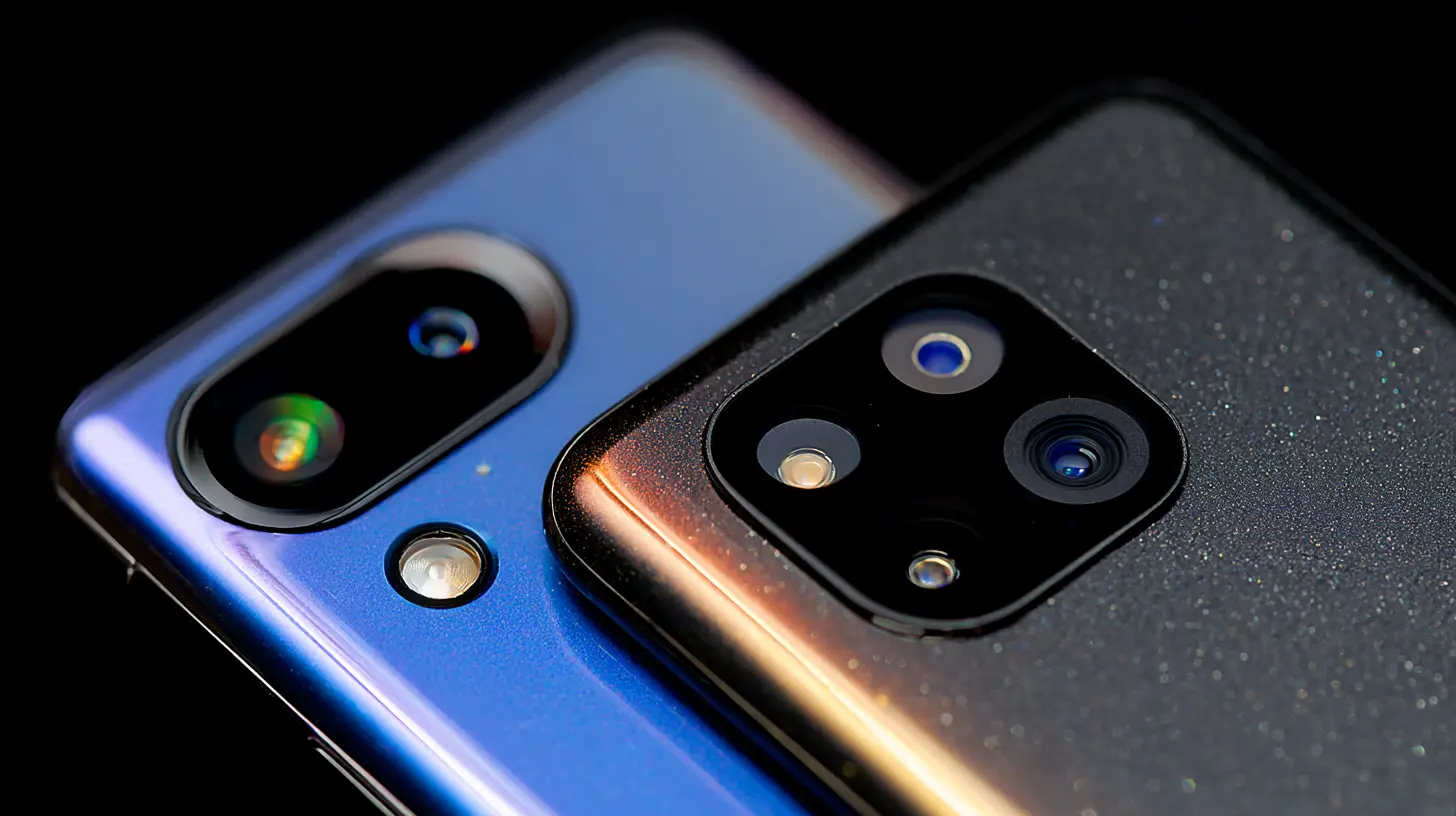
First, let’s bury the lead actor of the early 2000s camera marketing playbook: the megapixel. By 2026, the frantic shouting about ever-higher numbers will have faded to a whisper. Why? Because we’re hitting physical and practical limits. A 500MP sensor on a phone the size of a credit card is like trying to fit a symphony orchestra into a minivan—you might get everyone in, but the acoustics will be terrible.Instead, the mantra will be “larger pixels, smarter pixels.” Sensor size will continue to grow, yes, but the real game is in how each pixel is used. Think of it like this: today’s sensors are like a million tiny buckets catching rain (light). Tomorrow’s sensors will be fewer, but much larger, smarter buckets that not only catch the rain but can analyze each droplet in real-time, telling you its composition, origin, and predicting the next downpour. We’ll see more 1-inch-type sensors becoming standard in flagship models, with specialized, variable-size pixels that can act as one large pixel for stunning low-light sensitivity or split into smaller ones for detail in bright scenes. The hardware becomes a chameleon, adapting to the scene before the software even kicks in.
The AI Co-Pilot: From Assistant to Artist
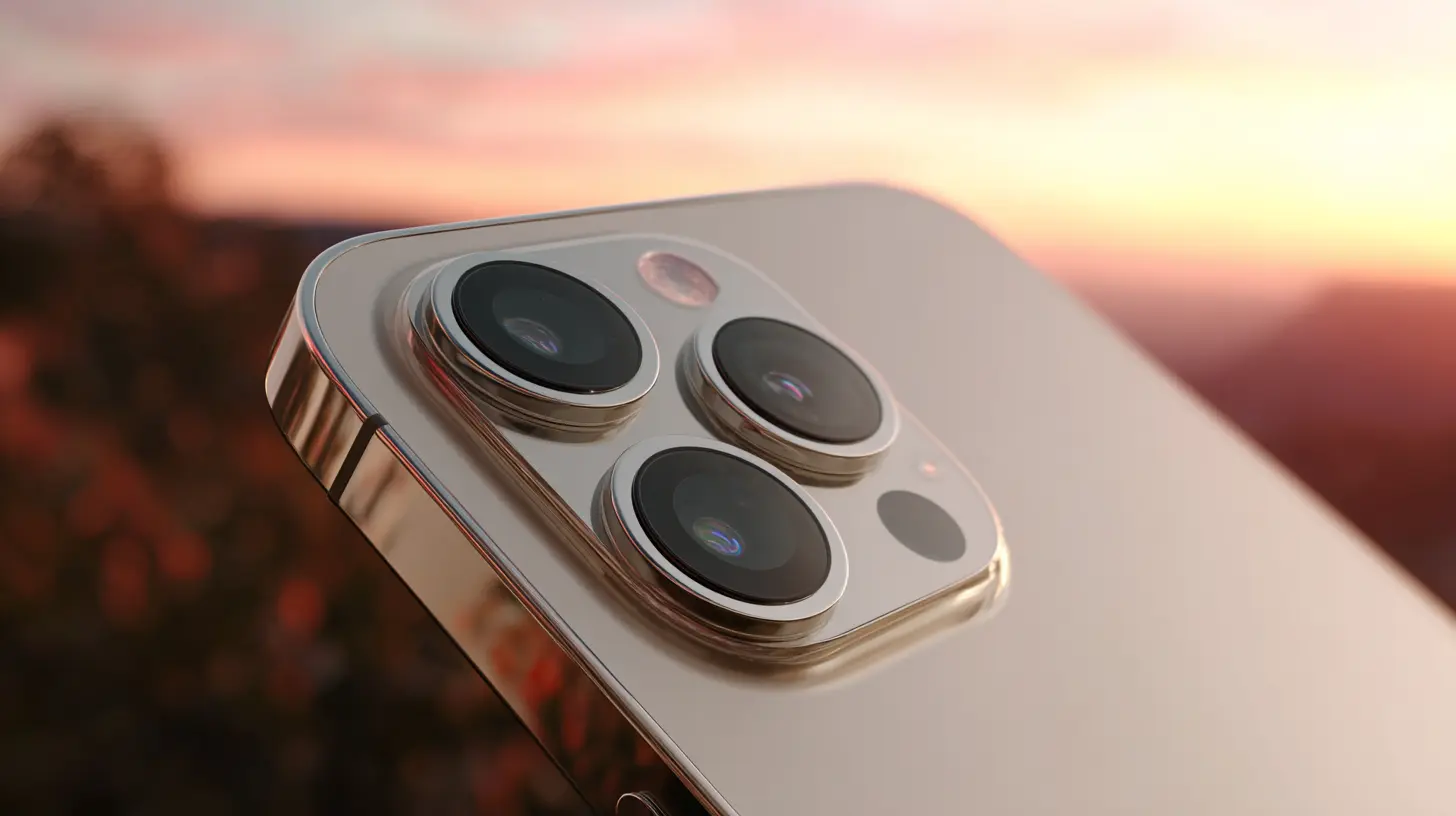
This is where the rubber meets the road. If the sensor is the eye, the AI is the brain—and by 2026, that brain will have earned a PhD in visual arts. Today’s AI helps with scene detection and a bit of smoothing. Tomorrow’s AI will be your always-on, invisible director of photography.We’re talking about on-device AI models so large and capable that they won’t just enhance a photo; they will understand the semantics of the scene in real-time. It will know the difference between a tear of joy and a raindrop on a cheek, between the graceful blur of a dancer’s movement and an unfortunate stumble. It will apply processing with emotional and contextual intelligence. Want a portrait that subtly echoes the lighting style of Rembrandt? Or a landscape that pops with the vibrant, surreal contrast of a classic slide film? You’ll simply ask. The AI will have studied centuries of art history and photographic technique, not to copy, but to collaborate.
Generative AI will move beyond gimmicky stickers and become a core photographic tool. That photobomber who ruined your perfect shot at the Colosseum? Gone, seamlessly reconstructed by AI that understands Roman architecture. That tree branch awkwardly framing your subject? Gently repositioned in the virtual 3D space of your image. The AI won’t just be filling pixels; it will be a true creative partner, offering suggestions on composition as you frame the shot, whispering, “Pivot two degrees left to align with the golden spiral, and wait 0.3 seconds for that cloud to complete the balance.” Creepy? A little. Incredibly powerful? Absolutely.
The Computational Optics Revolution: Lenses Without Limits
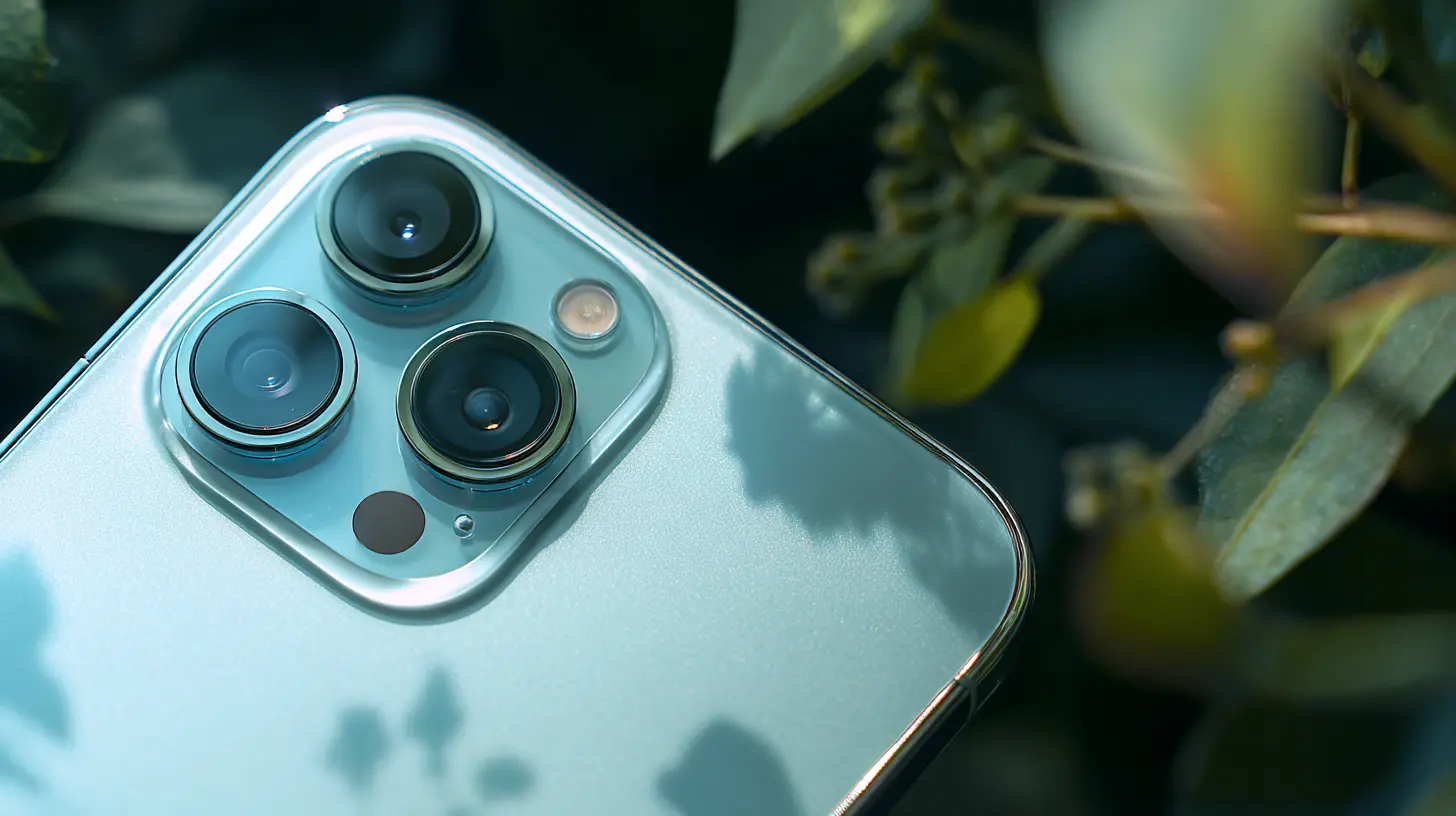
Now, let’s get physical. The bulging camera bump is the phone industry’s awkward teenage phase. By 2026, it will have evolved, thanks to breakthroughs in optics.Periscope Zooms Will Become Ubiquitous and Radical. Forget 10x optical zoom. We’re looking at compact, folded-lens systems offering 15x, even 20x, true optical zoom without a gargantuan protrusion. These won’t be the clunky, slow mechanisms of today. They’ll be liquid lenses or meta-lens arrays. Liquid lenses use electrical currents to change the shape of a droplet of liquid, altering its focus instantly—no moving parts. Imagine switching from a macro shot of a butterfly’s wing to a distant mountain peak in milliseconds, all with a single, pristine lens element.
Speaking of meta-lenses, this is the true dark horse. These are flat surfaces etched with nanostructures that can bend light in precise ways. They’re thinner than a human hair and can replace multiple bulky glass elements. A meta-lens could potentially handle wide-angle, standard, and telephoto duties all by itself, controlled by software. This could finally flatten the camera bump for good, turning your entire phone back into a sleek slab, with a camera system literally as flat as a postage stamp.
The Death of “Shot on iPhone”: The Rise of the Multi-Spectral Image
Today’s cameras see a rough approximation of what we see—the visible spectrum. The cameras of 2026 will see beyond. Integrated LiDAR and ToF (Time-of-Flight) sensors will become higher resolution and more power-efficient, creating instant, precise 3D maps of every scene. This isn’t just for better portrait mode blur. This depth data will be the foundational layer for everything: letting AI understand spatial relationships, enabling truly magical AR experiences that interact perfectly with lighting, and allowing for insane post-capture refocusing and lighting changes.But it goes further. What if your camera could see heat, or UV light, or polarization? Specialized sensors for these spectra could become miniaturized enough for mobile devices. Imagine pointing your phone at your home’s wall to see heat leaks, or at the sky to get a real-time analysis of UV intensity, or at a car’s windshield to instantly see stress fractures invisible to the naked eye. The smartphone camera becomes a scientific tool, a diagnostic device, and a creative portal to hidden worlds, all at once. The phrase “shot on iPhone” will be replaced by “analyzed, reconstructed, and enhanced by my phone’s perception engine.”
The User Experience: Photography as a Conversation
All this tech is meaningless if it’s buried in menus. The interface will transform. Your viewfinder in 2026 will be a heads-up display for reality. Augmented Reality overlays will guide composition, highlight optimal moments to shoot (like the perfect wave crest or a child’s genuine smile), and display real-time histograms and focus peaking in your actual environment.The very act of editing will be revolutionized. You won’t just move sliders for “shadow” or “highlight.” You’ll converse with your image. “Make it feel like a humid summer evening in the 1990s,” you might say. Or, “Isolate the guitarist and make her pop, but keep the crowd moody and atmospheric.” The AI will execute this with a nuanced understanding that today’s preset filters can’t touch.
Furthermore, the concept of a ‘single shot’ will dissolve. Your phone will be constantly buffering a short stream of data from all its sensors. When you press the shutter, you’re not capturing a 1/500th of a second slice of time; you’re saving a rich, multi-dimensional moment. You can then scroll through the micro-moments just before and after your press, or extract the perfect blend of expressions from a group shot where no one blinked. It’s photography as a temporal sculpture, not a snapshot.
The Ethical Lens: The Line Between Capture and Creation
This power comes with profound questions. When an image can be so perfectly, undetectably manipulated at the point of capture, what is the truth of a photograph? Photojournalism, legal evidence, and even our personal memories enter a gray area. Will our photos become “based on a true scene” rather than a documentary record?Tech companies will be forced to implement robust, tamper-evident “provenance ledgers”—likely using blockchain-like technology—for images where authenticity is crucial. A photojournalist’s shot from a conflict zone might carry an encrypted certificate proving it was captured by a specific device with minimal generative alteration. The camera app of 2026 might have a “Creative” mode and a “Verified” mode, with clear boundaries. We, as users, will need to develop a new visual literacy, understanding that what we’re seeing is often a rendering of reality, curated by algorithms whose goals we must scrutinize.
Conclusion: Not Just a Camera, But a Window to New Realities
So, by 2026, your smartphone camera will be an entirely different beast. It will be a fusion of advanced, adaptive optics, a phenomenally powerful on-device AI creative studio, and a multi-spectral perception device. It will see more, understand more, and create more than we can currently imagine.It will be less like a traditional camera and more like a visual intelligence terminal. The goal won’t just be to replicate what your eye sees, but to augment your vision, preserve your memories with emotional fidelity, and unleash your creativity in ways that feel less like using a tool and more like collaborating with a genius partner. The journey from the camera obscura to the computational camera will be complete. We’re not just looking at better pictures; we’re looking at a new way of seeing. And honestly, isn’t that the most exciting shot of all?
all images in this post were generated using AI tools
Category:
Smartphone TipsAuthor:

Jerry Graham
Discussion
rate this article
2 comments
Velvet Wyatt
Exciting times ahead! The evolution of smartphone cameras promises stunning capabilities and creativity. Embrace the future, as technology empowers us to capture moments like never before. Let’s envision the possibilities together!
April 20, 2026 at 4:59 AM
Jerry Graham
Absolutely! The advancements in smartphone cameras are thrilling. I can't wait to see how they'll transform our photography experiences by 2026. Let's explore the future!
Uri McLanahan
Get ready for selfies so clear, you'll see your last snack stuck in your teeth!
April 16, 2026 at 4:31 AM
Jerry Graham
Sounds like a reason to carry floss everywhere!