Closed-door AI framework blindsides tech policy community
August 8, 2026 - 01:28

The Trump administration's move to develop its new artificial intelligence governance framework behind closed doors has caught the technology policy community off guard, leaving many experts scrambling to understand the implications.
The framework, which reportedly outlines the government's approach to AI regulation and development, was crafted without the usual public consultations or stakeholder briefings that have characterized previous tech policy efforts. This marks a significant departure from the open-door process that industry groups, civil society organizations, and academic researchers have come to expect.
Several policy analysts expressed frustration over the lack of transparency, noting that the sudden release gives them little time to analyze the details before it shapes federal agency actions. The closed-door approach has also raised concerns about which private interests may have influenced the final text, since no formal comment period was held.
Supporters of the administration argue that the swift, quiet process was necessary to avoid gridlock and move faster than Congress. They point to the need for the United States to maintain a competitive edge in AI against rivals like China, where decisions are made quickly without extensive debate.
But critics warn that bypassing the usual vetting process could lead to unintended consequences, especially around safety standards, data privacy, and civil liberties. Several former officials noted that previous frameworks, even when controversial, at least went through a public docket that allowed for technical corrections and legal review.
The full text of the framework has not been made widely available, and it remains unclear when or if the administration will release it for broader examination. In the meantime, tech policy circles are left to piece together the details from leaked summaries and agency memos, a situation that many describe as unsustainable for long-term trust in federal AI governance.
MORE NEWS
October 8, 2026 - 12:07
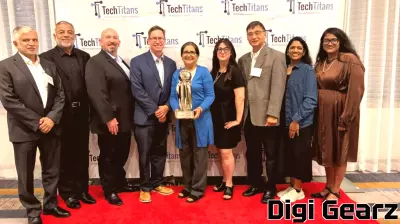
Collin College Electronic Engineering Technology Program and Dean of Academic Affairs and Workforce Programs Receive 2026 Tech Titans AwardThe Electronic Engineering Technology program at Collin College has received recognition from Tech Titans, a regional technology association. The organization presented the Tech Titans of the...

October 7, 2026 - 18:31
How a Brainless Alga Led to a Nobel-Winning Method for Controlling Neurons With LightThe ability to switch specific neurons on and off with a flash of light did not begin in a neuroscience lab. It began in a pond. Researchers studying a single-celled alga noticed it swam toward...

October 7, 2026 - 08:56
Micron Technology Is Not At Its Peak, At Least Not YetMicron Technology has secured long term commitments for a substantial share of its future production. More than 75 percent of the company`s calendar year 2027 output is already locked in through 26...

October 6, 2026 - 18:02
Hofstra University law school opens new legal technology hub through lawyer’s $1 million endowmentHofstra University`s law school has established a new center focused on legal technology, funded by a one million dollar endowment from an attorney. The institute will expand the school`s existing...