Eye On Illinois: Can technology help throttle persistently reckless drivers?
April 12, 2026 - 03:32

The stark reality of repeated license suspensions failing to keep dangerous motorists off the road is prompting a difficult question: if traditional penalties are ineffective, can technology provide a solution? This inquiry gains urgency alongside legislative efforts to create pathways for drivers with multiple suspensions, an approach some view as an admission that current punitive systems are fundamentally broken.
The core issue lies with persistently reckless drivers who continue to operate vehicles illegally, often without insurance, despite having their licenses revoked. This creates a perpetual public safety hazard. In response, policymakers and safety advocates are increasingly looking to technological interventions as a more reliable enforcement mechanism.
One prominent proposal is the expanded use of ignition interlock devices, typically mandated for DUI offenses, for other severe violations like excessive speeding or reckless endangerment. These devices prevent a vehicle from starting if the driver fails a sobriety test. Another concept involves vehicle impoundment or the use of GPS-enabled immobilization systems for habitual offenders, ensuring the specific car they own cannot be driven illegally.
While civil liberty concerns regarding constant monitoring are significant, the growing consensus is that for a small, high-risk cohort of drivers, technology may offer the only viable method to physically prevent dangerous behavior. As legislative discussions continue, the focus is shifting from solely punishing past actions to proactively preventing future tragedies through smart, targeted restraints.
MORE NEWS
October 8, 2026 - 12:07
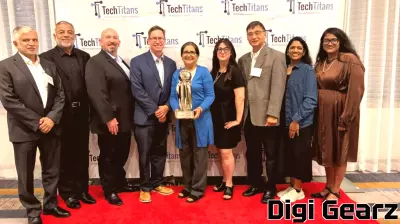
Collin College Electronic Engineering Technology Program and Dean of Academic Affairs and Workforce Programs Receive 2026 Tech Titans AwardThe Electronic Engineering Technology program at Collin College has received recognition from Tech Titans, a regional technology association. The organization presented the Tech Titans of the...
October 7, 2026 - 18:31
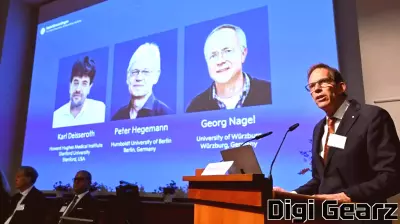
How a Brainless Alga Led to a Nobel-Winning Method for Controlling Neurons With LightThe ability to switch specific neurons on and off with a flash of light did not begin in a neuroscience lab. It began in a pond. Researchers studying a single-celled alga noticed it swam toward...

October 7, 2026 - 08:56
Micron Technology Is Not At Its Peak, At Least Not YetMicron Technology has secured long term commitments for a substantial share of its future production. More than 75 percent of the company`s calendar year 2027 output is already locked in through 26...
October 6, 2026 - 18:02
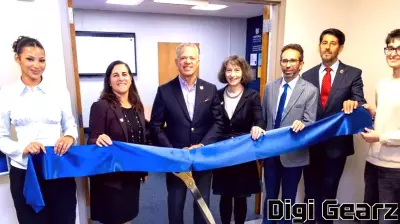
Hofstra University law school opens new legal technology hub through lawyer’s $1 million endowmentHofstra University`s law school has established a new center focused on legal technology, funded by a one million dollar endowment from an attorney. The institute will expand the school`s existing...