Making life 'transparent': A technology changing how we see biological tissue
June 22, 2026 - 03:02
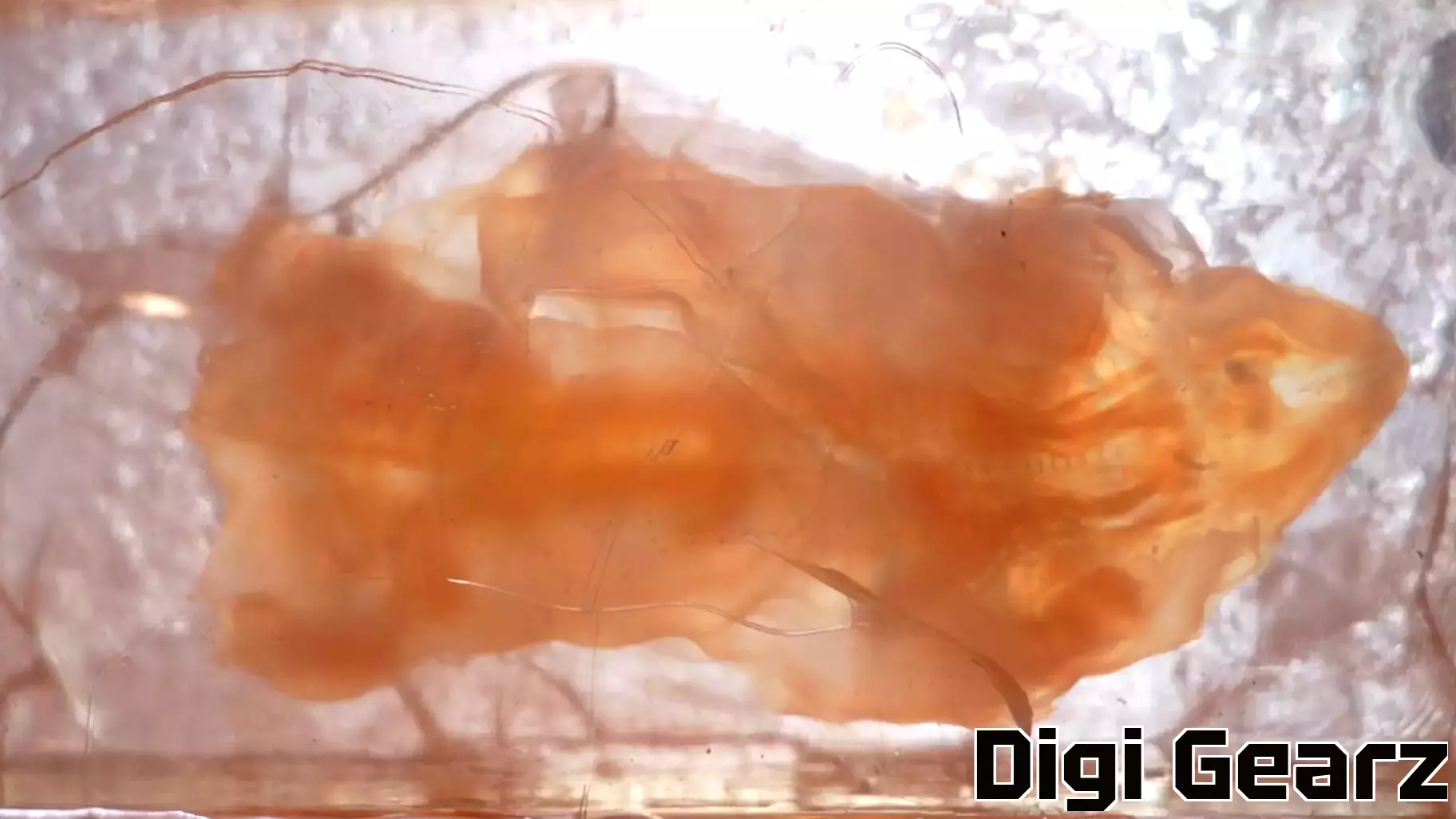
If the human nervous system were a vast 3D map spread throughout the body, most of that map has long remained unseen. Scientists could see individual cells or blurry regions of the brain, but they could not follow a single nerve fiber from a fingertip all the way to the spinal cord. That is changing thanks to a technique that literally makes biological tissue transparent.
Researchers have developed a method that turns opaque organs and body parts into clear, glass-like structures. The process, often called tissue clearing, works by removing the fats and lipids that normally scatter light. Once the tissue is transparent, scientists can use advanced microscopes to peer deep inside without having to slice it into thin sections. This allows them to map entire networks of nerves, blood vessels, and cells in three dimensions.
The implications are huge. For example, a team recently used this approach to trace every nerve in a mouse's leg from the toes to the spine. They could see exactly how sensory and motor fibers are arranged, which could help surgeons repair damaged nerves more precisely. In cancer research, clearing tumors reveals how blood vessels feed them and how immune cells try to attack them. The technology is also being tested on human organs donated for research, offering a complete view of diseases like Alzheimer's or diabetes at the cellular level.
The main challenge now is scale. Clearing a whole human brain takes weeks and requires expensive equipment. But as the process gets faster and cheaper, it could become a standard tool in labs and hospitals. For the first time, scientists are not just looking at tiny pieces of the body. They are seeing the whole picture.
MORE NEWS

October 8, 2026 - 12:07
Collin College Electronic Engineering Technology Program and Dean of Academic Affairs and Workforce Programs Receive 2026 Tech Titans AwardThe Electronic Engineering Technology program at Collin College has received recognition from Tech Titans, a regional technology association. The organization presented the Tech Titans of the...

October 7, 2026 - 18:31
How a Brainless Alga Led to a Nobel-Winning Method for Controlling Neurons With LightThe ability to switch specific neurons on and off with a flash of light did not begin in a neuroscience lab. It began in a pond. Researchers studying a single-celled alga noticed it swam toward...

October 7, 2026 - 08:56
Micron Technology Is Not At Its Peak, At Least Not YetMicron Technology has secured long term commitments for a substantial share of its future production. More than 75 percent of the company`s calendar year 2027 output is already locked in through 26...

October 6, 2026 - 18:02
Hofstra University law school opens new legal technology hub through lawyer’s $1 million endowmentHofstra University`s law school has established a new center focused on legal technology, funded by a one million dollar endowment from an attorney. The institute will expand the school`s existing...