New technology transforms medical education at UNMC
February 2, 2026 - 18:17
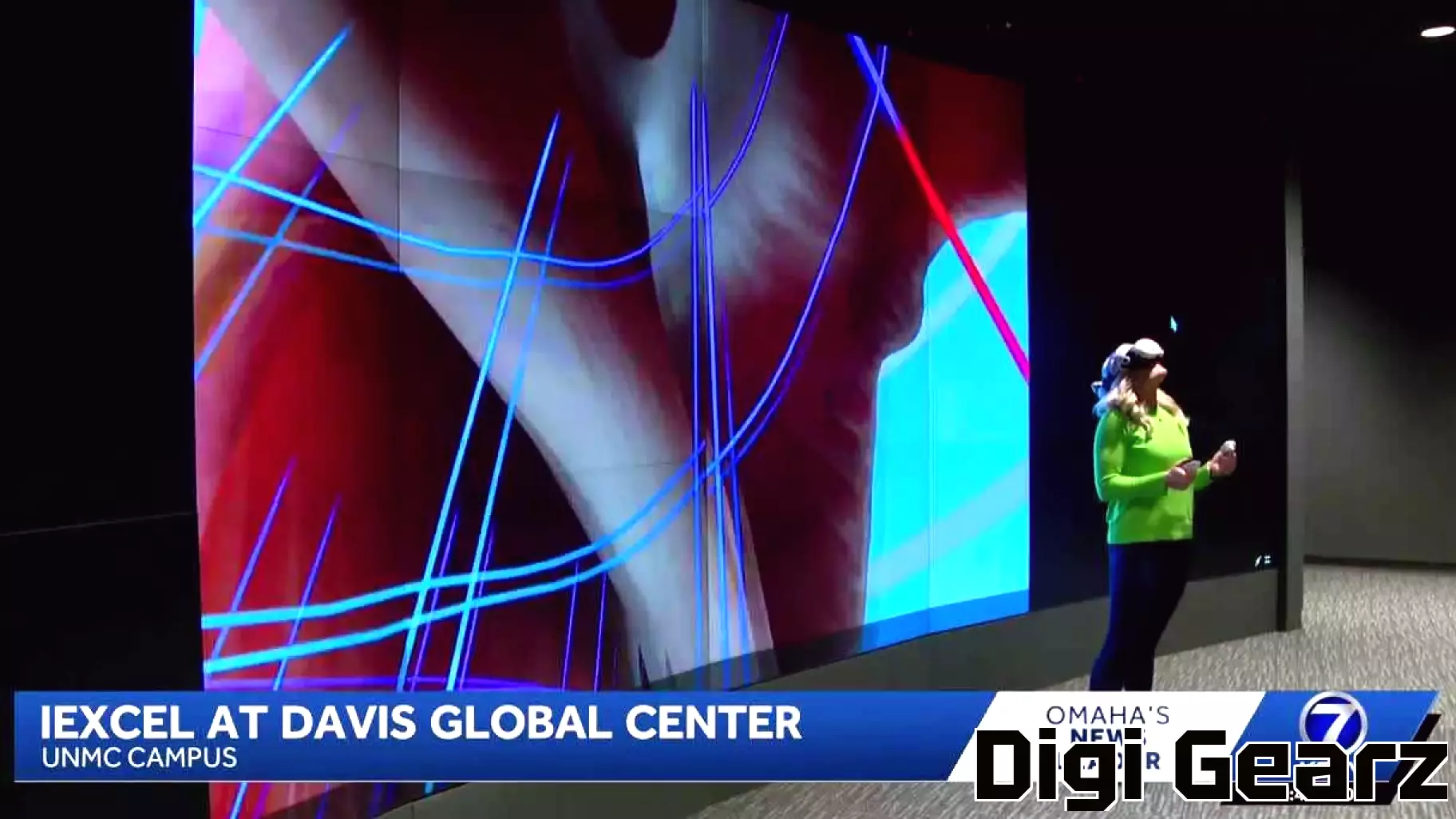
A quiet revolution is taking place in medical education, and its architects come from an unexpected background. At the University of Nebraska Medical Center, former video game developers and graphic artists are now applying their skills to a critical new field: training the next generation of physicians.
This innovative team is leveraging cutting-edge technology to transform complex medical concepts into immersive, interactive learning experiences. By utilizing advanced 3D modeling, virtual reality, and sophisticated simulation software, they are creating digital tools that allow students to explore human anatomy in unprecedented detail, practice surgical procedures in risk-free environments, and visualize disease processes in ways textbooks cannot match.
The shift represents a fundamental change in pedagogical approach. "We're moving from passive learning to active, experiential education," explains one project lead. Students can now repeatedly dissect a virtual cadaver, navigate a digital bloodstream, or respond to a simulated medical emergency, building confidence and competence before ever touching a real patient.
Faculty report that these digital resources are enhancing student engagement and improving knowledge retention. The technology provides consistent, repeatable training scenarios and offers personalized feedback, allowing learners to progress at their own pace. This fusion of entertainment industry expertise with medical science is not replacing traditional methods but augmenting them, creating a more robust and dynamic curriculum designed to prepare future doctors for the complexities of modern medicine.
MORE NEWS

October 8, 2026 - 12:07
Collin College Electronic Engineering Technology Program and Dean of Academic Affairs and Workforce Programs Receive 2026 Tech Titans AwardThe Electronic Engineering Technology program at Collin College has received recognition from Tech Titans, a regional technology association. The organization presented the Tech Titans of the...

October 7, 2026 - 18:31
How a Brainless Alga Led to a Nobel-Winning Method for Controlling Neurons With LightThe ability to switch specific neurons on and off with a flash of light did not begin in a neuroscience lab. It began in a pond. Researchers studying a single-celled alga noticed it swam toward...

October 7, 2026 - 08:56
Micron Technology Is Not At Its Peak, At Least Not YetMicron Technology has secured long term commitments for a substantial share of its future production. More than 75 percent of the company`s calendar year 2027 output is already locked in through 26...

October 6, 2026 - 18:02
Hofstra University law school opens new legal technology hub through lawyer’s $1 million endowmentHofstra University`s law school has established a new center focused on legal technology, funded by a one million dollar endowment from an attorney. The institute will expand the school`s existing...