Playing against climate risk
September 1, 2026 - 00:16
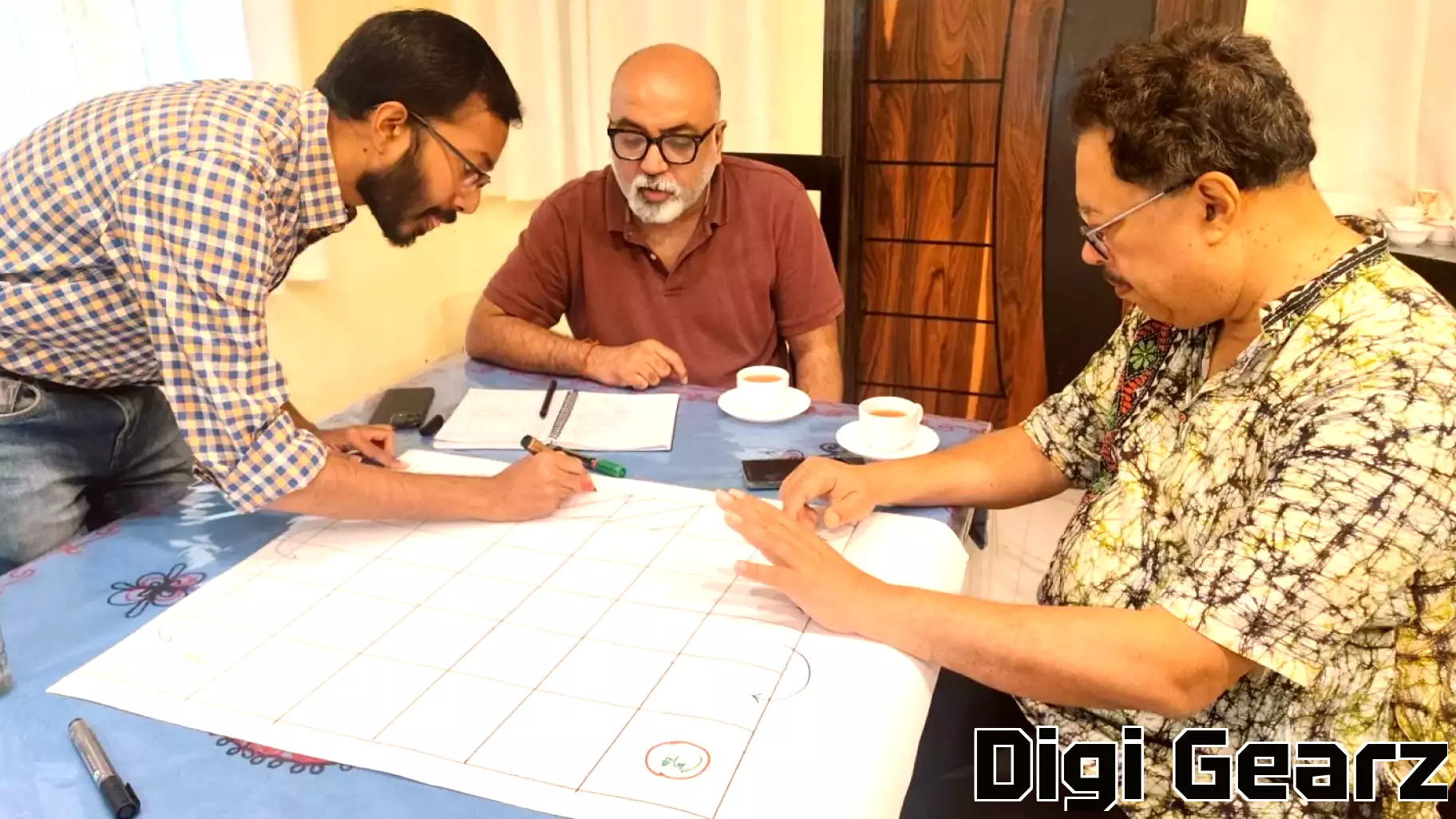
In the low-lying coastal stretches of India, where the sea is both a lifeline and a looming threat, a new kind of training is taking root. It is not a lecture or a drill, but a game. Researchers from MIT have developed a tabletop exercise that uses climate models to help small fishing and farming communities think through disaster scenarios before they happen. The goal is to shift the mindset from reaction to preparation.
The effort is led by Sai Ravela, a principal research scientist in the Department of Earth, Atmospheric and Planetary Sciences and a researcher with the MIT Abdul Latif Jameel Water and Food Systems Lab. Ravela and his team have spent years studying how environmental data can be made useful for ordinary people. The game, he explains, turns complex forecasts into a shared experience. Players face simulated storms, rising water, and shifting seasons. They must decide when to move boats, store grain, or evacuate. Each choice has consequences, and the game reveals how small mistakes can become big losses.
What makes the approach different is its focus on local knowledge. The game is not a one-size-fits-all model. It is adapted to each village's geography, resources, and social structure. Elders play alongside younger residents. Fishermen compare their own observations with the game's predictions. Over time, the exercise builds a common language around risk. It also exposes gaps in infrastructure and communication that might otherwise go unnoticed until a real emergency strikes.
Ravela sees the project as a bridge between high-level science and everyday survival. Climate models are often too abstract for people who live on the front lines of change. But when those models are turned into a playable scenario, they become tangible. Villagers start to ask better questions about their own preparedness. They also begin to see that planning ahead is not just the job of officials, but something they can do together.
The work is still in its early stages, but the response has been encouraging. Participants report feeling more confident about how to act when warnings come. For Ravela, that is the point. The game does not stop the storm, but it can help a community stand a little firmer when the water rises.
MORE NEWS

October 8, 2026 - 12:07
Collin College Electronic Engineering Technology Program and Dean of Academic Affairs and Workforce Programs Receive 2026 Tech Titans AwardThe Electronic Engineering Technology program at Collin College has received recognition from Tech Titans, a regional technology association. The organization presented the Tech Titans of the...

October 7, 2026 - 18:31
How a Brainless Alga Led to a Nobel-Winning Method for Controlling Neurons With LightThe ability to switch specific neurons on and off with a flash of light did not begin in a neuroscience lab. It began in a pond. Researchers studying a single-celled alga noticed it swam toward...

October 7, 2026 - 08:56
Micron Technology Is Not At Its Peak, At Least Not YetMicron Technology has secured long term commitments for a substantial share of its future production. More than 75 percent of the company`s calendar year 2027 output is already locked in through 26...
October 6, 2026 - 18:02
Hofstra University law school opens new legal technology hub through lawyer’s $1 million endowmentHofstra University`s law school has established a new center focused on legal technology, funded by a one million dollar endowment from an attorney. The institute will expand the school`s existing...