Sweat equity: MTA, Mamdani admin to study heat removal technology in Lower Manhattan subway complex
August 10, 2026 - 17:24

Anyone who has spent time underground in New York City during a heat wave knows the feeling: the heavy air, the damp platform, and the slow drip of sweat while you wait for a train that seems to take forever. That familiar misery might finally get some serious attention. The Metropolitan Transportation Authority, in partnership with the office of Manhattan Borough President Mark Levine, is launching a study to test heat removal technology inside the Fulton Center complex in Lower Manhattan.
The idea is not just to blow colder air into the station, but to actually pull the heat out of the environment. The technology being considered uses a closed-loop system that extracts warm air, cools it down, and then releases the cooler air back into the public areas. The goal is to make the waiting experience more bearable for the hundreds of thousands of daily commuters who pass through the maze of underground corridors and platforms.
This is not a quick fix. The study phase will look at where to place the equipment, how much energy it will consume, and whether the system can handle the constant dust and vibration of a working transit hub. If the pilot shows promise, it could be expanded to other hot spots across the system. For now, riders can hope that this research leads to something more than just a fan and a bucket of ice. The report is expected to take several months, and any actual installation would likely come after that. For a city that prides itself on constant motion, relief from the heat below ground cannot come soon enough.
MORE NEWS
October 8, 2026 - 12:07
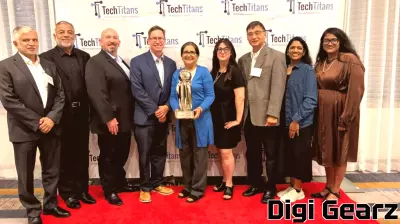
Collin College Electronic Engineering Technology Program and Dean of Academic Affairs and Workforce Programs Receive 2026 Tech Titans AwardThe Electronic Engineering Technology program at Collin College has received recognition from Tech Titans, a regional technology association. The organization presented the Tech Titans of the...

October 7, 2026 - 18:31
How a Brainless Alga Led to a Nobel-Winning Method for Controlling Neurons With LightThe ability to switch specific neurons on and off with a flash of light did not begin in a neuroscience lab. It began in a pond. Researchers studying a single-celled alga noticed it swam toward...

October 7, 2026 - 08:56
Micron Technology Is Not At Its Peak, At Least Not YetMicron Technology has secured long term commitments for a substantial share of its future production. More than 75 percent of the company`s calendar year 2027 output is already locked in through 26...
October 6, 2026 - 18:02
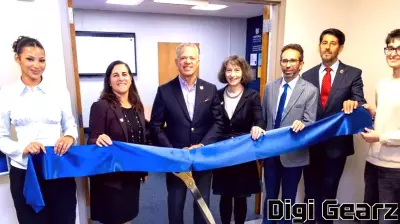
Hofstra University law school opens new legal technology hub through lawyer’s $1 million endowmentHofstra University`s law school has established a new center focused on legal technology, funded by a one million dollar endowment from an attorney. The institute will expand the school`s existing...