TSA’s new CT scanners may pose a problem for some carry-on bags: What to know
July 19, 2026 - 01:24
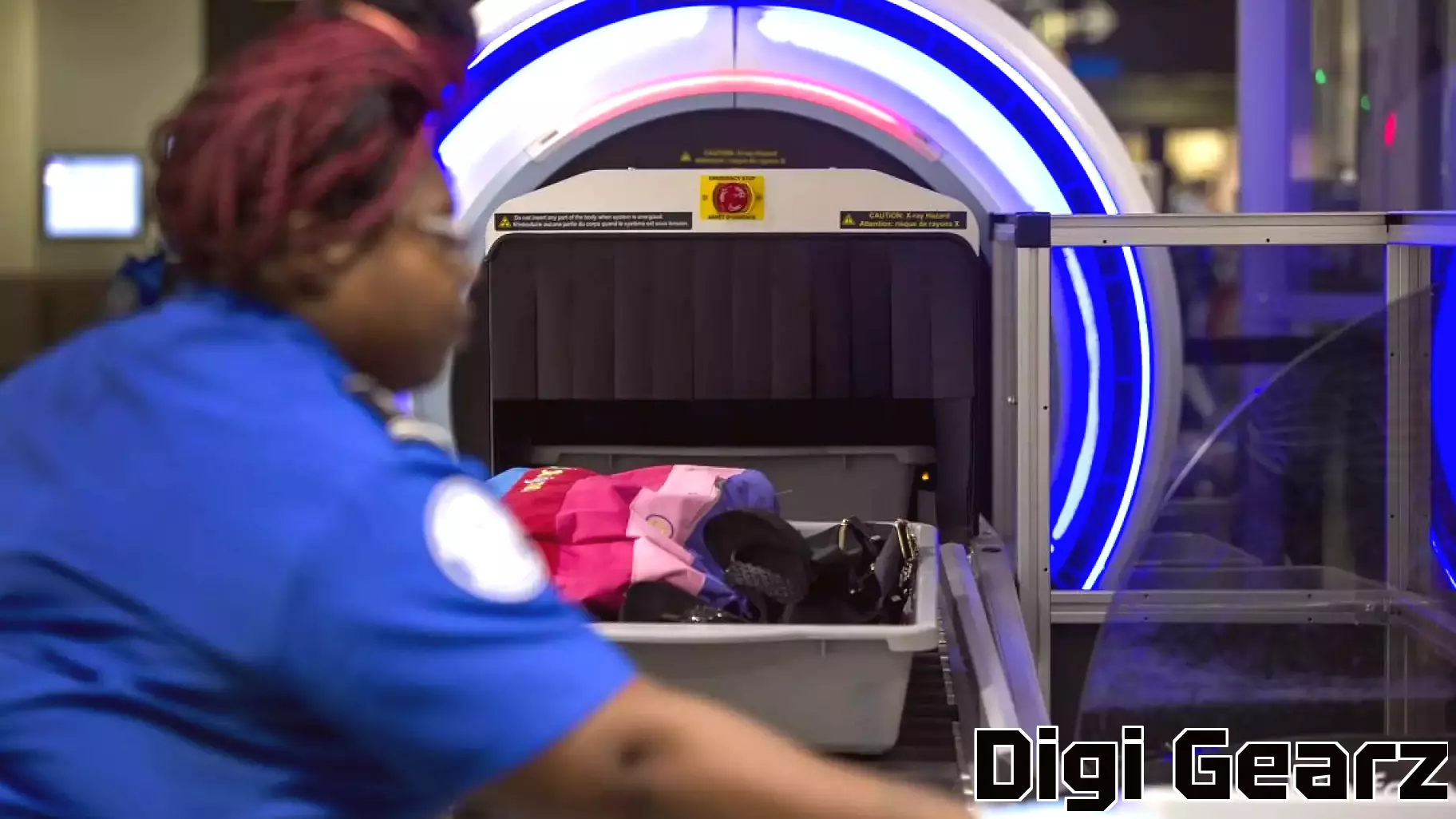
The Transportation Security Administration is rolling out advanced 3D computed tomography scanners at airport checkpoints across the country, but the upgrade might create a frustrating problem for some passengers. These new CT machines, which look similar to the large medical devices used in hospitals, allow screeners to rotate and examine a bag's contents from every angle without needing to open it. However, the technology is so sensitive that it may flag items that older X-ray machines routinely let through.
The main issue comes down to density. The CT scanners can detect objects that are too tightly packed or cluttered together, which can trigger an alert even if nothing prohibited is inside. Travelers who stuff their carry-on bags to the brim with electronics, cables, toiletries, and snacks might find themselves pulled aside for a secondary search more often. In some cases, the scanner might even reject the bag entirely, forcing the passenger to check it at the gate - a move that can cost extra fees on budget airlines.
Another potential headache involves items like large power banks or dense stacks of paperback books. While these are generally allowed, the CT scanner's detailed imaging can make them look suspicious. The TSA advises passengers to keep bags organized, remove laptops and liquids from their original spots, and avoid overpacking. For now, the rollout is gradual, but as more airports install the machines, travelers should expect a few more delays at security.
MORE NEWS
October 8, 2026 - 12:07
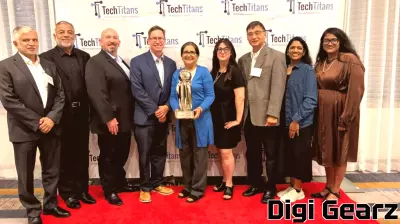
Collin College Electronic Engineering Technology Program and Dean of Academic Affairs and Workforce Programs Receive 2026 Tech Titans AwardThe Electronic Engineering Technology program at Collin College has received recognition from Tech Titans, a regional technology association. The organization presented the Tech Titans of the...

October 7, 2026 - 18:31
How a Brainless Alga Led to a Nobel-Winning Method for Controlling Neurons With LightThe ability to switch specific neurons on and off with a flash of light did not begin in a neuroscience lab. It began in a pond. Researchers studying a single-celled alga noticed it swam toward...

October 7, 2026 - 08:56
Micron Technology Is Not At Its Peak, At Least Not YetMicron Technology has secured long term commitments for a substantial share of its future production. More than 75 percent of the company`s calendar year 2027 output is already locked in through 26...

October 6, 2026 - 18:02
Hofstra University law school opens new legal technology hub through lawyer’s $1 million endowmentHofstra University`s law school has established a new center focused on legal technology, funded by a one million dollar endowment from an attorney. The institute will expand the school`s existing...