What Sustainable Technology Really Means for Consumer Products
July 30, 2026 - 00:03

Every day, millions of household items are tossed into the trash, from broken toasters to outdated smartphones. This constant cycle of consumption contributes to a staggering 62 million tons of electronic waste generated each year. As consumers become more aware of this problem, companies have rushed to label their products as "sustainable" or "eco-friendly." But what does that label actually mean for the average person buying a new blender or laptop?
The term "sustainable technology" has become a marketing buzzword, often used to sell more products rather than solve the waste crisis. True sustainability in consumer goods goes beyond using recycled packaging or a green logo. It starts with durability. A product that lasts ten years is inherently more sustainable than one that needs replacing every two, even if the short-lived item is made from recycled materials. It also involves repairability. If a battery dies or a screen cracks, can you fix it yourself, or is the device designed to be thrown away? Many manufacturers make repairs difficult by gluing components shut or refusing to sell spare parts.
Another key factor is the supply chain. A "sustainable" phone might be assembled with solar power, but its rare earth minerals could be mined under unethical conditions or shipped across the globe using fossil fuels. Consumers need to look for certifications that verify a product's entire lifecycle, from raw materials to disposal. Finally, consider the end of life. Can the product be easily disassembled for recycling, or will it end up in a landfill?
In short, sustainable technology should mean less waste, longer use, and honest design. Until companies are forced to back up their claims with real data, the burden falls on buyers to ask tough questions and choose products built to last, not just to be sold.
MORE NEWS
October 8, 2026 - 12:07
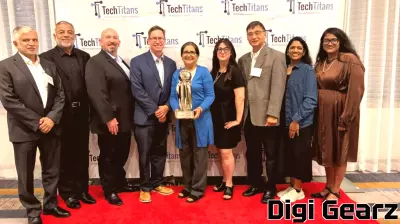
Collin College Electronic Engineering Technology Program and Dean of Academic Affairs and Workforce Programs Receive 2026 Tech Titans AwardThe Electronic Engineering Technology program at Collin College has received recognition from Tech Titans, a regional technology association. The organization presented the Tech Titans of the...

October 7, 2026 - 18:31
How a Brainless Alga Led to a Nobel-Winning Method for Controlling Neurons With LightThe ability to switch specific neurons on and off with a flash of light did not begin in a neuroscience lab. It began in a pond. Researchers studying a single-celled alga noticed it swam toward...

October 7, 2026 - 08:56
Micron Technology Is Not At Its Peak, At Least Not YetMicron Technology has secured long term commitments for a substantial share of its future production. More than 75 percent of the company`s calendar year 2027 output is already locked in through 26...

October 6, 2026 - 18:02
Hofstra University law school opens new legal technology hub through lawyer’s $1 million endowmentHofstra University`s law school has established a new center focused on legal technology, funded by a one million dollar endowment from an attorney. The institute will expand the school`s existing...