Augmented Reality: The Next Big Thing in Mobile Games
11 July 2026
Imagine pointing your phone at your backyard and suddenly, you're fighting dragons, building castles, or hunting for digital treasures hidden behind your BBQ grill. Sounds futuristic, right? Well, welcome to the rapidly evolving world of Augmented Reality (AR) in mobile gaming—where your surroundings become your playground and reality gets a serious upgrade.
AR is no longer just a cool gimmick or sci-fi fantasy. It’s quickly becoming a game-changer (pun totally intended) in how we play, interact, and engage with mobile games. So, if you’ve ever wondered where mobile gaming is heading, here’s your front-row seat to the most exciting revolution since the first person flung a bird at some pigs.
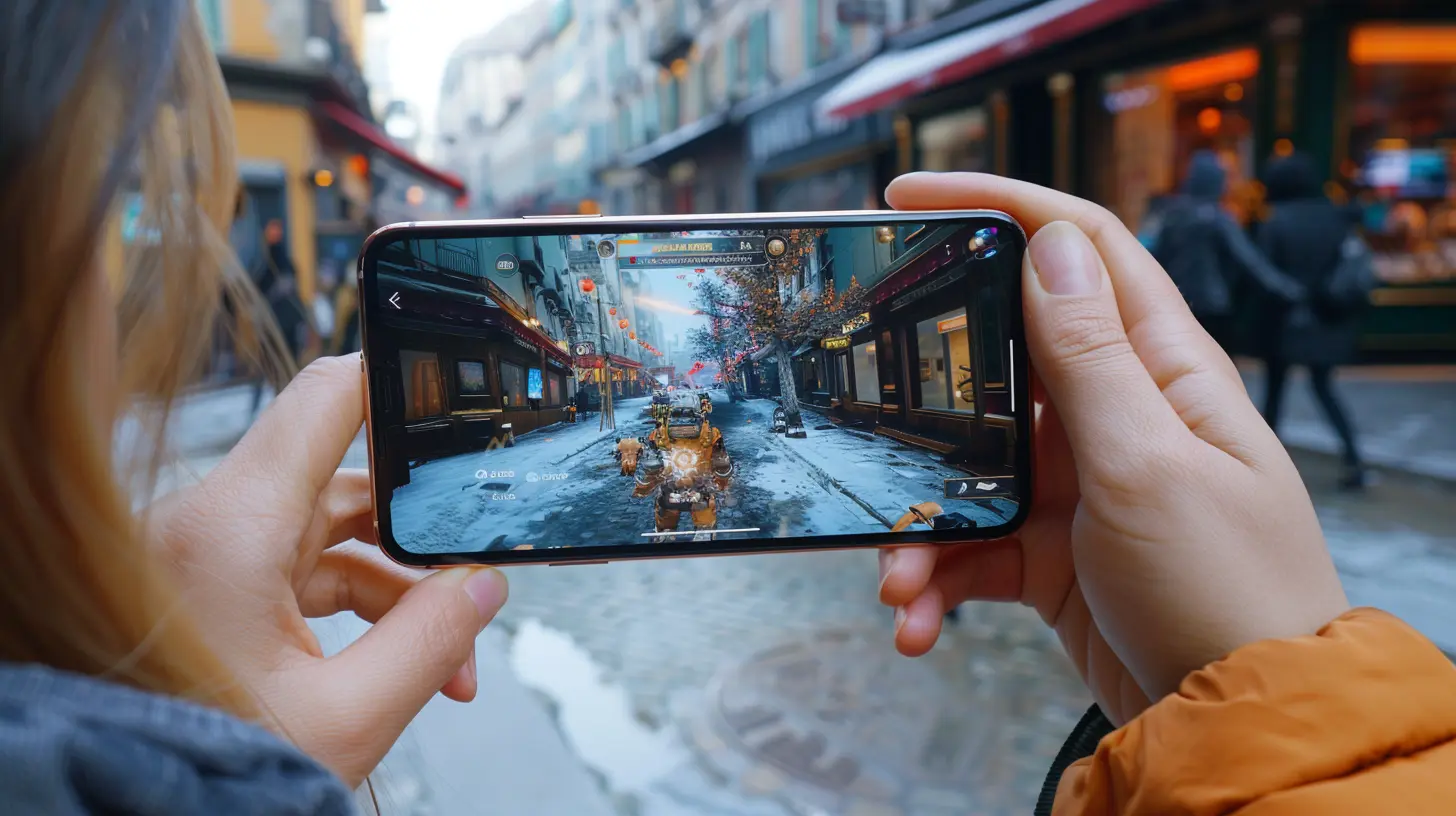
What is Augmented Reality (AR), Anyway?
Let’s break it down real quick.AR is basically a technology that layers digital elements—like images, sounds, or characters—onto the real world using your smartphone or tablet. Unlike Virtual Reality (VR), which yanks you out of the real world and into a digital one, AR blends the two. Think of it as the secret sauce that makes your living room part of a zombie survival mission.
Remember Pokémon Go? That was AR’s epic mic drop back in 2016. It walked so today’s AR games could run.
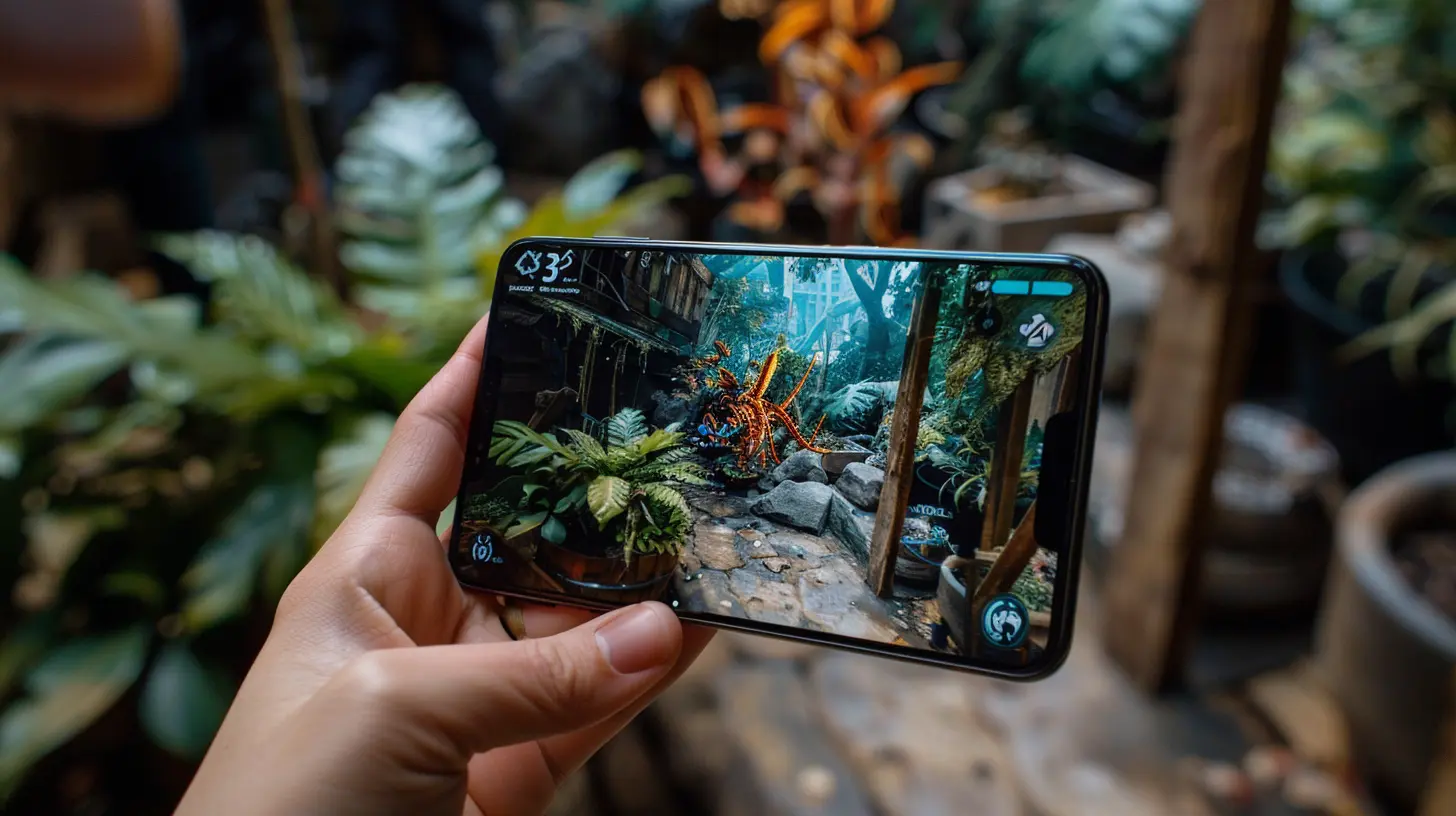
Why AR is the Perfect Fit for Mobile Games
Okay, so why is everyone suddenly obsessed with AR in mobile gaming? Because it’s interactive, immersive, and insanely engaging.1. Your World Becomes the Game Board
You’re no longer staring at a screen watching things happen—you’re in the game. Whether it's placing virtual objects in your room or navigating a fantasy map that overlays your neighborhood, AR makes you the main character.2. Better Use of Smartphones’ Abilities
Smartphones today are crazy powerful. They have GPS, cameras, motion sensors, and fast processors. AR uses all of these to deliver gameplay that’s context-aware and location-based. These aren’t just games—you’re solving puzzles at the park, racing spaceships down your street, or chasing monsters through your office (hopefully not during work hours).3. Social and Shared Experiences
AR gaming isn’t a solo affair. Many AR games encourage multiplayer experiences—your friends can join the same mission or explore the same augmented landscape as you. It's like a digital treasure hunt, but way cooler.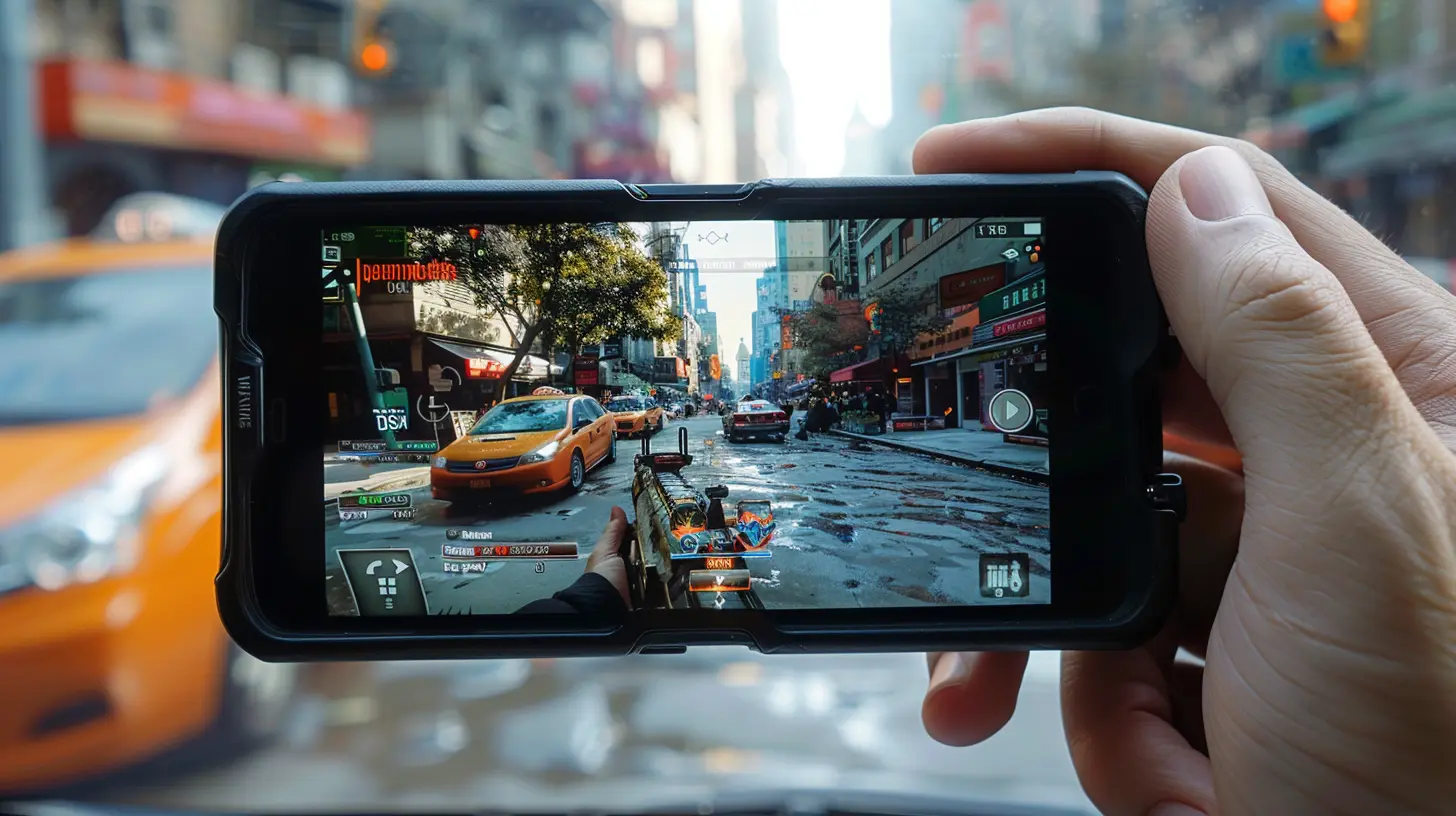
Big Names Already Betting on AR
When tech giants start throwing money at something, you know it’s serious.- Apple launched ARKit, which helps developers build rich AR experiences.
- Google has ARCore, its own version for Android devices.
- Meta (formerly Facebook) is investing heavily in AR glasses and immersive experiences.
- Niantic, the maker of Pokémon Go, is pretty much building its empire one AR game at a time.
These investments are a loud and clear message: AR is not a fad; it’s the future.
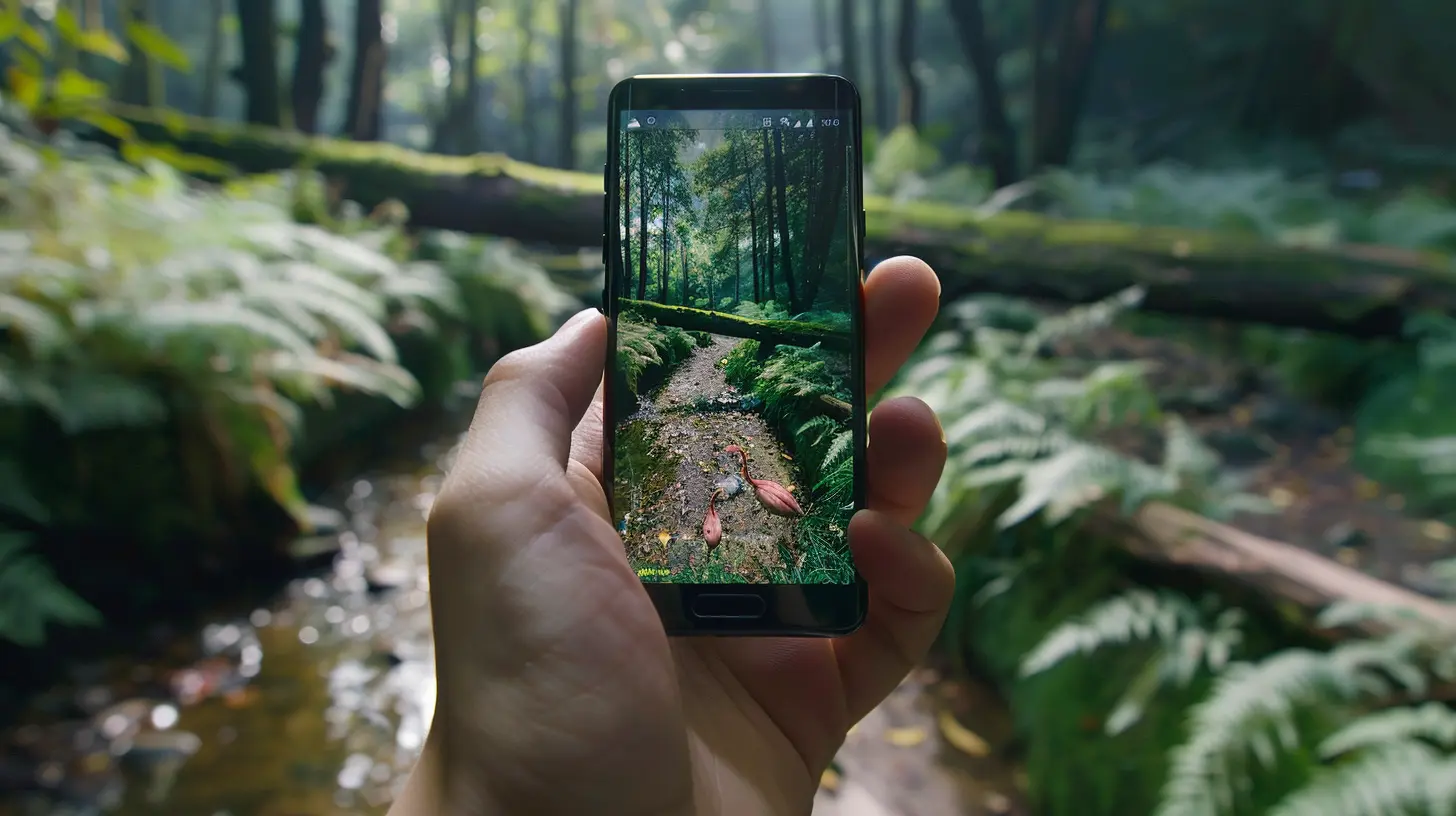
Mobile AR Gaming Already Changing the Rules
Let’s look at a few AR games that have already made their mark:Pokémon Go
This one’s the OG. With over a billion downloads, it showed the world how powerful AR can be. The combination of nostalgia, real-world exploration, and AR magic was irresistible.Harry Potter: Wizards Unite
Also by Niantic, this game brought wizardry into our neighborhoods. Cast spells, fight magical beasts, and find mystical items—right on your sidewalk. It didn’t reach Pokémon-level success, but it pushed the AR envelope further.Minecraft Earth
Although discontinued (thanks, pandemic), Minecraft Earth was a bold attempt to turn your world into a blocky, buildable canvas. You could construct in AR and then explore your creations at life-size.The Walking Dead: Our World
Zombie fans, rejoice! This AR game lets you fight off the undead in your own city. Super immersive, especially if you like a little apocalypse with your morning jog.The Magic Ingredients Behind AR Gaming
So, what actually makes AR tick in mobile games? It’s not just waving your phone around randomly.1. Real-Time Mapping
Your device uses SLAM (Simultaneous Localization and Mapping) to understand your environment in real-time. In simple terms, it maps your room or surroundings and figures out where digital stuff should go.2. GPS & Location Awareness
AR games thrive on location-based gameplay. Want to catch a rare monster? You may need to hit up a specific landmark or trek down some random street at sunset. It adds unpredictability—and that’s addictive.3. Image and Object Recognition
Point your camera at something, and the game reacts. That means custom game levels in your kitchen, or digital creatures hiding behind your couch. It’s not just fun—it’s magical.4. Multiplayer & Cloud Integration
Modern AR games connect players via cloud servers to share the same augmented experiences. So when your friend adds a tower in-game, you see it too—right in your yard. This is what makes collaborative AR games so epic.
Why This Is Just the Beginning
We’re still in the early innings of AR gaming, and things are only getting juicier from here.AR Glasses Are Coming
Imagine playing an AR game without holding your phone. That’s exactly where we’re headed. Companies like Apple, Meta, and Snap are working on AR glasses that might replace smartphones altogether for gaming experiences.Your world will literally be your game screen. Open your fridge? There’s a side quest inside. Go to the park? Boom—boss battle under the trees.
AI Meets AR
When Artificial Intelligence meets AR, games will become even smarter. Enemies that adapt to your playstyle, puzzles that change based on your surroundings, or NPCs (non-player characters) that actually remember your past decisions? That’s not a dream—it’s on the horizon.5G Will Fuel More Immersive Games
Lag ruins immersion. 5G makes sure high-speed data flows like melted butter. Fast, smooth connections mean real-time multiplayer AR games with richer graphics and cooler interactions. Multiplayer AR sword duels in your backyard? Yes, please.The Challenges (Because Nothing’s Perfect)
Before we get too starry-eyed, let’s talk about some of the hiccups.Battery Drain is Real
AR apps are power-hungry beasts. Your phone camera, GPS, CPU, and screen are all on overdrive. That battery icon drops like a rock.Hardware Limitations
Despite the flashy features, not all phones are cut out for smooth AR gaming. Older models struggle, and even newer phones can heat up during long sessions.Privacy Concerns
AR games collect location data and use your camera—there's always a creepy side to that. It’s important for developers to protect user data and for players to stay aware of what they're agreeing to.Accessibility
Not everyone can play AR games. Whether it’s due to physical limitations or geographic location (rural areas can be a dead zone for AR experiences), inclusivity is something the industry still needs to work on.
So, Should You Be Excited?
Absolutely.Mobile gaming is already bigger than PC and console gaming combined in terms of global revenue. And if AR continues to weave real-world experiences with digital excitement, we could be looking at an era where every walk outside is a new quest, every room a new level, and every friend a co-adventurer.
The fusion of real and digital worlds isn’t just cool—it’s transformative. AR in mobile games has the potential to make us more active, more social, and more connected—with our environments and each other.
So yeah, keep your phone charged and your eyes open. The next big boss battle might just be hiding behind your neighbor’s mailbox.
Final Thoughts
AR is no longer something you wait for—it’s already here, sneaking into our games, making them richer, more interactive, and dare I say, way more fun. Whether you’re a hardcore gamer or just someone who likes a good digital distraction, augmented reality is about to change the way you play, explore, and engage with the world around you.Mobile games aren’t just about swiping on a screen anymore—they’re about transforming your life into a wild, interactive experience. And honestly? I can’t wait to see where we go next.
all images in this post were generated using AI tools
Category:
Mobile GamingAuthor:

Jerry Graham
Discussion
rate this article
1 comments
Atlas Fry
Augmented reality in mobile games sounds so exciting! Imagine exploring new worlds while walking down the street. It's like a treasure hunt in real life. I can't wait to see what's next!
July 12, 2026 at 4:32 AM
Jerry Graham
Thanks! It's thrilling to think about blending gaming with real-world exploration. The potential for adventure is limitless!