Exploring the Latest Advancements in VR Headset Display Technology
9 July 2026
Virtual reality has come a long way since its inception, and if you've been keeping an eye on the world of tech, you probably know that the heart of any VR experience lies in the display. It's the part that makes or breaks the immersion. The better the display, the more realistic and convincing the virtual environment feels. And let's face it, no one wants to be stuck in a pixelated, blurry mess when they're trying to escape into a virtual world. So what’s new? Let’s dive into the latest advancements in VR headset display technology and see where the future is headed.
Why the Display Matters in VR
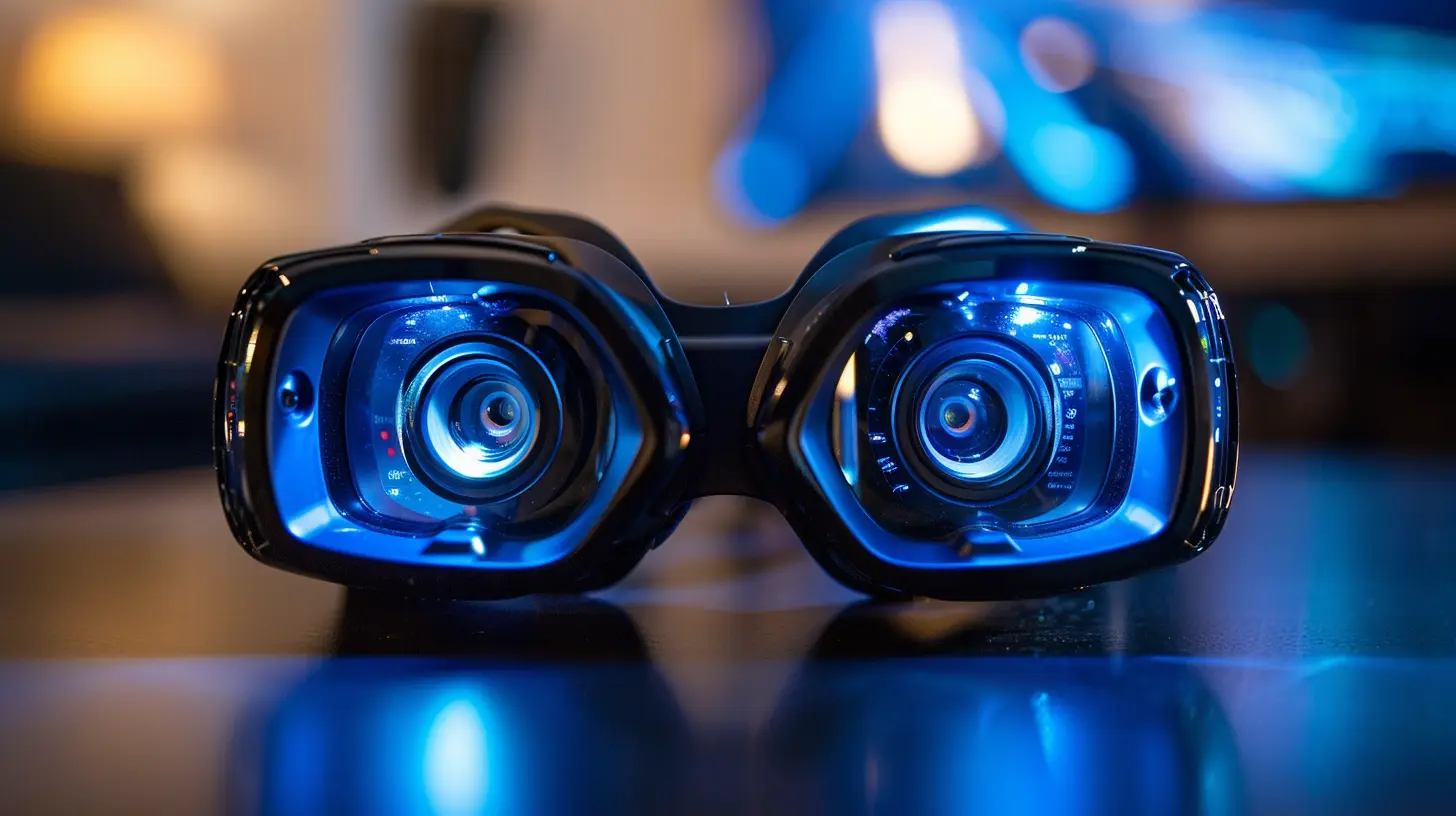
Before we get into the nitty-gritty of cutting-edge tech, let's talk about why displays are so crucial in the VR experience. Imagine trying to enjoy a high-definition movie on a low-quality screen—it just won’t work, right? The same goes for VR. The display is what tricks your brain into believing you're somewhere else entirely. If the resolution isn't sharp enough, or if there’s noticeable latency and blurring, the illusion crumbles, and all of a sudden, you're very aware that you're wearing a giant headset.In VR, the display is your window into another world. The better that window is, the more immersive the experience. So, what are the current advancements? Spoiler alert: we're talking about things like higher resolution, faster refresh rates, and even the use of OLED and MicroLED screens.
Resolution: More Pixels, Fewer Problems
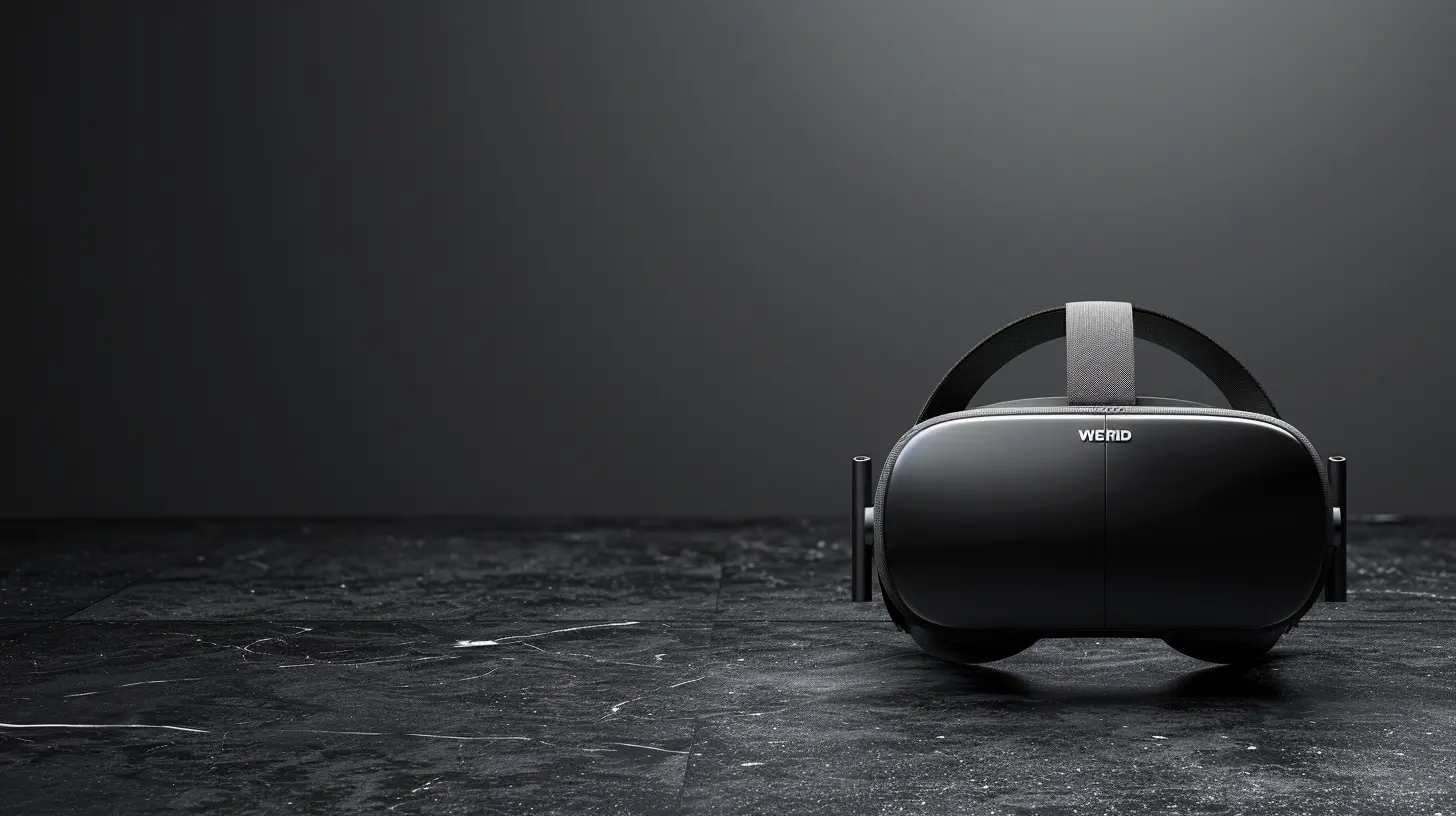
When it comes to VR, resolution is king. It’s the number of pixels crammed into the display that determines how sharp the image looks. The higher the resolution, the clearer and more detailed the virtual world becomes. In the early days of VR, we were dealing with relatively low-resolution displays, which led to something VR enthusiasts lovingly coined the "screen door effect." This effect occurs when you can see the fine lines between pixels, like you're looking through a mesh screen.Fortunately, that’s becoming a thing of the past. Today, we’re seeing headsets with resolutions as high as 4K per eye—yes, per eye! That’s a staggering amount of pixels, and it makes the virtual environments look much more lifelike. Some companies are even pushing for 8K VR headsets, which would bring us closer to achieving near-photorealistic visuals.
But hold on a second. Just slapping more pixels on the screen isn’t the whole story. You also need to consider the field of view (FOV). Higher resolution is great, but if the FOV is too narrow, you'll still feel like you're peering through a pair of binoculars. The sweet spot is balancing both—high resolution with a wide field of view. Thankfully, the latest VR headsets are getting much better at this.
Refresh Rates: Keeping Up with Your Movements
If you’ve ever experienced motion sickness while playing VR, you know how unpleasant it can be. A lot of that queasy feeling comes from low refresh rates. In simple terms, refresh rate is how fast the display can update the image per second. It’s measured in hertz (Hz), and the higher the number, the smoother the experience.The early VR headsets had refresh rates hovering around 60Hz, which was decent but not ideal. Today, the gold standard is 90Hz or even 120Hz in some cases. Why does this matter? Well, in VR, your brain expects the virtual world to react instantly to your movements. If the display lags behind, even by a fraction of a second, it can create a disconnect between what you're seeing and what your body feels. That’s where the motion sickness comes from.
Higher refresh rates mean the display can keep up with your movements, reducing motion blur and latency. In turn, this makes the experience more comfortable and immersive. Some VR headsets now even offer variable refresh rates, which adjust dynamically to ensure the smoothest possible experience, no matter what type of content you're interacting with.
OLED and MicroLED: The Future of VR Displays?
Now, let’s talk about the type of display panels being used in VR headsets. Most of the early VR devices used LCD panels, which worked, but they had limitations. For one, LCDs don’t offer the best contrast ratios, which means darker scenes in VR might look washed out or less detailed.Enter OLED (Organic Light-Emitting Diode) and MicroLED displays. These technologies are literally lighting up the VR world—pun intended. OLED panels are known for their deep blacks and vibrant colors, which add a whole new level of realism to VR environments. When you’re walking through a dark cave or looking at a starry night sky, OLED’s ability to turn off individual pixels for true blacks makes a huge difference in immersion.
MicroLED, on the other hand, is like OLED’s high-tech cousin. It offers all the benefits of OLED—deep blacks, vibrant colors—but with higher brightness and efficiency. MicroLED panels are also less prone to burn-in, a common issue with OLED displays where static images can leave a permanent mark on the screen. This makes MicroLED a strong contender for the future of VR displays, especially as the technology matures.
Foveated Rendering: Smarter, Not Harder
One of the major challenges with VR displays is that rendering high-quality visuals across the entire field of view is incredibly taxing on hardware. That’s where foveated rendering comes in. This technique takes advantage of the way our eyes work. When we look at something, only a small portion of what we see is in sharp focus—the area directly in front of our eyes, called the fovea. Everything else in our peripheral vision is much less detailed.Foveated rendering uses this to its advantage. It tracks where you're looking and only renders the highest quality visuals in that small area, while the rest of the scene is rendered at a lower resolution. This drastically reduces the computational load, allowing for much higher fidelity graphics without needing a supercomputer to power your VR headset.
Some of the latest VR headsets are already starting to incorporate eye-tracking technology, which is a key component of foveated rendering. As this tech continues to improve, we can expect more lifelike graphics without sacrificing performance.
Pancake Lenses: Making VR Headsets Sleeker
If you’ve ever worn a VR headset for an extended period, you know they can be bulky and uncomfortable. That’s largely due to the traditional lenses used in most headsets, which require a certain amount of space between the lens and the display for focusing.But now, there's a new kid on the block—pancake lenses. These lenses work by reflecting light multiple times between thin layers, allowing them to be much closer to the display. The result? A much slimmer, lighter headset that doesn’t compromise on visual clarity.
This is a game-changer for VR comfort. No more feeling like you're wearing a brick on your face after just 30 minutes of play. Pancake lenses are paving the way for more portable, comfortable VR devices that you’ll actually want to use for extended periods.
HDR (High Dynamic Range): Brightening Up VR Worlds
One of the more recent advancements in display technology is HDR, or High Dynamic Range, and it’s starting to make its way into VR headsets. HDR enhances the contrast between the darkest and brightest parts of an image, making everything look more vibrant and realistic.In VR, this means you can experience dazzlingly bright sunlight or deep shadows with much more detail and realism. HDR is especially important in VR because it helps create a more convincing sense of depth and space. When the lighting in a VR environment looks realistic, it tricks your brain into believing you're really there. And that’s the whole point of VR, isn’t it?
Reducing Latency: The Less, The Better
Latency is the enemy of a smooth VR experience. It’s the delay between your actions and what you see on the display. In the early days of VR, this was a big issue—move your head, and it felt like the virtual world needed a couple of seconds to catch up. This disconnect between action and response is a surefire way to make anyone feel nauseous.Thankfully, modern VR systems have significantly reduced latency, often to under 20 milliseconds, which is fast enough to fool the brain into thinking the virtual world is responding in real time. As display technology continues to evolve, expect even lower latency, making the VR experience more seamless than ever.
The Future of VR Displays: What’s Next?
So, what’s on the horizon for VR headset displays? Well, we’ve already got a taste of some amazing advancements, but there's plenty more to look forward to. Companies are working on technologies like holographic displays, which could completely change how we perceive virtual worlds. Imagine stepping into a VR world with visuals that look almost indistinguishable from reality. Sounds wild, right?We’re also seeing more focus on wireless VR headsets, which will make the experience even more freeing and immersive. And with the development of 5G and faster internet speeds, streaming high-quality VR content in real-time could become the norm.
Final Thoughts: A New Era for VR Displays
There’s no doubt we’re in the middle of an exciting time for VR headset display technology. Higher resolutions, faster refresh rates, OLED and MicroLED panels, foveated rendering, pancake lenses—these advancements are all coming together to create a more immersive, realistic, and comfortable VR experience.Whether you're a casual gamer, a hardcore VR enthusiast, or someone who’s just curious about what the future holds, one thing’s for sure: VR is only going to get better from here. The tech is evolving rapidly, and the displays are at the forefront of that revolution. So, the next time you slip on a VR headset, take a moment to appreciate just how far we've come—and how much further we can go.
all images in this post were generated using AI tools
Category:
Vr HeadsetsAuthor:

Jerry Graham
Discussion
rate this article
1 comments
Cynthia Johnson
Exciting times for VR! Can't wait to see these innovations in action.
July 9, 2026 at 4:07 AM
Jerry Graham
Thanks! The future of VR is definitely looking bright. Exciting innovations are on the way!