How Game Engines Are Pushing Mobile Graphics to New Heights
29 June 2026
Let’s face it—mobile games aren't what they used to be. Remember when "Snake" on your Nokia was the height of gaming convenience? Fast forward a couple of decades, and now we’ve got games that look like they belong on a high-powered console, right in the palm of our hand. But how is this even possible when our phones are still, well, phones?
Spoiler alert: it’s all about the game engines.
Game engines are doing some serious heavy lifting behind the scenes. They’re the secret sauce making today’s mobile games look stunning while still running smoothly on devices that fit into our skinny jeans. So, let’s take a deep dive into how game engines are pushing mobile graphics to new heights—and why this tech revolution is just getting started.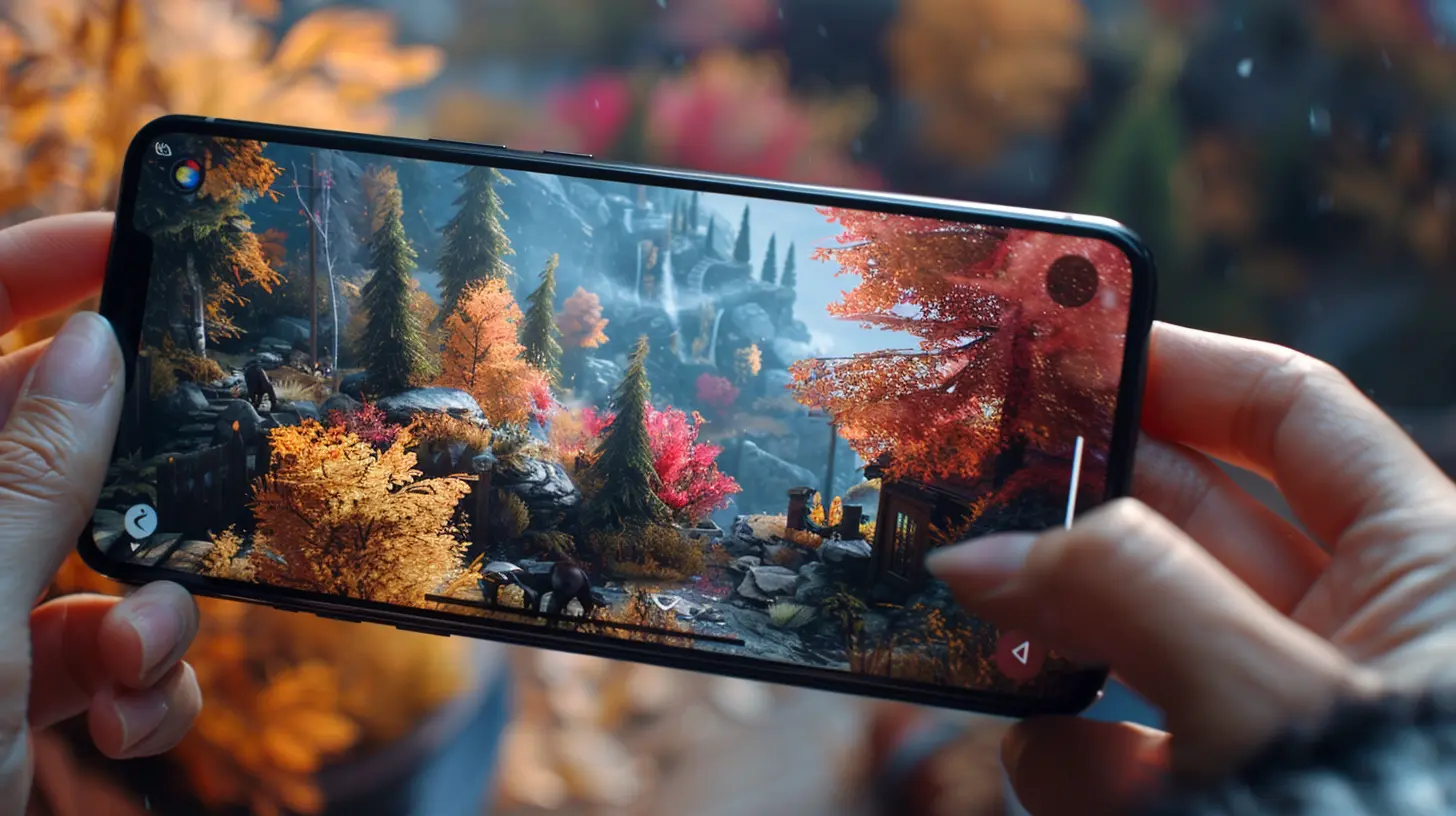
What Exactly Is a Game Engine?
Before we dive into the flashy stuff, let’s clear up what a game engine actually is.Think of a game engine as the backbone of a video game. It’s a software framework that developers use to build games. It handles everything from rendering graphics, simulating physics, processing input, and managing audio. Basically, instead of coding every little element from scratch, developers use a game engine so they can focus more on gameplay and story—and less on reinventing the wheel.
In other words, game engines are to video games what engines are to cars—except instead of horsepower, it’s all about polygons, shaders, and frame rates.
A Brief Look Back: Mobile Gaming Then vs. Now
Remember "Angry Birds"? It was addictive, sure. But graphically? Let’s be honest—it was pretty basic. Fast forward to today, and we've got games like "Call of Duty Mobile," "Genshin Impact," and "PUBG Mobile" delivering console-like experiences. These aren't just casual time killers anymore. They’re graphically intense, immersive experiences often packed into gigabyte-sized downloads.And this isn’t happening by magic. Game engines like Unity, Unreal Engine, and custom-built engines from big-name studios are cranking up the graphical fidelity without pushing devices to the brink.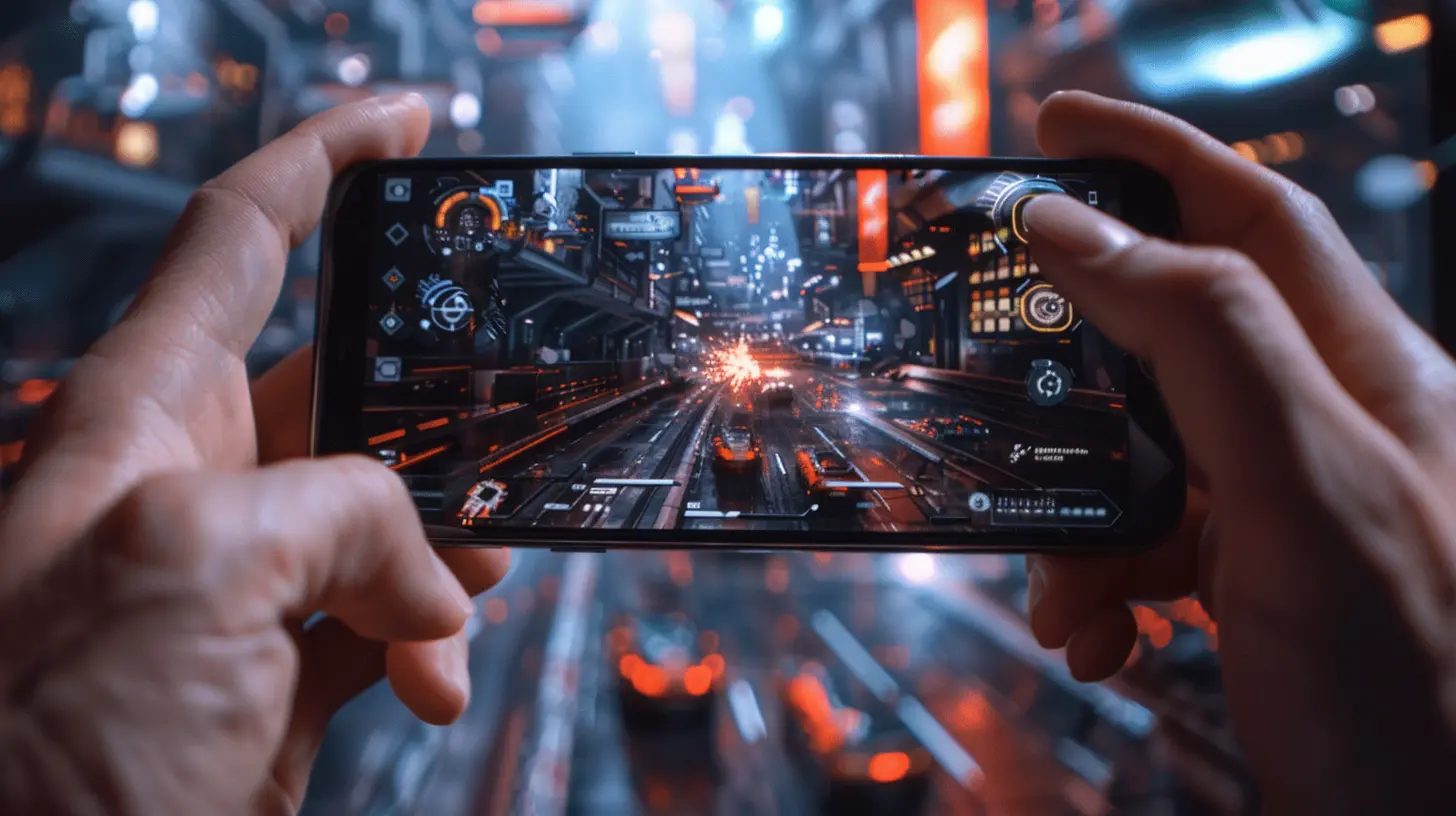
How Game Engines Are Raising the Bar for Mobile Graphics
Let’s break down the key ways game engines are turning mobile games into visual masterpieces:1. Real-Time Rendering Is Getting Seriously Advanced
One major game-changer is how engines handle rendering—the process of generating images from 3D models. Today’s engines are using advanced techniques like real-time lighting, dynamic shadows, and high-dynamic-range (HDR) effects. These features make mobile environments look alive, with realistic reflections, weather effects, and even subtle things like ambient occlusion (that soft shadow where objects meet).Take Unreal Engine, for example—its mobile version lets developers bring console-quality visuals to handheld devices. It supports real-time global illumination and high-fidelity shaders, which used to be a desktop-only luxury.
What this means for the player? You get to stroll through beautifully lit forests, rain-soaked cityscapes, and glowing sci-fi worlds—without your phone melting in your hands.
2. Level of Detail (LOD) Systems Are Smarter Than Ever
Ever notice how objects in the distance look less detailed in games? That’s not a glitch—it’s a smart optimization technique called Level of Detail (LOD). Game engines dynamically scale down the complexity of far-off objects so your device doesn’t waste precious resources rendering every single blade of grass three football fields away.Modern engines are getting better at this trick, using machine learning and algorithm-based rendering techniques to maintain visual fidelity while keeping performance buttery smooth.
3. Texture Streaming Keeps It Light and Fast
High-res textures are essential for realistic visuals, but they also eat up a ton of memory and processing power. Game engines now use something known as “texture streaming,” which loads only the textures needed at any given moment. It’s like having a personal assistant who brings out only the tools you need for the task at hand.This allows developers to use ultra-detailed textures without bloating file sizes or causing lag. The result? Amazing detail where it matters, without sacrificing speed or smoothness.
4. Animation Systems Are Getting Hyper-Realistic
Ever played a game and thought, “Wow, that character moves just like a real person”? That’s not just good design—it’s powerful animation systems at work.Game engines support motion capture data, IK (inverse kinematics), and procedural animation that can make characters feel lifelike. Even facial expressions and lip-syncing are getting more accurate, using less processing power than you’d expect.
And yes, mobile engines are getting in on this too. With today’s tools, developers can add a cinematic feel without turning your phone into a space heater.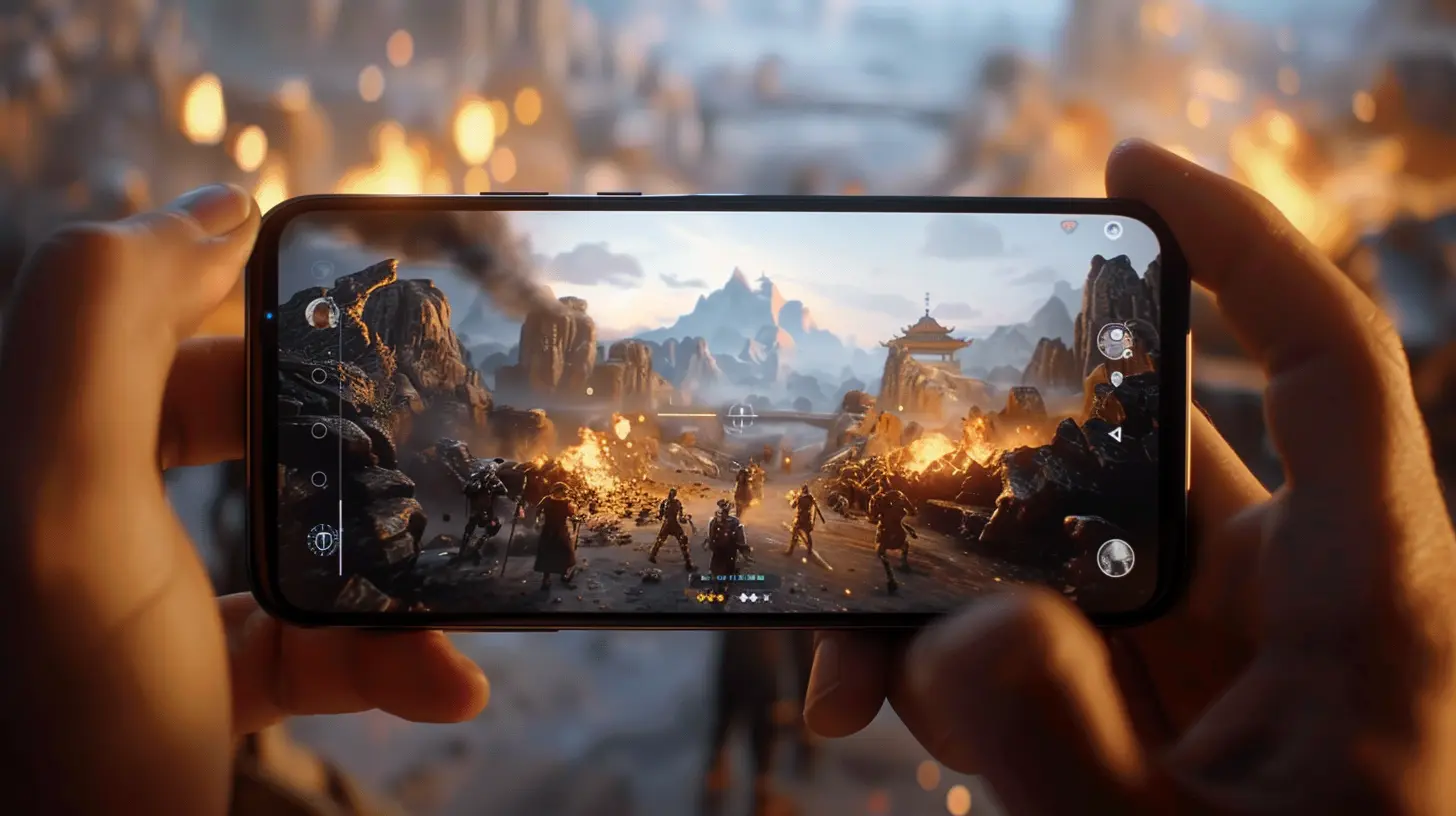
Mobile Hardware Is Catching Up, But It’s the Engine That Matters
Let’s give credit where it’s due. Mobile hardware has come a long way—from single-core processors to octa-core beasts, and from grainy displays to retina-stunning OLED screens. But raw hardware isn’t enough. You can have the sharpest screen and the fastest CPU, but without optimized software, it’s like having a Ferrari without an engine.This is where modern game engines shine. They maximize what the hardware can do, squeezing every last drop of performance and visual goodness. They’re the bridge between silicon and stunning visuals.
Cross-Platform Development: One Engine, Multiple Platforms
Another cool thing about modern game engines? They support cross-platform development like pros.Developers can create a game once and deploy it across Android, iOS, and even consoles or PCs. This not only saves time but ensures consistency in the visual experience. Engines like Unity and Unreal Engine have plug-and-play modules, asset stores, and libraries that make it easier than ever to craft beautiful games across a wide range of devices.
Plus, this encourages indie developers to push the envelope since the barrier to entry is lower than ever.
The Rise of Cloud Integration & Streaming Tech
We can't ignore how cloud gaming is starting to mesh with game engines. Some engines are being optimized for cloud streaming platforms, meaning that the heavy computation happens remotely while your phone just handles the display and input.This is still developing, but imagine this: playing a visually stunning game that would normally require a console, but you're doing it smoothly on a mid-range smartphone. That’s the promise of cloud-integrated game engines, and the future looks exciting.
AI Is Now a Developer’s Best Friend
Game engines are tapping into AI not just for gameplay but also for optimizing graphics. AI helps in automating lighting setups, generating realistic textures, and tweaking shader effects in real-time based on device capability.This means developers don’t have to manually fine-tune everything for every device model—AI does the heavy lifting. The result? More detailed visuals, less manual labor, and wider device compatibility.
Developer Tools & Visual Scripting: Anyone Can Make Beautiful Games
Here's where things get even more interesting. Game engines now come with visual scripting tools that let creatives who don’t know how to code build complex game mechanics and dazzling effects.This democratization of game development means there’s more diversity in visual style and innovation. Just because you’re not a professional game studio doesn’t mean you can’t create something stunning. All thanks to modern engines doing the complicated stuff under the hood.
Are We Near "Console-Level" Mobile Games?
Honestly, we're already there in some aspects. Games like “Alien: Isolation” and “Genshin Impact” run beautifully on high-end mobile devices. But even mid-range phones can now handle games with shadow mapping, particle effects, and HD textures.We’re at a point where the lines between mobile and console gaming are blurring fast. The big difference? Portability. Your smartphone now offers breathtaking graphics, in your pocket, anytime and anywhere. That’s wild.
So, What’s Next?
Tech never stands still. Game engines will continue evolving, of course. We’re already seeing more GPU optimization, better use of machine learning, and even neural rendering that mimics how the human brain constructs visual information.Expect to see ray tracing on mobile within the next few years, along with more interactive environments, seamless AR integration, and maybe even full-scale open-world games that can run on devices lighter than your morning latte.
Final Thoughts
Game engines are the unsung heroes behind your favorite mobile games. They're the code-driven artists making sure every explosion, forest, and muscle twitch looks as realistic as possible—without frying your phone’s battery.As mobile tech keeps improving, game engines are leading the charge, pushing boundaries, breaking rules, and redefining what’s possible.
So, the next time you’re basking in the glow of a stunning sunset in a mobile game, just remember: behind that moment is a complex, beautiful dance of code and creativity.
And it’s only getting better.
all images in this post were generated using AI tools
Category:
Mobile GamingAuthor:

Jerry Graham
Discussion
rate this article
1 comments
Wendy Hines
It's exciting to see how game engines are revolutionizing mobile graphics. These advancements not only enhance gaming experiences but also open new creative possibilities for developers. The future of mobile gaming looks brighter than ever... let's embrace it!
July 18, 2026 at 2:45 AM
Jerry Graham
Absolutely! The advancements in game engines are truly transforming mobile graphics. It's an exciting time for both gamers and developers alike.