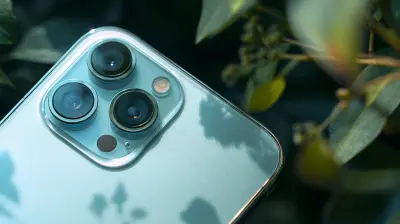
How Smartphones Will Blend with Wearables by 2026
15 September 2026
The convergence of smartphones and wearables is an ongoing trend that is shaping the way we interact with technology. As we look toward 2026, we can expect significant advancements in this space, driven by improvements in connectivity, artificial intelligence, and user experience design. This article delves into how these two categories will blend, the implications for consumers and businesses, and what to consider as this evolution unfolds.
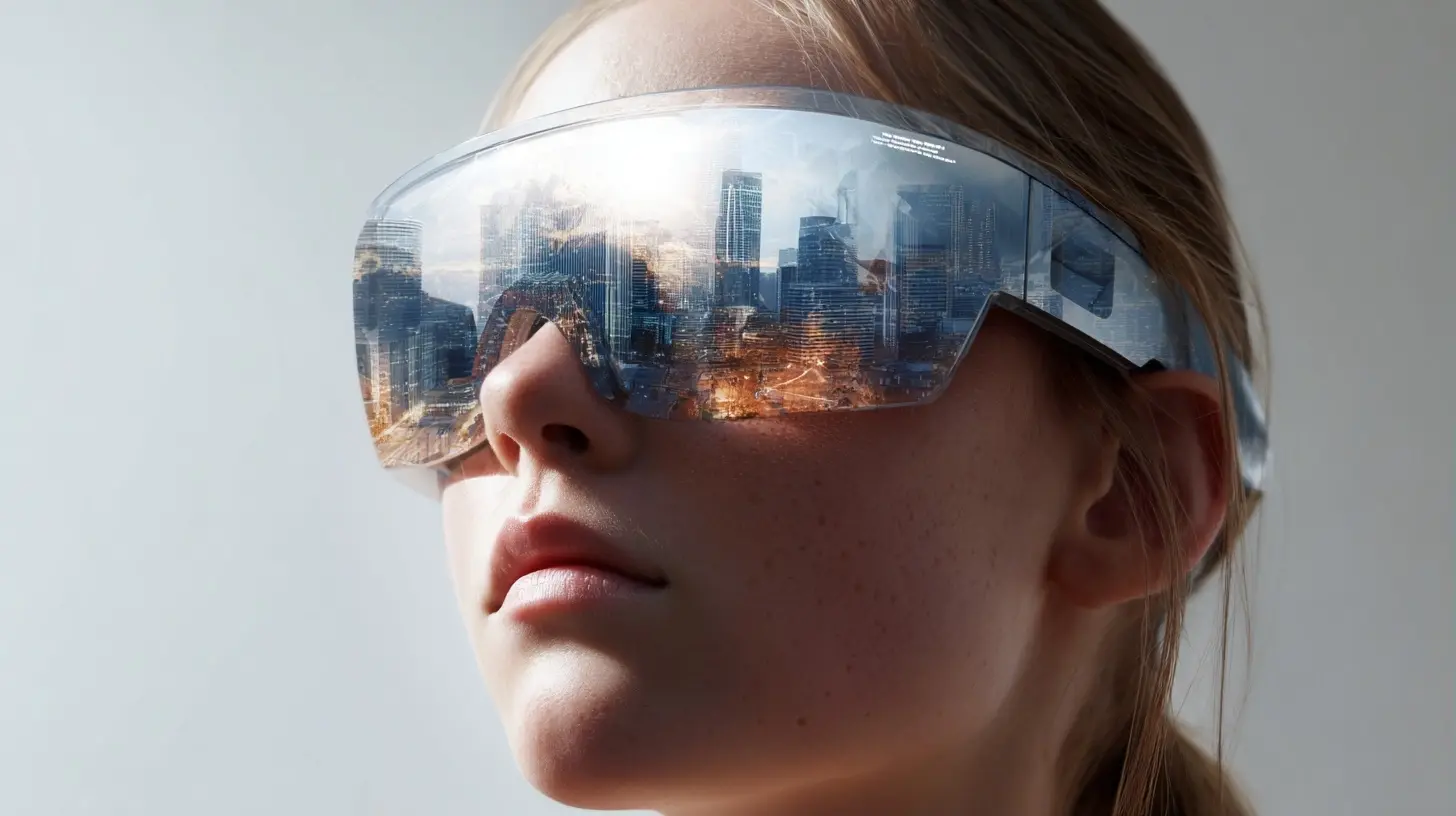
The Current Landscape of Smartphones and Wearables
Understanding the Devices
Smartphones are multifunctional devices that serve as communication tools, personal assistants, and entertainment hubs. Wearables, on the other hand, include smartwatches, fitness trackers, augmented reality glasses, and more. While smartphones have dominated the market for years, wearables are gaining traction, especially in health and fitness tracking.The Growth of Wearables
According to industry reports, the wearables market has seen exponential growth over the past few years. The adoption of devices like smartwatches and fitness bands has surged, driven by consumer interest in health monitoring and convenience. By 2026, wearables are expected to integrate even more seamlessly with smartphones, providing users with a more cohesive experience.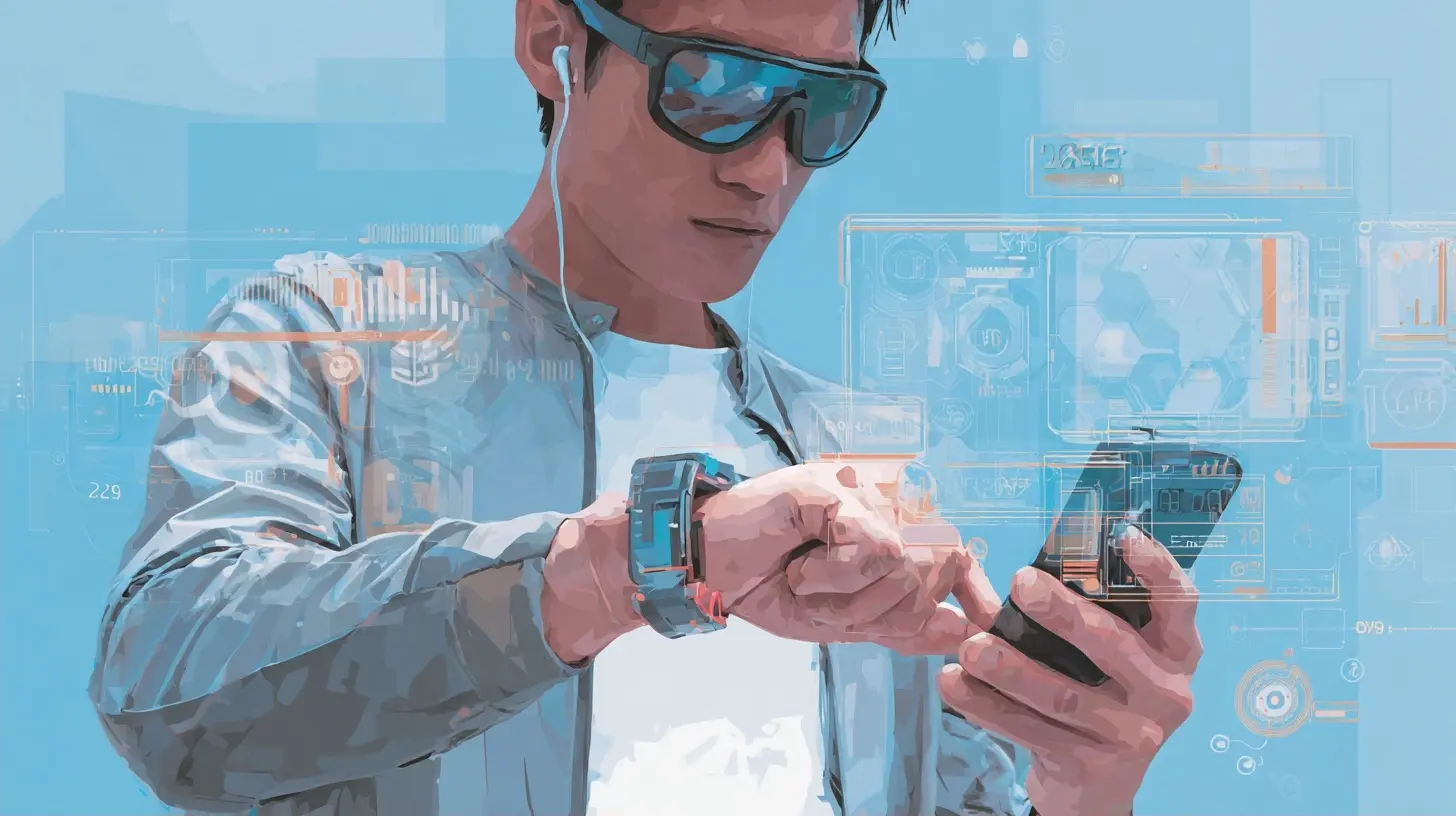
Key Technologies Driving Integration
5G Connectivity
5G technology is a game changer for both smartphones and wearables. With faster data transfer rates and lower latency, devices can communicate more effectively. This means real-time health monitoring and instant notifications will become the norm. For example, a wearable could alert a user about irregular heartbeats while providing detailed analytics on their smartphone.Artificial Intelligence
AI is another critical component of this integration. As wearables become smarter, they will rely heavily on AI algorithms to analyze data and provide insights. For instance, a smartwatch could learn a user's habits and suggest workouts or dietary changes based on their unique health profile. This level of personalization enhances user engagement and satisfaction.Improved Battery Life and Energy Efficiency
As wearables become more advanced, manufacturers are also focusing on battery life and energy efficiency. Innovations in battery technology will allow wearables to operate longer without frequent charging, making them more appealing to users. By 2026, we can expect wearables that can last days or even weeks on a single charge, further reducing the divide between these devices and smartphones.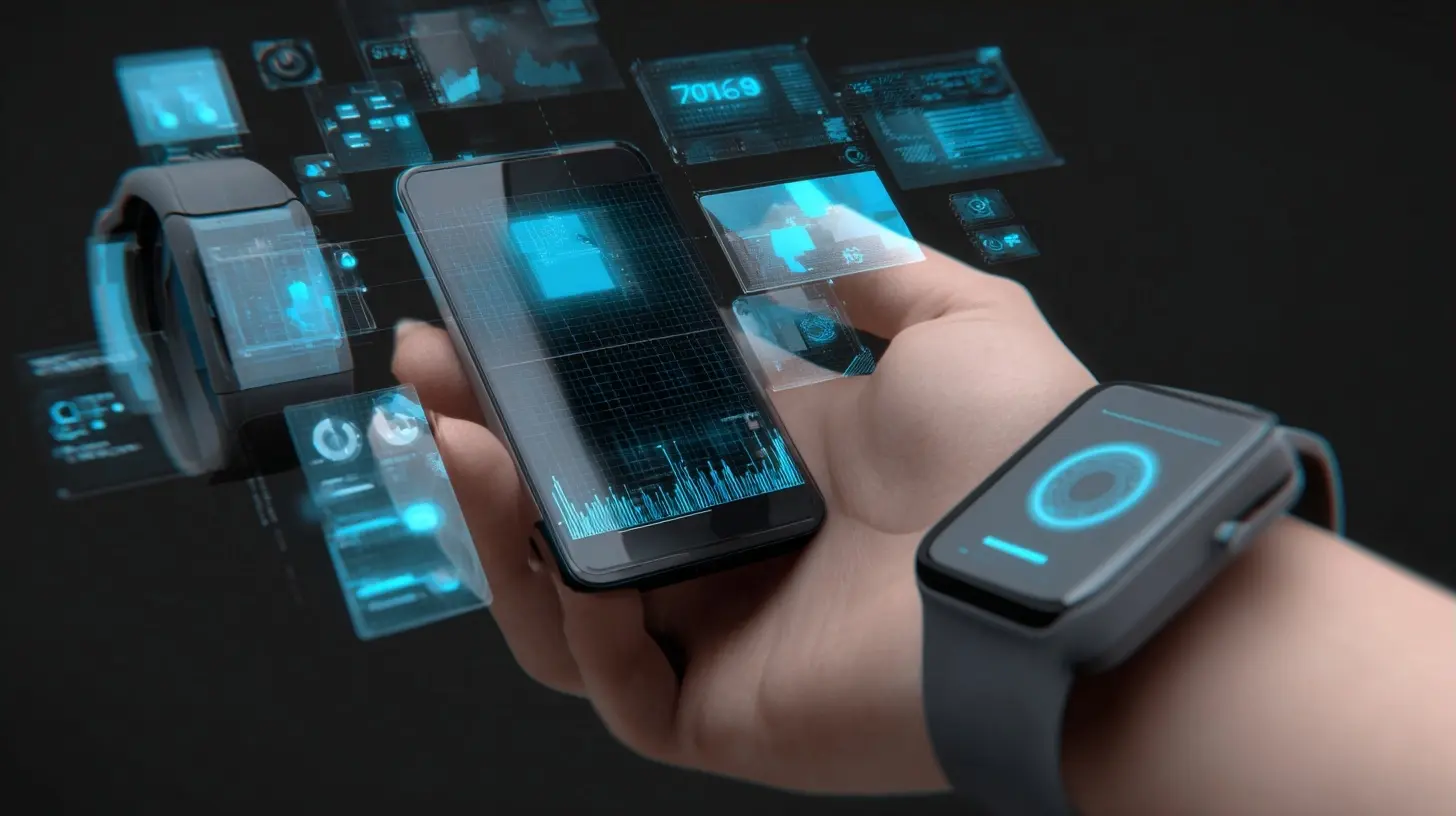
The User Experience: A Seamless Blend
Unified Interfaces
The user interface of wearables is evolving. Instead of being standalone devices, wearables will increasingly function as extensions of smartphones. For example, notifications received on a smartphone will be displayed on a smartwatch, allowing users to respond quickly without reaching for their phones. This integration will lead to a more cohesive user experience.Cross-Device Functionality
Imagine a scenario where a user starts a workout on their smartwatch, which syncs with their smartphone to provide a detailed analysis of performance metrics post-exercise. This cross-device functionality not only enhances user experience but also encourages users to engage with both devices more frequently.Health and Fitness Applications
The health and fitness sector will see the most significant benefits from this integration. Wearables will track metrics like heart rate, sleep patterns, and activity levels, sending this data to smartphones for deeper analysis. Users will be able to visualize trends over time, making it easier to set and achieve fitness goals.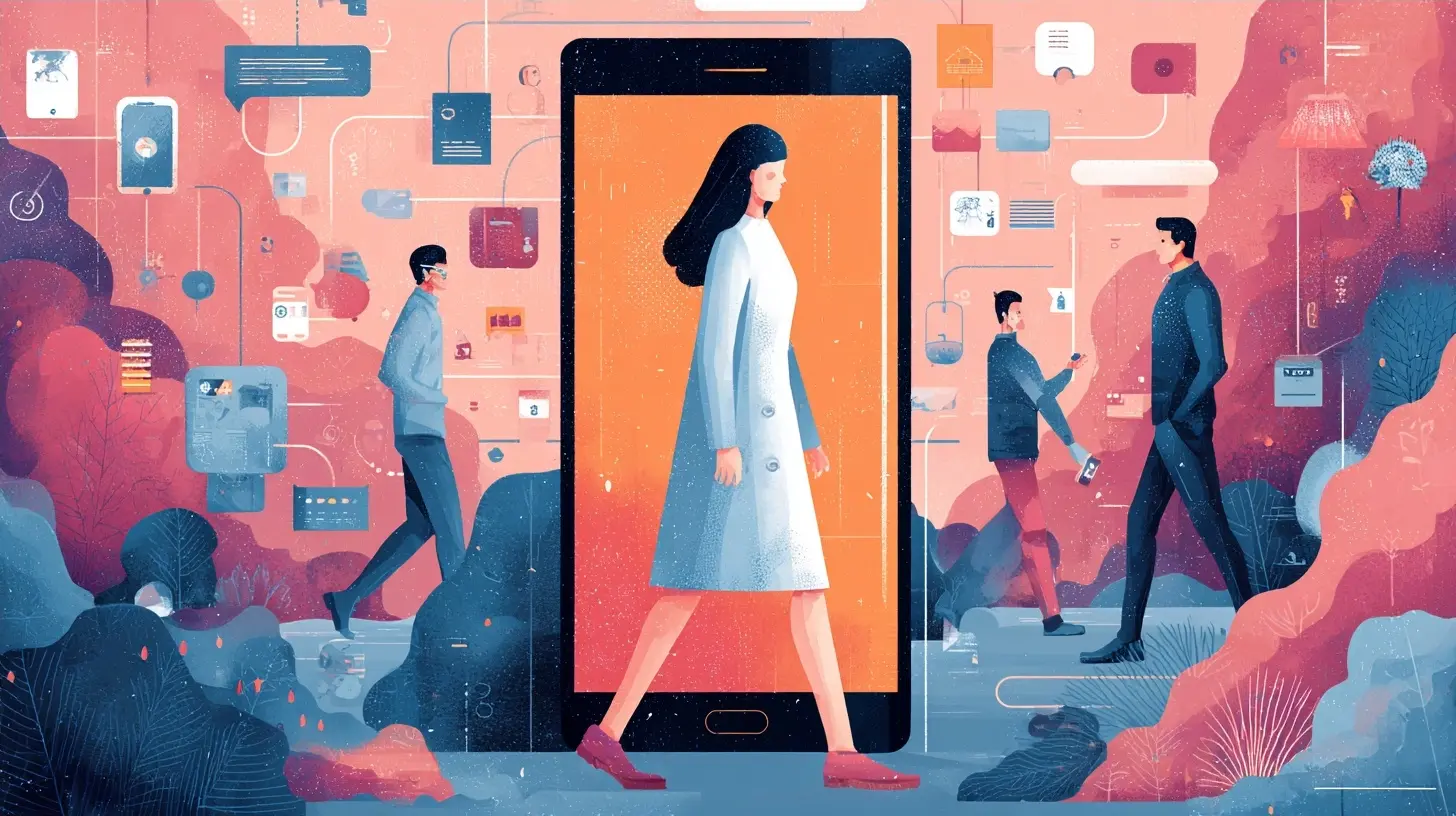
Real-World Examples of Integration
Apple Ecosystem
Apple is one of the leading companies in the integration of smartphones and wearables. The Apple Watch, for instance, works seamlessly with the iPhone, allowing users to manage calls, messages, and health data effortlessly. The Health app on the iPhone aggregates data from the Apple Watch, providing users with a comprehensive view of their health metrics.Google and Fitbit
Google's acquisition of Fitbit has accelerated the integration of wearables and smartphones. With Google Fit, users can sync their Fitbit data with their Android devices, creating a unified health tracking experience. This merger showcases how tech giants are prioritizing the blending of these two device categories.Challenges and Considerations
Privacy Concerns
As smartphones and wearables become more intertwined, privacy concerns will grow. Users must be educated about how their data is collected, stored, and used. Manufacturers should prioritize transparency and security to build trust with consumers.Battery and Performance Trade-offs
While advancements in battery technology are promising, there is always a trade-off between performance and battery life. Users may find that more features and functionalities can drain battery life faster. It's essential for manufacturers to strike a balance between providing advanced features and ensuring long-lasting battery performance.User Adaptation
Not all users will adapt to the blending of smartphones and wearables at the same pace. Some may find the transition overwhelming or unnecessary. It's crucial for companies to offer clear guidance and support to help users maximize the benefits of their devices.
Best Practices for Consumers
Assess Your Needs
Before investing in wearables, consumers should assess their specific needs. Are you primarily interested in fitness tracking, or do you want a device that integrates with your smartphone for notifications and calls? Understanding your priorities will help you make an informed decision.Stay Informed About Updates
As technology evolves, manufacturers will release software updates that enhance functionality and security. Staying informed about these updates ensures that users can take full advantage of new features and maintain device security.Experiment with Compatibility
When choosing wearables, consider compatibility with your existing smartphone. Some devices work better within specific ecosystems, like Apple or Android. Ensuring compatibility can enhance the overall experience and reduce frustration.Future Trends to Watch
Augmented Reality
As augmented reality (AR) technology matures, wearables like AR glasses will likely become more prevalent. These devices could interact with smartphones to provide real-time information overlays, enhancing everything from navigation to social interactions.Smart Clothing
The future may also see the rise of smart clothing that monitors health metrics. These garments could sync with smartphones to provide a comprehensive view of a user's health, pushing the boundaries of what wearables can achieve.Enhanced Communication
Wearables could evolve to include more sophisticated communication features. Imagine being able to take calls directly from your smartwatch or even receive video calls on AR glasses. This level of integration could redefine how we communicate on a daily basis.
Conclusion
By 2026, the blending of smartphones and wearables will redefine our relationship with technology. As these devices become more integrated, users will enjoy a more seamless and personalized experience. However, it is essential to remain aware of the challenges and considerations that come with this evolution. By understanding the landscape and staying informed, consumers can make the most of these advancements.
all images in this post were generated using AI tools
Category:
Smartphone TipsAuthor:

Jerry Graham
Discussion
rate this article
1 comments
Emmett McQuillen
Smartwatches will finally stop stealing my phone's spotlight!
October 9, 2026 at 3:24 AM