How VR Headsets Are Changing the Future of Real Estate Marketing
2 June 2026
Imagine shopping for a new home without leaving the comfort of your couch. Sounds too futuristic? Well, welcome to the present! Virtual Reality (VR) headsets are flipping the script on how real estate marketing works. Instead of driving from one property to another, clients can now take a full-blown home tour using a VR headset. It’s immersive, it’s convenient, and it’s changing the entire game.
In this article, we’ll dive into how VR headsets are transforming real estate marketing, why it matters, who benefits, and what the future might look like. So, strap on your (virtual) seatbelt, because this is going to be an exciting ride into tomorrow’s real estate scene.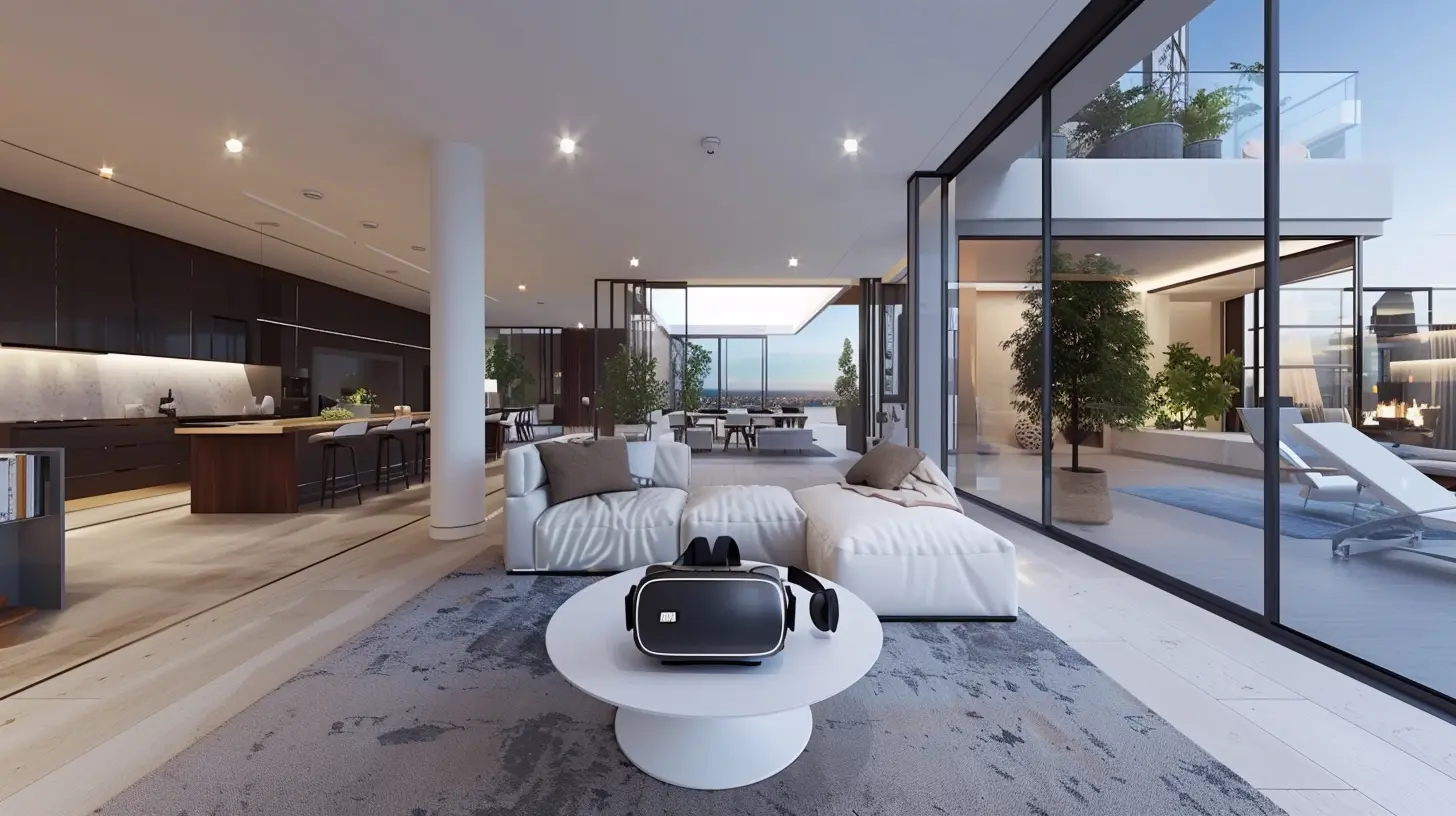
What Is VR in Real Estate Anyway?
Alright, let’s start by breaking it down. VR—or Virtual Reality—is a technology that lets people experience 3D environments as if they were actually there. Pop on a VR headset, and boom—you’re standing inside a luxury apartment in downtown Manhattan or a beachfront villa in Malibu.Now, when we apply that to real estate, we get something truly powerful. Potential buyers or renters can explore properties virtually. Not a plain old slideshow—an actual walk-through that reacts as you turn your head and move around. It’s the full experience, minus the travel.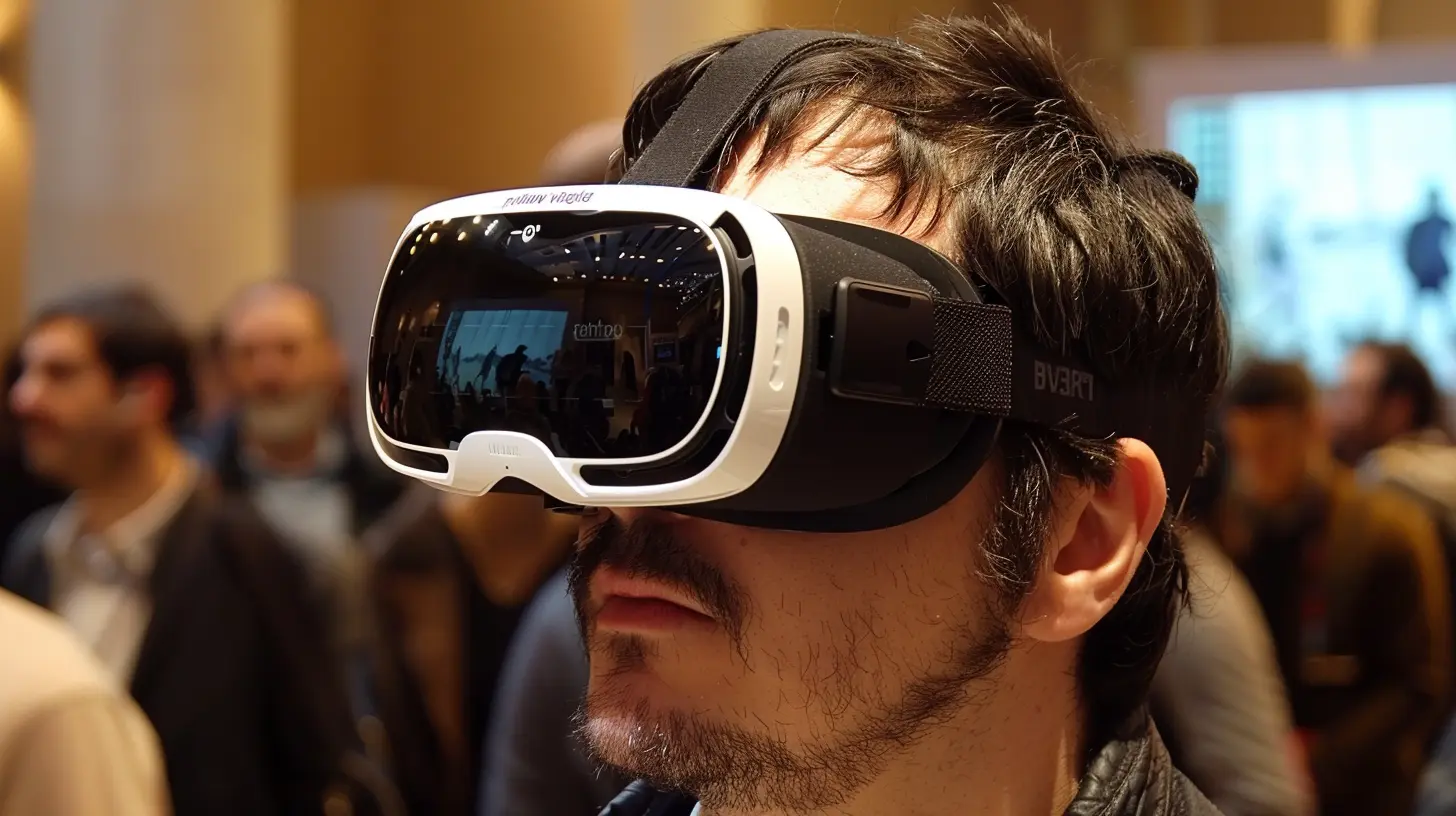
Why VR Headsets Are a Game-Changer for Real Estate Marketing
You might be thinking, “Okay, this sounds cool and all, but how does this actually help with selling properties?” Fair question. Here are a few game-changing advantages:1. Convenience for Everyone
Let’s be real—house hunting can be exhausting. Between traffic, scheduling appointments, and trying to remember what you saw where… it’s chaotic. VR cuts through all that noise. Buyers can tour multiple homes in one afternoon without stepping outside. Sellers and agents save time by showcasing homes 24/7 virtually. It’s a win-win.2. Wider Reach for Agents
Selling a property to an international buyer? No problem. With VR, agents can market homes globally without the buyer ever hopping on a plane. Suddenly, your client in Tokyo can "visit" a penthouse in New York in seconds. That’s the kind of exposure traditional marketing just can’t provide.3. More Engaging Than Photos or Videos
We’ve all seen “Instagram vs. Reality” type of posts, right? Photos can be misleading and videos are too passive. VR gives users control. Want to inspect the kitchen closet or check out the backyard? Go right ahead. It’s interactive and engaging, which keeps potential buyers interested for longer.4. Faster Decision-Making
When buyers can get a real feel for a property—even virtually—they tend to make decisions faster. It reduces uncertainty. Instead of visiting ten homes, they might shortlist two or three based on their VR experience, making the whole process more efficient.
The Different Types of VR Experiences in Real Estate
Not all VR experiences are the same, and that’s where it gets really interesting. There are a few different types of virtual tours agents can offer:1. Guided Virtual Tours
Think of this as the Netflix version of a home tour. It’s pre-recorded and walks the viewer through the space with narration or music. It’s a good entry-level VR option and doesn’t require a headset—viewers can even use their smartphone with a simple VR viewer.2. Interactive VR Tours
This is where things get fancy. With an interactive VR tour, viewers can move at their own pace. Want to jump from the kitchen to the bedroom? Sure. Want to stare at the sunset view from the balcony for twenty minutes? Go ahead. These tours are powered by high-tech 3D scanners and offer a more personalized experience.3. Architectural Visualization
For properties that haven’t been built yet, VR lets buyers explore the future. These virtual environments are designed from blueprints and allow potential buyers to "walk through" the home before a single brick is laid. Super helpful for off-plan sales!
Benefits for Everyone Involved
The beauty of VR in real estate is that it doesn't just help one group—it uplifts the entire ecosystem. Let’s take a closer look.For Buyers
- Save Time: Tour 10 homes in 30 minutes.- Avoid Stress: No need to rush from one appointment to the next.
- Better Decision-Making: Visualize your life in the space easily.
For Sellers
- 24/7 Showings: Your property is always open for tours.- First Impressions Count: VR tours create a "wow" factor.
- Higher Engagement: More interested buyers = faster sales.
For Real Estate Agents
- Efficiency: Focus only on serious buyers.- Competitive Edge: Stand out in a crowded market.
- Global Reach: Attract international investors with ease.
Challenges That Come With VR Adoption
Of course, no tech solution is without its hiccups. VR has some challenges in the real estate space that can’t be ignored:1. Cost of Equipment and Production
High-quality VR tours aren’t cheap. Cameras, editing software, and VR headsets come with a price. Not every small agency or independent agent can afford this upfront investment.2. Learning Curve
Let’s face it—VR isn’t intuitive for everyone. Especially older clients who might not be tech-savvy. It requires some hand-holding or at least proper instructions to get started.3. Limited Physical Feel
While you can “see” everything, you can’t touch it. You won’t know how soft that carpet is or how the wood floors feel underfoot. So, VR often acts as a first step, not a complete replacement for in-person visits.Real-World Success Stories
Don’t just take my word for it. Some of the biggest names in real estate are already embracing VR with open arms.Zillow
Zillow has introduced 3D Home Tours, allowing buyers to explore listings in a much more interactive way. Agents love it because it highlights space and layout better than static images.Sotheby’s International Realty
They’ve been using VR for ultra-luxury listings, giving remote buyers a private tour of multimillion-dollar homes worldwide. It’s elegant, immersive, and very on-brand for high-end real estate.Redfin
Redfin offers a "Redfin 3D Walkthrough" that shows a property in a way traditional photos simply can’t. It helps buyers get a real sense of layout and flow.What Does the Future Hold?
If you're wondering whether VR in real estate is just a passing trend, think again. The technology is only going to get better—and cheaper.We’re talking about:
- Lighter, More Affordable Headsets: Making it accessible for everyday users.
- AI Integration: Imagine a virtual assistant guiding you through the tour.
- Haptic Feedback: Technology that could let you "feel" surfaces in VR (yes, that’s a thing being developed).
- Metaverse Real Estate: Yep, even virtual homes in digital worlds are being bought and sold.
We’re heading toward a future where buying a home could be as easy—and as immersive—as playing your favorite video game.
So, Should Real Estate Agents Jump on the VR Bandwagon?
Short answer: absolutely. Long answer: STILL absolutely.Here’s the thing—homebuyers today are tech-savvy. They’re used to doing things online, whether it's shopping for clothes, ordering food, or booking vacations. Homebuying is just the next piece of the puzzle.
Agents who embrace VR now are positioning themselves as forward-thinkers. Even if not every client uses it today, more and more will expect it tomorrow. It's all about laying the foundation for the future.
Key Takeaways
Let’s wrap things up with a quick recap:- VR headsets are revolutionizing real estate by making property tours more immersive and accessible.
- They save time, widen market reach, and make listings more engaging.
- Challenges like cost and tech-savviness still exist, but they’re manageable.
- Major companies like Zillow and Redfin are already on board.
- The future is bright—and probably virtual.
So, whether you’re an agent, buyer, or seller, it’s time to consider how VR can elevate your real estate journey. The future is literally right in front of your eyes—all you have to do is put on the headset.
all images in this post were generated using AI tools
Category:
Vr HeadsetsAuthor:

Jerry Graham
Discussion
rate this article
1 comments
Jessamine McGillivray
This article offers great insights into how VR is transforming real estate marketing. It's exciting to see technology making property tours more immersive and accessible for everyone.
June 6, 2026 at 3:45 AM
Jerry Graham
Thank you for your feedback! I agree, VR is truly revolutionizing how we experience properties. Its impact on accessibility and engagement is exciting to witness.