What Foldable Phones Mean for the Future of Mobile
9 August 2026
Foldable phones have moved from prototype curiosities to mainstream contenders faster than most people expected. What started as a niche experiment in 2019 has become a legitimate product category with multiple generations of hardware, refined software, and a growing base of loyal users. But the real story is not about the hinges or the screens. It is about what this form factor unlocks for the way we work, create, and consume content on the go.
For years, the smartphone industry was stuck in a loop. Screens got bigger, bezels got thinner, and cameras got more numerous, but the fundamental shape never changed. You held a slab of glass and metal in your hand, and that was that. Foldables break that monotony. They offer a larger display when you need it and a compact device when you do not. This dual nature is not just a gimmick. It changes the relationship between the device and the user.
The Shift from Size to Shape
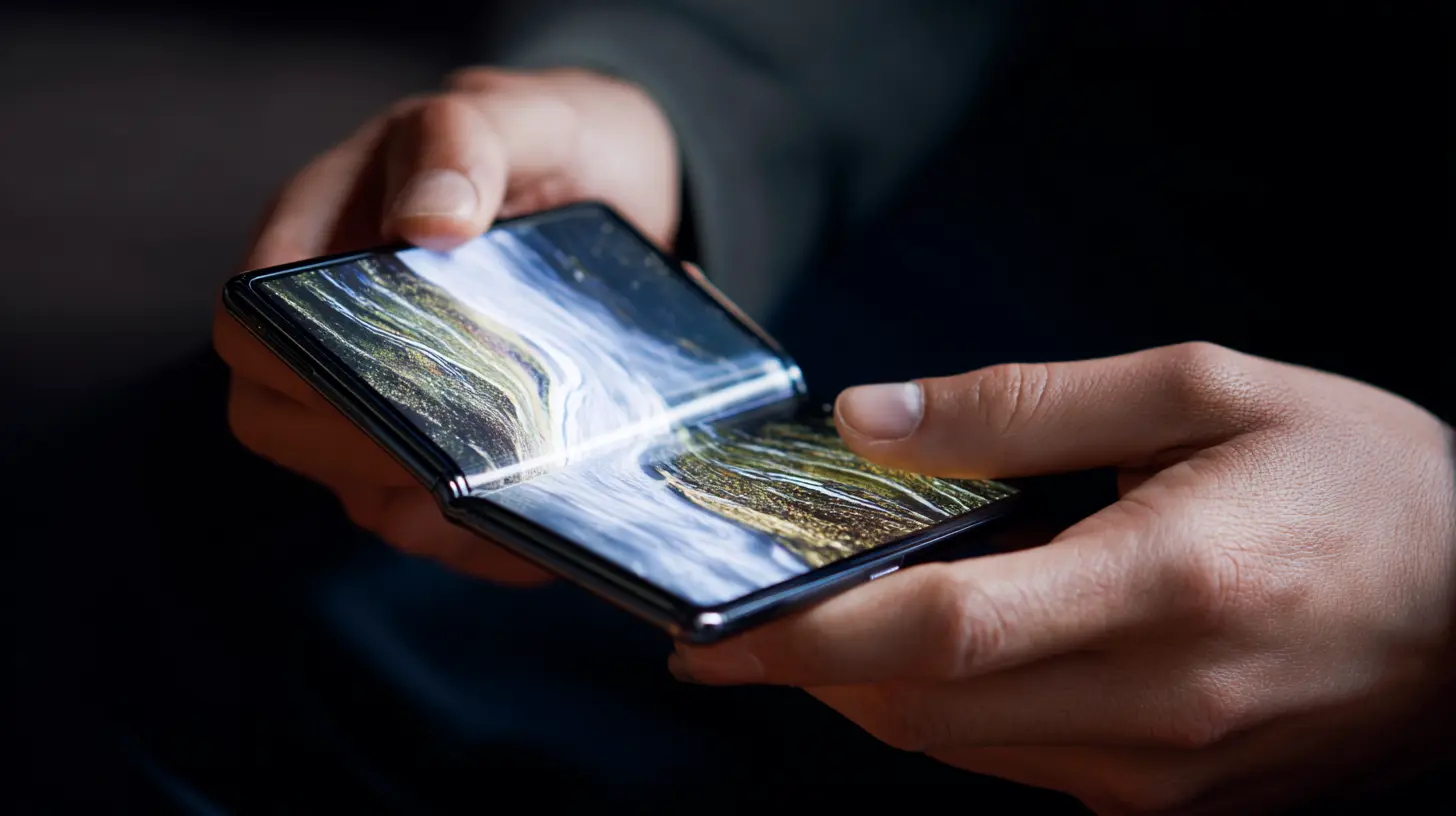
The traditional smartphone upgrade cycle has been driven by incremental improvements. A slightly faster processor, a better camera sensor, a brighter screen. These are meaningful, but they do not change how you interact with the device. Foldables change the interaction model entirely. Instead of asking how big the screen is, you start asking what shape it should take.Think about a morning routine. You wake up, check messages on the cover screen, then open the device to read the news or scan a document. The cover screen handles quick glances and notifications. The inner screen handles focused tasks. This division of labor is new. It is not just a bigger phone. It is a device that adapts to the context of what you are doing.
This shift matters because it forces app developers to think differently. A foldable phone is not a tablet and it is not a phone. It is something in between. Apps that simply stretch to fill the larger screen miss the point. The best foldable apps use the extra space to show more information, split content across panels, or offer drag-and-drop interactions that are impossible on a standard phone.
What Foldables Do Better Than Traditional Phones
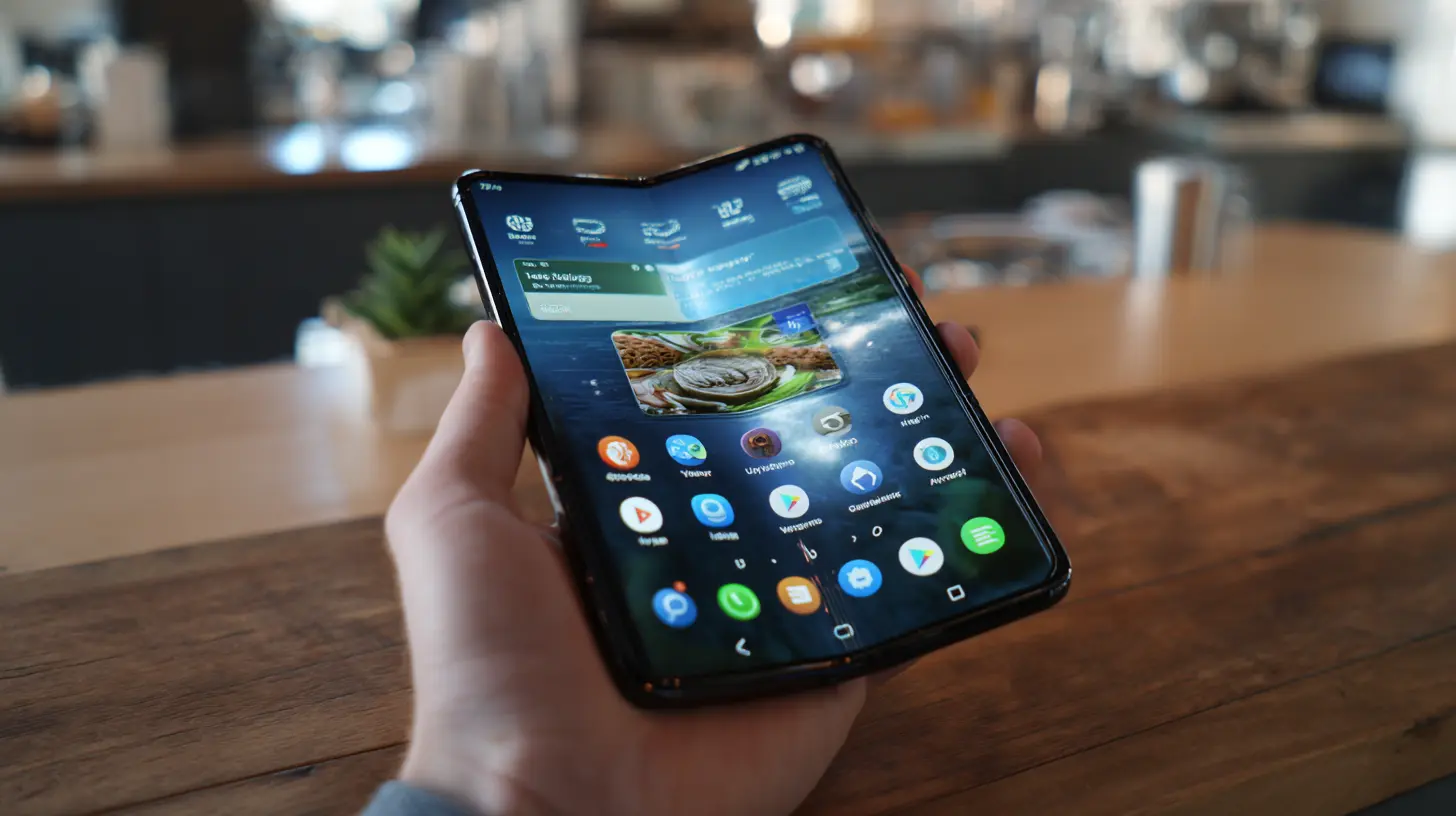
The most obvious advantage is screen real estate. When you open a foldable, you get a display that is roughly the size of a small tablet. This changes what is comfortable to do. Reading a long article becomes more pleasant because the text is larger and the line length is closer to that of a printed page. Watching a movie feels more immersive because the screen is wider. Editing a photo or video is actually practical because you have room for toolbars and timelines without covering the content.Multitasking is another area where foldables shine. On a standard phone, split-screen mode feels cramped. On a foldable, you can run two apps side by side with enough room for both to be usable. You can have a video call on one half of the screen and take notes on the other. You can compare prices on two shopping sites at once. You can write an email while referencing a PDF. These are not theoretical use cases. They are everyday tasks that become significantly easier with more space.
The cover screen is also a major benefit. When the phone is closed, it functions like a regular smartphone. You can send texts, check the weather, or skip a song without opening the device. This is great for one-handed use. The cover screen also saves battery because you are not powering the large inner display for every small interaction.
The Trade-Offs You Need to Know About
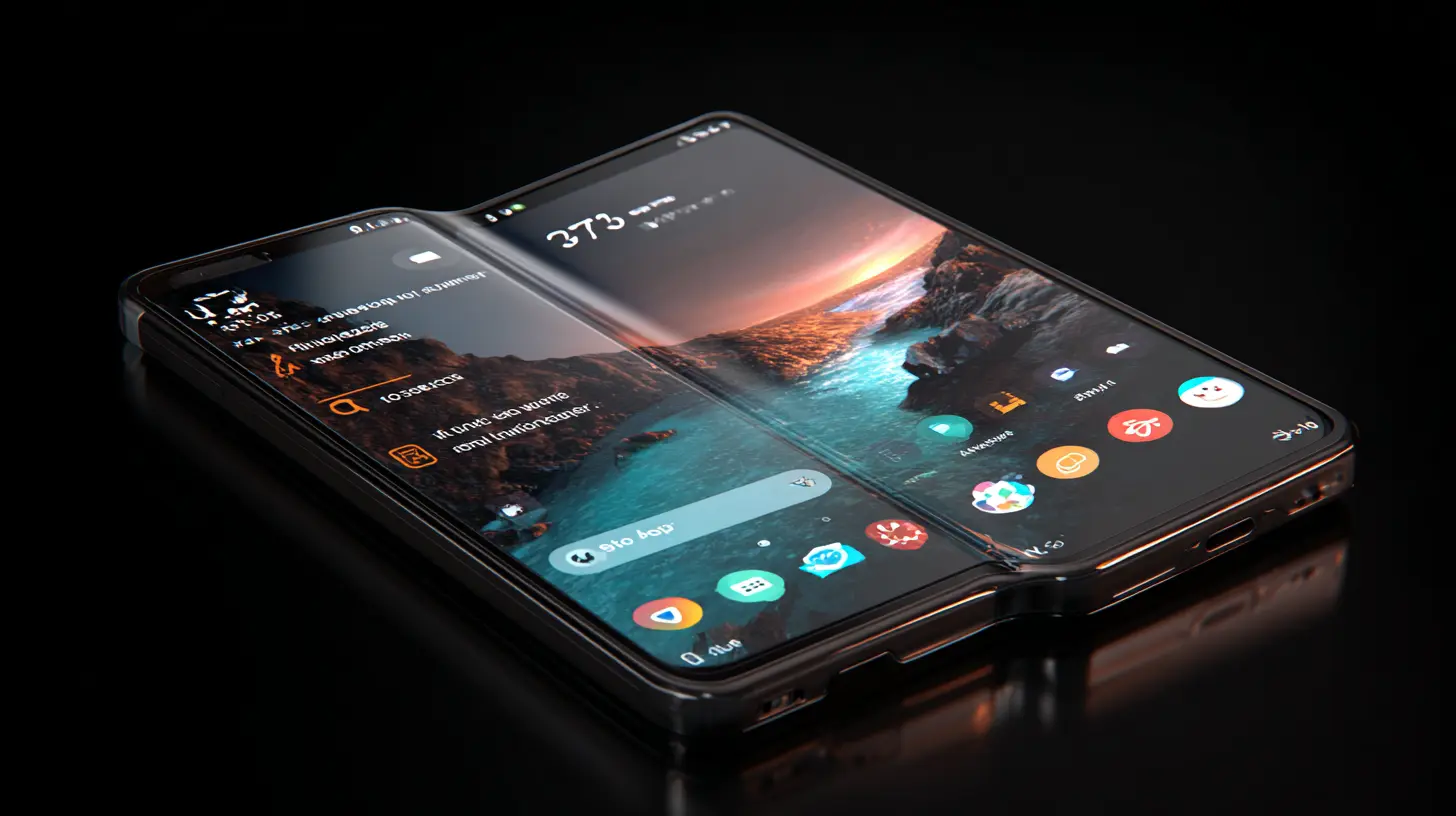
Foldables are not perfect. They come with trade-offs that buyers need to understand before making a purchase. The most obvious is durability. The folding screen is made of plastic or ultra-thin glass, which is more vulnerable to scratches and dents than the glass on a traditional phone. You can feel the crease where the screen folds, and while modern devices have made it less noticeable, it is still there.The hinge is another point of concern. It is a mechanical part that moves every time you open and close the device. Hinges have improved a lot, and most modern foldables are rated for hundreds of thousands of folds, but they are still more complex than a solid slab. Dust and small particles can get into the hinge and cause problems. Some foldables are water-resistant, but few are dust-resistant, and that is a real limitation for people who spend time outdoors or in dusty environments.
Battery life is another consideration. A larger screen uses more power, and the cover screen adds an extra display to drive. Manufacturers have responded with bigger batteries, but foldables still tend to have shorter battery life than comparable traditional phones under heavy use. If you are a power user who is constantly on the go, you may find yourself reaching for a charger more often.
Weight and thickness are also factors. Foldables are heavier and thicker than traditional phones, especially when folded. This is less noticeable with each generation, but it is still a difference. If you value a light, slim device that disappears in your pocket, a foldable may not be the right choice.
The Software Challenge and How It Is Being Solved
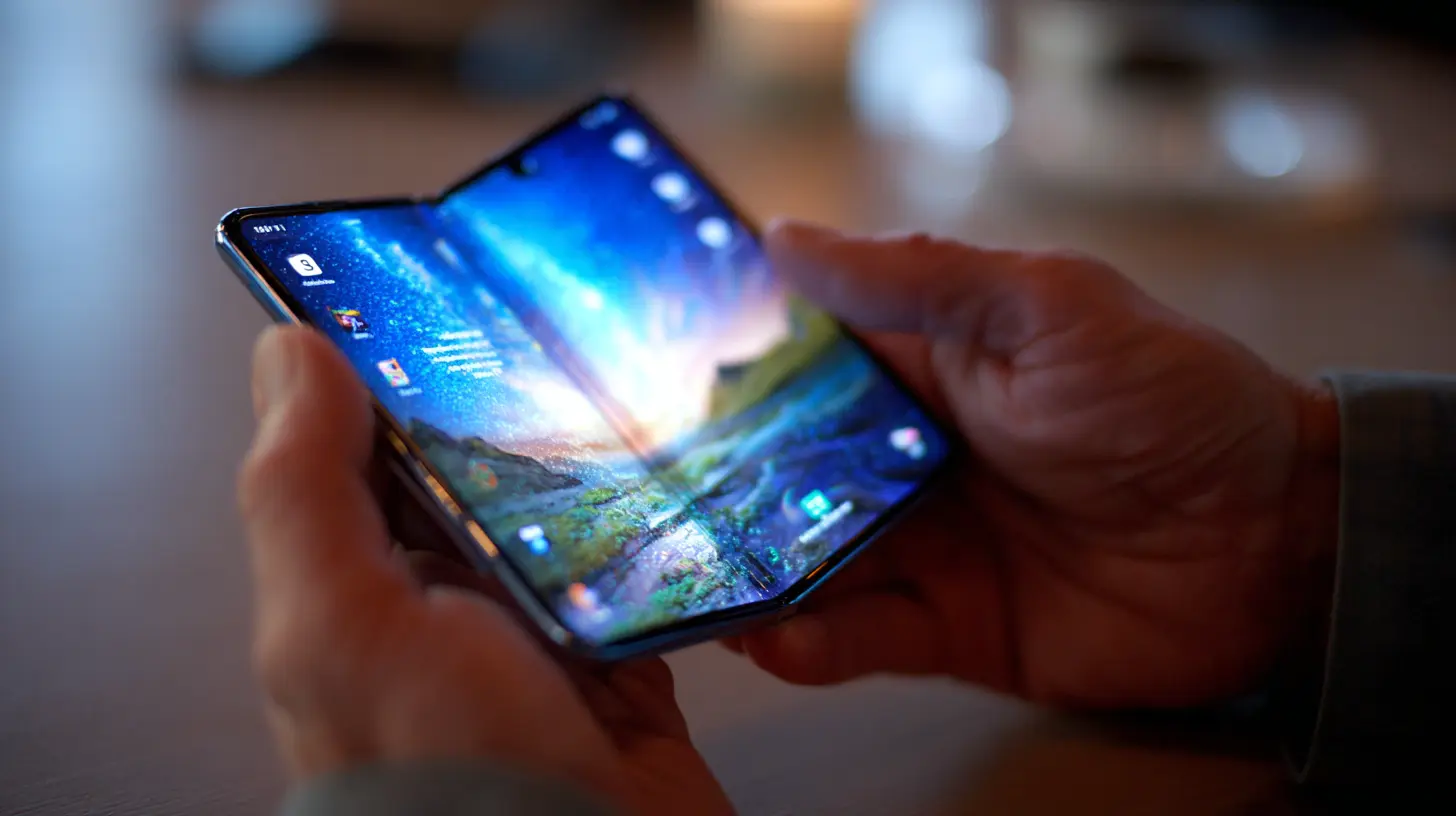
Hardware is only half the story. The software experience on foldables has been a work in progress since the beginning. Early foldable apps were often just stretched versions of phone apps, with huge empty spaces and awkward layouts. That has changed significantly, but there is still room for improvement.The best foldable software takes advantage of the large screen in smart ways. For example, some apps show a list of emails on one side and the content of the selected email on the other. Others show a map on one side and a list of directions on the other. This master-detail layout is a natural fit for the larger display and is much more useful than simply zooming in.
Google has pushed for better foldable support in Android, and many manufacturers have added their own multitasking features. You can save app pairs and launch them together with a single tap. You can drag and drop text, images, and files between apps. You can resize app windows and arrange them on the screen in flexible ways. These features take time to learn, but once you get used to them, going back to a standard phone feels limiting.
There are still apps that do not work well on foldables. Some games have resolution issues. Some video apps do not use the full screen. Some productivity apps do not support multi-window mode. The situation is improving, but it is not perfect. If you rely on a specific app for work, it is worth checking how well it works on a foldable before you commit.
Who Should Buy a Foldable Right Now
Foldables are not for everyone, and that is okay. They are for people who value screen space and multitasking more than they value minimal weight and maximum durability. If you are a professional who reads documents, edits spreadsheets, or reviews contracts on the go, a foldable can be a game changer. If you are a creative person who sketches, edits photos, or watches a lot of video, the larger screen is a clear benefit.They are also good for people who want to replace two devices with one. If you carry both a phone and a tablet, a foldable might let you leave the tablet at home. The inner screen is large enough for most tablet tasks, and the device is small enough to carry in a pocket. This consolidation is appealing for travelers and commuters.
Foldables are less ideal for people who are rough on their devices. If you drop your phone often, if you work in a dusty environment, or if you simply want a device that will last for years without any issue, a traditional phone is the safer choice. The repair costs for foldable screens are high, and accidental damage is more likely because of the moving parts.
The Future of the Form Factor
The foldable market is still young, and there is plenty of room for innovation. One trend is the move toward lighter and thinner designs. Each generation gets closer to the weight and thickness of a traditional phone. Another trend is the improvement of the crease. Some manufacturers are developing hinges that distribute the fold across a wider area, making the crease less visible and less tactile.There is also the possibility of new form factors. Instead of a phone that folds open like a book, we may see devices that fold in multiple places, or devices that roll out like a scroll. Samsung has shown concepts for sliding displays, and other companies are exploring similar ideas. These designs could offer even more screen space without increasing the footprint of the device.
The biggest question is whether foldables will eventually replace traditional phones. That is unlikely in the short term. The price is still high, and the durability concerns are real. But as the technology matures and costs come down, foldables could become the default choice for flagship buyers. The traditional slab may remain as a budget option, much like how candy bar phones coexisted with flip phones for years.
Practical Buying Advice
If you are considering a foldable, here are some practical tips. First, try one in a store before you buy. The feel of opening and closing the device, the weight in your hand, and the visibility of the crease are things you cannot judge from a spec sheet. Second, consider your use case. If you mostly use your phone for calls, texts, and social media, a foldable is overkill. If you consume a lot of content or do serious work on your phone, the extra screen is worth it.Third, think about the cover screen. Some foldables have a narrow, tall cover screen that is awkward for typing. Others have a more standard aspect ratio that feels like a normal phone. This matters more than you might expect because you will use the cover screen for most quick interactions.
Fourth, check the warranty and insurance options. Foldable screens are expensive to replace, and accidental damage coverage is worth considering. Some manufacturers offer a one-time screen replacement at a reduced cost, which can be a good safety net.
Finally, do not buy a foldable just because it is new. Buy it because it solves a problem for you. The novelty wears off quickly, but the practical benefits last. If you cannot articulate why you need a larger screen, you probably do not need one.
Common Misconceptions and Mistakes
One common misconception is that foldables are fragile and will break easily. Modern foldables are much more durable than early models. They use stronger hinges, tougher screen materials, and better seals. They are not as durable as traditional phones, but they are not delicate either. With normal care, they can last for years.Another misconception is that the crease is a dealbreaker. The crease is visible when you look at the screen from an angle, and you can feel it when you swipe across it. But when you are using the device normally, you quickly stop noticing it. It is similar to the notch on early smartphones. It was a big deal at first, and then people forgot about it.
A common mistake is buying a foldable without understanding the software. Some users are disappointed when their favorite apps do not take advantage of the larger screen. Others are frustrated by the learning curve of multitasking gestures. It is important to spend time with the device and customize it to your workflow. The software experience is not perfect out of the box, but it can be adjusted.
Another mistake is ignoring the weight. Some foldables are noticeably heavier than traditional phones, and that can cause fatigue during long sessions. If you hold your phone for hours at a time, a heavy device is a real drawback. Try the device in hand and imagine using it for a full day before you commit.
The Impact on the Broader Mobile Ecosystem
Foldables are not just a new product category. They are influencing the entire mobile ecosystem. Other manufacturers are paying attention to what works and what does not. The push for better multitasking, for example, is benefiting all Android phones, not just foldables. Features like split-screen and floating windows are becoming more polished on traditional devices as well.Foldables are also changing how we think about mobile computing. The line between phone and tablet is blurring. As foldables get better, the need for separate tablets may decrease. This could reshape the tablet market, especially in the mid-range segment. It could also push app developers to create more adaptive interfaces that work across different screen sizes.
There is also an environmental angle. If a foldable can replace both a phone and a tablet, that means fewer devices to manufacture, ship, and eventually recycle. That is a positive step, though it is offset by the fact that foldables are more complex and may be harder to repair. The long-term environmental impact is not clear, but it is worth considering.
Why This Matters for the Next Decade
The smartphone has been the dominant computing device for over a decade. It has changed how we communicate, work, and entertain ourselves. But it has also reached a plateau. The yearly upgrades are less exciting, and the differences between generations are harder to notice. Foldables offer a way out of that plateau. They bring back the excitement of a new form factor, and they open up possibilities that were not practical before.The next decade will likely bring more experimentation with flexible displays. We may see laptops that fold into tablets, tablets that fold into phones, and devices that adapt their shape based on what you are doing. The technology is still evolving, and there is no guarantee that any specific form factor will win. But the direction is clear: flexible displays are here to stay, and they will change how we interact with our devices.
For users, this means more choices and more flexibility. You will be able to choose a device that fits your specific needs rather than settling for a one-size-fits-all slab. That is a good thing. It means the future of mobile is not just about faster processors or better cameras. It is about devices that adapt to you, not the other way around.
Final Thoughts
Foldable phones are not a passing trend. They are a genuine step forward in mobile design, even if they are not perfect yet. The current generation of foldables is good enough for many users, and the next generation will be better. If you are curious about the form factor, the best way to understand it is to try it. If you are not ready to buy, that is fine. The technology will only improve, and prices will only come down.The future of mobile is flexible, both literally and figuratively. As the hardware matures and the software catches up, foldables will become more mainstream. They will not replace traditional phones overnight, but they will become a standard option for people who want more from their device. The question is not whether foldables will succeed. The question is how quickly they will become the new normal.
all images in this post were generated using AI tools
Category:
Smartphone TipsAuthor:

Jerry Graham
Discussion
rate this article
1 comments
Soryn Hahn
Foldable phones could redefine our interaction with technology, blending versatility with convenience. The future may hold endless possibilities for innovation.
August 10, 2026 at 12:23 PM