Hydropower at Home: Low-Impact Energy Solutions for the Modern Consumer
20 January 2026
As we move deeper into the 21st century, the demand for eco-friendly energy solutions continues to rise. Solar panels on rooftops? Sure, you've likely seen those. Wind turbines? Maybe not as common in your backyard, but they’re becoming popular in certain areas too. But have you ever thought about harnessing the power of water right at home? Yes, you heard that right—hydropower isn’t just for massive dams and large-scale utilities anymore. Home-based, low-impact hydropower solutions are now a possibility, and they offer a sustainable, reliable, and continuous energy resource for the modern consumer.
In this article, we’ll dive into what hydropower is, how you can implement it on a small scale, its benefits, and potential challenges. Buckle up, because we’re about to make waves (pun intended).
What is Hydropower?
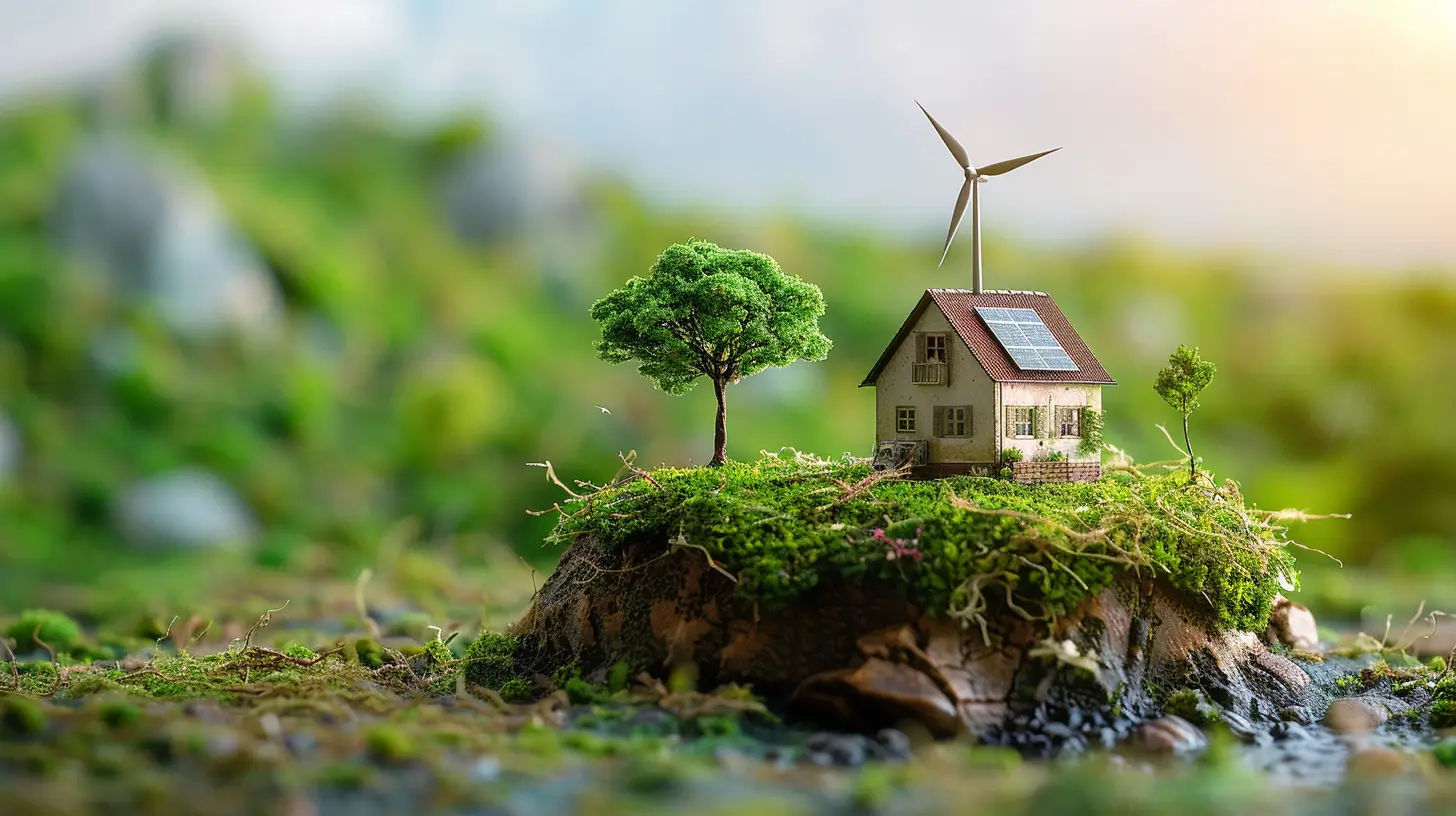
Hydropower, in its simplest form, is energy generated by moving water. The kinetic energy of flowing water can be converted into mechanical energy, which, in turn, generates electricity. Water flows through turbines, spinning them like a windmill, and this motion is converted into electrical energy.Most people associate hydropower with large dams like the Hoover Dam or Niagara Falls. But here’s the thing: you don’t need a massive river or waterfall to generate electricity at home. In fact, micro-hydropower systems are designed specifically for smaller water sources, like streams, creeks, or even small waterfalls that run through your property.
How Does Micro-Hydropower Work?
Are you wondering how exactly all this works on a smaller scale? Let’s break it down:1. Water Flow: The system relies on a steady flow of water. If you’ve got a stream, creek, or any other water source with a consistent flow, you're in luck.
2. Turbines: The moving water passes through small turbines which spin, converting the kinetic energy of the water into mechanical energy.
3. Generator: The mechanical energy is fed into a generator, which transforms it into electrical energy.
4. Distribution: The electricity generated can be used to power your home directly or stored in batteries for later use. Some systems even allow for selling excess energy back to the grid, depending on where you live.

Why Choose Hydropower?
You might be asking yourself, “Why hydropower over solar or wind?” Well, there’s no one-size-fits-all answer, but let’s explore a few reasons why hydropower might be the perfect option for your home.1. Continuous Energy Source
One of the best things about hydropower is that it can generate electricity 24/7. Unlike solar panels that depend on the sun or wind turbines that rely on wind, water flows constantly (assuming your water source doesn’t dry up). This makes hydropower a reliable and consistent energy solution.Think about it—at night, when your solar panels are resting, your hydropower system could still be working hard to power your home.
2. Eco-Friendly
Traditional hydropower is already one of the most environmentally friendly energy solutions out there, but micro-hydropower takes things a step further. Since we’re talking about small-scale systems, they generally have minimal impact on the environment. You’re not building massive dams or rerouting rivers. Instead, you’re utilizing a natural resource that’s already flowing through your property.Plus, hydropower produces zero emissions, making it a cleaner alternative to fossil fuels.
3. Low Maintenance
Once a micro-hydropower system is installed, it requires very little upkeep. Sure, you’ll need to monitor it and clean debris out of the intake occasionally, but overall, it’s a low-maintenance energy source. It’s kind of like those self-cleaning ovens—you don’t need to mess with it too often, but when you do, it’s usually a quick and simple task.4. Cost-Effective in the Long Run
While the initial cost of installing a micro-hydropower system might be higher than other energy solutions, it’s important to consider the long-term savings. Since the system generates electricity consistently, you’ll likely see a decrease in your energy bills almost immediately. And let’s be honest—who doesn’t want lower utility bills?In addition, some governments offer tax incentives or rebates for homeowners who invest in renewable energy solutions. It’s worth checking out what’s available in your area.
Challenges of Hydropower: What to Know
Okay, hydropower sounds pretty amazing, right? But like any energy solution, it’s not perfect. There are a few challenges to keep in mind before diving in headfirst.1. Water Source Dependency
This one’s a no-brainer: no water, no hydropower. If your property doesn’t have a consistent water source, you’re out of luck. Even if you do have a stream or creek, you’ll need to assess its flow rate and volume to determine whether it’s capable of generating enough energy for your home.During periods of drought or low water levels, your system might not produce as much electricity as you need. However, if your water source is reliable year-round, this could be a non-issue.
2. Initial Installation Costs
Although micro-hydropower systems can save you money in the long run, the upfront costs can be daunting. Between purchasing equipment, installing the system, and any necessary permits, you could be looking at a significant investment.That said, it’s important to weigh the long-term benefits against these initial costs. Plus, as mentioned earlier, there are often financial incentives available for those who switch to renewable energy.
3. Potential Environmental Impact
While micro-hydropower systems generally have a low environmental impact, it’s not entirely zero. Depending on how your system is set up, it could affect local ecosystems, especially if you’re diverting water from its natural course.That’s why it’s crucial to do your research and ensure that your system is designed in a way that minimizes any disruption to the environment. Consulting with an expert in micro-hydropower is a great way to get started.
Different Types of Micro-Hydropower Systems
Not all micro-hydropower systems are the same. Depending on your water source, location, and energy needs, you can choose from a few different types of systems:1. Run-of-River Systems
This is the most common type of micro-hydropower system for home use. It relies on the natural flow of water through a river or stream. No need for dams; the system simply captures the energy from the moving water without altering the course of the stream.2. Pumped Storage Systems
While less common for residential use, pumped storage systems store energy by pumping water to a higher elevation during times of low electricity demand. When energy demand increases, the water is released to flow back down through turbines, generating electricity. It’s kind of like having a backup battery, but with water.3. Water Wheels
This old-school tech is making a comeback in the form of modern micro-hydropower systems. Water wheels are particularly useful if you’ve got a slow-moving water source. It’s a simple, effective, and visually appealing way to generate electricity.
Is Hydropower Right for You?
By now, you’re probably wondering whether micro-hydropower is the right solution for your home. The good news is that it’s becoming increasingly accessible to homeowners, even those who live in rural areas or off-grid.However, it’s important to assess your specific situation:
- Do you have a reliable water source year-round?
- Are you willing to invest in the initial installation costs?
- Do you want a continuous, reliable energy source that’s eco-friendly?
If you answered “yes” to these questions, hydropower could be a fantastic option for you.
Getting Started with Home Hydropower
If you’re ready to take the plunge (pun intended), here’s what you need to do:1. Assess Your Water Source: Before anything else, you’ll need to evaluate whether your water source is capable of generating electricity. This typically involves measuring the flow rate and head (the vertical distance the water falls).
2. Consult an Expert: It's always a good idea to get a professional opinion. There are companies that specialize in micro-hydropower systems, and they can help you determine the best setup for your property.
3. Get the Right Permits: Depending on where you live, you may need permits to install a micro-hydropower system. Local environmental agencies or government offices can provide more information on this.
4. Choose Your System: Based on your water source and energy needs, select the type of micro-hydropower system that works best for you.
5. Install and Enjoy: Once your system is installed, you can sit back and enjoy the benefits of renewable energy—lower bills, a smaller carbon footprint, and a reliable energy source.
Conclusion
Hydropower at home may not be the most common renewable energy solution, but it’s certainly one of the most reliable and sustainable. If you have access to a consistent water source, micro-hydropower could be your ticket to energy independence. From its continuous energy production to its eco-friendly nature, hydropower offers a compelling alternative to solar and wind, especially for those living near rivers or streams.So, what are you waiting for? It’s time to ride the wave of the future and bring hydropower to your home.
all images in this post were generated using AI tools
Category:
Environmental TechAuthor:

Jerry Graham
Discussion
rate this article
2 comments
Rocket Martin
Hydropower at home? Talk about making waves! If you think splashing your way to sustainability is just a trend, you’re clearly missing the current that’s powering the future. Dive in!
February 8, 2026 at 7:37 PM
Jerry Graham
Thanks for your enthusiasm! Hydropower at home truly offers a sustainable and innovative solution for energy needs. Let's make waves together!
Maggie McKenzie
Embracing hydropower at home is a smart step toward sustainability—let's harness nature for a greener future!
January 26, 2026 at 12:53 PM
Jerry Graham
Thank you! Embracing hydropower at home truly reflects a commitment to a sustainable future, leveraging nature's resources for cleaner energy.