Preparing for Drone Delivery Integration in E-Commerce by 2027
1 May 2026
Let's be honest for a second. When you hear "drone delivery," what pops into your head? Probably a scene from a sci-fi movie where a buzzing box drops a pizza on your lawn while you're still in your pajamas. Or maybe you think of the early hype from Amazon Prime Air, the promises of 30-minute deliveries that never quite arrived on your doorstep. But here's the thing: 2027 is not that far away. It's three years from now. And if you run an e-commerce business - whether you're a solo dropshipper or a mid-sized brand - ignoring the drone integration train might be like ignoring the internet in the late 90s. You won't go out of business tomorrow, but you'll be left holding a paper map while everyone else is using GPS.
So, what does it actually take to prepare for drone delivery integration by 2027? Not the marketing fluff. Not the futuristic dreaming. The real, gritty, hands-on work. Let's break it down.
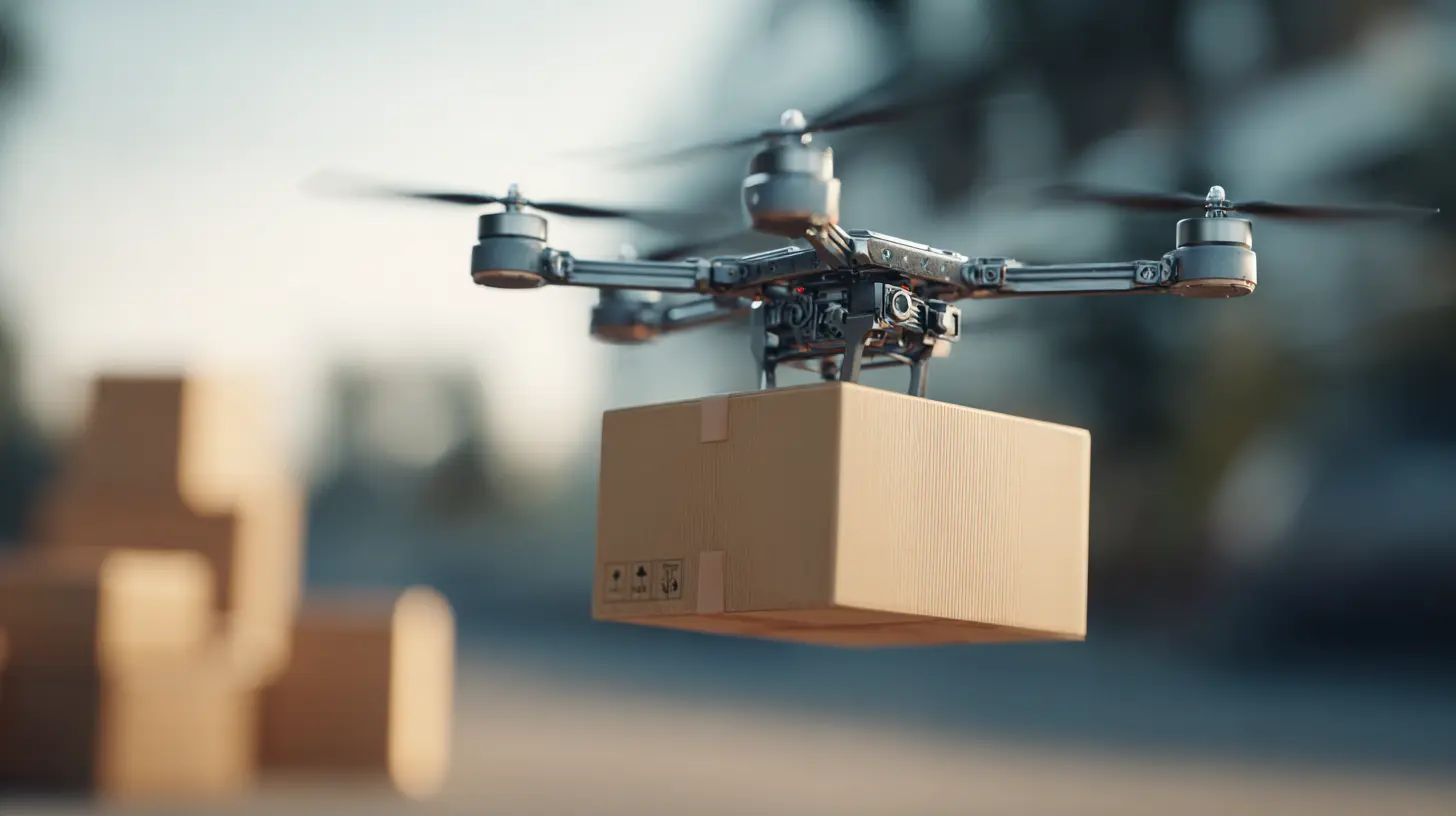
Why 2027? The Perfect Storm Is Brewing
You might ask, why the specific year 2027? Couldn't it be 2025 or 2030? Well, look at the signals. The FAA in the US is finally moving past the pilot program phase and into rulemaking for Beyond Visual Line of Sight (BVLOS) operations. The EU is harmonizing its U-space regulations. Companies like Wing, Zipline, and even Walmart-backed DroneUp have logged millions of real-world deliveries, not just in rural areas but in suburban neighborhoods. The technology is no longer a prototype.Think of it like this: drone delivery in 2024 is where smartphones were in 2007 - clunky, expensive, and limited to early adopters. By 2027, we'll be at the iPhone 4 stage. The hardware will be cheaper, the software will be smarter, and the regulatory walls will start to crack. If you wait until 2028 to start planning, you're already late to the party.
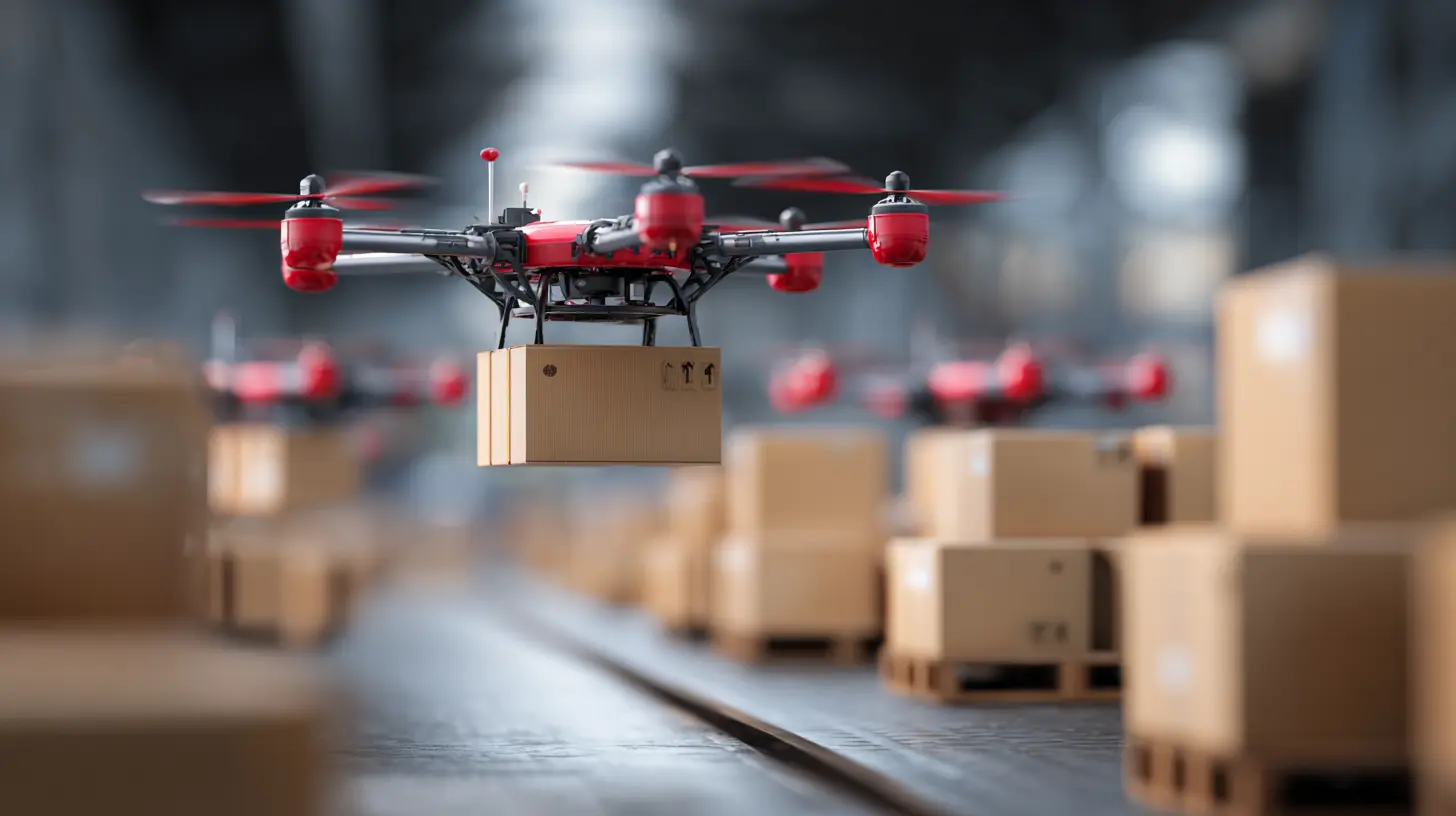
The Infrastructure Reality Check: Your Rooftop Isn't a Landing Pad
Let's start with the boring but crucial stuff: infrastructure. Most e-commerce warehouses and fulfillment centers were designed for trucks and conveyor belts, not for flying machines. If you think you can just slap a drone pad on the roof and call it a day, you're in for a rude awakening.First, you need to think about airspace. Your warehouse might sit under a flight path, near an airport, or in a no-fly zone. You'll need to map out geofences, altitude limits, and noise restrictions. It's not just about your building - it's about your neighbors. Imagine a drone buzzing over a quiet residential street at 6 AM. That's a lawsuit waiting to happen.
Second, you need physical landing zones. Not just for the drone to land, but for package transfer, battery swapping, and charging. This means rethinking your loading dock layout. Some companies are experimenting with "drone ports" on the roof that feed packages directly into a chute. Others are using autonomous ground vehicles (AGVs) to bring the drone to the package. The point is, you can't bolt this on. You have to build it in.
Third, and this is the one nobody talks about: weather resilience. Drones hate rain, high winds, and extreme cold. If you're in Seattle or Chicago, you'll need sheltered launch zones, heated landing pads, and backup plans for bad weather days. By 2027, the tech will handle light drizzle, but a thunderstorm will still ground the fleet. Plan your operations around that.
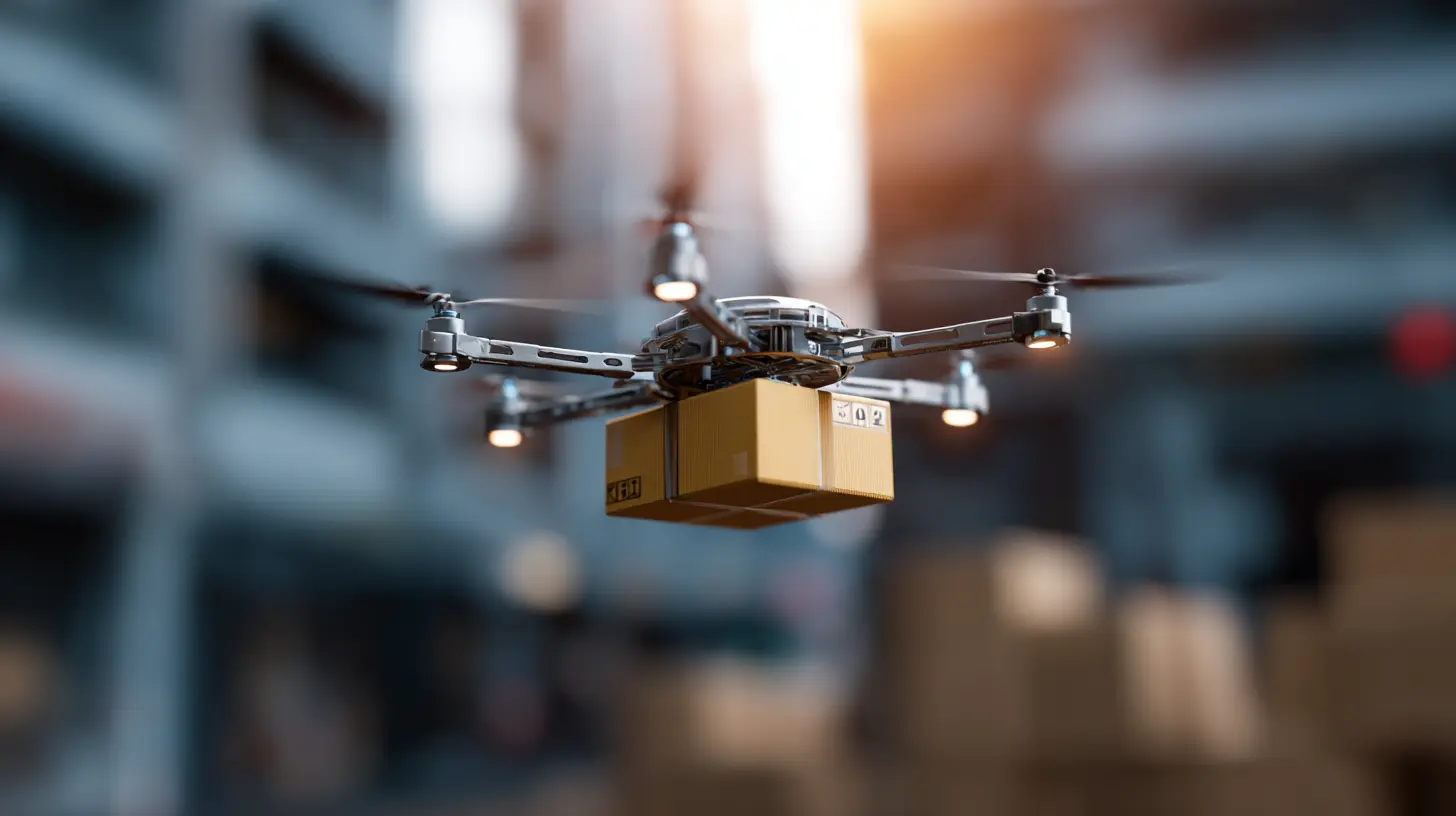
Software Integration: The Hidden Monster
Here's where most e-commerce operators will stumble. Drone delivery isn't just about the flying machine. It's about how that machine talks to your order management system (OMS), your warehouse management system (WMS), and your customer-facing app.Think about the customer experience. When someone orders a pair of sneakers, they expect a tracking number. With drone delivery, you need real-time geolocation, estimated time of arrival down to the minute, and a drop-off confirmation that the package didn't land in a tree. That requires a middleware layer that can handle high-frequency updates without crashing. If your current stack is held together with duct tape and spreadsheets, you need to upgrade.
Also, consider the "last meter" problem. The drone can fly to the customer's house, but where does it drop the package? In the front yard? On the porch? In a designated drone mailbox? You need to integrate with customer preferences. Some people want the package in the backyard. Others live in apartments with no landing zone. By 2027, expect to see a "drone delivery profile" in your customer accounts, similar to a saved address. That's a feature you need to build now.
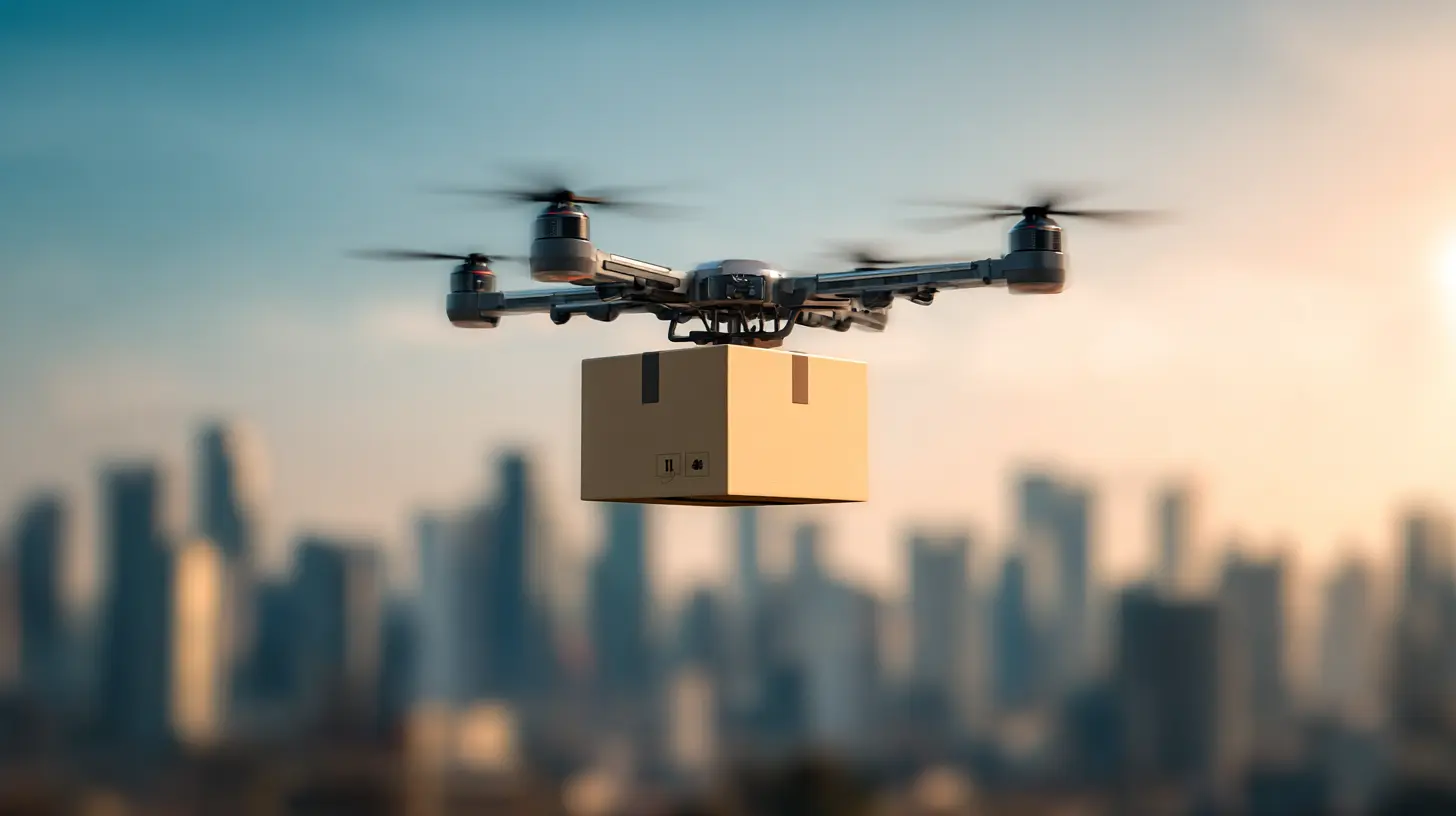
The Customer Psychology Shift: Trust Is the Currency
Let's get real about the human factor. Most people are still weirded out by a drone hovering over their property. They worry about privacy, noise, and the package being stolen. You can have the most efficient system in the world, but if your customers don't trust it, they won't opt in.How do you build that trust? Start with transparency. Give customers a countdown before the drone arrives. Show them a live camera feed of the drop-off. Let them choose a delivery window that works for them, not just a random 15-minute slot. And for god's sake, make the drone look less like a weapon and more like a friendly robot. Design matters.
Another psychological hurdle: the "cool factor" wears off fast. The first time someone gets a drone delivery, they'll take a video for Instagram. The tenth time, they just want the package to arrive without noise. By 2027, drone delivery needs to be boringly reliable. It needs to feel as normal as a UPS truck pulling up. That means you need to manage expectations. Don't promise 30-minute delivery if you can only deliver to 30% of your zip codes. Under-promise and over-deliver.
The Economics of Fleets: You Don't Have to Buy Them
I know what you're thinking. Drones are expensive. A decent commercial drone with a payload capacity of 5-10 pounds can cost $10,000 or more. A fleet of 50? That's half a million dollars, plus maintenance, insurance, and pilots. For a small e-commerce business, that's a non-starter.But here's the good news: by 2027, the business model will shift from ownership to as-a-service. Think of it like cloud computing. You don't buy servers; you rent them from AWS. Similarly, you'll rent drone capacity from third-party logistics providers. Companies like DroneUp, Flytrex, and Wing are already offering "delivery-as-a-service" to retailers. You pay per delivery, not per drone. That lowers the barrier to entry dramatically.
However, you still need to integrate your systems with theirs. That means API agreements, service-level agreements (SLAs), and contingency plans if their fleet goes down. Don't assume they'll handle everything. You need a backup plan - maybe a same-day courier service for drone-failed orders.
Regulatory Navigation: The Boring But Critical Part
Regulations are the elephant in the room. In 2024, drone delivery is still heavily restricted. You can't fly over people, you need a visual observer for every drone, and you can't fly beyond the operator's line of sight without a waiver. By 2027, that will change. The FAA is working on BVLOS rules, and the EU is standardizing its U-space framework. But change is slow.What can you do? Start engaging with local aviation authorities now. Attend public meetings. Join industry groups like the Commercial Drone Alliance. If you wait until the rules are finalized, you'll be scrambling. Also, consider partnering with a drone service provider that already has waivers. They've done the regulatory heavy lifting. You just need to piggyback on their permissions.
Another angle: local government relations. Some cities are drone-friendly; others are hostile. If you're based in a city that bans drones over parks or schools, you'll need to lobby for changes or adjust your delivery zones. Don't assume the law will bend to your needs. Be proactive.
The Product Mix: What Actually Gets Flown?
Not everything can be delivered by drone. Weight limits, size constraints, and fragility matter. A standard drone can carry about 5-10 pounds. That's a laptop, a pair of shoes, a few books, or a meal kit. It's not a TV, a sofa, or a 50-pound bag of dog food.So, you need to segment your inventory. Identify which products are "drone-eligible" based on weight, dimensions, and value. High-value items like electronics might be risky because of theft. Perishables like groceries need temperature control. Liquids are a mess. By 2027, you'll probably see drones handling urgent, small, and high-margin items - like prescription drugs, spare parts, or hot coffee.
But here's the strategic play: drone delivery can become a premium service. Charge a fee for it. Or use it as a loyalty perk. If you offer free drone delivery for orders over $50, you'll incentivize larger basket sizes. Test the pricing now. Run surveys. See what your customers are willing to pay for speed.
The Competitive Edge: Speed vs. Convenience
Most e-commerce companies focus on speed - get it there in 30 minutes or less. But speed is a trap. It's expensive, it's hard to scale, and customers don't always need it. What they really want is convenience. They want the package to arrive when they're home, not when the drone decides to show up.Think about it. If you order a new phone charger because your old one died, you want it now. But if you order a book you plan to read next week, you don't care about 30 minutes. The real opportunity is in offering precise, predictable delivery windows. "Your package will arrive between 2:00 PM and 2:15 PM" is more valuable than "within 30 minutes." Drones can give you that precision because they don't get stuck in traffic.
So, don't just chase speed. Build a system that respects the customer's time. Use drones for the last mile, but combine them with lockers or drop-off boxes for missed deliveries. That's the sweet spot.
Preparing Your Team: The Human Side
You can't automate everything. Someone needs to load the drone, monitor the flight, handle exceptions, and talk to customers. By 2027, you'll need a mix of roles: drone operators (certified by the FAA), software engineers (for integration), and customer service reps (trained to handle "my package landed in a tree" complaints).Start training your staff now. Encourage your warehouse team to get Part 107 licenses (the US drone pilot certification). It's not hard, but it takes time. If you have a tech-savvy employee, make them the drone champion. Let them experiment with a cheap drone in a controlled environment. Build that internal knowledge.
Also, think about liability. If a drone crashes into a car or a person, who pays? You need insurance that covers drone operations. Talk to your broker. Get a policy that covers hull damage, third-party liability, and cyber risks (because drones are connected to the internet). Don't skip this.
The Ethical Angle: Noise, Privacy, and Equity
Let's not pretend drone delivery is all rainbows and efficiency. There are real downsides. Noise is a big one. A drone buzzing at 60 decibels is annoying, especially in quiet neighborhoods. By 2027, the tech will be quieter, but not silent. You'll need to set flight curfews - no deliveries after 9 PM or before 7 AM.Privacy is another concern. Drones have cameras. Even if you don't use them for surveillance, customers will worry. Be transparent about your data collection. Don't record video of people's backyards. Use low-resolution cameras for navigation only. Publish a privacy policy that's easy to read.
And then there's equity. Drone delivery will initially serve wealthy neighborhoods with single-family homes. What about apartment dwellers, rural areas, or low-income communities? If you ignore those segments, you'll be accused of digital redlining. Think about how to make drone delivery accessible. Maybe partner with community centers or offer shared drop-off points.
A Practical Roadmap to 2027
I'm not going to leave you hanging with just theory. Here's a concrete, year-by-year plan.2024: Audit and Educate
- Map your warehouse airspace.
- Get a few staff members certified as drone pilots.
- Start talking to drone service providers.
- Run a small pilot with 10-20 deliveries in a controlled area.
2025: Integrate and Test
- Build the software middleware that connects your OMS to a drone API.
- Launch a beta program for loyal customers.
- Collect feedback on drop-off preferences and noise tolerance.
- Test weather contingencies.
2026: Scale and Optimize
- Expand to 50-100 deliveries per day.
- Negotiate SLAs with drone providers.
- Optimize product eligibility based on real data.
- Launch a premium drone delivery tier.
2027: Full Integration
- Scale to a significant percentage of your deliveries (maybe 10-20%).
- Automate exception handling.
- Monitor customer satisfaction vs. cost.
- Keep iterating.
The Bottom Line
Drone delivery by 2027 is not a fantasy. It's an inevitability. But it won't happen overnight, and it won't happen without work. The businesses that start preparing now - that invest in infrastructure, software, and customer trust - will have a massive advantage. Those that wait until 2026 will be playing catch-up.So, ask yourself: Are you ready to let your packages take flight? Or are you going to keep waiting for the ground to shift under your feet? The sky is not the limit. It's the next delivery route.
all images in this post were generated using AI tools
Category:
E Commerce TechnologyAuthor:

Jerry Graham
Discussion
rate this article
2 comments
Astra Bennett
Exciting times ahead for e-commerce and drones!
June 9, 2026 at 4:35 AM
Jerry Graham
Absolutely! The future looks bright with drone delivery set to transform the e-commerce landscape.
Mia Graham
Great, just what I need-my pizza delivered by a flying robot that might drop it!
May 5, 2026 at 3:19 AM
Jerry Graham
I get it! The idea of flying robots brings both excitement and a bit of worry. It's all about making it work smoothly.