Smart Cities: Building the Future with Digital Technologies
9 February 2026
Imagine living in a city where traffic jams are nearly eliminated, energy resources are used wisely, and public services respond instantly to your needs. Sounds futuristic, right? But it’s happening now, faster than many realize. Welcome to the world of smart cities — urban areas supercharged with digital technology to improve everyday life for everyone.
In this blog post, we’ll break down what makes a city “smart,” the game-changing technologies behind the transformation, and how these innovations are reshaping how we live, work, and interact.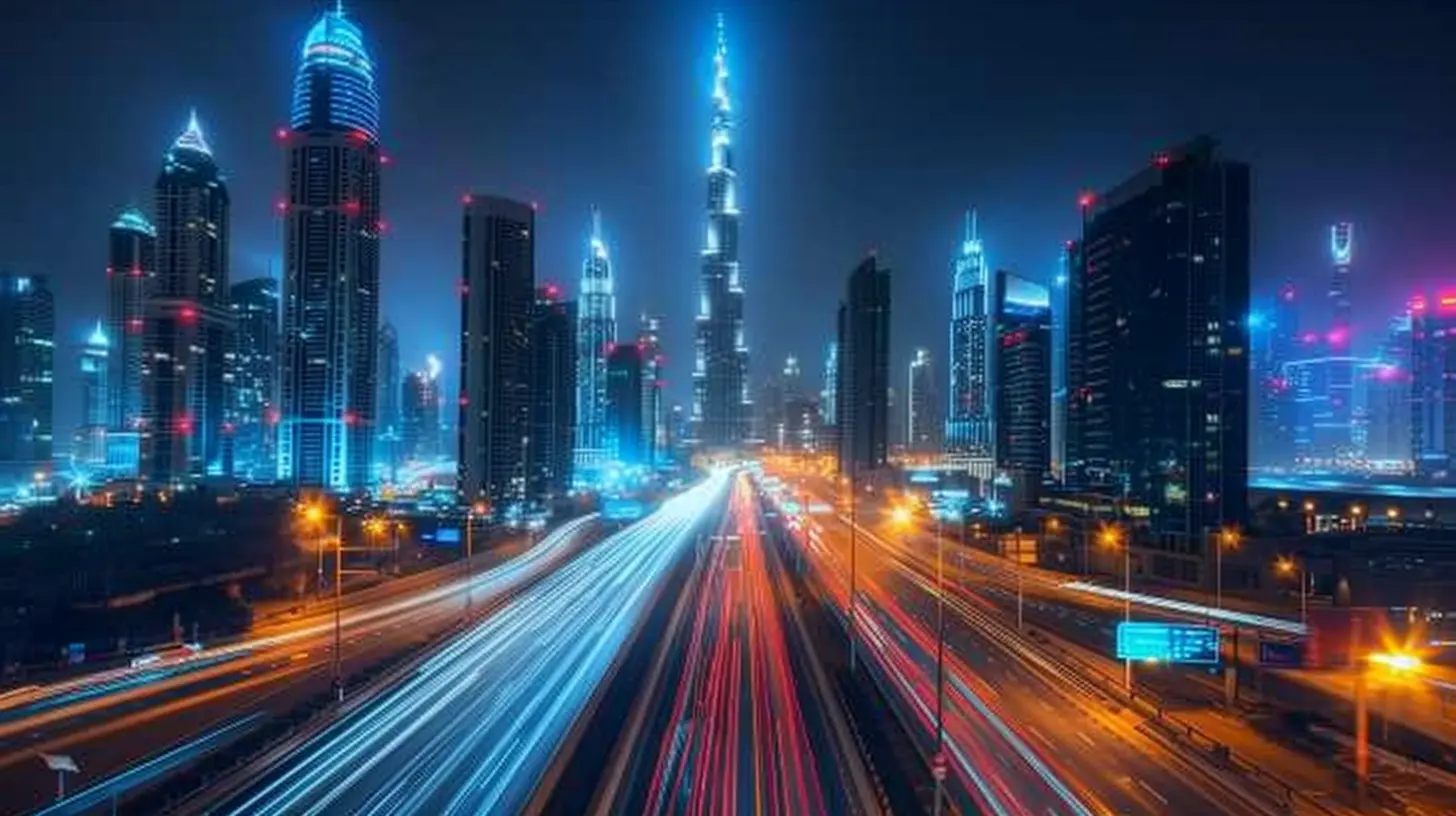
What Exactly Is a Smart City?
Let’s keep it simple. A smart city uses technology and data to enhance its infrastructure, services, and overall quality of life. Think of it as a living, breathing system that constantly collects and analyzes data to make itself better — whether that’s managing traffic, reducing pollution, or improving energy efficiency.But it’s more than just sensors and apps. It’s a mindset shift — it’s about reimagining cities not just as hubs of people and buildings, but as interconnected digital ecosystems.
Key Features of a Smart City
- Real-time data collection- High-speed internet connectivity
- Automation and AI-driven decision making
- Efficient public transportation
- Smart energy grids and water systems
- Citizen-centric governance
In essence, it’s about using tech NOT for tech’s sake, but to solve real problems — more efficiently and intelligently.
Why Are Smart Cities Even a Big Deal?
Well, have you seen the global population forecast? Over 68% of us are expected to live in urban areas by 2050. That's a lot of people in cities that were never built to handle that kind of load.Smart cities aim to tackle the growing pains of urbanization — overcrowding, strained infrastructure, rising pollution, and resource shortages — with a digital edge.
Here’s the deal: more people means more pressure on public services, more cars on the road, and more energy usage. But with smart systems in place, cities can become more sustainable, inclusive, and livable — not less.
The Digital Backbone: Key Technologies Driving Smart Cities
Let’s geek out a little. The digital transformation of cities doesn’t happen by waving a magic wand. It’s powered by a set of cutting-edge technologies working together behind the scenes.1. Internet of Things (IoT)
Imagine thousands of tiny sensors scattered across a city – in traffic lights, trash bins, buses, and buildings – all collecting data in real-time. That’s IoT in action. It’s the superhero tech behind smart water meters, air quality monitors, and intelligent lighting systems.2. Artificial Intelligence (AI) & Machine Learning
AI helps cities “think.” When you feed all that IoT data into AI systems, the city can make sense of it and make smarter decisions. For example, AI can predict traffic patterns and adjust signals to reduce congestion. It can even help in predictive maintenance — knowing a streetlight will fail before it does.3. 5G Connectivity
All those devices need lightning-fast, low-latency internet. That’s where 5G steps in. It allows millions of devices to stay connected and communicate in real time. From autonomous vehicles to drone deliveries, 5G is the silent enabler.4. Cloud Computing & Big Data
Imagine trying to store and process petabytes of data on a local server. Nope, not practical. That’s why smart cities rely on cloud computing. It provides the flexibility, storage, and computing power required to manage and analyze massive datasets.5. Blockchain Technology
Yes, it’s not just for crypto. Blockchain can make city operations more transparent and secure, especially for transactions, property records, voting systems, and even digital IDs.
Real-Life Examples of Smart Cities in Action
Now let’s get out of theory mode and look at how this is playing out in the real world.Singapore: The Digital City-State
Singapore is often seen as the poster child for smart cities. With its Smart Nation initiative, it has implemented AI-powered surveillance, smart traffic management, and even predictive healthcare systems. The city also uses sensors to monitor cleanliness and crowd density.Barcelona: Smart Urban Planning
Barcelona transformed itself post-2008 with a focus on smart infrastructure. It introduced sensor-based irrigation in parks, smart streetlights, and digital bus stops. The city’s open data platform also encourages app development to solve city challenges.Dubai: AI and Blockchain Playground
Dubai plans to become the first blockchain-powered government. The city is investing heavily in AI and IoT to improve police operations, traffic flow, and energy management. Even parking tickets are handled via blockchain!Copenhagen: Sustainability First
Copenhagen is integrating smart tech with its green agenda. From intelligent bike traffic lights to smart energy consumption systems, the city is aiming for carbon neutrality by 2025.How Smart Cities Improve Daily Life
Technology is great, but what truly matters is how it helps people. So, how does living in a smart city really feel?1. Smarter Transportation
Ever taken a bus that tells you exactly when it’ll arrive? Smart cities offer real-time public transit updates, dynamic toll pricing, and even autonomous shuttles. And let’s not forget smart parking apps that guide you to the nearest available spot. Less time circling the block = happier commutes.2. Cleaner Environment
With sensors monitoring pollution and AI controlling traffic flow, smart cities actively reduce emissions. Even trash collection gets a tech upgrade — smart bins alert sanitation teams when full, optimizing collection routes.3. Enhanced Safety and Security
From AI-based surveillance to emergency response systems that detect unusual activity, public safety goes next level. Even street lighting can be made brighter or dimmer based on activity or time.4. Efficient Energy Use
Smart thermostats, lighting, and grids help reduce waste and cut costs. Buildings can regulate their own temperatures, and grids can shift loads based on peak usage times.5. Better Governance
Want to report a pothole or vote in a local survey? There’s probably an app for that. E-governance platforms make it easier for citizens to interact with their city officials, making governance more transparent and responsive.Challenges on the Road to Smarter Cities
Alright, it’s not all roses and rainbows. Building a smart city comes with its own set of challenges.1. Data Privacy Concerns
With so many sensors and cameras, people worry about being constantly watched. Cities must balance efficiency with privacy — making sure that citizen data is anonymized, secure, and used ethically.2. High Implementation Costs
Smart infrastructure isn’t cheap. Retrofitting old systems takes serious investment. Cities need strong financial planning and public-private partnerships to make it work.3. Digital Divide
Not everyone has access to technology or high-speed internet. If not designed inclusively, smart cities can widen the gap between tech-savvy citizens and those left behind.4. Security Risks
More connected systems mean more targets for hackers. From shutting down electricity to manipulating traffic systems, cyberattacks can have real-world consequences.The Role of Citizens in Smart Cities
Here’s a truth bomb — tech alone doesn’t make a city smart. People do.Citizen engagement is crucial. Whether it's using apps for feedback, participating in data-sharing programs, or attending digital town halls, residents shape how smart cities evolve.
Smart cities need smart citizens — willing to adopt, adapt, and contribute.
What the Future Holds
We’re just scratching the surface here. The next decade will see even more mind-blowing innovations:- Autonomous vehicles navigating seamlessly
- Digital twins of entire cities for simulation and planning
- Smart homes integrated into citywide energy grids
- Drones assisting in logistics, emergency response, and surveillance
- Augmented reality guiding tourists and helping city workers
Smart cities will not only respond to our needs but will start to anticipate them. Imagine a city that gets smarter every time you walk through it — that’s not science fiction anymore.
Final Thoughts
Smart cities are more than futuristic buzzwords. They’re our best shot at building sustainable, efficient, and livable urban spaces for a growing population. But it’s not just about installing tech or launching apps — it’s about creating systems that actively work for people. If done right, the city of the future won’t just be smart — it’ll be human.So next time you stop at a traffic light that adjusts in real-time or look up bus timings on your phone, just know — you’re already living in the future.
all images in this post were generated using AI tools
Category:
Digital TransformationAuthor:

Jerry Graham
Discussion
rate this article
2 comments
Sophie Wilson
Exciting insights! Embracing digital tech is key for sustainable urban futures.
February 21, 2026 at 5:13 AM
Jerry Graham
Thank you! Embracing digital technology is indeed crucial for creating sustainable and resilient urban environments.
Zailyn McFarland
Embrace the digital revolution: Smart cities are not just a vision, but our blueprint for a sustainable, connected future!
February 12, 2026 at 5:05 AM
Jerry Graham
Thank you! Embracing digital technologies is indeed crucial for creating sustainable and connected smart cities. Together, we can shape a better future!